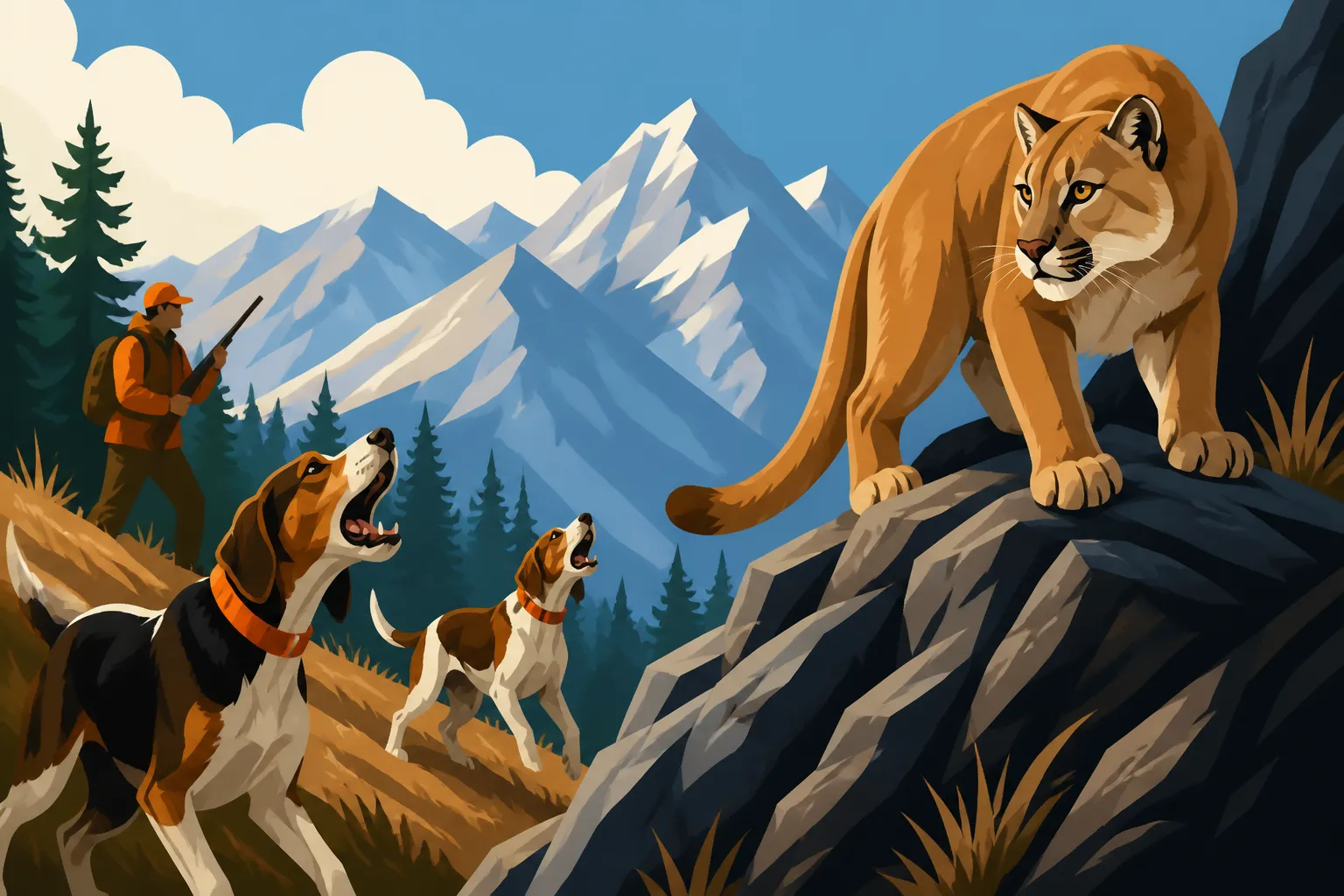
Hound Hunting for Mountain Lions
For those who dream of the ultimate Western hunting challenge, the pursuit of a mountain lion with a pack of highly trained hounds stands alone. It’s a hunt that demands relentless grit, physical endurance, and an almost spiritual connection with your dogs and the wild landscapes of Wyoming. This isn't a sit-and-wait endeavor; it’s an immersive, demanding, and incredibly rewarding experience that tests both hunter and hound. This guide will walk you through the intricacies, regulations, and realities of chasing cougars through Wyoming's rugged mountains and deep snow with your canine companions.
Understanding Wyoming's Mountain Lion Regulations
Hunting mountain lions in Wyoming is a tightly regulated endeavor, and for good reason. These elusive predators play a vital role in the ecosystem, and the Wyoming Game and Fish Department (WGFD) works diligently to manage their populations sustainably. Before you even think about hitting the snow, you need to have a solid grasp of the rules. The last thing you want is a preventable violation turning an epic adventure into a nightmare.
License Requirements and Season Structure
First things first: you'll need the appropriate license. For both residents and non-residents, a valid Wyoming hunting license is mandatory for mountain lion. This isn't a species you can just walk out and hunt on a general license; you'll need to secure a specific mountain lion tag. Non-residents, in particular, will find that these tags are often available over-the-counter, which is a rare treat compared to the draw systems for species like elk or deer. However, availability can vary, so always check the current regulations or the WGFD website well in advance of your planned hunt.
The season dates for mountain lions are set by specific hunt area, and they can vary quite a bit across the state. Typically, seasons run during the colder months, often from September through March, when snow cover makes tracking feasible. However, these seasons are almost always tied to quotas. This means that a hunt area can close immediately once its female or overall quota has been met. This dynamic quota system is critical to understand, as it can cut a hunt short with little notice. Hunters must constantly monitor the WGFD website or call a regional office for current quota statuses, sometimes multiple times a day, especially later in the season. Familiarize yourself with the specific dates and potential closure triggers for your chosen hunt area.
Quota Areas and Harvest Reporting Rules
Wyoming's mountain lion management is built around specific hunt areas, each with its own established quotas. These quotas are often broken down into total lions and then a sub-quota for female lions, as females are crucial for population sustainability. If a hunt area's female quota is met, the season for all lions in that area will often close, even if the general quota hasn't been reached. This is a crucial detail that can catch unprepared hunters off guard. Understanding these nuances is essential, and sites like GoHunt often provide excellent resources for tracking these complex regulations and quotas, helping you make informed decisions about where and when to hunt.
Once you’ve successfully harvested a mountain lion, the work isn't over. Wyoming has strict rules regarding harvest reporting and pelt sealing. You are legally required to report your kill to a WGFD official within a specified timeframe, usually within 24-48 hours. This reporting is vital for the WGFD to manage quotas in real-time. Additionally, the hide (pelt) and skull must be presented to the department for inspection and sealing. The official will attach a durable tag or seal to the pelt and often extract a tooth for age analysis. This process helps biologists gather critical data on population health and age structures. Failing to report your harvest or get your pelt sealed according to the rules can result in significant penalties, so make sure these steps are a top priority after the shot.
The Art and Ethics of Hound Hunting
Hound hunting for mountain lions isn't just about the chase; it's a deep-rooted tradition steeped in specific ethics and a profound respect for the animal. It’s a pursuit that often draws criticism from those who don't understand it, which makes it even more important for practitioners to uphold the highest standards of sportsmanship and animal welfare.
Fair Chase Principles in Action
"Fair chase" is a concept that underpins ethical hunting, and it applies vigorously to hound hunting. While hounds certainly give hunters an advantage in locating and baying or treeing a lion, the hunt itself is far from easy. It involves navigating incredibly difficult terrain, often in deep snow, sometimes for miles. The hounds aren't doing all the work; they're merely providing the track. The hunter still has to make the arduous trek, often in remote, unforgiving country, to reach the treed cat. Once at the tree, the ethical hunter evaluates the situation carefully. This isn't a guarantee of a shot, or even a good shot. Conditions like dense cover, poor light, or an unsafe backdrop might necessitate passing on the animal.
Ethical considerations extend to minimizing stress on the treed animal. Hounds can be intensely focused and loud, and a treed lion can become stressed. Responsible hunters will move in quickly, secure their dogs, and make a rapid, humane decision. If a shot is taken, it must be clean and decisive. If the animal is to be passed on, the dogs should be called off, and the lion allowed to descend and leave with minimal disturbance. The goal is to pursue, not to torment. This commitment to reducing stress and ensuring a humane outcome is a cornerstone of ethical hound hunting.
Minimizing Impact and Ensuring Humane Harvest
One of the most critical aspects of hound hunting is ensuring a humane harvest and minimizing any negative impact on the individual animal or the local ecosystem. When a lion is treed, the hunter has a unique opportunity to evaluate the animal closely. This is where judgment comes into play. Is it a mature tom? A young female? Is it a healthy animal? Ethical hunters might choose to pass on certain animals, especially if they are smaller or if they identify them as a breeding female important to the local population, if quotas for females are still open.
When the decision is made to harvest, shot placement is paramount. A treed animal presents a stable target, offering the opportunity for a precise, ethical shot. Hunters should always use appropriate caliber firearms or archery equipment to ensure a quick, clean kill. Following the shot, it's essential to secure the dogs, approach the animal cautiously, and confirm that it is deceased before handling. Beyond the immediate harvest, hunters also strive to minimize their footprint in the wilderness, packing out all trash, disturbing minimal vegetation, and leaving the area as pristine as they found it. This deep respect for the land and the animal is what truly defines the ethical hound hunter in Wyoming.
Choosing and Training Your Lion Hounds
The heart of mountain lion hunting lies with the dogs. Without a dedicated, well-trained pack, success is largely impossible. Choosing the right breed and investing in their training and conditioning is a multi-year commitment that forms an unbreakable bond between hunter and hound.
Selecting the Right Breed for Wyoming Conditions
When it comes to lion hounds, there isn't a single "best" breed, but rather a selection of breeds known for specific traits that excel in this demanding pursuit. Treeing Walker Coonhounds are perhaps the most popular, renowned for their incredible speed, grit, and tireless work ethic. They have a distinct chop mouth that carries well in the mountains and are often considered some of the best all-around hounds. Plotthounds are another strong contender, known for their powerful build, tenacity, and cold-trailing ability, meaning they can follow older tracks. Black and Tan Coonhounds are celebrated for their booming voices and ability to stick to a track in tough conditions, while Redbone Coonhounds offer a good nose and a strong treeing instinct.
The choice often comes down to personal preference and the specific terrain you hunt. In Wyoming's vast and varied landscape, from the steep, rocky slopes of the Bighorn Mountains to the deep snow drifts of the Wind River Range, you need dogs that are tough, resilient, and possess an exceptional nose. Many experienced lion hunters often run a mixed pack, combining the strengths of different breeds – perhaps a fast-running Walker to strike a fresh track, backed up by a grittier Plott to stay on a cold trail and a Black and Tan to loudly announce the treed cat. Considering the harsh winters and often miles-long chases, selecting hounds with good stamina and foot health is non-negotiable.
Conditioning and Advanced Training for the Trail
Bringing up a lion hound from a pup is a significant investment of time, patience, and resources. It begins with basic obedience, scent work, and developing a strong retrieve. But truly preparing a dog for lion hunting goes far beyond the basics. Conditioning is paramount. These dogs need to be in peak physical shape to run for hours, often through deep snow or across rugged, rocky terrain. This means regular exercise, a high-quality diet, and careful monitoring of their health throughout the year. Many hunters will run their dogs on ATVs or horses during the off-season to build stamina, gradually increasing distances and intensity.
Beyond physical conditioning, specialized training is essential. This often involves introducing them to "cage-raised" or "controlled" lions in a safe environment, teaching them to tree and bay properly without unnecessary aggression. More importantly, it involves teaching them to work as a pack, to honor another dog's treed call, and to be disciplined on the track. A good lion dog knows when to open up (bark) on a track and when to stay quiet, when to push hard and when to work a cold trail slowly. They also need to be trained to ignore deer, elk, or other non-target species, focusing solely on the scent of a cougar. This takes countless hours in the field, exposing them to real-world scenarios, reinforcing good behavior, and patiently correcting mistakes. Remember, a well-trained dog is a safe and effective hunting partner.
Essential Gear and Logistics for a Successful Hunt
Mountain lion hunting in Wyoming is an expedition, not just a day trip. The terrain is often unforgiving, the weather unpredictable, and the distances can be vast. Having the right gear, and understanding the logistics of a hunt, can mean the difference between success and a dangerous situation.
Tracking Technology and Communication
In today’s hound hunting world, GPS tracking collars are not just a luxury; they are an absolute necessity. Systems like the Garmin Alpha series or the SportDOG Tek series allow you to track your hounds' exact location in real-time, often for miles. This is critical for monitoring their progress on a track, knowing when they've treed, and locating them if they range far or get into trouble. You'll want units with long battery life, durable collars that can withstand rough use, and clear mapping capabilities to navigate the vast public lands in Wyoming. When hounds are off-leash and pursuing a cat, they can cover an incredible amount of ground quickly, making reliable tracking indispensable.
Beyond tracking your dogs, communication with your hunting partners and emergency services is vital. Cell service is notoriously spotty in many of Wyoming’s prime lion country. Carrying a satellite communication device, such as a Garmin inReach or a Zoleo, is highly recommended. These devices allow you to send and receive text messages, share your location, and trigger an SOS in an emergency, even when miles from civilization. Two-way radios are also valuable for short-range communication within your hunting party. Don't underestimate the importance of reliable communication, especially when you're traversing remote, snow-covered mountains, often far from roads or human contact.
Winter Weather Clothing and Snow Travel Equipment
Most successful lion hunts happen in the dead of winter, when snow provides ideal tracking conditions. This means you need serious winter gear. Layering is key: a good base layer to wick moisture, an insulating mid-layer (down or synthetic), and a waterproof, windproof outer shell are essential. Don't forget insulated, waterproof boots designed for deep snow, along with multiple pairs of warm socks. Gloves or mittens, a warm hat, and a neck gaiter will protect you from biting winds and extreme cold. Remember, you'll be exerting yourself trekking through snow, then possibly waiting while your dogs work, so adjust your layers to avoid overheating and sweating, which can lead to hypothermia when you stop.
Depending on the snow depth and terrain, you'll likely need specialized equipment for travel. Snowshoes are often indispensable for traversing deep drifts, especially when you're off-trail. Modern snowshoes like those from MSR or Tubbs offer excellent flotation and traction. In steeper, icier conditions, microspikes or even crampons might be necessary for safety. If you're hunting with an outfitter or in areas allowing it, snowmobiles or side-by-sides equipped with tracks can get you closer to remote areas, but understand that many prime lion spots still require significant foot travel. Always carry a backpack with essentials: water, high-energy snacks, a first-aid kit, a headlamp, and emergency fire-starting supplies. Being prepared for any contingency is part of the serious lion hunter's ethos.
Finding Mountain Lions: Strategy and Scouting
Mountain lions are incredibly elusive, masters of camouflage and stealth. They roam vast territories, often unseen. Successful hound hunting for these animals isn't just about turning dogs loose; it requires meticulous scouting, an understanding of their habits, and the ability to interpret subtle signs in the landscape.
Identifying Productive Habitat and Tracking Snow
The first step in finding mountain lions is understanding their preferred habitat in Wyoming. They are creatures of the rugged, often preferring dense timber, rocky canyons, and steep, broken country where deer, elk, and bighorn sheep—their primary prey—are plentiful. Look for areas with a good mix of cover, water, and plenty of escape terrain. In the winter, south-facing slopes can be particularly productive, as the sun melts snow, making it easier for prey animals to forage, and thus attracting lions. E-scouting tools like GoHunt's mapping platform are invaluable here. You can identify potential winter range, connect it to areas of dense cover, and look for game trails and natural travel corridors, all from your kitchen table before you ever step foot in the field.
The true key to finding lions with hounds, however, is fresh snow. Snow is your canvas. It reveals the movements of every creature, and for the hound hunter, it’s a constant source of information. You’ll be looking for lion tracks after a fresh snowfall. These tracks are distinct: large, round, no claw marks showing (unless the cat is climbing or slipping), and often with a noticeable leading toe. Finding a fresh track is the holy grail. Experienced hunters learn to differentiate lion tracks from bobcat, coyote, or domestic dog tracks, noting size, stride, and gait. A fresh track indicates a cat is in the area and, most importantly, provides a scent trail for your dogs to follow. This is where scouting the day before a hunt, or driving roads in the early morning after a fresh fall, becomes crucial.
Hunting Strategies and Interpreting Sign
Once you've identified a promising area and ideally found a fresh track, your hunting strategy shifts into gear. Often, this involves driving forest roads or established trails slowly, constantly scanning for tracks crossing the snow. When a fresh track is located, the dogs are brought out and given the scent. The energy of the hounds as they pick up a track is electric – a symphony of barks and bawls as they strike the trail. Then the chase is on. Your role shifts to monitoring the dogs' progress via GPS, trying to anticipate the lion's movements, and preparing for a potentially long, strenuous hike to catch up.
Beyond fresh tracks, there are other subtle signs that experienced hunters learn to interpret. Scat, claw marks on trees (especially cedars or pines used as "scratching posts"), and even caches of prey indicate a lion's presence. Sometimes, a lion will kill an animal and partially bury it, returning to feed over several days. Finding such a kill site, even an older one, tells you a lion is in the vicinity. Pay attention to the behavior of other animals – nervous deer or elk, or agitated birds, can sometimes signal a predator nearby. Learning to "read" the landscape and its inhabitants is an acquired skill, built upon years of observation and experience, and it's what transforms a casual outdoors person into a truly successful mountain lion hunter.
| Hound Breed | Key Traits for Lion Hunting | Pros | Cons | Ideal Terrain |
|---|---|---|---|---|
| Treeing Walker Coonhound | Speed, grit, strong treeing instinct, distinctive "chop" mouth | Excellent speed, relentless pursuit, good nose, vocal | Can be overly keen, sometimes range too far, needs consistent conditioning | Diverse, from open timber to rocky slopes |
| Plott Hound | Tenacity, power, cold-trailing ability, silent on track | Very rugged, strong build, excellent on old tracks, determined | Slower than Walkers, can be stubborn, less vocal on track | Steep, rocky, rough terrain, dense brush |
| Black & Tan Coonhound | Booming voice, good nose, steady on track, strong desire | Deep, loud voice (easy to locate), good stamina, consistent on trail | Can be slower, may lack the explosive speed for fresh tracks | Mixed forest, deep snow, areas where vocalization is key |
| Redbone Coonhound | Good nose, strong treeing instinct, attractive reddish coat | Good all-around hound, strong desire, distinctive looks | Can be prone to certain health issues, sometimes less focused than others | Varying terrain, good for mixed packs |
| English Coonhound | Stamina, good nose, often a medium-range runner | Very durable, good endurance, intelligent | Can be less specialized than other breeds, may lack intensity of Walkers | Open country, rolling hills, areas with long chases |
Disclaimer
Hunting is a challenging and potentially dangerous activity. This guide provides general information for educational purposes only and is not a substitute for official regulations, professional instruction, or personal judgment. Always consult the most current Wyoming Game and Fish Department regulations, obtain proper licensing, and prioritize safety in the field. Conditions in the wilderness can change rapidly, and you are solely responsible for your actions and safety.