Corner Crossing Without Touching Private Ground
One of the most maddening challenges for a public land hunter in Wyoming is staring right at a promising elk basin or a sagebrush flat crawling with antelope, only to realize the only way to get there involves stepping from one public land parcel to another, directly across a private land corner. It's a situation that has frustrated countless hunters for decades, forcing them to either abandon their spot, hike miles around, or navigate the confusing and often contentious legalities of "corner crossing." This guide aims to demystify the specific aspect of corner crossing that requires hunters to avoid touching private ground, offering practical insights and emphasizing the importance of doing your homework and exercising good judgment to stay within the bounds of the law and respect private property.
The Core Concept of Corner Crossing
The idea of corner crossing itself stems from a unique land ownership pattern common in the American West, and particularly prevalent in Wyoming. It’s a concept that sounds simple in theory but becomes incredibly complex—and often contentious—in practice, especially when you introduce the mandate of not touching private ground.
Understanding Checkerboard Land Ownership
Imagine a giant chessboard laid across the vast expanses of Wyoming. That's essentially what the "checkerboard" land pattern looks like. This pattern originated from 19th-century land grants, where the federal government granted alternating sections of land to railroad companies to encourage transcontinental railway construction. The railroads then often sold these lands to private individuals or companies, creating a mosaic of public and private squares.
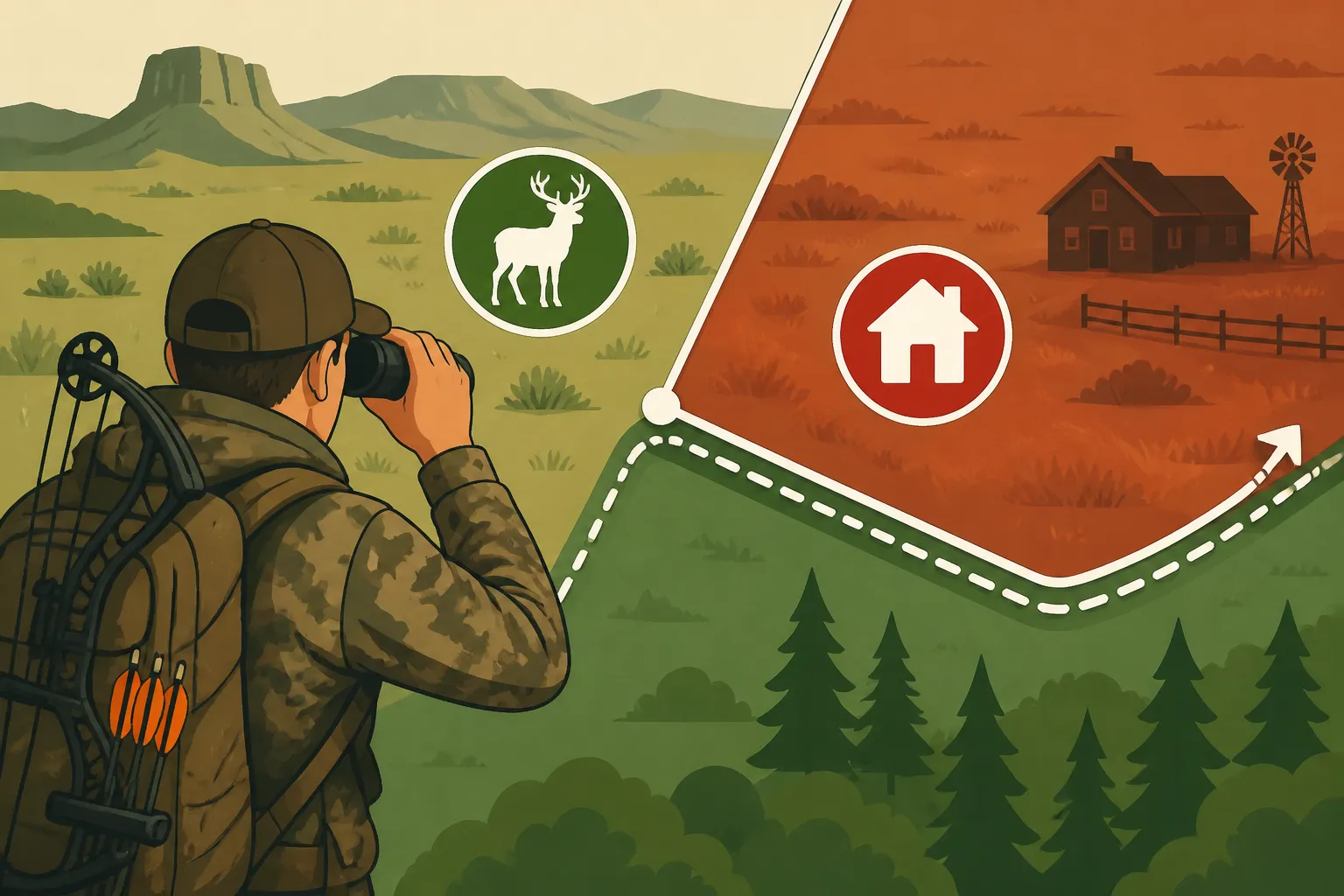
What this means for hunters is that you might find a section of public land (often managed by the Bureau of Land Management or Forest Service) directly adjacent to a private section, and then another public section bordering that private one, and so on. This creates public lands that are often "landlocked" – entirely surrounded by private property – or public parcels that meet only at a single corner. The frustration is palpable when you're looking at a map and see pristine public hunting grounds, but the only way to physically reach them from another public parcel is to step directly across that shared corner. It’s a puzzle that has haunted hunters for generations, forcing long detours or outright blocking access to otherwise legal hunting opportunities. How Wyoming's Checkerboard Land Pattern Came About delves deeper into this historical context.
The Legal Precedent: What the Courts Have Said
For a long time, the legality of corner crossing was a deeply debated and often legally ambiguous topic. Landowners frequently argued that even traversing the airspace over their property at a corner constituted trespass, while hunters argued that public land was accessible if no physical private ground was touched. This all changed dramatically with recent court rulings, particularly a significant decision in the 10th Circuit Court of Appeals. This ruling essentially affirmed that corner crossing, in and of itself, is not illegal trespass in Wyoming, provided that the person crossing does not physically step onto or cause damage to private property. The Tenth Circuit Decided About Corner Crossing offers more detail on this landmark decision.
This was a massive victory for public land access advocates and hunters. However, it came with a critical, undeniable caveat: you cannot touch private ground. The courts ruled that if you can move from one public parcel to another public parcel by crossing at the corner, and you never physically set foot on the private land that forms the other two corners, then you are not trespassing. It's a very narrow interpretation, focusing specifically on the physical act of touching the ground. This distinction is where the theory collides with the gritty reality of western landscapes.
The "Without Touching Private Ground" Challenge
The legal framework for corner crossing is clear: don't touch private ground. But the practical application of this rule in the field, often in remote, rugged terrain, presents a significant and very real challenge. It's not just about avoiding a fence; it's about navigating the almost invisible point where four property lines converge.
The Physics of Not Touching Private Land
Think about it: property lines, in a legal sense, are theoretical planes extending infinitely upwards and downwards from the survey markers on the ground. When four sections meet at a corner, they do so at an infinitely small point. The legal ruling suggests that if you cross this point, without breaking the plane of the private property's boundary (either by stepping on the ground or, arguably, by substantially intruding into the airspace directly above it), then you are within your rights.
The challenge lies in the real world. How do you, a human being carrying a pack and a rifle, move from one public land section to another, across a corner, without ever making physical contact with the ground that belongs to a private landowner? Most corners in Wyoming are marked by fence posts, sometimes a cairn, or perhaps just a survey marker. The ground around these markers is often uneven, full of rocks, sagebrush, or even muddy. To cross without touching private ground would imply that you need to be airborne, or somehow suspend yourself at the precise point of the corner without your boots making contact with any part of the private property. This is where the theoretical legality gets incredibly tricky and, frankly, often feels impossible. There is no magical force field to keep you suspended, and even a slight misstep could technically put you in violation. Is There a Buffer Around a Corner Post? further elaborates on the exact nature of these boundaries.
Why the Controversy Persists
Even with the legal precedent, the debate and conflict around corner crossing continue to simmer. For landowners, their concerns go beyond the strict legal definition of trespass. There's a deeply ingrained sense of privacy and control over their property. Seeing hunters at the intersection of their property and public land, even if technically legal, can feel like an invasion. Many landowners worry about liability if a hunter gets hurt on their property, even if they only briefly 'touch' the corner. There are also concerns about gates being left open, fences being cut, or trash being left behind, even if these acts are perpetrated by a tiny fraction of hunters.
From a hunter's perspective, the public land is theirs to access, and the checkerboard pattern feels like an unfair barrier to that access. The frustration of seeing a prime hunting spot just out of reach because of a corner intersection is immense. This clash of perspectives—the landowner's desire for privacy and control versus the public's right to access public lands—creates a persistent tension, regardless of court rulings. It highlights the need for continued dialogue, respect, and for hunters to go above and beyond to be good stewards and neighbors.
Practical Strategies for Corner Crossing
Given the legal complexities and practical difficulties, navigating corner crossing without touching private ground demands meticulous preparation and a cautious approach. It’s not something you should ever attempt on a whim.
Mapping Tools and Pre-Scouting
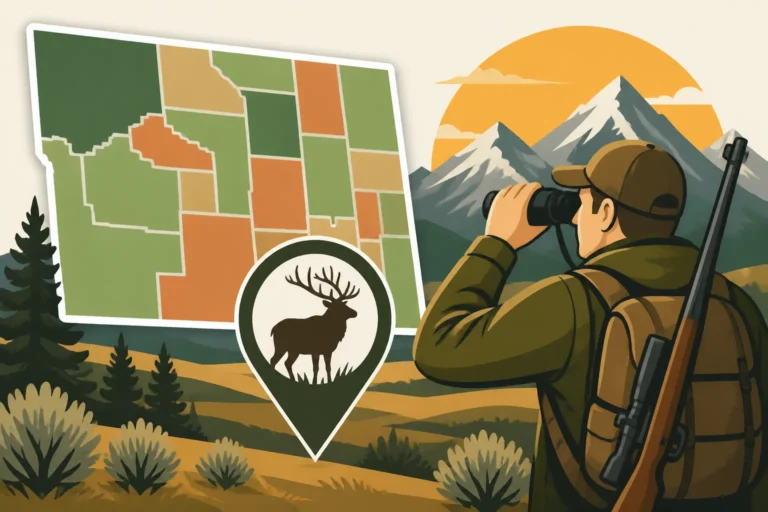
Your most valuable tools in this scenario are advanced digital mapping applications. Services like onX Hunt and GoHunt are absolutely essential. Before you even leave your house, you should be meticulously studying your hunting unit. Zoom in on any areas where public and private lands intersect in a checkerboard pattern.
Here’s how you can use them:
- Property Line Overlays: Both onX Hunt and GoHunt offer detailed property ownership overlays that clearly distinguish between public lands (BLM, Forest Service, State Trust Lands) and private parcels. These are crucial for identifying corner intersections. Using onX Public Land Layers in Wyoming can help you maximize this feature.
- Satellite Imagery: Switch to satellite view and examine the actual terrain at the corner. Are there fences? Natural barriers? Steep grades? Open sagebrush? The topography will dictate the feasibility of crossing without touching down.
- Waypoint Placement: Mark the exact corner point with a waypoint. Use this as your target.
- Pre-Scouting (Physical or Digital): If possible, a physical reconnaissance trip to the specific corner during the off-season can be invaluable. You can see the actual ground, understand the fencing, and identify any landmarks. If not, use digital tools to "walk" the corner as best you can. Look for a large rock, a small depression, or anything that might allow for a momentary "hop" or pivot without making extensive contact with private ground.
Remember, while these apps are incredibly powerful, they are not infallible. GPS inaccuracies, especially in dense timber or canyon country, can sometimes be off by a few feet. Always err on the side of caution. As much as we rely on technology, Can You Rely on onX for a Boundary? emphasizes the need for discretion.
The "Floating" or "Hovering" Technique (and its limits)
The theoretical ideal for corner crossing without touching private ground is to somehow "float" or "hover" over the corner. In reality, this is almost impossible for an individual carrying hunting gear. This is where the infamous "stepladder case" comes into play, a scenario that garnered significant attention. The hunters in that case used a stepladder to physically cross a corner, attempting to avoid touching the ground. While the court ruled in their favor regarding trespass at that corner, the legal implications of using such devices remain debated and can vary. The Stepladder Case That Started Corner Crossing explains more about this specific incident.
The general advice from wildlife agencies and legal experts is to avoid using artificial means to cross, as it can escalate the situation and potentially invite further legal scrutiny from landowners who might view it as an intentional act to circumvent their property rights. The goal is to move from public to public without any physical contact with the private land. This often means carefully stepping over the actual corner post, ensuring your boots never touch the soil within the private quadrant. It's a precise, often awkward maneuver that requires utmost care and a clear understanding of the boundary lines.
Seeking Permission as the Safest Bet
Let's be real: the most straightforward, ethical, and low-stress approach to accessing public land at a corner intersection is to simply ask permission from the private landowner whose property creates the barrier. This might seem like a hassle, but it can save you immense headache, potential legal battles, and foster better relationships between hunters and landowners.
Here’s why it’s often the best path:
- Avoid Legal Battles: Even if you perform a perfect "no-touch" corner cross, a landowner who feels aggrieved can still report you, leading to a potential investigation, citations, or legal expenses. Seeking permission eliminates this risk entirely.
- Build Relationships: A friendly knock on the door, a respectful phone call, or even a well-written letter can open doors (sometimes literally!) to access that you might not otherwise have. Many landowners are reasonable and appreciate being asked. This can sometimes even lead to opportunities to hunt on their private land in the future. Getting Permission to Cross Private Ground explains this approach in more detail.
- Peace of Mind: Knowing you have explicit permission means you can focus on your hunt, rather than constantly worrying about every step you take or whether a landowner is watching. It removes a layer of stress that no hunter needs.
While the legal rulings have affirmed the right to corner cross without touching private ground, extending the courtesy of asking permission is a gesture of respect that often goes a long way in the hunting community and ensures long-term public access.
Risks and Ramifications
Even with favorable court rulings, attempting a corner crossing without touching private ground is not without its risks. Hunters need to be fully aware of the potential consequences, both legal and communal, before attempting such a maneuver.
Potential Legal Challenges and Costs
The most immediate risk is that a private landowner, regardless of the court rulings, might believe you have trespassed. They could contact law enforcement, leading to a confrontation in the field. Even if you are ultimately found innocent of criminal trespass, you could still face civil lawsuits.
Consider these potential challenges:
- Fines and Penalties: If found guilty of trespass, even a misdemeanor, you could face fines, loss of hunting privileges, and a mark on your record.
- Legal Fees: Defending yourself, even successfully, can be incredibly expensive. Attorney fees, court costs, and time off work add up quickly, far outweighing the benefit of a slightly shorter walk.
- Lost Hunting Time: An accusation of trespass can disrupt your hunt, potentially leading to lost days in the field while you deal with officials.
- Uncertainty of Interpretation: While a federal circuit court has ruled, the interpretation and enforcement by local law enforcement or county prosecutors can sometimes vary. It's a complex area of law, and not every local official may be up-to-date or agree with the nuances.
Here's a quick comparison of risks:
| Action | Legal Risk (Criminal) | Legal Risk (Civil) | Reputation Risk (Hunter/Landowner) | Cost (Time/Money) |
|---|---|---|---|---|
| Corner Crossing (No Touch) | Low (if perfectly executed) | Moderate | High (potential friction) | Moderate (potential legal fees) |
| Ask Permission & Get It | Very Low | Very Low | High (positive relations) | Very Low |
| Trespass (Knowingly Entering Private) | High | High | Very High (negative impact) | Very High |
| Go Around | Very Low | Very Low | Low | Moderate (time/effort) |
The stakes are real, and even a legally sound act can lead to significant headaches and costs if a landowner decides to challenge it.
The Importance of Respect and Responsible Hunting
Beyond the letter of the law, there's the broader issue of respect and responsible hunting. Our actions as individual hunters reflect on the entire hunting community. Aggressive, confrontational, or disrespectful behavior at property lines can lead to:
- Increased Landowner Hostility: If landowners feel constantly besieged or disrespected, they are less likely to grant permission in the future, and more likely to advocate for tighter restrictions on public land access, not just for corner crossing but for other aspects as well.
- Erosion of Public Trust: Incidents of conflict at property lines can make national headlines, casting a negative light on hunting and further fueling anti-hunting sentiments among the non-hunting public.
- Future Access Restrictions: State wildlife agencies, under pressure from landowners or public outcry, could introduce new regulations that make access even harder for everyone. Protecting Wyoming's Federal Land Split: BLM and Forest Service and other public parcels is a collective responsibility.
Ultimately, while the legal right to corner cross without touching private ground exists, every hunter must weigh that right against the practical realities, potential risks, and the overarching goal of maintaining a positive image for hunting and fostering good relationships with private landowners. Sometimes, the longer walk around, or the simple act of asking permission, is the most responsible choice for the long-term health of our hunting heritage and for ensuring future access to Finding Landlocked Public Parcels in Wyoming.
Disclaimer
This article is for general informational purposes only and does not constitute professional advice. Laws, prices and regulations vary by location and change over time. Consult a qualified professional for guidance on your specific situation.