Do You Need a BLM Permit to Hunt Wyoming
It's a common question, and honestly, it’s one that causes a lot of confusion for hunters looking to explore the vast public lands out West: Do you need a special permit from the Bureau of Land Management (BLM) just to hunt in Wyoming? The short answer is usually "no," but the nuance around what you do need, and what other permits might exist for non-hunting activities, is where many folks get tripped up. This guide will clarify exactly what’s required, so you can focus on scouting and hunting, not paperwork anxiety.
Understanding Public Land Access in Wyoming
Wyoming is a hunter's paradise, largely thanks to its immense tracts of public land. But navigating these lands and understanding the rules that govern them can feel like deciphering a secret code if you’re not familiar with the different agencies involved.
The Vastness of BLM Land and Its Appeal
When you picture wide-open spaces, sagebrush flats, and rolling hills stretching to distant mountains, you’re often envisioning Bureau of Land Management (BLM) territory. These lands make up a significant portion of Wyoming’s public access, providing incredible opportunities for hunting, fishing, camping, and countless other outdoor pursuits. BLM Holds 27,860 Square Miles of Wyoming, offering millions of acres for hunters seeking everything from antelope to mule deer and even elk in certain areas. This vastness is precisely what draws so many to the state, offering a stark contrast to the often more fragmented land ownership patterns in other regions.
The appeal lies not just in the sheer size but in the generally unencumbered access for recreational users. Unlike some private lands where gate fees or explicit permission are required for every step, BLM lands generally operate under a multi-use mandate, meaning they are open to a broad spectrum of activities, including hunting, without additional specific permits for the act of hunting itself. This freedom is a cornerstone of public land hunting culture, allowing hunters to roam, scout, and pursue game across truly wild landscapes. It’s this freedom, however, that sometimes leads to questions about what is not free and whether a "permit" might be lurking somewhere.
Differentiating Land Management Agencies
Before we dive deeper, it’s crucial to understand that "public land" isn't a monolithic entity. In Wyoming, you'll encounter several different types of public land, each managed by a different agency with its own set of rules, even if they sometimes overlap geographically. The Bureau of Land Management (BLM) manages vast areas primarily for grazing, mineral extraction, and recreation, often characterized by more open, arid landscapes. Then there's the U.S. Forest Service, which oversees the National Forests—think mountainous, timbered regions like the Bridger-Teton or Shoshone National Forests. These lands have different focuses, such as timber production and watershed protection, alongside recreation. Wyoming's Federal Land Split: BLM and Forest Service explains this more thoroughly.
Beyond these federal lands, Wyoming also has State Trust Lands, managed by the State Land and Investment Office. These lands are primarily set aside to generate revenue for public education and other state institutions. While many State Trust Lands are open to public hunting, they often come with specific stipulations, sometimes requiring a specific permission slip, or at least a thorough understanding of their rules. Finally, there are wildlife habitat management areas and national wildlife refuges, often managed by the Wyoming Game and Fish Department or the U.S. Fish and Wildlife Service, respectively. These areas are specifically designed to benefit wildlife and often have their own unique and sometimes more restrictive rules for hunting and access. Knowing which agency manages the land you're on is the first step to knowing which set of rules apply to you.
Common Misconceptions About Permits
The idea of needing a "BLM permit" for hunting often stems from confusion with other types of permits or simply a general assumption that all government-managed land requires specific permission slips for every activity. For instance, commercial activities like outfitting services or scientific research on BLM land often do require special recreation permits or other authorizations. Folks might hear about these and mistakenly assume a similar permit applies to individual hunters. Another source of confusion can be special events, such as endurance races or large group gatherings, which also necessitate permits to ensure environmental protection and public safety.
Furthermore, certain types of land use within public land systems can require permits. For example, if you plan to cut firewood, collect certain natural resources, or graze livestock, you'll need a specific permit for those actions. These are all separate from the act of hunting itself. The core of the confusion is often the conflation of these administrative permits for specific uses with the general right of public access for hunting, which is governed by state game and fish regulations. It's a natural question to ask, especially when dealing with bureaucracies, but thankfully, for the typical hunter, it's simpler than it sounds.
Do You Actually Need a BLM Permit to Hunt in Wyoming?
Let's cut right to the chase and address the main question that’s probably been nagging at you.
The Simple Answer: Generally, No, Not for Hunting
For the vast majority of individual hunters pursuing big game or small game on Bureau of Land Management (BLM) land in Wyoming, the answer is a resounding no, you do not need a specific "BLM permit" for the act of hunting itself. You’re not applying to the BLM for permission to pursue an antelope or a mule deer. The freedom to hunt on these public lands is a fundamental aspect of their management, intended to allow for broad recreational use. This is a huge relief for many, especially those who are used to complex permitting systems in other states or for different types of outdoor activities.
Think of it this way: when you legally draw and purchase your Wyoming hunting license and tags from the Wyoming Game and Fish Department, that’s your permission slip to hunt legally within the specified hunt areas and seasons, across all legally accessible public lands, including BLM. The BLM’s role is more about land stewardship and managing other uses, not about individually permitting hunters. This distinction is critical and often saves hunters a lot of unnecessary worry and paperwork.
What You Do Need: State Hunting Licenses and Stamps
While the BLM isn't issuing hunting permits, the State of Wyoming certainly is. Your number one requirement for hunting any game animal in Wyoming, on public or private land, is the appropriate, valid hunting license and tags issued by the Wyoming Game and Fish Department (WGFD). This includes your specific big game license (elk, deer, antelope, etc.), and often, a Conservation Stamp. The Conservation Stamp is required for nearly everyone holding a hunting or fishing license in Wyoming and helps fund conservation efforts across the state.
Beyond your main license and tags, you also need to adhere to all state-specific regulations for the species you’re pursuing, within the designated hunt area and season dates printed on your tag. This includes minimum age requirements, hunter education certification (for anyone born after 1965, as covered in Anyone Born After 1965 Needs Wyoming Hunter Education), and any weapon-specific restrictions. Remember, your state license and tags are your only hunting-specific permit; they authorize you to hunt on public land where it is otherwise legal. Always carry proof of these documents with you in the field.
Specific Situations Where Permits Might Apply (But Not for Hunting)
It's important to clarify that while you don't need a BLM permit for hunting, there are indeed situations where other activities on BLM land do require permits. This is often where the confusion arises. For example, if you were to organize a large group event on BLM land, such as a guided hiking tour with more than a certain number of participants, or a commercially sponsored trail run, you would likely need a Special Recreation Permit from the BLM. This is to ensure minimal environmental impact and to manage the use of the land by commercial entities or large gatherings.
Similarly, if you were planning an activity that involves significant ground disturbance, like building a temporary structure, or conducting scientific research that involves collecting samples or setting up long-term monitoring stations, specific permits from the BLM would be necessary. Even for non-commercial activities, if they involve a significant impact or use of the land outside of general recreational norms, you might need to check with your local BLM field office. The key takeaway here is that these permits are for the activity or use of the land, not for the simple, traditional act of hunting, which falls under the general recreation umbrella as long as you adhere to state game laws. So, if you're just out there with your bow or rifle, legally tagged and licensed, you're usually good to go.
Navigating BLM Land for Hunting
Hunting on BLM land offers incredible opportunities, but it also comes with responsibilities, especially when it comes to understanding how to legally access and utilize these vast territories.
Understanding Access and Easements
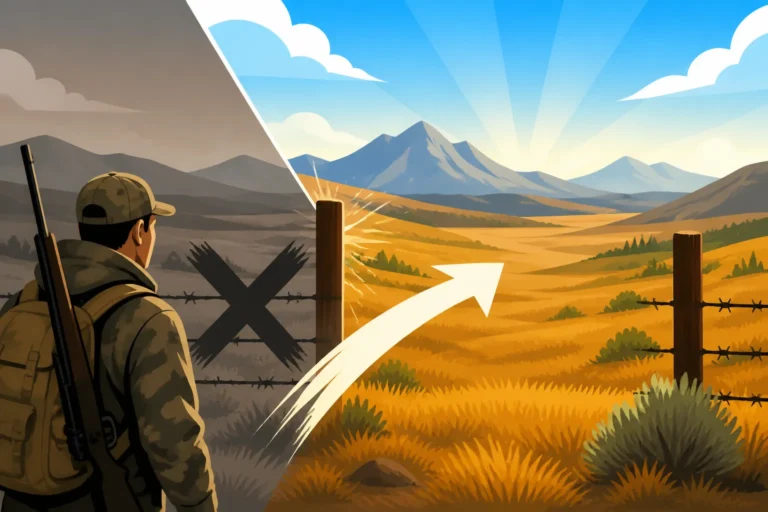
While BLM land itself is public and generally open to hunting, getting to it can sometimes be the trickiest part, especially in states like Wyoming with its unique checkerboard land patterns. Many large parcels of public land can be "landlocked" by private property, meaning there's no public road or adjacent public land to walk in from. This doesn’t make the public land any less public, but it does mean you can't legally cross private land to get to it without permission. How to Reach Landlocked Public Land in Wyoming goes into this in detail.
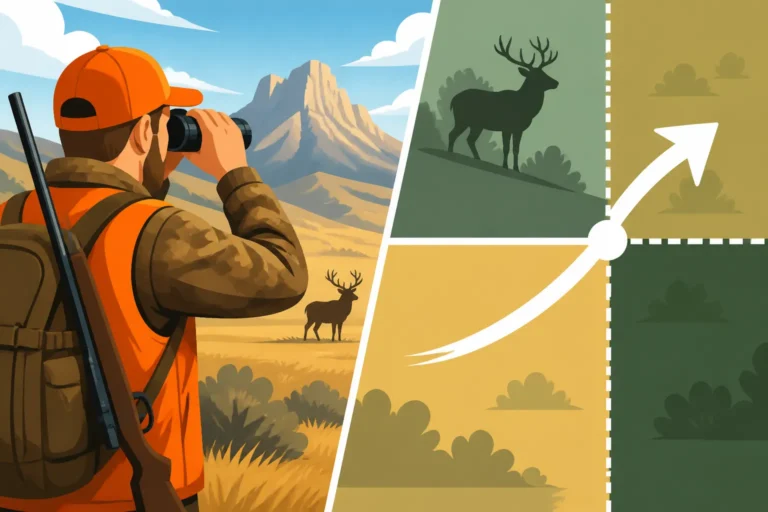
This is where understanding easements and right-of-ways becomes critical. Sometimes, a public easement exists across private land, allowing access to the public parcel beyond. These are usually well-marked on good maps. The landmark "corner crossing" ruling, while allowing you to step from one public parcel to another at a common corner without trespassing, doesn't grant you the right to cross any part of the private land in between. Always check your mapping apps and ground signs carefully. Reaching Wyoming Public Land by Public Road outlines the fundamental ways to ensure legal access, always ensuring you respect private property boundaries along the way. Your hunt plan should always begin with ensuring legal access.
Dispersed Camping and Vehicle Use on BLM
Part of the allure of hunting on BLM land is the ability to truly immerse yourself in the backcountry, often through dispersed camping and off-road vehicle use. Dispersed camping, or "boondocking," is generally allowed on BLM land for up to 14 days in any 30-day period within a 25-mile radius, unless otherwise posted. You'll need to be self-sufficient, as there are no facilities, and practice strict Leave No Trace principles. Dispersed Camping on Wyoming BLM Ground details these rules, ensuring you leave your campsite cleaner than you found it. Remember, campfires are often subject to seasonal fire restrictions, so always check local conditions before lighting one.
When it comes to vehicles, most BLM roads are open, but off-road travel is restricted to existing routes or designated areas. This is vital for protecting sensitive habitats and preventing resource damage. Motor Vehicle Use Maps (MVUMs) are invaluable tools for identifying legal routes, especially if you're planning to use an ATV or UTV to access remote hunting spots. Reading a Motor Vehicle Use Map is highly recommended for any hunter operating vehicles off main highways. The rules around vehicle use and camping are typically what hunters need to pay attention to on BLM lands, not a "hunting permit" itself. Always be prepared for conditions to change, especially with weather, as unpaved roads can become impassable very quickly.
Respecting Boundaries: The Role of Mapping Tools
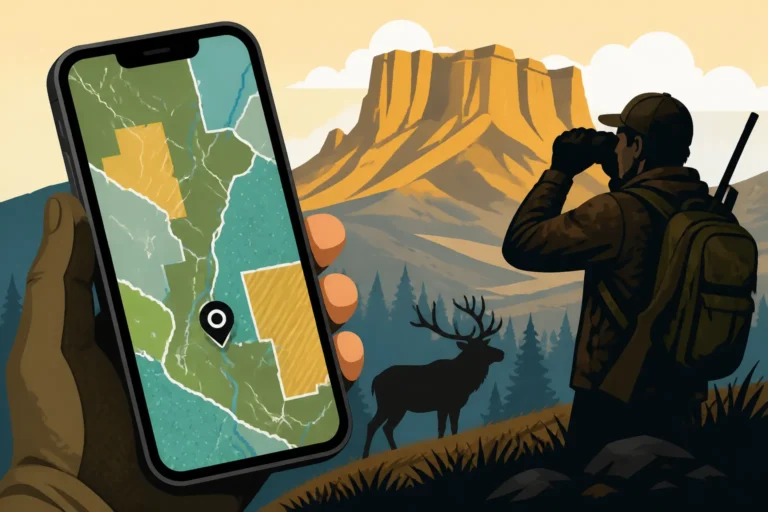
In Wyoming’s vast landscapes, where private and public lands often intertwine in complex patterns, knowing precisely where you stand is paramount. Accidentally crossing onto private property without permission, even if you didn't see a fence or a sign, is trespassing and can lead to serious legal trouble and damage the reputation of all hunters. This is where modern mapping applications become indispensable. Platforms like onX Hunt are game-changers, offering detailed satellite imagery overlaid with property ownership boundaries, land management agency designations (BLM, Forest Service, State, Private), and even specific access points and restrictions.
Using onX Hunt or similar apps allows you to actively track your location in real-time, preventing unintentional boundary crossings. This is especially crucial in "checkerboard" areas or places where fences might be down or non-existent. Before you even leave home, you can use these tools for E-Scouting a Unit Before the Season Opens, identifying potential hunting areas, planning your routes to public land, and noting private parcels to avoid. It’s an essential piece of gear for any public land hunter in Wyoming, almost as important as your binoculars or rifle. While not a "permit," knowing where you are legally allowed to be is the foundation of a successful and responsible hunt.
Responsible Hunting Practices on Public Land
Hunting on public land isn't just about what you're allowed to do; it's about doing it responsibly and ethically. Our actions reflect on all hunters, and preserving access relies on our collective good behavior.
Ethical Considerations and Leave No Trace Principles
Hunting on public land comes with a profound responsibility to practice ethical behavior and adhere to Leave No Trace principles. This means more than just following the law; it's about respecting the land, wildlife, and other users. Pack out everything you pack in, including spent shell casings, trash, and any non-biodegradable items. This leaves the area pristine for the next person, whether they're another hunter, a hiker, or a wildlife viewer. Field dressing an animal should be done away from water sources and trails, and any offal should be scattered or buried discreetly, allowing nature to reclaim it without attracting unwanted attention or creating an eyesore.
Beyond waste, ethical hunting involves making clean, humane shots, knowing your effective range, and diligently tracking any wounded animal. It means being courteous to other hunters and recreationists you encounter, sharing the landscape respectfully. These principles aren't just good manners; they are critical for maintaining public support for hunting and ensuring that these lands remain open and accessible for future generations. The privilege of public land access is sustained by the conduct of those who use it, and adhering to these unwritten rules is as important as carrying your license.
Knowing the Local Regulations and Unit Rules
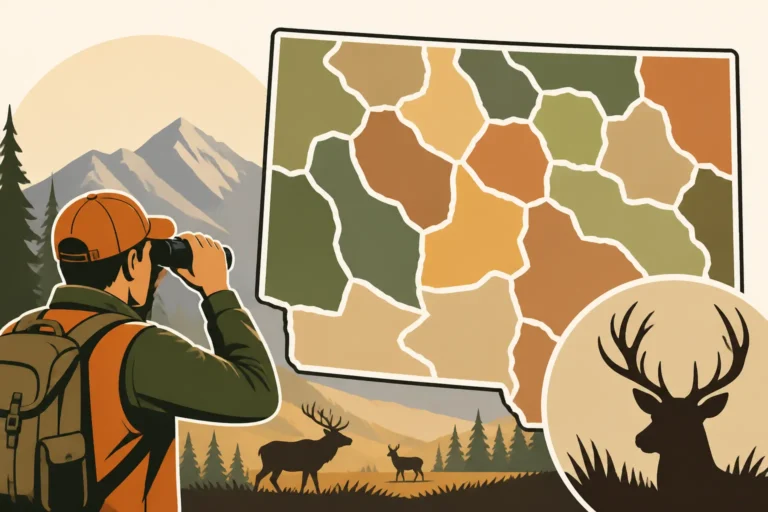
While you generally don't need a BLM permit for hunting, you absolutely must know and follow all specific regulations set by the Wyoming Game and Fish Department for your chosen hunt area and species. Wyoming's hunting regulations are highly specific, varying significantly from one hunt area to another, even for the same species. What's legal in one unit might not be in an adjacent one. For example, some units might have antler point restrictions for deer, while others don't. Elk season dates and even the types of licenses (Type 1 for antlered, Type 6 for antlerless, etc.) can be wildly different.
Before heading into the field, meticulously study the current year's WGFD regulations for your specific hunt area. Pay close attention to season dates, legal shooting hours, weapon restrictions (e.g., What Wyoming Counts as a Legal Firearm for Big Game), bag limits, and any special provisions. Websites like GoHunt provide invaluable resources for researching draw odds, unit information, and compiling critical regulatory details. It's not enough to just have a tag; you need to understand the intricate rules that govern its use in your specific area. Ignorance of the law is never an excuse, and a violation can result in fines, license revocation, and the loss of hunting privileges.
Specific Closures and Restrictions on BLM
Even though BLM lands are generally open, they are not without their specific, often temporary, closures and restrictions. These are put in place for various reasons, including wildlife protection, public safety, or resource management. One of the most common restrictions hunters encounter are Seasonal Winter Range Closures for Big Game. These closures are crucial to protect vulnerable wintering wildlife, such as mule deer and elk, from human disturbance during periods of extreme stress. Disregarding these closures not only harms wildlife but also carries stiff penalties.
Other restrictions might include temporary closures due to extreme fire danger, particularly during dry seasons, prohibiting campfires and sometimes even vehicle use in certain areas. Construction activities, oil and gas operations, or other land management projects can also lead to localized closures or restrictions. It's always a good practice to check with the local BLM field office or the WGFD website for any current alerts or restrictions in your chosen hunt area before you head out. These details are often updated frequently, and staying informed is a key part of responsible public land use.
Planning Your Wyoming Public Land Hunt
Hunting Wyoming's public lands is an incredible adventure, but it's rarely a spontaneous one. Thoughtful planning is the bedrock of a successful and ethical hunt.
Utilizing Online Resources for Planning
In today's digital age, planning a public land hunt in Wyoming has never been more accessible, thanks to a wealth of online resources. The Wyoming Game and Fish Department website is your first stop, offering current regulations, draw odds, and hunt area maps. However, specialized hunting platforms take this a step further. Websites like GoHunt provide in-depth analysis of hunt units, historical draw data, application strategies, and even articles on specific species and tactics. They aggregate information that would take countless hours to gather independently, allowing you to make informed decisions about where and when to apply. Checking Draw Odds Before You Apply is a critical step that platforms like GoHunt make much easier.
Beyond draw odds, these resources, coupled with mapping tools like onX Hunt, allow you to truly e-scout your unit from your kitchen table. You can identify potential bedding areas, water sources, natural funnels, and assess terrain difficulty, all before setting foot in the field. This virtual scouting is invaluable for maximizing your time once you arrive and for developing a solid hunt plan. Make sure to cross-reference information from multiple sources and always refer back to the official WGFD regulations as your final authority.
Physical Preparation and Gear for Public Land
Hunting Wyoming's public lands, especially in the mountains or vast sagebrush basins, is physically demanding. This isn't a stroll through a manicured preserve; it's often a rugged, strenuous pursuit. Whether you're chasing elk in the high country or stalking pronghorn across rolling plains, physical conditioning is paramount. Long hikes with heavy packs, navigating steep terrain, and enduring variable weather conditions require a strong core, endurance, and resilient feet. Start your physical preparation months in advance, incorporating hiking, cardio, and strength training tailored to the demands of your chosen hunt.
Your gear also needs to be up to the task. Reliable optics (binoculars, spotting scope, rangefinder), appropriate layering clothing for rapidly changing temperatures, sturdy boots, and a comfortable, capable backpack are non-negotiables. Don't forget essentials like a first-aid kit, navigation tools (GPS device in addition to your phone app), water filtration, and emergency shelters. For open country hunting, being able to carry enough water is critical. Think through every possible scenario and pack accordingly. Being physically prepared and properly equipped will not only increase your chances of success but, more importantly, ensure your safety and enjoyment in these wild landscapes.
The Advantage of DIY: Freedom and Challenge
For many hunters, pursuing game on Wyoming's vast public lands, without the aid of an outfitter, represents the pinnacle of the hunting experience. It's the ultimate do-it-yourself (DIY) challenge, offering unparalleled freedom and a deep sense of accomplishment. While guides certainly have their place, especially for specific types of hunts or in certain wilderness areas (where non-residents might need them, as explored in Do You Need a Guide to Hunt Wyoming), the DIY public land hunt allows you to completely craft your own adventure. You decide where to go, how to hunt, and when to pack it in.
This freedom comes with a learning curve and demands self-reliance, but the rewards are immense. The challenge of scouting, interpreting sign, making a successful stalk, and packing out your own animal from miles deep in the backcountry fosters a profound connection to the land and the animal. It's a journey of self-discovery and an opportunity to hone your outdoor skills. While it might be intimidating at first, the satisfaction of successfully executing a DIY public land hunt in Wyoming is a memory that will last a lifetime, proving that you don't need a special permit to earn your experience—just a license, determination, and a deep respect for the wild.
Summary of BLM Land Use for Hunters
Here’s a quick overview of what to remember about BLM land and hunting in Wyoming:
| Requirement Category | Specific Item | Required for Hunting? | Notes for Hunters |
|---|---|---|---|
| Hunting Permits | BLM Permit | No | Not required for individual hunting. |
| State Hunting License & Tags | Yes | Essential for all hunting in Wyoming. | |
| Conservation Stamp | Yes | Required for most hunting licenses. | |
| Access | Permission to cross Private Land | Yes | Always needed if crossing private to reach public. |
| Knowledge of Public Land Boundaries | Yes | Use mapping apps like onX Hunt; avoid trespassing. | |
| Camping & Vehicle Use | Dispersed Camping Limits | N/A (Rules Apply) | Generally allowed, but adhere to time limits and Leave No Trace. |
| Motor Vehicle Use Map (MVUM) | N/A (Rules Apply) | Use for legal road/trail identification; no off-road travel. | |
| Other | Hunter Education | Yes (if born after 1965) | State requirement, not BLM. |
| Knowledge of Unit Regulations | Yes | Crucial; rules vary by hunt area and species. | |
| Fire Restrictions | N/A (Rules Apply) | Always check local conditions before starting a fire. |
Disclaimer
This article is for general informational purposes only and does not constitute professional advice. Laws, prices and regulations vary by location and change over time. Consult a qualified professional for guidance on your specific situation.