How Wyoming’s Access Yes Program Works
One of the most frustrating things about hunting in Wyoming, especially for those of us new to a unit or visiting from out of state, is the seemingly endless amount of public land that's totally landlocked by private property. You can see it on your map, the perfect basin, that dark timber stand, just beyond a fence line, and it feels completely out of reach. That's where Wyoming's Access Yes Program steps in, providing crucial solutions to unlock hunting opportunities by securing agreements with private landowners.
The Frustration of Landlocked Public Land in Wyoming
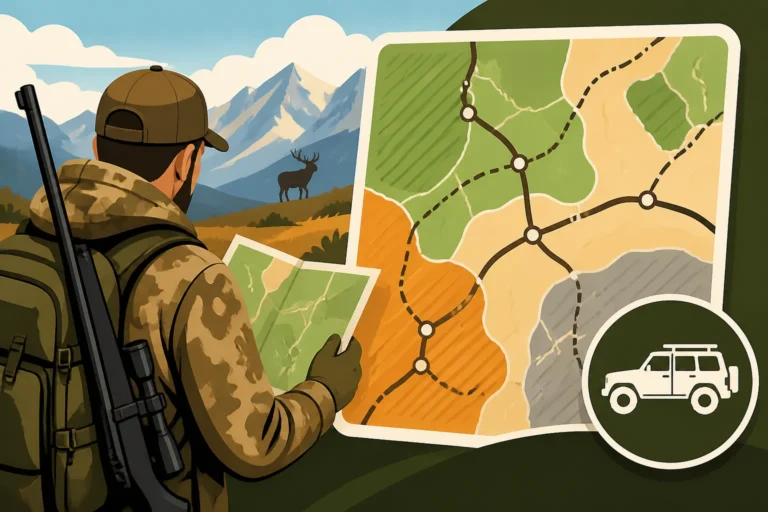
It’s a common scenario: you’re meticulously poring over your hunting maps, perhaps an onX Hunt overlay, and you pinpoint a promising chunk of public land—maybe BLM or National Forest—that looks absolutely perfect for elk or deer. But then you zoom in, and the reality hits you. This prime piece of public ground is entirely surrounded by private property, with no public road or legal access point in sight. It feels like a cruel joke, doesn't it? All that game-rich habitat, sitting there, taunting you from behind a barbed-wire fence.
The Checkerboard Problem: Why Public Land is Often Inaccessible
Wyoming, like many Western states, faces a unique geographical challenge often referred to as the "checkerboard" land pattern. This isn't just a random arrangement; it's a legacy of historical land grants, particularly those given to railroads in the 19th century. Imagine a massive chessboard laid across the landscape, where every other square is private land and the squares in between are public. While this sounds like it might offer easy access, the reality is far more complex. Often, those alternating public sections are completely boxed in, with no legal way to cross the surrounding private parcels. You can stand at the corner of four sections—two public, two private—and theoretically be touching public land, but stepping across that corner might mean briefly trespassing on private property, which is a big no-no. This kind of arrangement makes How to Reach Landlocked Public Land in Wyoming a constant puzzle for hunters.
The feeling of seeing prime hunting habitat just out of reach can be incredibly disheartening. You’ve done your homework, found the ideal spot, only to realize that getting boots on the ground requires navigating a maze of private ownership. It's a significant barrier, especially for those who rely on public access for their hunts. This Checkerboard Land and Wyoming Access dynamic is one of the primary reasons programs like Access Yes are so vital.
Beyond the Obvious Road Access: How Even Seemingly Accessible Parcels Can Be Tricky
Sometimes, the access issue isn't as clear-cut as a full checkerboard. You might see a gravel road leading towards public land on your map, giving you a glimmer of hope. But then you arrive, and a "Private Road – No Trespassing" sign greets you, or perhaps it's an easement that only covers specific uses, not general public access for hunting. What seemed like a clear path turns into another dead end. These subtle nuances in land ownership and access rights can make even seemingly straightforward navigation incredibly tricky.
It's not just about main roads either. Sometimes, a tiny finger of public land might connect to a larger block, but that finger itself is only accessible by crossing private ground, or it's so narrow it becomes impractical to use without infringing on someone else's property. Hunters often talk about the frustration of being "so close, yet so far"—seeing game moving on public ground from a county road, knowing it’s impossible to get to without an official access agreement. This is where Access Yes becomes a game-changer, turning those locked-up areas into legitimate hunting opportunities.
Understanding Wyoming's Access Yes Program
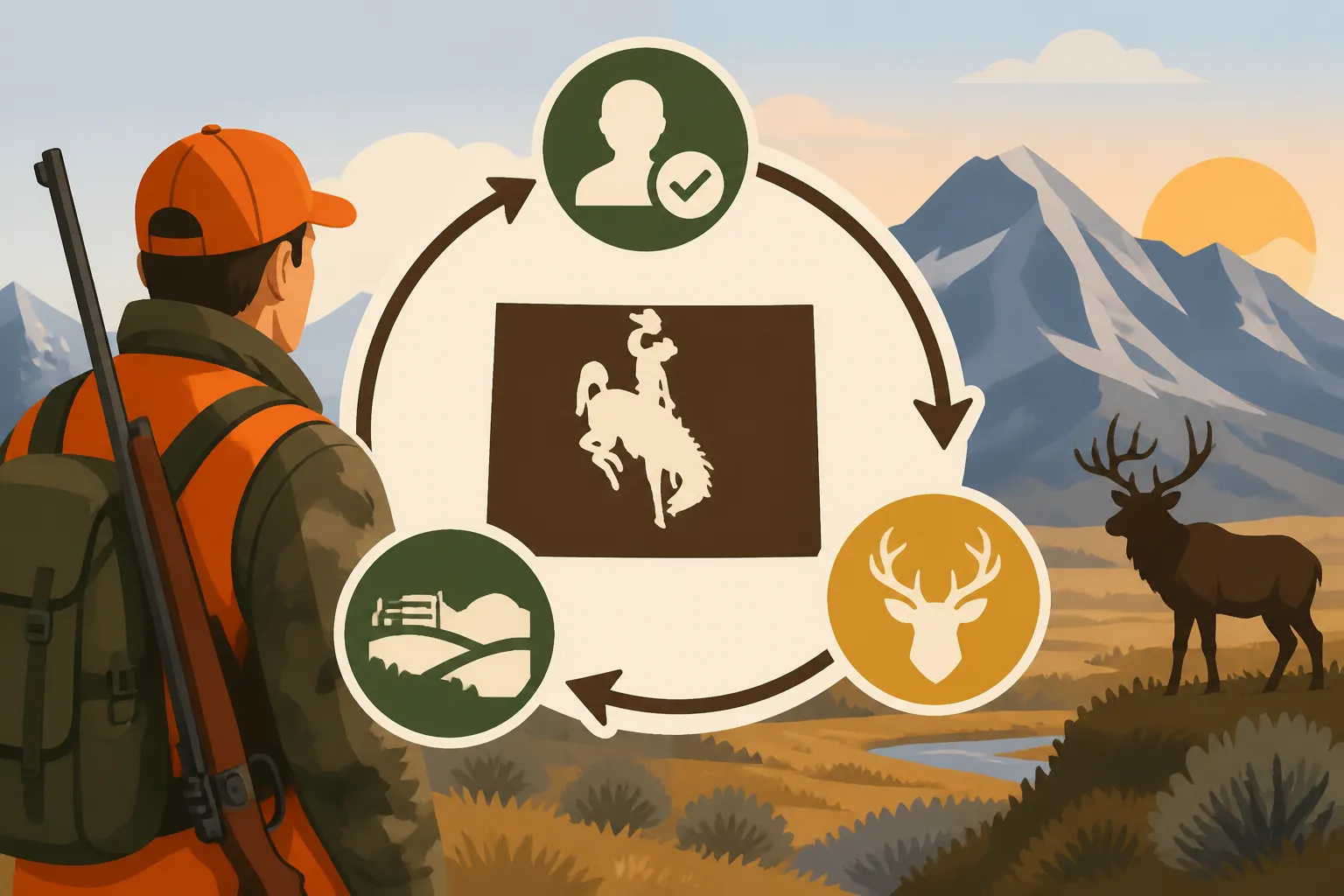
The Access Yes Program is a true testament to collaboration in the hunting world. It's not just a government handout; it's a critical partnership between the Wyoming Game and Fish Department (WGFD) and private landowners who are willing to open up their properties, or provide passage across their properties, for public hunting and fishing. For many hunters, especially those without connections to private landowners or the resources to hire an outfitter, this program is an absolute lifeline to Western hunting experiences.
What is Access Yes and How Does It Operate?
At its core, Access Yes is designed to enhance public access to both private and inaccessible public lands for hunting and fishing. The Wyoming Game and Fish Department enters into agreements with landowners, compensating them for allowing public access. This compensation can vary, covering things like weed control, fence maintenance, or simply acknowledging the opportunity cost for the landowner. It's a win-win: landowners receive support for their property management, and hunters gain legal, ethical access to new grounds.
The program isn't just about unlocking isolated public parcels; it also opens up vast tracts of private ranchland that would otherwise be entirely off-limits. This is huge, considering the significant amount of private land across Wyoming. The funds for these agreements largely come from the sale of the Wyoming's Conservation Stamp and Who Needs One, as well as donations from conservation groups and individual hunters. It's a direct way for hunters to contribute to the very access that makes their sport possible, creating a sustainable model for public access. In essence, Access Yes Opens Private Wyoming Ground to Public Hunters directly addresses the access challenges.
The Two Main Types of Access Yes Areas
When you start digging into the Access Yes program, you'll quickly realize there are two primary categories of areas: Walk-In Areas (WIAs) and Hunter Management Areas (HMAs). While both are part of Access Yes, they operate with distinct rules and procedures, and understanding the difference is key to planning a successful hunt. Mistaking one for the other can lead to a ruined hunt or, worse, a violation.
WIAs are generally simpler and offer more direct, no-fuss access, often for day-use activities or specific seasons. HMAs, on the other hand, involve a bit more planning and require hunters to obtain a permission slip, acting as a crucial management tool to distribute pressure and maintain a good relationship with the cooperating landowner. Both types provide incredible opportunities, but they demand different approaches from the hunter.
Diving Deeper into Walk-In Areas (WIAs)
Walk-In Areas are perhaps the most straightforward and user-friendly aspect of the Access Yes Program. They are designed to give hunters relatively unrestricted access, making them a fantastic option for impromptu hunts or when you're looking to explore new territory without a lot of red tape. Think of them as open invitations from landowners, facilitated by the WGFD, for you to get out there and enjoy the hunt.
No Permission Slip Needed: Freedom to Roam
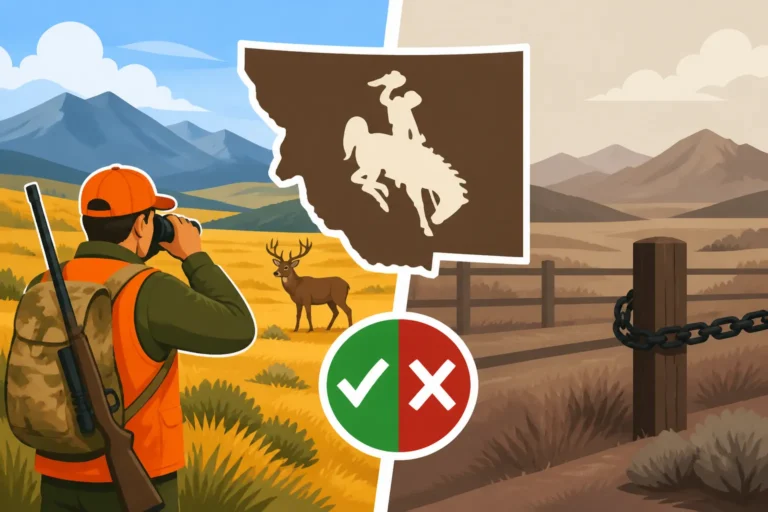
The beauty of a Walk-In Area is right there in the name: you can literally walk in without needing to call ahead, fill out a form, or wait for approval. This freedom is incredibly liberating, especially for hunters who appreciate spontaneity or are traveling through multiple areas. Walk-In Hunting Areas Need No Permission Slip is the golden rule here. You simply show up, park in the designated area (usually marked with distinctive yellow signs), and head out on foot.
These areas often provide seasonal access, meaning they might be open for certain species during specific times of the year, perhaps for a late-season deer hunt or an early antelope archery opener. Many WIAs are strategically located to unlock access to landlocked public parcels, allowing hunters to traverse private ground to reach BLM or State Trust Land. This is where your mapping apps like GoHunt or onX Hunt become invaluable, helping you visualize the WIA boundaries and the public land beyond. You can often find Finding Walk-In Area Maps by County on the WGFD website, offering detailed boundary information and species-specific notes.
The simplicity is a huge draw. Imagine having a free day and seeing a small WIA sign, knowing you can pull over, grab your gear, and immediately start hunting without any prior arrangements. This direct access promotes more hunting opportunities and helps spread out pressure from other popular public access points.
Rules and Respect on Walk-In Areas
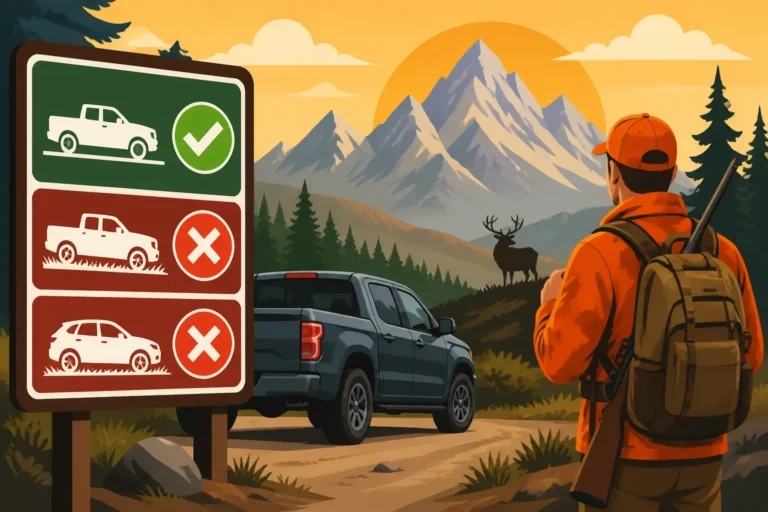
While WIAs offer fantastic freedom, they are not a free-for-all. Every WIA has specific rules that must be adhered to. These rules are usually posted on signs at the access points and detailed on the WGFD's online maps. The most common rule, as the name implies, is "walk-in" only—meaning no motorized vehicles are allowed beyond the designated parking areas. This preserves the wilderness feel, minimizes disturbance to wildlife, and protects the landowner's property from vehicular damage.
It's absolutely critical to respect the boundaries. Just because you're on a WIA doesn't mean the entire world around you is open. Always know exactly where the WIA ends and other private land begins, using your GPS or mapping tools to stay legal. Where Game and Fish Posts Access Area Maps should be your first stop for detailed information. Leaving no trace is also paramount. Pack out everything you pack in, and then some. Treat the land, and the landowner's generosity, with the utmost respect. This program thrives on positive relationships, and one bad apple can spoil access for everyone. Remember, these are privileges, not entitlements, and treating them as such ensures the program continues to grow and benefit hunters for years to come.
Navigating Hunter Management Areas (HMAs)
Hunter Management Areas represent another crucial facet of the Access Yes Program, often offering access to larger, more intensely managed private lands. While they require a bit more upfront planning than WIAs, HMAs provide access to some fantastic hunting grounds that might otherwise be completely inaccessible. The key difference, and the most important thing to remember, is the permission slip.
The Critical Step: Obtaining Permission Slips
Unlike Walk-In Areas, Hunter Management Areas Do Need One —a permission slip, that is. This isn't just a suggestion; it's a mandatory requirement to hunt on an HMA. The reason for this added step is management. HMAs often cover larger areas, might involve specific quotas for hunters or species, and allow landowners more control over how their property is used by the public. This helps prevent overcrowding, reduces stress on wildlife, and ensures that the landowner's generosity isn't abused.
Obtaining a permission slip is usually done online through the Wyoming Game and Fish Department's website, or sometimes via phone. You'll typically need to select the specific HMA you wish to hunt, choose your desired dates, and specify the species you're pursuing. Availability can be limited, especially for popular areas or prime hunting dates, so planning ahead is crucial. It’s not uncommon for slips to become available a few weeks or a month before the hunting season opens, and they can go quickly. Always print out your permission slip and carry it with you in the field, along with your hunting license and other required documents. Think of it as your official pass to a special, exclusive hunting opportunity.
HMA-Specific Rules and Management
Every Hunter Management Area comes with its own set of unique rules and regulations, often more detailed than those for a WIA. These specific guidelines are designed to align with the landowner's objectives and the WGFD's wildlife management goals for that particular area. You might encounter rules regarding specific entry and exit points, designated parking areas, limitations on weapon types (e.g., archery only), or even restricted travel to certain parts of the property. For example, some HMAs might only allow antlerless deer harvest, or restrict elk hunting to specific unit types.
The permission slip itself will usually outline these rules, but it’s always a good idea to consult the WGFD’s online HMA maps and descriptions before you go. These maps will show you everything from boundaries to parking areas to any special instructions from the landowner. Reading a Motor Vehicle Use Map can also be important for understanding any motorized travel restrictions, even if you’re only accessing via a public road to reach the HMA boundary. By adhering to these rules, you're not just staying legal; you're also helping to maintain the landowner's trust and ensuring the continued success of the Access Yes program, which directly benefits all public land hunters in Wyoming.
Maximizing Your Hunt with Access Yes
Now that we've covered the ins and outs of Access Yes, let's talk about how to make the most of these incredible opportunities. Simply knowing the program exists isn't enough; strategic planning and a responsible mindset are what turn access into successful, memorable hunts. It’s about being prepared and respectful.
Researching and Planning Your Access Yes Hunt
The first step to maximizing your Access Yes hunt is thorough research. Start by visiting the Wyoming Game and Fish Department's Access Yes webpage. This is your primary resource for everything from maps to rules to contact information for specific HMAs. The WGFD website will have the most current and accurate information.
Next, integrate this information with your digital mapping tools. Platforms like onX Hunt are indispensable for visualizing WIA and HMA boundaries, identifying adjacent public lands, and understanding the topography. You can layer this information with satellite imagery to conduct extensive E-Scouting a Unit Before the Season Opens. Look for pinch points, water sources, bedding areas, and travel corridors that intersect with the Access Yes parcels. GoHunt's mapping tools can also be incredibly helpful for this detailed research, providing valuable insights into potential game movement and habitat use within and around these access areas.
Don't forget to check the specific seasonal closures and regulations for each Access Yes area. Some WIAs and HMAs might have different opening and closing dates than the general season in the surrounding hunt unit, or they might be restricted to certain species or weapon types. Always confirm these details to avoid any surprises in the field. This detailed planning can often reveal hidden gems that others might overlook.
Ethical Considerations and Hunter Responsibility
Hunting on Access Yes lands is a privilege, not a right. This might sound cliché, but it's a fundamental truth that underpins the entire program. Landowners are voluntarily opening their private property (or allowing passage across it) for your enjoyment, and treating that generosity with anything less than the utmost respect jeopardizes the program for everyone. Every hunter on an Access Yes property is an ambassador for the hunting community.
This means strictly adhering to all posted rules, whether they're about vehicle use, designated parking, or specific hunting methods. It means packing out all your trash—and if you see someone else's, consider packing that out too. It means being mindful of fences, gates, and any infrastructure on the property. If you encounter livestock, give them a wide berth. If you see something amiss, like a damaged fence or a gate left open, consider reporting it to the WGFD or the landowner if contact information is provided.
Proper game retrieval is also paramount. If you harvest an animal on an Access Yes property, ensure you have a clear plan for retrieving it without damaging crops, disturbing livestock, or creating unnecessary vehicle tracks. When in doubt, call the WGFD or the landowner for guidance. Our collective adherence to these ethical considerations is what builds and maintains trust, encouraging more landowners to participate and ensuring that Access Yes continues to provide invaluable opportunities for public land hunters in Wyoming.
Comparative Overview and Key Takeaways
The Access Yes Program is a dynamic and essential component of Wyoming's hunting landscape. By understanding its nuances and respecting its principles, hunters can unlock a wealth of opportunities that might otherwise remain hidden behind private fences. It's a win-win system that benefits landowners, wildlife, and, most importantly, the dedicated public land hunter.
WIA vs. HMA: A Quick Comparison
To help clarify the differences between Walk-In Areas and Hunter Management Areas, here's a quick comparison table:
| Feature | Walk-In Area (WIA) | Hunter Management Area (HMA) |
|---|---|---|
| Permission Slip Required? | No | Yes (typically online via WGFD) |
| Access Control | Generally unrestricted (walk-in only) | Managed via permission slips, quotas, specific entry points |
| Primary Goal | Provide direct, simple public access | Manage hunter pressure, specific wildlife goals, landowner control |
| Rules | General rules posted at site, minimal landowner contact | Detailed, HMA-specific rules and instructions via slip/website |
| Land Type | Private land and/or access to landlocked public land | Primarily private land, often larger ranches |
| Hunting Pressure | Can be higher due to ease of access, less regulated | Managed through limited slips, often lower pressure |
| Planning Required | Minimal (check map, rules) | Moderate to high (obtain slip, research specific rules, timing) |
This table highlights that while both offer valuable access, HMAs require more proactive planning and adherence to specific management instructions, while WIAs offer a simpler, more immediate way to get into the field.
The Future of Access Yes
The success of the Access Yes Program relies heavily on continued funding and the good behavior of hunters. The revenue from things like The Wyoming Conservation Stamp and What It Costs directly feeds into the program, making these landowner agreements possible. Without these funds, and without hunters consistently demonstrating respect for private property and the program's rules, the future of Access Yes would be uncertain.
Challenges will always exist—balancing hunter demand with landowner comfort, adapting to changing land uses, and addressing evolving wildlife management needs. However, the program has proven to be incredibly effective in opening up hundreds of thousands of acres for public recreation. As hunters, our role is clear: support the program through license and stamp purchases, educate ourselves on the rules, and always act as responsible stewards of the land. By doing so, we ensure that the legacy of public hunting access in Wyoming continues to thrive, offering countless future opportunities to pursue game across this incredible state.
Disclaimer
This article is for general informational purposes only and does not constitute professional advice. Laws, prices and regulations vary by location and change over time. Consult a qualified professional for guidance on your specific situation.