Hunter Management Areas Do Need One
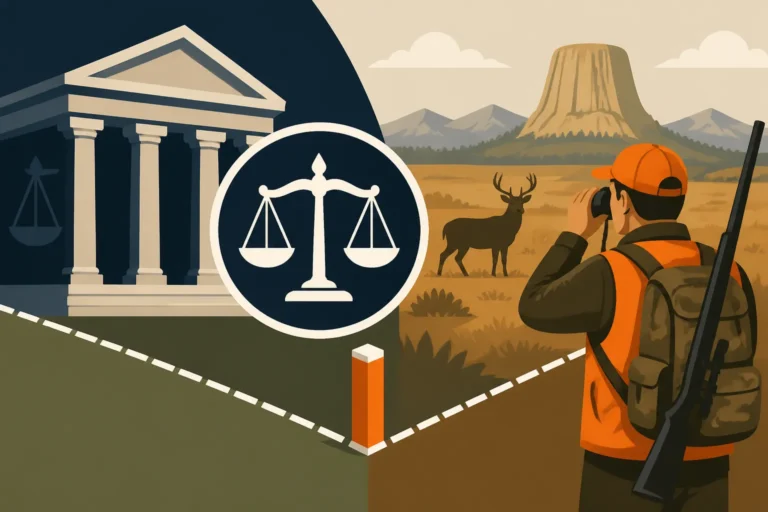
Navigating public land access for hunting in Wyoming can feel like deciphering a cryptic puzzle, especially when you encounter signs that say "Hunter Management Area" and realize it's not quite the same as a regular piece of public ground. That moment of confusion when you wonder, "Wait, do I need permission for this public land?" is completely valid. This comprehensive guide is here to untangle the specifics of Wyoming's Hunter Management Areas, explaining exactly why they require a permission slip, how to get one, and how to make the most of these unique hunting opportunities.
Understanding Wyoming's Hunter Management Areas
Wyoming is renowned for its vast expanses of public land, but not all access is created equal. Hunter Management Areas, or HMAs, represent a special category of public-private partnerships designed to enhance hunting opportunities by providing regulated access to private land and sometimes otherwise landlocked public parcels.
What Exactly is an HMA?
Imagine a landscape where private ranches border or even checkerboard federal and state lands. Without special arrangements, much of this private ground would be off-limits, and public parcels might be inaccessible without crossing private property. This is where Hunter Management Areas step in. HMAs are parcels of private land, sometimes mixed with adjoining public land, that landowners have voluntarily enrolled in the Wyoming Game and Fish Department's Access Yes program. In exchange for allowing public hunting access under specific conditions, landowners often receive compensation and help with managing wildlife on their property. It’s a win-win: landowners get support, and hunters get more places to pursue game.
These areas aren't just random patches; they are carefully managed to ensure sustainable hunting and to protect the landowner's property and operations. The boundaries are typically well-marked, and specific rules are put in place for each HMA, which might include restrictions on vehicle use, allowed species, or even the time of day you can hunt. Understanding these nuances is key to a successful and legal hunt.
The Purpose Behind HMAs
The primary goal of the HMA program is to provide additional hunting access, particularly in areas where private land dominates the landscape or where public land is fragmented. Wyoming recognizes the immense value of hunting to its residents and nonresidents alike, but also respects private property rights. HMAs bridge this gap, creating opportunities that might otherwise not exist. They help distribute hunting pressure, potentially reducing overcrowding in more traditional public land areas, and often open up prime habitat that might hold excellent populations of deer, antelope, or even elk.
For landowners, participating in an HMA offers benefits like habitat improvement projects, weed control, and better management of game populations that might be causing agricultural damage. It's a cooperative conservation effort that leverages the goodwill of private landowners for the public good of hunting. The program ensures that hunters have a place to go and that landowners feel their property is respected and not simply overrun.
How HMAs Differ from Walk-In Areas
It's easy to confuse HMAs with "Walk-In Areas" (WIAs) because both are part of the broader Access Yes program. However, there's a crucial distinction, and it boils down to that permission slip. Walk-In Hunting Areas Need No Permission Slip, and that's their defining characteristic. You can quite literally walk onto a WIA during the open season without any prior contact or permit. They are simpler, more spontaneous access points, usually smaller in scale.
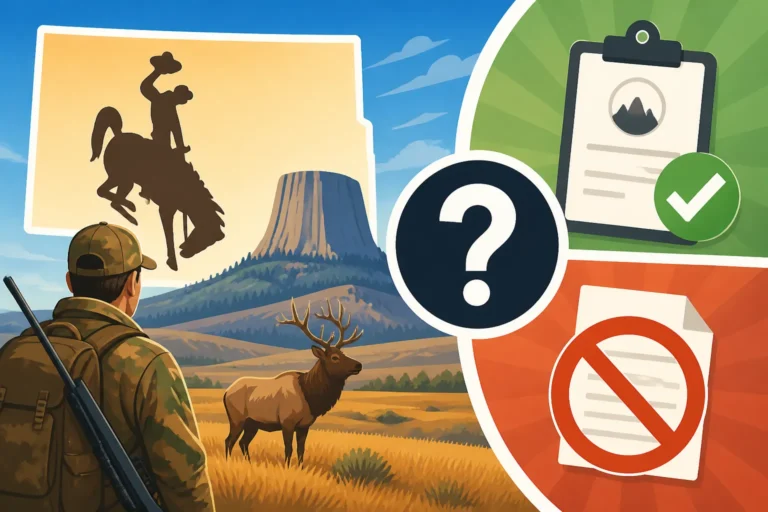
HMAs, on the other hand, always require an online permission slip. This extra step allows the Game and Fish Department, and by extension the landowner, to manage hunter numbers more effectively, communicate specific rules, and track usage. Think of it like a reservation system for hunting. While both programs aim to expand access, the HMA's structured approach allows for management of larger or more sensitive private land tracts where unregulated access might quickly lead to problems. This is why getting your permission slip for an HMA isn't just a suggestion, it's a hard and fast rule.
Here’s a quick comparison:
| Feature | Hunter Management Areas (HMAs) | Walk-In Areas (WIAs) |
|---|---|---|
| Permission Required? | Yes, mandatory online permission slip | No, open access during designated seasons |
| Primary Goal | Managed access to private/landlocked public land | Unrestricted access to private land |
| Management | Higher level of management, specific rules, quotas | Generally fewer specific rules beyond regulations |
| Access Control | Limits hunter numbers, tracks usage | First-come, first-served, often smaller areas |
| Land Ownership | Mostly private, often with public land components | Primarily private land, usually smaller tracts |
| How to Access | Obtain slip via WGFD website (or apps like GoHunt) | Walk-in during season, check signage |
The Mandatory Permission Slip: Why and How
The permission slip is the cornerstone of the HMA system. It's not just a piece of paper; it's your agreement to abide by the specific rules of that HMA, and it's how the state and landowners manage the hunting experience.
Why a Permission Slip is Required for HMAs
The requirement for a permission slip in Hunter Management Areas serves several vital functions. First and foremost, it’s about managing hunter density. Many HMAs are located on private ranches where over-pressuring game or having too many hunters in a confined space could quickly degrade the hunting quality or create safety concerns. The permission slip allows the Game and Fish Department to set daily or seasonal quotas for each HMA, ensuring that only a manageable number of hunters are present at any given time. This helps maintain a quality experience and prevents game animals from being pushed off the property.
Secondly, it's a crucial communication tool. When you obtain your slip, you are explicitly acknowledging the unique rules and regulations for that specific HMA. These rules might be tailored to protect agricultural operations, livestock, or sensitive wildlife habitat. For example, an HMA might prohibit vehicle use off designated roads, limit hunting to specific species, or have certain entry/exit points. Without the slip, there would be no clear way to ensure hunters are aware of and agree to these conditions. It's a legal and ethical contract between you, the state, and the landowner.
The Step-by-Step Process to Obtain Your HMA Slip
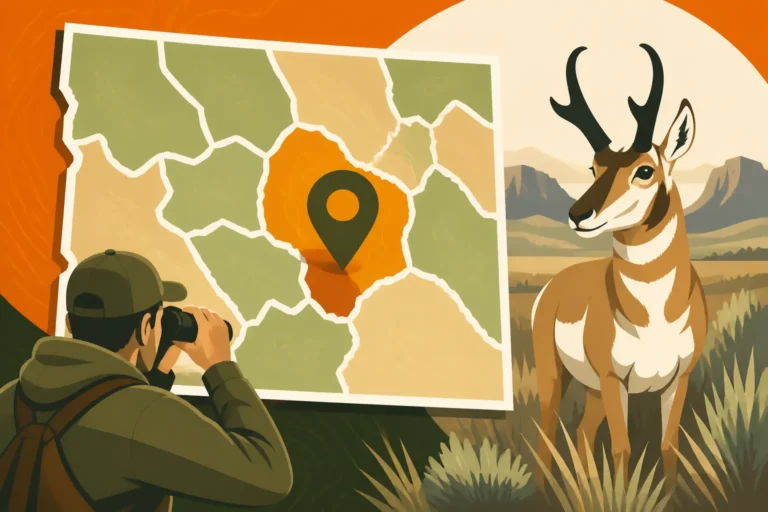
Getting an HMA permission slip is surprisingly straightforward, thanks to online systems. The first step is usually to identify the HMA you wish to hunt. You can do this by checking the Wyoming Game and Fish Department (WGFD) website, where they have interactive maps and detailed descriptions of each HMA. Some hunters also use tools like E-Scouting a Unit Before the Season Opens to identify potential HMAs and then confirm their details on the WGFD site.
Once you've identified an HMA, you'll visit the WGFD Access Yes portal online. You'll need to create an account if you don't already have one. From there, you navigate to the specific HMA, check its current status (some have specific open/closed dates, or are already at capacity for a given day), and request your permission slip. The system will guide you through confirming your identity, agreeing to the HMA rules, and then generating your printable slip. It’s imperative that you print this slip and carry it with you while hunting in that HMA, as law enforcement or game wardens may ask to see it. It's truly your golden ticket.
Many hunters also use mapping applications like onX Hunt, which often integrate HMA boundaries and access points, and sometimes even link directly to the WGFD portal to get your slip. This streamlines the process of finding an HMA and securing the necessary permission, making it easier than ever to plan your hunt.
Important Information on Your HMA Permission Slip
Don't just print your HMA permission slip and toss it in your pack without a glance. This document is packed with critical information that could make or break your hunt, and keep you on the right side of the law and the landowner. Each slip will clearly state the specific HMA you are authorized to hunt, the dates for which the permission is valid, and the hunter's name. It will also typically outline species-specific regulations that apply within that HMA, which might be more restrictive than general statewide rules. For example, an HMA might be open only for antlerless deer, even if a general license for bucks is valid in the broader hunt area.
Beyond the basics, pay close attention to the special conditions listed. These often include rules regarding vehicle travel (e.g., "no off-road travel," "stay on designated two-tracks only"), whether ATVs/UTVs are allowed, specific parking areas, or even designated entry and exit points. There might be stipulations about shooting distances from buildings or livestock, or restrictions on where you can gut or process game. Some HMAs even have specific times of day for access. Ignoring these conditions can lead to your permission being revoked, future access denied, or even legal repercussions. Always read every detail to ensure you’re hunting respectfully and legally.
Navigating HMAs: Tools and Best Practices
Once you have your permission slip in hand, the real fun begins: planning and executing your hunt. But even with permission, HMAs require a thoughtful approach to ensure a successful and respectful experience.
Using Mapping Apps for HMA Boundaries and Access
Modern technology has revolutionized how hunters interact with land, and this is especially true for navigating Hunter Management Areas. Digital mapping applications are invaluable. Services like onX Hunt clearly delineate HMA boundaries, often showing the underlying land ownership (private, BLM, National Forest, State Trust Land) within the HMA. This visual clarity is essential for staying within the permitted hunting area and avoiding accidental trespass onto adjacent private ground that isn't part of the HMA. Being able to see these boundaries in real-time on your phone or GPS device is a game-changer, eliminating much of the guesswork that used to plague hunters relying solely on paper maps.
Beyond just boundaries, these apps often highlight access roads, parking areas, and designated entry points, all of which are crucial pieces of information usually specified on your HMA permission slip. For example, if your slip states "Access via County Road 14 only, park at designated pull-off," your mapping app can show you precisely where that is. Pairing your HMA slip with a robust mapping app can significantly reduce pre-hunt scouting time and prevent missteps in the field, allowing you to focus more on the hunt itself. Remember that while these apps are powerful, they should always be used in conjunction with the official WGFD HMA maps and regulations to ensure accuracy. When looking for Where Game and Fish Posts Access Area Maps, you'll often find direct links to these digital resources.
Respecting HMA Rules and Landowner Expectations
Hunting an HMA is a privilege, not an inherent right, and treating it as such is paramount. The specific rules outlined on your permission slip and on HMA signage are non-negotiable. This means adhering strictly to vehicle restrictions, whether it's staying on two-track roads or parking only in designated areas. Landowners often have working ranches within HMAs, and careless driving or parking can disrupt their operations, damage property, or even endanger livestock. Think about the impact of your actions: will leaving a gate open compromise a rancher's cattle? Will driving off-road create ruts that cause erosion?
Beyond the printed rules, common courtesy goes a long way. If you encounter livestock, give them a wide berth. If you see ranch employees, a friendly wave and a brief conversation can foster good relationships. Remember, the landowner voluntarily opened their property for you to hunt. Their primary expectation is that you will respect their land, their livelihood, and the wildlife. Violating these rules or showing disrespect can jeopardize the HMA program for everyone, potentially leading to the closure of that HMA in the future.
Planning Your Hunt within an HMA
Effective planning for an HMA hunt involves a blend of research, adherence to rules, and practical considerations. First, thoroughly study the specific HMA map provided by WGFD and on your permission slip. Note the topography, water sources, and any existing game trails. Consider the species you're hunting and their likely movements within that specific area. For instance, if you're chasing mule deer, look for Terrain That Hides an Approach or preferred bedding areas. If it's pronghorn, you'll be thinking about Playing Wind Direction on an Open Sagebrush Stalk and how their excellent eyesight impacts your approach.
Next, factor in the HMA's unique rules. If vehicle access is limited, you need to be prepared to walk significant distances from designated parking. This might mean adjusting your gear list or physical conditioning. If there are designated hunting days or hours, plan your schedule accordingly. Use resources like the WGFD hunt planner and tools like GoHunt to research harvest statistics and draw odds for the general hunt area that encompasses your HMA. This comprehensive approach ensures you're not only legal but also putting yourself in the best position for success while respecting the unique conditions of the Hunter Management Area.
Benefits and Challenges of Hunting HMAs
Hunter Management Areas offer a distinctive experience for hunters, coming with both unique advantages and some inherent hurdles that savvy hunters learn to navigate.
The Advantages of Hunting in HMAs
One of the most significant advantages of hunting in HMAs is the opportunity to access private land that would otherwise be completely off-limits. This often translates to less hunting pressure than what you might find on heavily used public lands, potentially leading to encounters with more mature or less wary animals. Many HMAs are located on prime agricultural or riparian areas, which are magnets for game animals, especially deer and antelope seeking forage or water. Wyoming's Pronghorn Population Estimate Explained often highlights that some of the best antelope country is intermingled with private ranch land, and HMAs unlock this potential.
Furthermore, because access is managed through permission slips, hunter numbers are often capped, ensuring a more solitary and high-quality hunting experience. You won't typically find yourself competing with dozens of other hunters for the same piece of ground. For nonresidents, HMAs can be particularly attractive, as they offer structured access to well-managed areas without the significant cost of hiring a fully guided outfitter, though Do Nonresidents Need a Guide to Hunt Wyoming is still a critical question to answer for certain wilderness areas. HMAs are a fantastic way to experience the vastness of Wyoming's landscapes and its incredible wildlife.
Common Challenges and How to Overcome Them
While HMAs are great, they do come with their own set of challenges. The most obvious is the limited access. Some HMAs have very strict quotas, and slips can fill up quickly, especially for popular seasons or prime areas. This means you need to plan ahead, check the WGFD website frequently, and be ready to apply for your slip as soon as it becomes available. Another challenge is that rules can be highly specific and vary significantly from one HMA to another. What's allowed in one HMA might be strictly prohibited in an adjacent one. It's crucial not to assume rules are universal.
Overcoming these challenges requires diligence and adaptability. Keep a calendar of when HMA slips become available and set reminders. Be flexible with your hunting dates if possible. Always re-read the rules for each HMA every time you hunt it, as they can occasionally change. For areas with limited vehicle access, investing in good quality hiking boots, a comfortable pack, and knowing your physical limits are essential. Being prepared to put in the foot miles will open up more ground for you and reduce reliance on vehicle access. Think of it as a bonus workout for your hunt!
HMA Success Stories and What They Teach Us
Numerous hunters recount successful HMA hunts each year, often crediting the managed access for their good fortune. Imagine a scenario: a hunter diligently checks the WGFD website and secures an HMA slip for an area known for good mule deer. Upon arrival, they find only a few other vehicles, and the vastness of the private ranch, usually off-limits, is open before them. By walking a few miles beyond where most hunters typically stop, they discover a secluded draw holding a mature buck. This isn't just luck; it's the HMA system working as intended, providing quality hunting to those who do their homework and respect the rules.
These stories teach us that patience, preparation, and respect are key. Hunters who treat HMAs as a precious resource, adhering to every rule and actively leaving no trace, are the ones who consistently find success and help ensure these programs continue. They often use tools like onX Public Land Layers in Wyoming to understand the nuances of the landscape and plan their approach meticulously. HMA hunts often require a bit more effort in the planning stages than simply heading to national forest ground, but the reward of less crowded areas and access to prime habitat often makes that extra effort well worth it.
Beyond HMAs: Other Access Programs in Wyoming
While HMAs are fantastic, they are just one piece of the larger puzzle of hunting access in Wyoming. Understanding the broader landscape of public and private land access will make you a more versatile and effective hunter.
The Broader Access Yes Program
Hunter Management Areas are actually a component of the larger "Access Yes" program run by the Wyoming Game and Fish Department. How Wyoming's Access Yes Program Works is all about fostering partnerships with private landowners to open up private land or provide access to landlocked public land for hunting and fishing. Beyond HMAs, Access Yes also includes the "Walk-In Area" (WIA) program, which we touched on earlier, offering simpler, no-permission-needed access to designated private lands.
The beauty of Access Yes is its flexibility and scale. It's designed to provide diverse opportunities, from large-scale HMAs that might host multiple hunters daily to smaller WIAs perfect for a quick afternoon hunt. Hunters benefit immensely from this program, gaining access to hundreds of thousands of acres that would otherwise be inaccessible. When planning your hunt, always check the Access Yes program maps and listings on the WGFD website to discover the full range of possibilities available in your chosen Hunting Areas That Limit Your Weapon Choice or for your target species.
State Trust Lands: A Different Set of Rules
Another important category of land in Wyoming is State Trust Land. These are parcels of land owned by the state, managed by the Office of State Lands and Investments, with revenues often going to support public education. Wyoming State Trust Land Hunting is generally permitted without a special permission slip, but there are specific rules and etiquette to follow. Unlike federal lands (BLM or National Forest), which are managed for multiple uses including recreation, State Trust Lands are managed to generate revenue, so their primary purpose is economic.
Access to State Trust Lands is only legal if the parcel is legally accessible—meaning it borders public land, or you have landowner permission to cross private property to reach it. Corner crossing, while recently affirmed as legal in Wyoming, still requires careful attention to ensure you don't physically touch private land. Once on State Trust Land, respect for any agricultural uses (like grazing cattle) is paramount. They often don't have the extensive signage you find on federal lands, so using a mapping app like GoHunt or onX Hunt to clearly identify boundaries is non-negotiable. Always treat State Trust Lands with the utmost respect, as their continued availability for hunting depends on responsible use.
National Forest and BLM Lands: Your Go-To Public Ground
For many hunters, the vast tracts of National Forest and Bureau of Land Management (BLM) lands are the backbone of Wyoming hunting. These federal lands represent the largest amount of publicly accessible hunting ground and are generally open to hunting during legal seasons without special permission slips, beyond your standard license and tags, of course. For example, knowing Do You Need a BLM Permit to Hunt Wyoming will help you understand that generally, you do not need a permit beyond your hunting license for basic hunting activities.
Within these federal lands, you’ll find everything from rugged mountain wilderness in the Bridger-Teton and Shoshone National Forests to the expansive sagebrush seas of the Red Desert managed by the BLM. While these areas are generally "open," they do have their own set of rules, including Reading a Motor Vehicle Use Map to understand where you can and cannot drive, and regulations regarding camping and fire restrictions. Despite their vastness, even these lands can see significant hunting pressure in popular areas, so knowing how to find unpressured zones is crucial. Learning about specific elk units like A Full List of Wyoming's Elk Hunt Units or general deer areas will help you narrow down your search for suitable public hunting. Whether you're chasing elk high in the mountains or antelope across the plains, these federal lands offer quintessential Wyoming hunting experiences.
Disclaimer
This article is for general informational purposes only and does not constitute professional advice. Laws, prices and regulations vary by location and change over time. Consult a qualified professional for guidance on your specific situation.