Getting Into the Absaroka Range
The Absaroka Range in Wyoming is one of those places that calls to a hunter's soul, but it's also a place that can chew up and spit out the unprepared. Its sheer vastness, rugged peaks, and deep canyons present incredible opportunities for big game, but the challenge of actually getting into those remote, game-rich basins can feel insurmountable for many. This guide is all about demystifying access to the Absaroka, helping you understand the terrain, the rules, and the strategies you'll need to turn a dream hunt into a hard-earned reality.
Understanding the Absaroka Range and Its Hunting Challenges
The Absaroka Range is a formidable stretch of mountains, primarily located within the Shoshone National Forest in northwest Wyoming, extending into Montana. It's a place of breathtaking beauty, but also of immense physical challenge. Before you even think about putting boots on the ground, you need a realistic understanding of what you're up against.
Geographical Overview and Terrain
Imagine a landscape forged by ancient volcanoes and carved by glaciers. That's the Absaroka. Its terrain is characterized by jagged, often volcanic peaks, deep, heavily timbered drainages, and high alpine plateaus that stretch for miles. Elevations routinely soar above 10,000 feet, with many passes exceeding 11,000 feet, and some peaks pushing past 12,000. This isn't rolling hill country; it's vertical, demanding, and utterly wild. The timber is often dense and can be a maze of deadfall, while the open country at higher elevations is exposed to the elements. Water is usually plentiful in the form of high-country lakes, snowmelt streams, and rivers, but knowing where reliable sources are is critical. Navigating this environment means constant uphill and downhill travel, often through thick cover or over rocky, uneven ground.
Key Species and Hunting Opportunities
The Absarokas hold a reputation as prime big game country, and for good reason. It's home to robust populations of elk and mule deer, often with some truly impressive animals calling these mountains home. You'll also find a healthy number of black bears, and in specific areas, grizzlies. For those lucky enough to draw a tag, Shiras moose and bighorn sheep also inhabit parts of the range, though those tags are among the hardest to come by in the West. The hunting opportunities here are primarily for true backcountry experiences – think multi-day packing trips, wall tents, and hunts far from any road. This is not a place for road hunting or quick day trips for most big game. It demands commitment, self-sufficiency, and a willingness to embrace the wild. Hunters often target high-elevation basins for summer range elk and deer, eventually following them down into timbered drainages as the seasons progress and snow begins to fall.
The Wilderness Aspect and Its Implications
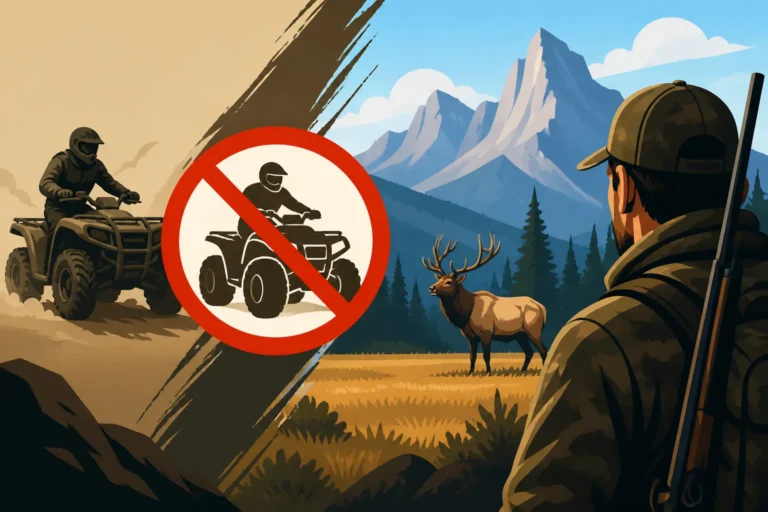
A significant portion of the Absaroka Range falls within designated Wilderness Areas, notably parts of The Rules Inside Absaroka-Beartooth Wilderness and the Teton Wilderness. These designations come with strict rules designed to preserve their pristine nature, and these rules have major implications for hunters. Most importantly, motorized vehicles of any kind – ATVs, dirt bikes, even mountain bikes or electric bicycles – are strictly prohibited. Motorized Limits Inside Wyoming Wilderness. This means all access beyond the trailhead is on foot or horseback. For nonresident hunters, there's another crucial rule: if you're hunting elk, deer, or moose in a designated Wilderness Area, you must employ a licensed Wyoming outfitter or be accompanied by a resident guide who has filed the necessary paperwork. This is often referred to as Wyoming's Wilderness Guide Law and is a key consideration for nonresidents planning a hunt here. Wyoming's Wilderness Areas and the Guide Rule. These regulations ensure that the Absaroka retains its wild character, but they also add layers of planning and expense to your hunt.
Navigating Access Points and Trailheads
Once you've wrapped your head around the scale and rules of the Absaroka, the next step is figuring out how to actually get into it. This is where diligent planning and the right tools become your best friends.
Primary Access Corridors
Most access into the Absaroka Range stems from a few key directions. From the north, the gateway is often Cody, Wyoming, leading you towards areas like the North Fork of the Shoshone River or further into the Sunlight Basin. From the east, you might come from Dubois, accessing areas along the East Fork of the Wind River or heading towards the Togwotee Pass region. These main towns and highways (like US-14/16/20 west from Cody or US-26/287 from Dubois) serve as the launchpads. From these main roads, numerous Forest Service roads branch off, leading to various trailheads. It’s crucial to understand that even these Forest Service roads can be rugged, seasonally closed due to snow or mud, and require a capable vehicle. Hunting the Shoshone in Northwest Wyoming will give you a good starting point for understanding the overall forest area.
Trailhead Information and Conditions
Never assume a trailhead is open or accessible. Conditions can change rapidly, especially with Wyoming's unpredictable weather. Heavy snow in the spring can keep high-elevation trailheads closed well into July, while early fall storms can block access much earlier than expected. Washouts from heavy rains or timber operations can also create unexpected closures. Before heading out, always check with the local U.S. Forest Service Ranger District offices that manage the specific area you plan to enter. These offices, such as the Cody or Dubois Ranger Districts, are invaluable resources for current road and trail conditions, potential closures, and bear activity reports. They can tell you if the creek crossing is running too high or if a particular bridge is out. Many trailheads offer limited parking, and if you're bringing pack animals, look for trailheads with designated stock facilities or ample space for trailers.
Utilizing Mapping Tools for Route Planning
In a place as vast and intricate as the Absaroka, high-quality mapping tools are non-negotiable. Digital mapping applications, like onX Hunt, have revolutionized how hunters plan and execute backcountry trips. These platforms allow you to scout from your living room, identifying trailheads, existing trails, land ownership boundaries (which are critical in checkerboard patterns common in the West), and potential game corridors. You can layer on topographic maps, satellite imagery, and even historical burn data to find hidden pockets of forage or escape cover. GoHunt is another excellent resource, offering not just mapping capabilities but also detailed draw odds and unit information that can help you select the right area for your hunt. Both of these tools allow you to download maps for offline use, which is absolutely vital since cell service is non-existent deep in the Absarokas. Marking waypoints for trail junctions, water sources, potential camp spots, and even game sign you find during your e-scouting can save you precious time and effort once you're on the ground. Always carry a physical map and compass as a backup, because electronics can fail.
Strategies for Effective Access and Deeper Penetration
Getting to a trailhead is one thing; getting miles deep into the Absaroka and staying there effectively is another. This requires a strategy tailored to the wilderness environment.
The Role of Pack Animals and Outfitters
For many, the only realistic way to access the most remote and productive areas of the Absaroka, and to stay there for an extended hunt, is with pack animals. Horses and mules can carry significant loads, allowing you to bring in comfortable camps, more food, and most importantly, pack out meat and trophies without killing yourself on the hike back. If you don't own your own stock or have the expertise to pack them, hiring a pack string outfitter is a fantastic option. These outfitters specialize in getting you and your gear (and often your kill) deep into the wilderness. They can offer fully guided hunts, where they provide everything from horses to food to guiding services, or they can arrange "drop camps." A drop camp involves them packing you and your gear into a pre-arranged backcountry camp, leaving you to hunt independently, and then returning on a scheduled date to pack you out. Pack String Outfitters Working in Wyoming can often provide incredible access to areas that would be impossible to reach on foot with heavy gear. This service significantly reduces the physical toll and logistical nightmare of a long backcountry hunt.
Backpacking and DIY Considerations
For the truly hardy, a self-supported backpacking hunt is an option. This demands extreme physical fitness, meticulous gear choices to minimize weight, and advanced wilderness navigation and survival skills. Every ounce in your pack counts, so ultralight gear for shelter, cooking, and sleeping is essential. Water filters are critical, as carrying enough water for days is impractical. Food planning focuses on high-calorie, lightweight options. The biggest challenge for backpack hunters is often packing out an animal, especially something as large as an elk. It usually means multiple trips, often taking an entire day or more just for recovery, which can be exhausting and dangerous in steep, rugged terrain. Hunters often break down game into manageable loads, making several trips, or use a game cart on the very limited trails where it's feasible (but remember, no wheeled devices in designated wilderness). You need to be completely self-reliant, prepared for any emergency, and comfortable being alone in a vast, untamed landscape for days on end. Planning a DIY Public Land Hunt in Wyoming will give you more context on the general principles.
Understanding Wilderness Regulations for Motorized Use
It's worth reiterating the critical aspect of wilderness regulations: absolutely no motorized vehicles or mechanical transport is allowed. This includes mountain bikes, electric bikes, and even wheeled game carts. The intent is to maintain the primitive and unroaded character of these lands. For hunters, this means your hunt starts and ends on foot or horseback at the wilderness boundary. Plan your kill and recovery strategy with this in mind. If you down an animal deep in a wilderness area, you'll be quartering it and packing it out, piece by laborious piece, on your back or on a pack animal. There's no calling for an ATV extraction. Understanding these limitations fundamentally shapes your planning, from how far you're willing to venture in, to the size of animal you might realistically target if you're alone. You also need to know that not all of the Absaroka is wilderness, so it's vital to Reading a Motor Vehicle Use Map to ensure you're in compliance with regulations if you plan to use any vehicle up to the designated boundary.
Essential Preparation for an Absaroka Hunt
A hunt in the Absaroka Range is not a casual affair. It's an expedition that demands thorough preparation, both physically and mentally.
Physical and Mental Conditioning
Let's be blunt: if you're not in excellent physical shape, the Absarokas will break you. The sheer scale of the vertical climbs, the long miles covered daily, and the altitude (often 8,000-11,000 feet) demand cardiovascular endurance, leg strength, and overall robustness. Start training months in advance, incorporating hiking with a weighted pack, stair climbing, and general strength and cardio workouts. Don't forget to train your core; it's vital for stability on uneven terrain and carrying heavy loads. Beyond the physical, the mental game is just as important. You'll be isolated, facing unpredictable weather, potentially frustrating hunting conditions, and the immense physical and mental challenge of packing out an animal. Developing resilience, a positive mindset, and the ability to push through discomfort are crucial. Practice problem-solving and staying calm under pressure. Physical Conditioning for a Mountain Hunt is not just a suggestion; it's a requirement for a safe and successful Absaroka experience.
Gear and Equipment Specifics
Your gear choices can make or break an Absaroka hunt. Investing in high-quality, reliable equipment is paramount.
- Boots: Without a doubt, the most important piece of gear. You need sturdy, waterproof, supportive boots with excellent ankle support and aggressive tread, broken in long before your hunt.
- Layering System: Temperatures can swing wildly, from freezing nights to warm midday sun, and sudden snowstorms are common. A versatile layering system, including a good base layer, insulating mid-layers, and a waterproof/windproof outer shell, is essential.
- Shelter: Whether it's a lightweight backpacking tent or a robust wall tent for a drop camp, ensure it's rated for four-season conditions and can withstand strong winds and heavy snow.
- Navigation: A reliable GPS unit with pre-loaded maps (including offline onX Hunt maps), a physical map of your area, and a compass are all indispensable. Know how to use them all.
- Water Filtration: A high-quality water filter or purification tablets are a must.
- Bear Spray: You are in grizzly country. Carry bear spray, know how to use it, and have it readily accessible. Food Storage Rules in Grizzly Country are also critical to follow for safety.
- First-Aid Kit: A comprehensive wilderness first-aid kit is non-negotiable, along with knowledge of how to use its contents.
- Communication: A satellite messenger (like a Garmin inReach or Zoleo) is essential for emergency communication when out of cell service. Satellite Communication From a Hunting Camp can truly be a lifesaver.
- Optics: High-quality binoculars and a spotting scope are vital for glassing vast mountainsides.
Safety and Emergency Planning
Safety should be your top priority. Before you leave home, create a detailed trip plan and leave it with a trusted person who knows when to expect to hear from you and when to initiate emergency contact. This plan should include your exact hunting area, anticipated routes, dates of entry and exit, and contact information for local authorities (Forest Service, sheriff's office). Carry your satellite messenger and understand how to use its SOS function. Be prepared for rapidly changing weather, including sudden blizzards even in September. Know how to build a fire in wet conditions and carry emergency fire starters. Understand the signs of hypothermia and altitude sickness, and how to treat them. In grizzly country, not only carry bear spray, but also be aware of your surroundings, make noise in thick cover, and secure all food and scented items away from your camp. Practice good firearm safety, especially when navigating difficult terrain with a loaded weapon. Remember, Do Nonresidents Need a Guide to Hunt Wyoming? if you're in wilderness areas, and if you have one, they will be a huge asset in emergency situations.
| Aspect of Access | DIY Backpacking (Unassisted) | Pack Animal Drop Camp (Assisted) | Fully Guided Hunt (Assisted) |
|---|---|---|---|
| Physical Demands | Extreme – All weight carried by hunter | Moderate to High – Weight carried by animals | Moderate to High – Focus on hunting, not packing |
| Gear Required | Ultralight, self-sufficient for all needs | Camp gear provided, personal gear by hunter | Minimal personal gear, all camp/hunting gear provided |
| Wilderness Navigation | Essential – Complete self-reliance | Essential – Still responsible for hunting | Guided by professional, less personal navigation focus |
| Cost | Lowest (license, personal gear) | Moderate (pack services, license, gear) | Highest (outfitter fees, license, tips) |
| Game Recovery | Most Challenging – Multiple trips, heavy loads | Easier – Animals pack out quarters | Easiest – Guides handle recovery and packing |
| Comfort Level | Basic, minimalist | Moderate – Wall tent, more amenities | Highest – Dedicated camp, cooked meals, support |
| Prep Time | Extensive (physical, gear, scouting) | Moderate (coordinate with outfitter, gear) | Moderate (coordinate with outfitter, physical prep) |
The Absaroka Range offers some of the most profound and challenging hunting experiences in Wyoming. It's not a place for the faint of heart or the unprepared, but with the right mindset, thorough planning, and respect for its wild nature, it can deliver unforgettable adventures and the opportunity to pursue big game in truly spectacular country. Understanding its unique challenges, knowing your access options, and preparing diligently are your keys to success.
Disclaimer
This article is for general informational purposes only and does not constitute professional advice. Laws, prices and regulations vary by location and change over time. Consult a qualified professional for guidance on your specific situation.