Why Wyoming Elk Dates Vary So Much by Area
If you've ever tried to plan a Wyoming elk hunt, you've probably felt that pang of confusion when looking at the season dates. It's not just one blanket season; instead, you're faced with a dizzying array of start and end times that seem to change from one mountain range to the next, even within what feels like the same general area. This can be incredibly frustrating when you're just trying to figure out when you can even hunt! This guide will break down exactly why Wyoming's elk season dates are so incredibly varied by area, helping you understand the logic behind the complexity so you can plan your next adventure with confidence.
Understanding Why Wyoming Elk Seasons Aren't Uniform
It's easy to look at the Wyoming Game and Fish Department's regulations and feel like you're trying to solve a puzzle with missing pieces. Why, you might ask, can't they just pick a date for elk season across the state? The truth is, the sheer diversity of Wyoming's landscape, coupled with very specific, localized elk herd management goals, makes a "one-size-fits-all" approach utterly impossible and, frankly, detrimental to the health of the herds we all cherish. Each hunt area is essentially its own ecosystem, with its own challenges and opportunities, and the season dates are a reflection of that intricate reality.
The Complex Dance of Biology, Habitat, and Management
Think of it like this: a high-elevation elk herd that spends its summers in the Teton Wilderness is going to experience vastly different pressures and biological cycles than a herd living year-round in the sagebrush flats of the Red Desert. Their migration patterns are different, their forage is different, and even the timing of their rut can shift. Wildlife managers in Wyoming, often working with limited resources and immense tracts of land, must consider these nuanced differences. They're trying to balance hunter opportunity with herd sustainability, all while navigating the unpredictable whims of weather and public land access issues. It's a constant, complex dance where every factor plays a crucial role in determining when you can legally pursue an elk.
For instance, an early archery season might be designed to capitalize on elk patterns before they're heavily pressured, or to spread hunting effort over a longer period to reduce crowding. A late rifle season, on the other hand, might be intended to harvest more animals from specific herds that are over objective, especially after they've moved down to winter ranges. These decisions aren't arbitrary; they are the result of years of data collection, aerial surveys, and a deep understanding of local elk behavior and habitat use. Ignoring these factors would quickly lead to overharvest in some areas and under-harvest in others, disrupting the delicate balance of these magnificent animals.
Addressing Specific Management Goals for Each Herd
Every elk herd in Wyoming has its own set of management objectives. Some herds are thriving and might need more aggressive harvest strategies to keep their numbers in check with available habitat, especially on private lands where depredation can be an issue. Other herds might be struggling due to harsh winters, disease, or habitat loss, requiring more conservative seasons to allow for recovery and growth. The Wyoming Game and Fish Department sets these objectives with input from biologists, landowners, and the public, creating a tailored plan for each individual herd.
These objectives directly influence the types of licenses offered, the number of tags, and, most importantly for our discussion, the season dates. For example, in an area where managers want to reduce herd numbers, you might see longer seasons, more antlerless tags, or even extended late-season opportunities. Conversely, in an area focused on growing a herd or producing more mature bulls, seasons might be shorter, tags fewer, or restricted to specific weapon types. This localized approach is critical for the long-term health and huntability of Wyoming's elk. You can gain a deeper understanding of these objectives by looking at resources like the "Wyoming Elk Herd Units and Winter Range" reports provided by the state.
How Wyoming Defines Elk Hunt Areas
One of the biggest hurdles for new and even experienced hunters in Wyoming is understanding how the state carves up its vast landscapes into manageable hunting units. Unlike some states that might use larger, more generalized zones, Wyoming takes a much more granular approach, which directly impacts the variation in elk season dates. This system, while initially confusing, is designed to allow for highly specific management.
Deciphering Hunt Area Boundaries
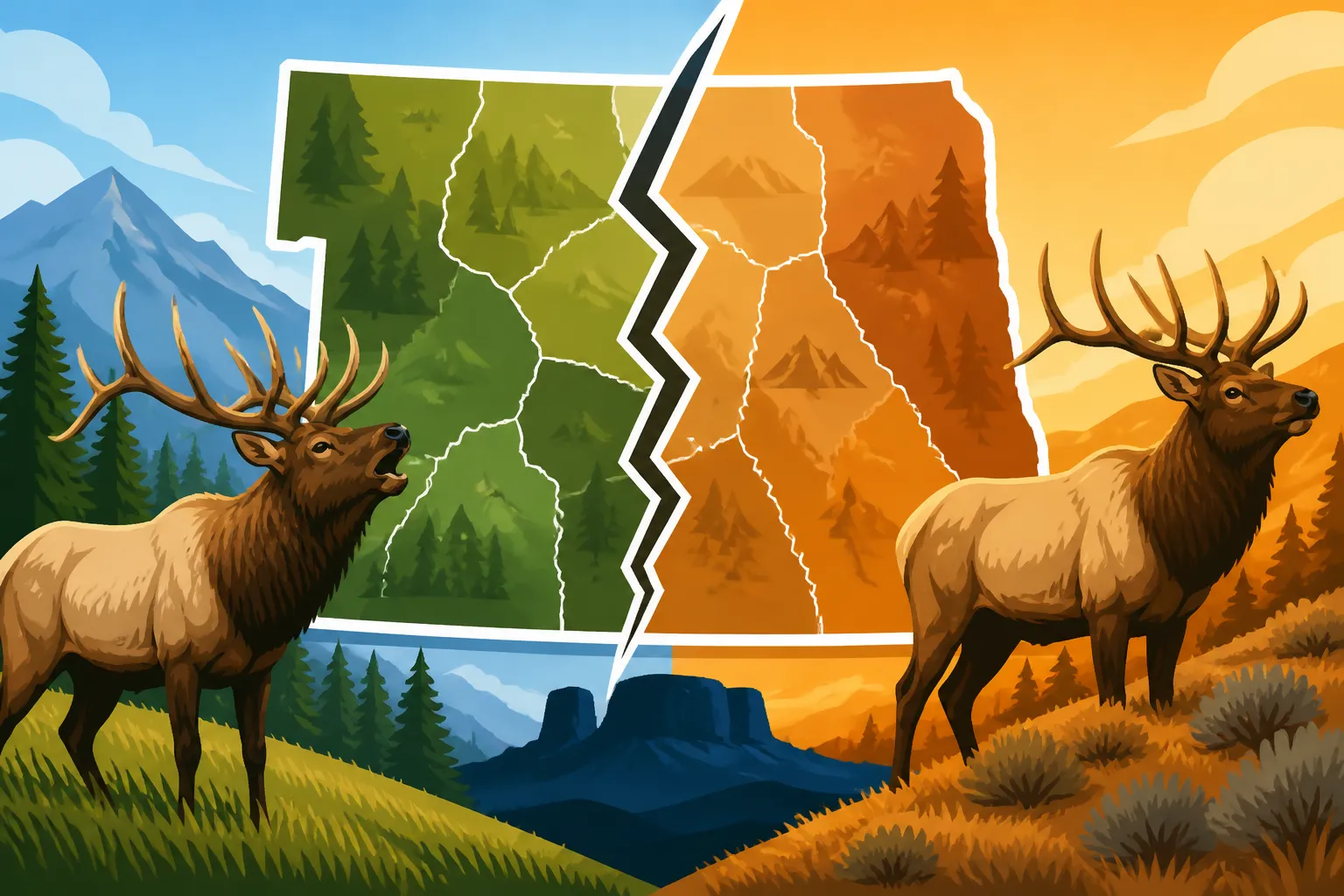
Wyoming is divided into numerous "Hunt Areas," each with its own unique number and set of regulations. These areas are not just arbitrary lines on a map; they are often drawn to encompass distinct elk populations, habitat types, or geographic features that influence elk movements and distribution. For instance, one hunt area might cover a specific mountain range, while an adjacent one might include the foothills and agricultural lands where those same elk migrate during different times of the year. This precision allows wildlife managers to apply very specific harvest strategies to each localized elk group.
When you're trying to figure out when Wyoming elk dates vary so much by area, the first step is always to identify the specific hunt area you're interested in. The regulations are then broken down by these individual areas. You'll find that one hunt area might have an archery season running through September, followed by a general rifle season in October, while a neighboring area might have a completely different schedule. It’s imperative to consult the official Wyoming Game and Fish Department regulations specific to the exact Hunt Area number you plan to apply for or hunt. A great resource for this is to look at a "A Full List of Wyoming's Elk Hunt Units" to visualize these boundaries.
The Critical Distinction Between General and Limited Quota Areas
Adding another layer of complexity to Wyoming's elk season dates is the distinction between "General" and "Limited Quota" hunt areas. This difference is absolutely critical to understand, as it dictates both your chances of drawing a tag and the types of seasons available.
-
General Licenses: These licenses allow hunting in any designated "General" hunt area during the specified general season dates for that area. While still requiring a draw for nonresidents, general licenses offer more flexibility in terms of location once you've drawn. The seasons for general licenses tend to be more standardized across the general areas, but they still vary by hunt area based on localized conditions. For example, some general areas might open earlier than others due to specific management needs or to coincide with the rut in certain ecosystems. Hunters often refer to "Wyoming General Elk Licenses and Where They Work" when planning their general season hunts.
-
Limited Quota Licenses: These are specific tags allocated to a particular hunt area (or a few combined areas) and are always tied to a very precise set of season dates and weapon types. The number of tags is strictly limited, and drawing one often requires accumulating preference points over several years, especially for coveted areas with high trophy potential. The season dates for Limited Quota Elk Areas Closed to General Licenses in Wyoming are highly tailored to the biological needs and management goals of that specific herd unit, often designed to optimize harvest of mature animals or to manage localized populations very precisely. It's in these limited quota areas that you'll see the most significant and specialized variations in season dates, sometimes with archery-only windows, specific bull seasons, or late-season cow hunts.
Biological Imperatives: What Drives Season Structure
At the heart of Wyoming's varied elk season dates are the biological needs of the elk themselves and the management goals designed to sustain healthy populations. Wildlife biologists are constantly monitoring elk herds, collecting data on everything from calf recruitment to bull-to-cow ratios, and the season dates are a direct tool they use to influence these biological metrics.
Timing the Rut for Optimal Bull Harvest
One of the most exciting times to hunt elk is during the rut, when bulls are actively bugling, sparring, and herding cows. Many archery and early rifle seasons are strategically set to overlap with the peak of the rut, typically in late September and early October. This timing offers hunters a prime opportunity to call in bulls and increases the chances of a successful harvest, particularly for antlered tags. However, the exact timing of the rut can shift slightly from year to year and from one region to another due to environmental factors like temperature and forage availability.
Managers leverage this by adjusting season dates to either coincide with or avoid the rut, depending on their objectives. If a herd needs more mature bulls, seasons might be pushed later, past the peak rut, to give those big boys a chance to breed and disperse. If bull harvest is a priority, opening dates will align with the anticipated start of the bugling. This precision in timing helps ensure a sustainable harvest while maximizing the hunting experience, making the question of "When the Elk Rut Actually Peaks Out West" a critical one for many hunters.
Protecting Vulnerable Winter Range and Calving Grounds
Wyoming winters can be brutal, and elk depend on specific winter ranges to survive. These areas often have critical forage and thermal cover, making them vital for the herd's survival. Similarly, calving grounds, usually in secluded, secure areas, are essential for cows to give birth and for calves to have their best chance at survival in their first vulnerable weeks. Season dates are carefully crafted to protect these critical habitats.
You'll often find that seasons close well before elk are expected to move onto their main winter ranges, or before calving begins in the spring. This minimizes disturbance during these highly vulnerable periods, reducing stress on the animals and ensuring their long-term health. In some areas, late-season hunts might specifically target elk on winter range, but these are generally carefully controlled hunts designed to reduce overpopulation in specific wintering areas, often in conjunction with feedgrounds. Understanding "Wyoming Elk Herd Units and Winter Range" is key to appreciating this aspect of season setting.
The Impact of Chronic Wasting Disease and Brucellosis Management
Unfortunately, disease management has become an increasingly significant factor in setting Wyoming's elk season dates. Chronic Wasting Disease (CWD) and brucellosis are serious concerns for elk populations, and hunting regulations are sometimes used as a tool to help control their spread.
For CWD, which is invariably fatal, strategies might include extending seasons or increasing antlerless tags in areas with high prevalence to reduce overall herd density and slow transmission. The aim is to remove more animals from the population, potentially including infected ones, to mitigate the disease's impact. Similarly, brucellosis, which can cause abortions in elk and can be transmitted to livestock, prompts specific management actions. In areas near cattle operations or where brucellosis is prevalent, there might be targeted late-season cow hunts designed to reduce elk numbers and minimize contact with domestic animals. The presence of these diseases, particularly around "How Many Elk Feedgrounds Wyoming Still Runs," adds another layer of complexity to season setting, as managers grapple with difficult decisions to protect both wildlife and agricultural interests.
Geographic and Climatic Influences on Elk Hunting Dates
Wyoming is a state of incredible geographical diversity, from towering mountain peaks to vast sagebrush plains. This varied terrain, combined with dynamic weather patterns, creates vastly different conditions for elk and, consequently, demands different approaches to hunting season dates. You simply can't treat the elk in the Wind River Range the same way you treat those in the Black Hills, and the season dates reflect that reality.
From High Mountains to Open Plains: Different Ecosystems, Different Rules
The elevation and habitat type of a hunt area profoundly influence when elk seasons occur. In high-country mountain units, where elk summer in alpine meadows and spend their winters at lower elevations, seasons are often structured around these migratory movements. Archery seasons might open in August or early September in the high country, before snow pushes elk down. Rifle seasons often align with their descent, allowing hunters to intercept animals in transition or once they've reached accessible lower areas.
Conversely, in more open, prairie-like hunt areas, where elk might not undertake such dramatic migrations, season dates could be more consistent or extend later into the year. These elk are often found in river bottoms, isolated breaks, or agricultural fields. The hunting methods, and thus the optimal season timing, are completely different. What might be an early archery season in the high mountains could be a late-season rifle hunt on the plains to target elk after crop harvest. This geographical specialization is why "Wyoming Elk Season Dates Are Set Hunt Area by Hunt Area" is such a fundamental principle.
The Unpredictable Role of Snowfall and Drought
Weather is perhaps the most unpredictable, yet undeniably powerful, force shaping Wyoming's elk seasons. Early heavy snowfalls can push elk off high summer ranges weeks ahead of schedule, concentrating them in lower, more accessible areas. This can sometimes lead to emergency season changes or closures if populations become too vulnerable. Conversely, mild winters and droughts can keep elk spread out or delay their migration, impacting hunter success and potentially necessitating adjustments in future season planning.
Managers must consider historical weather patterns and be prepared to respond to current conditions. A severe winter can decimate a herd, leading to more conservative seasons in subsequent years, as we saw with some deer herds after the brutal 2022-23 winter. A series of mild winters, on the other hand, might allow a herd to grow beyond objective, prompting more liberal seasons. These climatic factors are a constant variable in the annual dance of setting season dates, making it clear why flexibility and local adaptation are so crucial for Wyoming's wildlife management.
Deciphering Wyoming's Elk License Types and Their Season Implications
Beyond understanding the hunt areas and biological drivers, the type of elk license you draw is perhaps the most direct factor dictating when you can hunt. Wyoming offers a variety of license types, each with specific privileges, restrictions, and, most importantly, associated season dates. This system allows for precise management of different segments of the elk population.
Beyond Type 1: Exploring Cow, Calf, and Archery-Specific Tags
When most people think of an elk tag, they probably picture a "Type 1" license, which is typically for an antlered bull. However, Wyoming offers many other license types, and each one comes with its own unique set of season dates and permitted hunt areas:
- Type 1 (Antlered Bull): These are the most sought-after tags, typically for any antlered elk. Their season dates are often timed to coincide with the rut or migration, and they can vary significantly between hunt areas. Understanding "What a Wyoming Type 1 Elk License Means" is your first step.
- Type 2 (Antlered Bull): Similar to Type 1, but might have different season dates or be specific to certain areas.
- Type 4 & 5 (Antlerless Elk): These are typically for cows or calves. Seasons for these tags are often set outside the bull rut, sometimes earlier or much later in the year, particularly after the main rifle seasons for bulls have concluded. These are crucial tools for herd reduction in areas over objective.
- Type 6 & 7 (Cow/Calf): These tags specifically target cow or calf elk and usually have much longer or later seasons. These are often easier to draw for nonresidents and can provide excellent opportunities for meat hunters or those looking for a different hunting experience. Learning "Which Animals a Type 6 Elk License Covers" will show you the flexibility this tag provides.
- Type 9 (Archery Only): These licenses are for archery-specific seasons, which almost always precede general firearm seasons. They often have an earlier start, typically in September, allowing bowhunters to pursue elk during the rut when bulls are vocal. Even if you draw a general license (Type 1-7), you still need to purchase a separate archery stamp and adhere to the archery-only season dates in your designated hunt area.
The implication here is massive: depending on the license type you hold, your legal hunting window could be entirely different, even within the same geographical hunt area. This allows managers to exert very fine-tuned control over the harvest of bulls, cows, or even just certain age classes.
Strategic Application: Aligning Your License Choice with Desired Hunt Dates
Given the variety of license types and their associated season dates, strategic application is paramount. If your dream is to chase bugling bulls with a rifle, you'll be looking for specific Type 1 or 2 tags in hunt areas known for early rifle seasons that overlap with the rut. If you're a bowhunter, you'll be focusing on Type 1, 2, 4, 5, 6, or 7 tags that specifically allow for archery-only seasons. And if you're primarily interested in filling your freezer, a Type 6 or 7 cow/calf tag might offer longer seasons and better draw odds.
This is where planning tools become invaluable. Websites and applications like GoHunt provide detailed breakdowns of draw odds, success rates, and crucially, the specific season dates for each license type in every hunt area. They can help you sift through the complex regulations and identify which license types and hunt areas align with your preferred hunting style and availability. Being flexible with your desired dates or license type can significantly impact your draw success and hunting opportunities. For instance, if you're a nonresident, it's vital to be aware of "Wyoming Nonresident Elk Applications Close in Early February" to ensure you don't miss the deadline for your chosen license type.
Mastering the Planning Process for Wyoming's Varied Elk Seasons
Given the complexity of Wyoming's elk season dates, simply showing up with a tag isn't enough. A successful hunt, especially for nonresidents, hinges on meticulous planning, thorough research, and a deep understanding of how to navigate the state's regulations. It's an investment of time, but one that pays off exponentially in the field.
Utilizing Resources to Pinpoint Your Preferred Hunt Dates
The sheer volume of information can be overwhelming, but thankfully, there are excellent resources available to help you pinpoint the best hunt dates for your goals. The official Wyoming Game and Fish Department website is your primary source for regulations, but sometimes interpreting them can be a challenge. That's where additional tools and services shine.
Platforms like GoHunt offer comprehensive data analysis, breaking down draw odds, unit information, and, critically, season dates by hunt area and license type. They aggregate historical data and often present it in a much more digestible format than raw regulation books. These tools allow you to filter by specific criteria, such as "archery only" or "late season cow hunt," helping you narrow down your options quickly. They can also assist with "E-Scouting a Unit Before the Season Opens," giving you a virtual tour of the terrain and potential elk hotspots. Don't be afraid to cross-reference multiple sources; checking the official regulations against third-party analysis will confirm you have the most accurate and up-to-date information.
The Importance of Early Planning and Application Deadlines
I can't stress this enough: early planning is not just an advantage in Wyoming; it's an absolute necessity. The application periods for big game licenses, especially elk, occur many months before the actual hunting seasons. For nonresidents, the application deadline for elk tags typically falls in early February, while "Wyoming Elk Draw Results Come in May." This means you need to have your hunt area and license type decided almost a year in advance of your desired hunt.
This advanced timeline allows you to do several things:
- Research Draw Odds: Before committing to an application, you can assess "Checking Draw Odds Before You Apply" for various hunt areas and license types. This helps you make an informed decision about where to apply, especially if you're trying to build preference points.
- Coordinate with Partners: If you're hunting with friends or family, early planning ensures everyone is on the same page regarding hunt dates and application choices.
- Secure Time Off: Knowing your potential hunt dates well in advance gives you ample time to request vacation days or adjust your work schedule.
- Physical Preparation: Wyoming elk hunting is often physically demanding. An early plan allows you to start your physical training regime well in advance, ensuring you're ready for the rigors of the mountains.
Without this foresight, you risk missing critical application deadlines, applying for a unit with season dates that don't fit your schedule, or simply not being prepared for the hunt of a lifetime. The variation in season dates across Wyoming, while complex, is designed to ensure sustainable elk populations for generations to come. By understanding the reasons behind this complexity and leveraging available resources, you can unlock incredible hunting opportunities in the Cowboy State.
Here's a simplified breakdown of typical season variations you might encounter:
| License Type / Season Focus | Typical Season Timing | Key Management Rationale | Example Hunt Area Context |
|---|---|---|---|
| Archery-Only (Bull/Any) | Early September | Rut coincides with bowhunter advantage, spread hunting pressure. | High mountain units like "What Region G Covers for Elk Hunters" |
| General Rifle (Bull/Any) | Mid-September – Early October | Primary harvest window for bulls, often overlaps with part of the rut. | Mountain foothills, some open country general areas. |
| Late Rifle (Cow/Calf) | Late October – November | Herd reduction in specific areas, especially on winter ranges or near private land. | Areas with high elk populations impacting agriculture. |
| Late Rifle (Bull) | Late November – December | Targeted harvest of specific bulls or animals moving into accessible areas. | Specific limited quota areas for mature bulls. |
| Limited Quota (Bull) | Varies widely | Highly specific management, often timed for trophy quality or unique migratory patterns. | Premium draw areas, often very specific opening/closing dates. |
Disclaimer
Please note that hunting regulations, season dates, and license requirements are subject to change. While this guide provides a comprehensive overview, it is essential to always consult the most current official Wyoming Game and Fish Department regulations for the specific year and hunt area you plan to hunt before making any decisions or purchasing licenses. The information provided here is for general guidance and educational purposes only.