Is the Wyoming Special Draw Worth the Money?
The moment you start looking at Wyoming hunting applications, you're faced with a big question: do you shell out the extra cash for the "special draw" or stick with the regular? It's a common dilemma, and one that causes plenty of headaches for hopeful hunters trying to balance their budget with their dreams of chasing big game across the Cowboy State. This guide will meticulously break down the special draw, its implications, and help you determine if that higher price tag truly makes sense for your hunting ambitions.
Understanding Wyoming's Special Draw Option
Navigating the intricacies of Wyoming's license draw system can feel like deciphering a secret code, and the special draw is often one of the most misunderstood components. Many hunters, especially those new to applying in Wyoming, see the increased cost and immediately shy away, wondering if it's just a way for the state to generate more revenue. While there's certainly an economic aspect to it, the special draw serves a very specific purpose within the allocation system.
What the Special Draw Actually Is
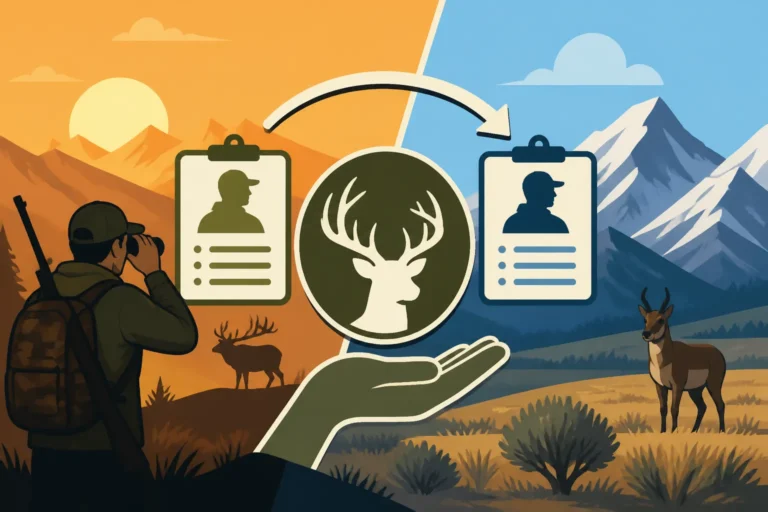
At its core, the special draw is an opportunity to apply for the exact same hunt area and license type as the regular draw, but with significantly better odds of success. It's essentially a separate pool of licenses that are allocated to hunters willing to pay a premium. Think of it as a parallel lottery. When you apply for a limited quota tag in Wyoming – whether it's for elk, deer, or antelope – you have two application choices: the "regular" draw or the "special" draw. These two draws happen simultaneously, drawing from the same pool of available tags for a given unit, but they have their own distinct preference point and random draw categories. A certain percentage of the overall tags (typically 25% for deer and antelope, and up to 40% for elk) are set aside specifically for the special draw applicants, while the remaining licenses go to the regular draw pool. This means fewer applicants are vying for tags in the special draw pool, inherently increasing your statistical chance of drawing.
Comparing Special and Regular License Pricing
The most immediate difference you'll notice between the special and regular draw options is the price tag. This isn't just a small bump; it's a substantial increase that can make a hunter second-guess their strategy. For instance, a nonresident full-price elk license in the regular draw might be one amount, but that same license through the special draw can be almost double. Let's look at some current figures to put this into perspective. The cost for a Wyoming Nonresident Elk License Price can vary, but generally, a regular nonresident elk license for 2024 ran around $722, while the Special Elk License Price was a staggering $1,472. This isn't just for elk; deer and antelope tags see similar proportional increases. You're paying for access to that smaller pool of applicants and thus, better odds. This premium is a deliberate mechanism to provide a distinct advantage to those who prioritize the higher probability of drawing a tag, especially for highly sought-after units or species where regular draw odds are abysmal. It's a significant financial commitment that needs careful consideration against your budget.
The Preference Point Advantage for Special Draw Applicants
Wyoming uses a preference point system for its draws, and this system applies to both the regular and special draws, but they operate independently. When you apply in the special draw, any preference points you accumulate or use are specifically "special draw" points. The same goes for the regular draw. This means you cannot mix and match your points between the two pools. For example, if you've been building regular preference points for elk for five years, those points won't help you in the special draw pool. You'd be starting from scratch in the special draw. However, building points in the special draw offers a distinct advantage because, generally, fewer people are building special draw points. This creates a scenario where the point creep – the increasing number of points needed to draw a tag – might be slower, or the number of points required to draw a coveted tag could be consistently lower in the special draw pool compared to the regular draw. Understanding How Wyoming Awards a Preference Point is crucial here, as is knowing What a Wyoming Elk Preference Point Costs. This separation of point systems is vital to grasp, as it means a long-term strategy requires commitment to one draw type or the other for building points, or applying in both (which doubles your point costs, too).
Evaluating the Odds: When the Special Draw Might Pay Off
The ultimate question for many hunters is whether the increased cost of the special draw actually translates into a worthwhile increase in their chances of success. It's not a uniform answer across all species or hunt areas. The value of the special draw really shines in specific scenarios, particularly when you're targeting those elusive, high-demand tags that often require a decade or more of point accumulation in the regular draw.
Analyzing Draw Success Rates by Species and Unit
To truly understand the benefit, you need to dive into the data. The Wyoming Game and Fish Department publishes draw odds every year, and these are your best friend when trying to make an informed decision. These draw odds will clearly show the success rates for both the regular and special draws, broken down by hunt area and license type. You'll often see that for many general tags, the difference in draw odds between the regular and special draw might not be statistically significant enough to justify the price hike. However, for limited quota tags in premier units, the difference can be massive. For instance, in a particular elk unit, the regular draw might show 5% odds for a hunter with 3 preference points, while the special draw could show 30% odds for a hunter with the same number of points. This is where tools like GoHunt become invaluable. Their Insider platform provides sophisticated draw odds calculators and analysis, letting you compare regular versus special draw success rates side-by-side, often illustrating exactly how many points it takes to draw Wyoming elk in both scenarios. You can plug in your accumulated points and see how much that special draw really boosts your probability for specific hunt areas.
High-Demand Tags Where Special Draw Makes a Difference
Where the special draw truly distinguishes itself is for those highly coveted, once-in-a-lifetime quality tags or simply units known for exceptional animal quality and high demand. These are the units where regular draw odds can be 1% or less, even with a handful of preference points. For mule deer in prime units or elk in areas like Region G, the special draw can cut the required points significantly or elevate your chances from lottery ticket levels to something genuinely plausible within a few years. When Point Creep in Wyoming's Region G makes regular tags seem unattainable, the special draw can sometimes offer a glimmer of hope. For species like bighorn sheep or moose, where tags are extremely limited, even the special draw remains very tough, but it's still a statistically superior option than the regular draw. If your goal is to hunt a specific, trophy-potential unit that sees massive competition, the special draw becomes less of an optional luxury and more of a strategic necessity for shortening your wait time or improving your chances.
Considering Your Personal Hunting Goals
Ultimately, the decision to go with the special draw or not needs to align with your personal hunting goals and timeline. Are you a hunter who simply wants to get a tag in Wyoming, any tag, for any decent animal? If so, the regular draw for a general license or a less-desired unit might be perfectly adequate and save you a lot of money. The general deer or antelope tags are often accessible through the regular draw, sometimes even with zero points. However, if you have a specific unit in mind, one known for producing monster mule deer or giant bulls, and you're willing to invest more to increase your chances of hunting that dream spot within a reasonable timeframe, then the special draw warrants serious consideration. Perhaps you only have a few years left to hunt actively, or you simply don't want to wait 15+ years for a premium tag. In these cases, the special draw effectively buys you better odds and potentially shaves years off your wait. Understanding your own priorities, patience, and financial limits is just as important as scrutinizing the draw odds.
The Financial Reality of Special Draw Applications
Let's be brutally honest: the special draw costs more, sometimes significantly more. This isn't just about the increased price of the license itself, but also about the broader financial implications for your overall hunting strategy. It's easy to get caught up in the excitement of better odds, but neglecting the financial reality can lead to frustration down the line.
Breaking Down the Additional Costs
When you opt for the special draw, you're not just paying a higher license fee; you're also committing to higher costs for preference points if you plan to build them strategically. As mentioned, special draw preference points are separate from regular draw points. So, if you decide to jump into the special draw, you'll start accumulating special draw points, each costing the designated fee. For instance, if you're buying a preference point for elk, deer, or antelope, the special draw fee might be slightly higher or equal to the regular point fee, but the actual license cost is where the difference truly lies. When you finally draw, that larger license fee hits your wallet. For a nonresident, this can mean hundreds, if not over a thousand dollars more, for a single tag. You also need to factor in the application fee, which is typically the same regardless of whether you apply for the regular or special draw. All these costs add up, making it vital to plan your budget well in advance of Wyoming's Four Application Deadlines, February Through June.
| Feature | Regular Draw | Special Draw |
|---|---|---|
| License Cost | Standard price (e.g., ~$722 for NR elk) | Significantly higher (e.g., ~$1,472 for NR elk) |
| Preference Point | Separate pool, often higher point requirements | Separate pool, often lower point requirements |
| Odds of Drawing | Lower (more applicants per tag) | Higher (fewer applicants per tag) |
| Draw System | Wyoming's 75/25 Draw Split Explained applies | Same 75/25 split, but within special draw pool |
| Target Audience | Budget-conscious, patient, general tags | High-demand units, trophy-focused, shorter wait |
The Opportunity Cost of the Special Draw
Beyond the direct costs, there's an "opportunity cost" associated with the special draw. If you're consistently spending significantly more money on special draw tags, that's money you're not putting towards other hunts, gear, or even other states' draws. For a hunter with a limited annual budget, choosing the special draw for one species in Wyoming might mean foregoing an antelope hunt in a different state or upgrading crucial hunting gear. It forces a trade-off. For example, the money saved by applying for a regular draw elk tag, even if it takes longer to draw, could fund a do-it-yourself mule deer hunt in a general unit or pay for better optics. This isn't to say the special draw isn't worth it, but rather to highlight that every financial decision in hunting comes with alternatives. You have to weigh the value of getting a specific tag sooner or with better odds against what you could achieve with those funds elsewhere.
Managing Your Application Strategy and Budget
A successful long-term hunting strategy in a state like Wyoming requires careful budgeting and a clear understanding of the draw system. Many hunters use resources like GoHunt's license application tools not just for odds, but also for budgeting. They help you visualize the cost of applying for points versus a full special draw license. If you're building points, know exactly what that commitment entails. If you plan to apply for a special draw tag, ensure you have the funds readily available for the full license fee once Wyoming Elk Draw Results Come in May. Don't apply for a special draw tag unless you're absolutely prepared to pay the full price if you're successful. Some hunters choose to apply for a special draw tag for one highly desired species (like elk) and then apply for regular draw tags for more common species (like antelope) to balance their budget and still get hunting opportunities. This hybrid approach allows you to pursue a dream tag while still enjoying annual hunts.
Making Your Decision: Is the Special Draw Right for You?
The special draw in Wyoming isn't a silver bullet, nor is it a scam. It's a strategic tool designed for a particular type of hunter and specific hunting goals. Deciding whether it's "worth the money" depends entirely on your individual circumstances, desires, and financial capacity.
Weighing Risk Versus Reward
Every hunting application comes with an element of risk, and the special draw simply alters the odds of success in exchange for a higher monetary investment. The "reward" of the special draw is a higher probability of drawing a tag, potentially in a better unit, and often with fewer preference points than would be required in the regular draw. This can mean getting a tag years sooner. The "risk," of course, is the increased cost. If you strike out, you've paid more for the application fee and the higher point cost (if applicable) for that year. However, if you're aiming for a unit where the regular draw odds are truly negligible, the special draw might turn a near-impossible dream into a challenging but achievable goal. It's about deciding how much you value that increased probability and faster access to certain hunting experiences. For some, the peace of mind knowing they've maximized their chances is worth every penny.
Leveraging Tools for Strategic Applications
To truly make an informed decision, you absolutely must do your homework. Start by reviewing the official Wyoming Game and Fish Department draw odds reports. These are the raw data. Then, utilize advanced analytics platforms like GoHunt to interpret those odds, apply historical trends, and predict future point creep. These tools can show you exactly How Many Points It Takes to Draw Wyoming Elk for both regular and special draws, giving you a clear picture of the difference. Beyond raw numbers, these platforms often provide unit breakdowns, success rates, and even harvest data, allowing you to identify units where the special draw truly gives you an edge. Many serious western hunters consider a subscription to such a service an essential part of their annual application strategy. Without it, you're essentially applying blind, making it much harder to justify the special draw's added expense. Before you commit to the special draw, be sure to Checking Draw Odds Before You Apply thoroughly.
A Final Thought on Long-Term Strategy
For many hunters, Wyoming is a long-term game. Whether you choose the regular or special draw, consistency in building preference points is key for many of the state's premier tags. If you decide the special draw is for you, commit to it. Switching back and forth between regular and special draw point accumulation can dilute your efforts and set you back in both systems. For instance, if you apply in the regular draw for a few years, build up some points, and then decide to switch to the special draw, those regular points won't transfer. You'll start over at zero points in the special draw pool. This effectively resets your timeline, which can be incredibly frustrating. Consider your financial capacity for the long haul. Can you realistically afford the special draw license fee when your points come to fruition? If not, a more sustainable strategy might involve applying for regular draw tags, or focusing on OTC options and general licenses that don't require high points. The special draw offers a faster track to success for certain tags, but it demands a higher investment and a clear, unwavering commitment to that path.
Disclaimer
Hunting regulations and license fees are subject to change by the Wyoming Game and Fish Department. Always consult the most current official regulations and fee schedules before making any application decisions or going afield. This guide provides general information and should not be considered legal advice.