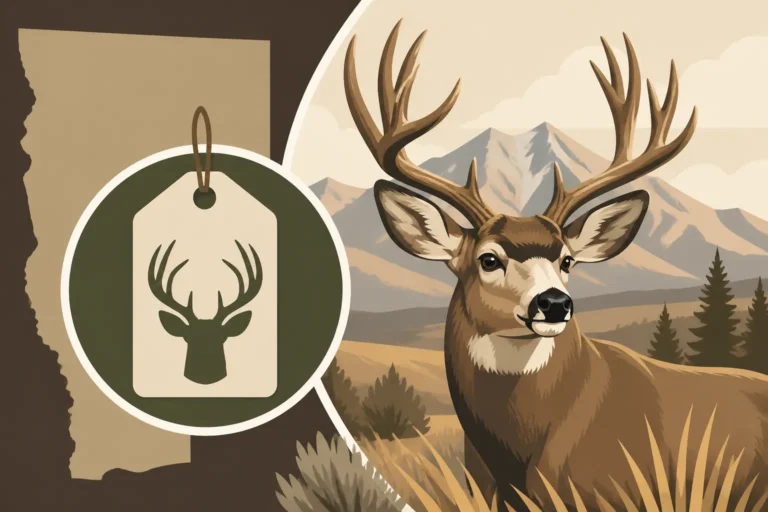
Wyoming Resident Deer License Price Explained
Figuring out the exact cost of a resident deer license in Wyoming can feel like navigating a maze, especially with all the different license types, fees, and the ever-present draw system. It's easy to get frustrated when you just want a straightforward answer to what you'll actually pay. This guide is here to untangle those numbers, breaking down the costs associated with Wyoming resident deer tags so you can budget accurately and confidently apply for your next hunt.
Understanding the Foundation of Wyoming Resident Deer License Costs
Let's face it, hunting isn't free, and the price of your tag is just the starting point. For residents, Wyoming offers some of the most accessible hunting opportunities in the West, but knowing the exact breakdown of what you're paying for is crucial. It’s not just one number, but a combination of several factors that add up to your total investment.
The Base Price of a Resident Deer License
The core of your deer hunting expenditure as a Wyoming resident is the actual license itself. Currently, a full-price resident deer license, such as a Type 1 "Any Deer" or Type 2 "Antlered Deer" tag, will set you back around $48. This fee directly goes towards wildlife management and conservation efforts in our beautiful state. This single fee grants you the legal right to harvest one deer within a specified hunt area and during its designated season.
It’s important to remember that this "base price" isn't always the only price you'll pay, and it specifically covers a general deer license. Depending on the hunt area and the specific tag type, you might be looking for a male deer only, or in some cases, "any deer," which means either a buck or a doe. These general tags are often found in areas with healthy deer populations or specific management goals. For a broader overview of costs, you can explore the Wyoming Resident License Prices by Species which details the fees for various animals.
Mandatory Add-ons: Conservation Stamp and Application Fees
Beyond the deer license itself, there are a couple of mandatory fees that every resident hunter needs to account for, and they really do add up when you're crunching the numbers for your season budget. Think of them as necessary groundwork for your hunting adventure.
First up is the Wyoming Conservation Stamp. This stamp is absolutely required for nearly every hunter and angler over the age of 14 who intends to hunt or fish in Wyoming. It costs approximately $12.50 and is a one-time annual purchase. This stamp isn't just a formality; the funds generated go directly into habitat enhancement projects, access programs, and vital conservation efforts across the state. It's a small but mighty contribution to the very resources we cherish. You can learn more about this essential purchase by checking out The Wyoming Conservation Stamp and Who Needs One.
Then there's the application fee. Whenever you apply for a limited quota license through the Wyoming Game and Fish Department's draw system, there's a non-refundable application fee. For residents, this fee is typically around $15 per species application. While it might seem like a small amount, it's something you pay whether you draw the tag or not. It covers the administrative costs associated with processing thousands of applications each year. So, when you're looking at that $48 deer license, don't forget to tack on that $12.50 conservation stamp and the $15 application fee if you're going through the draw, bringing your initial investment closer to $75. Understanding these fees is critical for accurate budgeting, as explained in The Resident Application Fee Wyoming Charges.
Differentiating License Types: Full-Price vs. Reduced-Price
One of the biggest areas of confusion for resident hunters often comes down to the different types of deer licenses available and how their prices vary. It's not a one-size-fits-all situation, and understanding these nuances can save you money or open up more hunting opportunities.
The "full-price" licenses, like the Type 1 or Type 2 tags we discussed, are usually for antlered deer or "any deer" in more desirable units. These are the tags that often require more preference points or have tighter draw odds. They are the backbone of deer hunting opportunities in Wyoming, allowing for the harvest of more sought-after animals.
However, Wyoming also offers "reduced-price" antlerless or doe/fawn licenses. These are typically Type 6, Type 7, or Type 8 licenses, and they are significantly cheaper, often costing around $30 or even less for residents. These licenses are a crucial tool for wildlife managers to control deer populations in specific areas, especially where numbers might be high or habitat conditions require closer monitoring. For instance, in agricultural areas or regions with chronic wasting disease (CWD) concerns, these tags help manage herd health. They provide an excellent opportunity for residents to fill their freezers, introduce new hunters to the field, or simply extend their season without breaking the bank. You can find more specific information on these economical options by looking into Type 6, 7 and 8 Doe-Fawn Licenses in Wyoming. These reduced-price tags are a fantastic way to enjoy more time afield and contribute to healthy deer populations.
Navigating the Application Process and Preference Points
For many popular deer hunting areas in Wyoming, simply walking into a store and buying a tag isn't an option. The demand for quality deer hunting far outstrips the available tags in certain units, necessitating a draw system. Understanding this system, and how preference points fit into it, is key to unlocking your desired hunt areas.
The Draw System for Resident Deer Tags
While some general deer licenses might be available over-the-counter or have very high draw odds, many of the more coveted deer tags for residents are allocated through a competitive draw system. This system ensures fairness and manages hunting pressure in specific, limited quota units that consistently produce bigger bucks or offer exceptional hunting experiences. Even as a resident, you'll find that applying for a limited quota tag means submitting your application online through the Wyoming Game and Fish Department's Electronic Licensing System (ELS) long before the season begins.
The application deadlines are strict and typically fall in early June for deer. Missing this window means missing out on the opportunity for that year. Once your application is submitted and the deadline passes, the department runs the draw, notifying applicants of their success or failure later in June. It can be a nerve-wracking wait, but it's the process we all go through to get those tags in hand. To make sure you're on top of the dates, remember to check When Wyoming Deer Applications Close for the Year each season.
The Cost and Value of Preference Points
This is where planning truly comes into play for resident deer hunters looking to hunt specific, high-demand areas. A Wyoming resident deer preference point currently costs approximately $31. This isn't a license to hunt; it's an investment in your future draw odds. Each year you accumulate a point, you increase your chances of drawing a limited quota tag in subsequent years.
For example, if you have a specific unit in mind known for mature mule deer bucks, it might take several preference points to reliably draw a tag there. The cost of these points adds up, but many seasoned hunters see it as a worthwhile investment over time to access those premier units. If you don't plan to hunt deer this year but still want to build points for the future, Wyoming offers a "point-only" application window, usually from July to November, where you can purchase a point without applying for a tag. This keeps your point accumulation going without committing to a hunt.
Resources like GoHunt provide invaluable data and insights into draw odds and point requirements for various units, helping you make informed decisions about where and when to apply. They can illustrate how many points were needed to draw a specific tag last year, which is crucial for strategizing. Understanding What a Wyoming Deer Preference Point Costs is foundational to any long-term hunting plan in the state.
Exploring Additional License Options and Discounts
Wyoming understands that not every hunter is looking for the same experience, and certainly not every hunter has the same budget or circumstances. Because of this, the state offers several different license options and even some discounts that can make deer hunting more accessible.
General Deer Licenses and Over-the-Counter Availability
For residents, the concept of a "general deer license" is incredibly important. Unlike limited quota tags that are tied to specific hunt areas and require drawing, general licenses offer more flexibility. These licenses are often valid in a much broader range of hunt areas across the state, usually covering large, diverse regions. While they typically don't grant access to the most exclusive, high-point units, they provide abundant opportunities for deer hunting in many areas.
The big question, of course, is "Can I buy one over-the-counter?" The answer is sometimes yes, but it varies year to year and by specific regulations. Often, general deer licenses for residents can be purchased over-the-counter closer to the season opener or even throughout the season, as long as quotas aren't met. This is a huge benefit for those who don't want to deal with the draw system, who miss application deadlines, or who prefer a more spontaneous hunting plan. However, it's always critical to check the current year's regulations because availability can change. General licenses are typically full-price tags, but their flexibility often outweighs the higher cost for many hunters. You can dive deeper into these options by exploring Wyoming General Deer Licenses Over the Counter.
Youth, Senior, and Veteran License Considerations
Wyoming makes a concerted effort to support various demographics of hunters, understanding that cost can be a barrier. These considerations can significantly reduce the financial burden of a deer hunt for certain individuals.
For our younger hunters, Wyoming offers reduced-price licenses. For instance, a resident youth deer license can be significantly less expensive than an adult tag, encouraging the next generation to get involved in our hunting heritage. There are minimum age requirements, of course, but these programs are vital for fostering new hunters. Details about these reduced costs can be found under Youth Deer Tag Pricing in Wyoming.
Seniors also benefit from reduced pricing. Resident seniors often qualify for discounted hunting and fishing licenses, including deer tags, once they reach a certain age, usually 65. These discounts acknowledge a lifetime of contribution and passion for the outdoors, making it easier for them to continue their traditions. For more on these specific discounts, look into Senior Resident License Prices in Wyoming.
Furthermore, Wyoming offers special considerations for disabled veterans. The state recognizes the sacrifices made by our veterans and provides specific license fee reductions or exemptions. These programs are deeply valued and help ensure that those who have served our country can continue to enjoy its natural resources. Specific eligibility requirements apply, so checking with the Wyoming Game and Fish Department directly is always recommended for veterans seeking these benefits.
When planning for any of these special license types, online tools and resources, including those offered by GoHunt, can be immensely helpful in navigating the specific requirements and confirming current pricing.
Budgeting Beyond the Tag: The True Cost of a Hunt
While the license cost is a significant part of the equation, any experienced hunter will tell you it's just the tip of the iceberg. The true cost of a Wyoming deer hunt involves much more than just the tag itself. Ignoring these other expenses can quickly turn an exciting adventure into a financial headache.
Essential Gear and Travel Expenses
Hunting in Wyoming, especially for deer, often means venturing into rugged, expansive terrain. This isn't backyard hunting; it demands reliable gear, and that gear comes with a price tag. You'll need sturdy boots, appropriate layered clothing for unpredictable mountain or prairie weather, quality optics (binoculars, spotting scope if you're serious about glassing), and, of course, your rifle or bow and ammunition/arrows. These are all upfront investments, and maintaining them or upgrading them year-to-year is a continuous expense. Don't skimp on essentials; dependable gear is a safety factor as much as a comfort one.
Beyond gear, consider your travel expenses. Wyoming is a big state, and reaching prime deer habitat often involves covering significant distances. Fuel costs can add up quickly, especially with current gas prices and if you're driving a truck or SUV. If you plan to camp, you might have campground fees, or if you opt for lodging in nearby towns, hotel costs. Vehicle maintenance, like tire wear and oil changes, should also be factored in, especially if you're traversing rough dirt roads. Even small things like extra batteries for your headlamp or a propane tank for your camp stove contribute to the overall bill. Planning your routes and scouting a unit from home using resources like The Wyoming Hunt Planner can help anticipate these costs.
Field Dressing, Processing, and Meat Transport
Once you've successfully harvested a deer, the expenses don't stop there. Getting that hard-earned meat from the field to your freezer involves several steps, each with potential costs. First, there's field dressing, which for many is a DIY endeavor, but requires sharp knives, game bags, and perhaps a pack frame to get the animal out of rough country.
If you choose to use a professional meat processor, their services can range from $150 to $300 or more, depending on the size of the animal and the cuts you request. While it's a significant expense, it saves you time and ensures your meat is handled correctly and packaged for long-term storage. If you plan to process it yourself, you'll need butcher paper, freezer bags, and potentially specialized equipment like a meat grinder or a vacuum sealer.
Lastly, consider meat transport. If you're hunting far from home, you'll need coolers, plenty of ice (or even dry ice for longer journeys), and a plan to keep the meat cool and clean during transit. Wyoming has strict rules about carcass transport, especially concerning Chronic Wasting Disease (CWD) management areas, which might require you to debone meat before leaving certain regions. Always check the latest regulations on Field Dressing and Carcass Transport Rules Explained to avoid any issues. These post-harvest costs are non-negotiable if you want to enjoy your venison, so plan for them from the outset.
Here's a quick overview of potential resident deer hunting costs:
| Item | Approximate Resident Cost | Notes |
|---|---|---|
| Full-Price Deer License | $48.00 | Type 1 (Any Deer), Type 2 (Antlered Deer) |
| Conservation Stamp | $12.50 | Annual, mandatory for most hunters |
| Application Fee | $15.00 | Non-refundable, per species for draw applications |
| Total Base Draw Cost | ~$75.50 | For a single full-price deer tag application |
| Doe/Fawn License | $30.00 | Reduced price, often Type 6, 7, 8. Plus Conservation Stamp & App Fee |
| Preference Point | $31.00 | Optional, for increasing draw odds in future years |
| Meat Processing | $150 – $300+ | Varies by processor, animal size, and cuts |
| Fuel/Travel (Estimate) | $100 – $500+ | Highly variable depending on distance and trip length |
| Basic Gear (Estimate) | $50 – $500+ | Annual maintenance, upgrades, new small items |
Disclaimer
Please remember that hunting regulations, license fees, and application deadlines in Wyoming can change. Always consult the official Wyoming Game and Fish Department website and current year's hunting regulations booklet for the most accurate and up-to-date information before planning your hunt. This guide provides general information and estimates for planning purposes only.