Field Dressing and Carcass Transport Rules Explained
You've worked incredibly hard for your Wyoming tag, endured the early mornings, put in the scouting, and finally, after all that effort, your animal is down. It's an exhilarating moment, but it's also when a new set of critical responsibilities kicks in. Ignoring the proper field dressing techniques or mismanaging carcass transport can not only spoil your hard-won meat but also lead to serious legal headaches with the Wyoming Game and Fish Department. This guide is here to walk you through every essential step, ensuring your harvest is handled correctly from the moment it hits the ground until it's safely in your freezer.
The Immediate Aftermath: Field Dressing Your Animal in Wyoming
Bringing down a big game animal in Wyoming is just the beginning of the journey. The next crucial steps involve field dressing – removing the internal organs – which is paramount for preserving the quality of the meat and adhering to ethical hunting practices. This isn't just a chore; it's a vital part of responsible hunting that directly impacts what ends up on your dinner table.
Why Field Dressing Matters for Meat Quality
Imagine spending thousands of dollars on a Wyoming Nonresident Elk License Price or drawing that coveted mule deer tag, only to have the meat spoil because of improper handling. It’s a heartbreaking scenario that happens more often than hunters would like to admit. The primary reason for immediate field dressing is to rapidly cool the carcass. An animal's body heat, especially from a large animal like an elk or moose, can quickly degrade meat quality. Bacteria thrive in warm, moist environments, and internal organs retain a tremendous amount of heat. Removing them allows air to circulate and the body temperature to drop, preventing bacterial growth and the dreaded "gamey" taste that often comes from poorly handled meat.
Beyond cooling, field dressing removes the contents of the digestive tract, which can contaminate the meat if ruptured or left too long. Urine, feces, and stomach contents contain bacteria that can rapidly spread, tainting the flesh. A clean, quick field dress is your first line of defense against spoilage and ensures that every pound of meat you pack out is delicious and safe for consumption. It's a fundamental skill that every hunter, whether chasing Wyoming's 40-Pound Minimum for Deer, Antelope and Sheep or a trophy elk, needs to master for a successful and ethical hunt.
Step-by-Step Field Dressing for Big Game
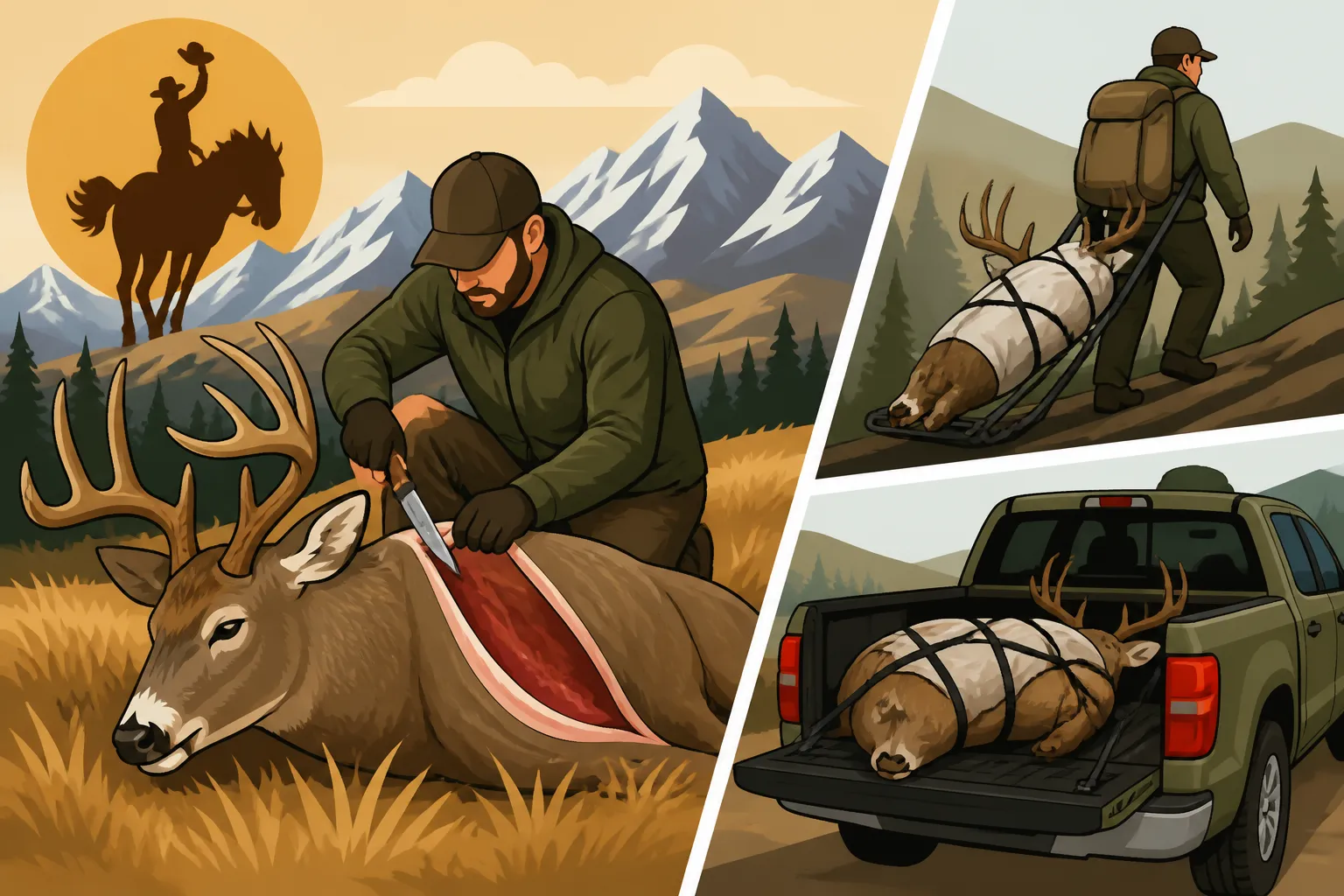
The exact process might vary slightly depending on the species and terrain, but the core principles remain the same. First, position the animal. If possible, roll it onto its back or side to make the belly accessible. For large animals like elk, this might mean having a hunting partner assist. Next, make a shallow incision from the breastbone to the pelvis, being careful to only cut through the skin and abdominal wall, avoiding puncturing the intestines. Many hunters use their fingers to guide the blade, lifting the skin away from the organs. Once the cavity is open, you’ll need to cut around the anus and separate the rectum from the pelvis, pulling it into the body cavity. Then, reach deep into the chest cavity, severing the esophagus and windpipe as far forward as possible.
With these connections cut, you can begin to roll or pull the organs out. Start by freeing them from the chest cavity, then continue down, ensuring everything comes out cleanly. Check for any remaining connective tissue and carefully cut it away. Once the organs are removed, inspect the cavity. If any fecal matter or stomach contents have spilled, clean them out with snow or clean water if available, or wipe with clean cloths. The goal is to get the cavity as clean and dry as possible. Finally, prop open the cavity with sticks or a specialized gambrel to allow maximum airflow for cooling. In warmer weather, consider quartering the animal immediately to accelerate cooling even further, especially when you're far from a vehicle. Resources like the Wyoming Game and Fish website, or even apps like GoHunt, often provide diagrams and detailed instructions specific to Wyoming's big game.
Tagging Requirements and Evidence of Sex
Once your animal is field dressed, the next immediate priority is properly tagging your harvest. This isn't merely a formality; it's a critical legal requirement in Wyoming, and getting it wrong can invalidate your hard-earned license and lead to significant penalties. Understanding the nuances of Wyoming Carcass Coupon and Tagging Rules is crucial for every hunter.
Attaching Your Carcass Coupon
Wyoming is very specific about how and when you must tag your animal. Immediately after killing any big game or trophy game animal, you are legally required to detach the proper coupon from your license and attach it to the carcass. The keyword here is "immediately." This means before you move the animal, before you start taking pictures, and certainly before you load it onto any vehicle. The coupon must be securely attached to the carcass, typically to the leg or antler, in such a way that it cannot be removed or transferred to another animal.
The regulations stipulate that the coupon must remain attached during transport and storage until the animal is processed for consumption or taxidermy. This isn't just about identifying your animal; it's about proving you have a legal tag for that specific species and sex. Make sure the tag is legible and that all required information, such as the date and time of kill, is filled out accurately. Always carry a pen in your hunting pack that can write in all weather conditions, as a smudged or illegible tag is as good as no tag at all in the eyes of the law. You can find detailed instructions and illustrations of proper tagging in the Where the Current Wyoming Regulations Are Posted on the Wyoming Game and Fish Department's website.
Retaining Evidence of Sex and Species
Beyond the carcass coupon, Wyoming law also often requires hunters to retain "evidence of sex" and sometimes "evidence of species" for certain animals or in specific hunt areas. This is particularly relevant for antlered or horned game where the regulations might differentiate between a bull elk, a cow elk, or a spike bull. For species like mule deer or elk, you might need to leave the antlers naturally attached to the skull plate until the animal reaches its final destination for processing. For other species, or in specific circumstances, it might mean retaining the head or the vulva (for female animals) until the meat is processed.
This requirement is in place to allow game wardens to verify that the animal harvested matches the type of license you possess. For example, if you have a general cow elk tag, you must be able to prove that the animal you harvested was indeed a cow. The specific requirements can vary, so it's always best to consult the current year's regulations for your particular hunt area. For instance, Wyoming Elk Season Dates Are Set Hunt Area by Hunt Area and regulations, including evidence of sex rules, can change annually and by hunt unit. Failing to retain the proper evidence can result in fines and seizure of the animal, even if you had a valid tag. It's a small detail that makes a big difference in staying on the right side of the law.
Transporting Your Harvest from the Field
Getting your animal from where it fell to your vehicle or home is often the most physically demanding part of the hunt. Beyond the sheer effort, there are specific considerations and regulations you need to keep in mind, especially regarding meat preservation and legal transport. Wyoming's vast, often rugged terrain presents unique challenges that demand careful planning.
Keeping Meat Cool in Wyoming's Backcountry
Wyoming’s diverse climate means you could be hunting in crisp autumn air or surprisingly warm early season conditions. Keeping your meat cool is paramount, especially if you have a long pack out ahead. Once field dressed, quartering the animal can significantly aid in cooling. For larger game like elk, separating the animal into quarters, backstraps, and tenderloins allows each piece to cool independently, much faster than a whole carcass. Remove as much fat as possible, as fat holds heat.
After quartering, placing the meat in breathable game bags is crucial. These bags protect the meat from flies, dirt, and debris while allowing air to circulate, facilitating continued cooling. Avoid placing meat directly into plastic bags or coolers without ice if the meat is still warm, as this will trap heat and moisture, accelerating spoilage. If you’re faced with warm temperatures and a long pack, plan to get ice into your coolers as quickly as possible once you reach your vehicle. Pack enough coolers to handle the volume of meat you expect to recover, keeping them out of direct sunlight. Consider freezing water bottles or milk jugs to serve as reusable ice packs that won't create a watery mess as they melt. Utilizing a detailed plan from a tool like A Walkthrough of the Wyoming Hunt Planner can help you map out retrieval routes and potential ice/storage points.
Carcass Transport Regulations for Road Travel
Once you've successfully moved your animal to your vehicle, the regulations around transporting it on public roads come into play. The most critical rule is that your tag, or "carcass coupon," must remain attached to the animal. For big game, this typically means the coupon must stay affixed to a prominent part of the carcass, such as a leg or horn, until it reaches its final place of processing.
Wyoming law also has specific requirements regarding the visibility of the animal or its parts during transport. While you don't always need to display the entire animal openly, you often cannot conceal the entire animal in a way that prevents identification if a game warden stops you. For example, if you've quartered an elk and placed it in coolers, you should still be able to present the quarters with the tag attached for inspection. Some states require a portion of the animal to be visible, especially if antlers are removed. While Wyoming doesn't always mandate this, common sense dictates that you shouldn't try to hide your harvest. Be prepared to show your license, tag, and the carcass to any game warden upon request. Always drive responsibly, and never leave your vehicle unattended with an untagged or improperly tagged animal. Also, be mindful of any Wyoming Carcass Coupon and Tagging Rules that may be in effect regarding transporting deer or elk carcasses out of Chronic Wasting Disease (CWD) management areas, which often have specific rules about leaving the spine and brain matter behind.
Understanding Wyoming's Meat Salvage and Wanton Waste Laws
Wyoming takes the ethical and legal responsibility of hunters very seriously, particularly concerning the utilization of the harvested animal. This includes strict regulations against wanton waste, ensuring that hunters make every reasonable effort to salvage and use the edible portions of game animals.
The Ethical and Legal Mandate to Salvage Meat
Harvesting an animal is a privilege, not just a sport, and with that privilege comes the profound responsibility to utilize the animal respectfully. Wyoming's The Meat Salvage Requirements for Big Game are clear: hunters are required to salvage all edible portions of a game animal. This means you can’t just take the antlers or a trophy cape and leave the rest to rot. The law defines "edible portions" to include the meat from the front and hind quarters, the loins (backstraps), and often the neck meat. For some species, specific organs might also be considered edible.
This mandate serves several purposes. Ethically, it honors the life of the animal and recognizes the resource it provides. Legally, it prevents waste and ensures that wildlife populations are managed sustainably. Game wardens frequently patrol hunting areas, and discovering an abandoned carcass with edible meat left behind can lead to severe penalties, including hefty fines, loss of hunting privileges, and even jail time. It’s a stark reminder that hunting is more than just pulling a trigger; it’s a commitment to the entire process, from ethical shot placement to thorough meat recovery. Planning for the pack out and having sufficient resources (game bags, coolers, hunting partners) is a vital part of fulfilling this ethical and legal obligation.
What Constitutes Wanton Waste in Wyoming
Wanton waste is the negligent or intentional abandonment of an edible portion of a game animal. While leaving behind guts and bones after field dressing is standard practice, leaving significant amounts of good meat attached to the bone, or allowing quarters to spoil due to improper care, falls under the definition of wanton waste. For example, if you quarter an animal, but then don't cool the meat properly and it spoils before you can retrieve it, that could be considered wanton waste. Similarly, if you butcher an animal in the field and only take out the prime cuts, leaving the rest, you would be in violation.
The law understands that circumstances can arise, such as an animal falling into an inaccessible ravine, or extreme weather making retrieval impossible. However, the burden of proof often falls on the hunter to demonstrate that every reasonable effort was made to retrieve the edible meat. Simply deciding it's "too much work" or "too far to pack out" is not a valid excuse. Understanding Wanton Waste Rules Every Wyoming Hunter Should Know and planning accordingly—scouting potential retrieval routes, knowing your physical limits, and having the right gear—are essential for avoiding these serious charges. When in doubt, always err on the side of salvaging more meat than you think you need, and consult with a game warden if you encounter an unusual situation.
Dealing with CWD and Other Disease Testing
Chronic Wasting Disease (CWD) is a significant concern for wildlife managers and hunters in Wyoming, particularly with deer and elk populations. Understanding the rules surrounding CWD testing and carcass handling is not just about compliance, but also about protecting wildlife and public health.
Mandatory CWD Testing Areas and Procedures
Wyoming has designated CWD surveillance areas where mandatory testing of harvested deer and elk may be required. These areas are identified due to higher prevalence rates of the disease or as part of ongoing monitoring efforts. The Wyoming Game and Fish Department publishes maps and lists of these areas annually, so it's critical to check the current regulations for your specific hunt unit. You can typically find this information on the official Game and Fish website or through hunting resources like GoHunt.
If you harvest a deer or elk in a mandatory CWD testing area, you'll need to submit the head (specifically the brainstem and lymph nodes) for testing within a specified timeframe. The department usually provides collection barrel locations or check stations where you can drop off samples. The rules often state that certain parts of the carcass, particularly the brain and spinal column, cannot be transported out of these areas unless they are going directly to a licensed taxidermist or meat processor within the state, or if the animal has tested negative. This is to prevent the spread of the CWD prions to new areas. Ignoring these rules could not only result in legal repercussions but also contribute to the spread of this devastating disease. Knowing Where to Get an Elk Tested for CWD is a key piece of information for responsible hunters.
Safe Handling of Carcasses in Disease Zones
Beyond mandatory testing, prudent carcass handling in CWD areas is vital for both environmental and personal safety. CWD prions are extremely resilient and can persist in the environment for extended periods. When field dressing an animal in a CWD zone, avoid excessive contamination of the soil with brain or spinal cord tissue. While complete prevention is difficult, making an effort to minimize the spread is important. Consider using disposable gloves and dedicated knives for field dressing that can be thoroughly cleaned afterward.
For your own health, while current scientific consensus suggests CWD is not transmissible to humans, the Centers for Disease Control and Prevention (CDC) and Wyoming Game and Fish advise against consuming meat from CWD-positive animals. This raises the question: Is Elk Meat Safe If the Animal Had CWD?. If your animal tests positive, you will be notified, and it is strongly recommended that you do not consume the meat. This ethical decision protects not just you, but also contributes to the responsible management of wildlife resources. Always wash your hands and tools thoroughly with soap and water after handling any carcass, especially in areas with known disease presence.
Essential Gear for Field Dressing and Transport
Having the right tools can make the difference between a smooth, efficient field dress and a frustrating, messy ordeal. Being prepared with essential gear is just as important as knowing the regulations.
Field Dressing Kit Must-Haves
A well-stocked field dressing kit is indispensable. At its core, you'll need a sharp, sturdy knife. Many hunters carry a fixed-blade knife with a gut hook for easily opening the abdominal cavity without puncturing organs. A second, smaller knife for finer work, or a replaceable blade utility knife like a Havalon, can also be invaluable. Remember to keep your knives razor-sharp; a dull knife is more dangerous and less efficient.
Beyond knives, consider these items:
- Disposable Gloves: Essential for hygiene and preventing contamination, especially if dealing with potential diseases.
- Game Bags: Breathable, lightweight bags are critical for protecting meat from insects, dirt, and debris while allowing it to cool. Synthetic ones are reusable and easy to clean.
- Small Bone Saw or Hatchet: Useful for quartering larger animals, especially for splitting the pelvis or sternum.
- Paracord or Rope: For tying legs, hanging quarters, or dragging.
- Wet Wipes or Paper Towels: For quick cleanups.
- Headlamp: Crucial if you're working into the evening or before dawn.
- Zip Ties or Strong Twine: For securely attaching your tag.
| Item | Purpose | Notes |
|---|---|---|
| Sharp Knife (fixed) | Initial cuts, gutting | Essential, consider a gut hook. Keep it sharp! |
| Game Bags | Protects meat, allows cooling | Breathable, synthetic or cotton. Crucial for hygiene. |
| Disposable Gloves | Hygiene, disease prevention | Latex or nitrile. Pack several pairs. |
| Paracord/Rope | Dragging, hanging, tying | Strong, durable. At least 25 feet. |
| Headlamp | Low-light visibility | Essential for early morning/late evening work. |
| Zip Ties/Twine | Securing carcass tag | Strong and weather-resistant to prevent tag loss. |
| Small Bone Saw | Quartering large animals | Can save time and effort on bone cuts. |
Cooling and Transport Solutions
Once the animal is dressed, getting it out and cooled efficiently demands the right gear. For cooling, a good supply of ice is non-negotiable, especially in warmer weather. Cooler selection is also key:
- High-Quality Coolers: Investing in durable, insulated coolers (like YETI, RTIC, or other roto-molded brands) will ensure your meat stays cold for days, even in challenging conditions. Pack enough to accommodate all your meat.
- Frozen Water Bottles/Milk Jugs: These are excellent alternatives to bagged ice, as they don't leave water, keeping your meat drier.
- Tarps or Game Carts: For easier dragging or protecting your vehicle's interior from blood and dirt during transport.
- Ratchet Straps: To secure quarters or entire carcasses in the bed of a truck, preventing shifting.
Planning for this aspect of the hunt is crucial. Consider the distance you'll need to pack out, the terrain, and the expected temperatures. For hunters traveling long distances back home, processing facilities in Wyoming or dry ice can be invaluable. Tools like GoHunt can also help you locate local processors or cold storage options in your hunt area. Being prepared with these items ensures that the hard work of the hunt culminates in high-quality meat that you can enjoy with friends and family.
Disclaimer
Please remember that hunting regulations in Wyoming can change. While this guide provides comprehensive information, it is your responsibility to consult the most current Wyoming Game and Fish Department regulations before heading into the field. This information is for educational purposes and should not be considered legal advice.