Which Feedgrounds Have Tested Positive for CWD
The looming shadow of Chronic Wasting Disease (CWD) casts a real concern over the hearts of many Wyoming hunters, especially when we talk about our beloved elk. There’s a particular anxiety that settles in when considering the state’s famous feedgrounds, places where elk gather in large numbers for survival, yet also, unfortunately, where disease can spread more easily. This guide aims to shed light on which of Wyoming’s elk feedgrounds have actually tested positive for CWD, what that means for the herds, and what it implies for those of us who cherish the tradition of elk hunting in this incredible state.
The Critical Role and Unintended Consequences of Wyoming's Elk Feedgrounds
For generations, elk feedgrounds have been an integral part of Wyoming's wildlife management strategy, designed to help elk survive harsh winters and mitigate depredation on private ranchlands. Yet, these very solutions have inadvertently created new challenges, particularly concerning the spread of infectious diseases like CWD. It’s a complex issue, fraught with tough decisions and passionate viewpoints on all sides.
A Historical Necessity Born of Harsh Winters
Back in the early 20th century, Wyoming’s severe winters often led to massive die-offs of elk. Farmers and ranchers, whose lands were frequently overrun by desperate elk seeking forage, also faced significant losses. The establishment of feedgrounds, notably starting with the National Elk Refuge near Jackson, was a direct response to these pressures. The goal was noble: to sustain elk populations through the lean months, keeping them from starving and reducing conflict with agriculture. These efforts have largely succeeded in their primary objective, ensuring the resilience of herds like the legendary Jackson Elk Herd, which has grown significantly thanks in part to winter feeding. But as we know, every solution can bring its own set of complications down the road.
The Double-Edged Sword of Concentration
While feedgrounds have undoubtedly saved countless elk lives and reduced property damage, they also act as concentrated hubs where animals gather in unnatural densities. Imagine hundreds, sometimes thousands, of elk in close quarters for months on end. This close proximity, while beneficial for survival in a blizzard, creates a perfect storm for the transmission of diseases. Respiratory illnesses can spread like wildfire, and critically, chronic wasting disease, a neurological disease caused by abnormal proteins called prions, finds ideal conditions for transmission. These prions can be shed through saliva, urine, and feces, contaminating the environment and other animals. It’s a stark illustration of how human intervention, however well-intentioned, can lead to unforeseen and difficult-to-manage ecological dilemmas. Understanding these dynamics is crucial to grasping the full scope of the challenge.
Documented CWD Detections on Wyoming Elk Feedgrounds
The question of which feedgrounds have tested positive for CWD is a critical one for anyone concerned about the health of Wyoming's elk. The Wyoming Game and Fish Department (WGFD) has been diligently monitoring and testing elk for CWD across the state, and unfortunately, several feedgrounds have indeed had confirmed cases. This isn't a static situation; surveillance is ongoing, and detections can occur in new locations.
A Growing List of Affected Feedgrounds
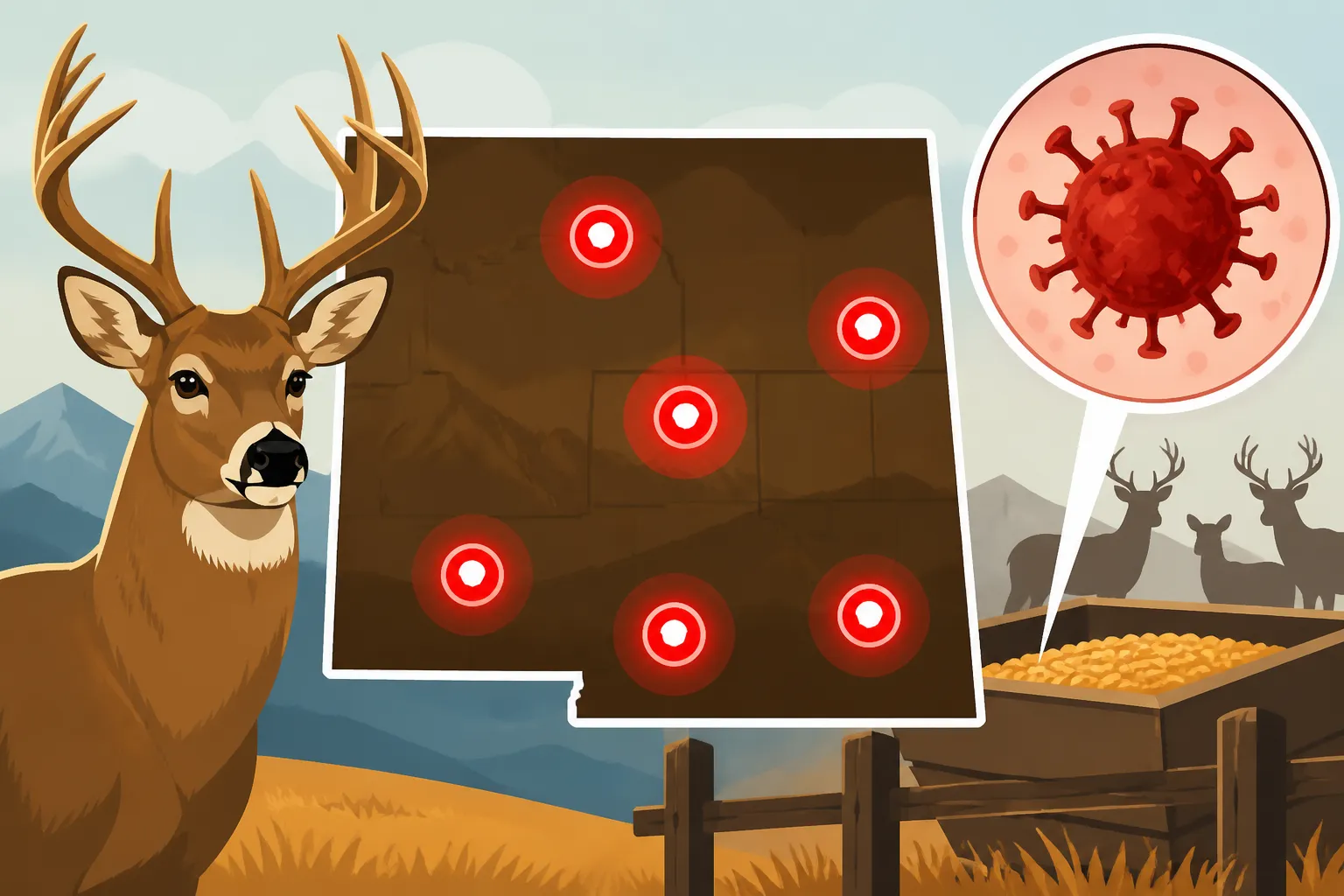
CWD has been a known presence in Wyoming for decades, but its spread onto feedgrounds marks a particularly concerning development due to the high density of animals. Historically, the Pinedale Region, specifically feedgrounds like Soda Lake, Dell Creek, and Muddy Creek, were among the first to see CWD detections in elk that utilized these winter feeding areas. These detections spurred significant management discussions and efforts, including the implementation of the Pinedale Elk Herd Feedground Plan Explained, aimed at reducing reliance on feeding where possible.
More recently, detections have also been confirmed on several feedgrounds within the Jackson Region, an area famous for its robust elk populations. The South Park feedground, for instance, has had confirmed CWD cases, raising concerns for the overall health of the large Jackson herd. Other areas like Alkali Creek and Scab Creek have also seen CWD in elk associated with their feeding operations. It’s important to remember that these are not isolated incidents but part of a broader, persistent challenge. For detailed information and the most current updates, resources like GoHunt often provide excellent summaries and links to official WGFD reports, helping hunters stay informed about specific areas and their CWD status.
The Vigilant Monitoring and Detection Process
The process of identifying CWD on feedgrounds involves intensive surveillance. WGFD biologists and game wardens collect samples from harvested animals during hunting seasons and also from animals found dead on feedgrounds or through targeted removals. These samples, primarily lymph nodes and brain tissue, are then tested at laboratories. The goal is to detect the presence of CWD prions and track the prevalence of the disease over time.
This vigilant monitoring is essential for understanding the progression of the disease and informing management decisions. Hunters play a crucial role in this process by submitting samples from their harvested animals, especially in CWD endemic areas or near feedgrounds. Knowing Where to Get an Elk Tested for CWD is incredibly important, as hunter-submitted samples provide invaluable data that helps the WGFD map the disease's spread and intensity. The more data they have, the better equipped they are to make informed decisions about herd health and future management strategies.
The Profound Implications of CWD for Wyoming's Elk and Hunting Heritage
The presence of Chronic Wasting Disease, especially on feedgrounds, creates a cascade of implications that extend far beyond individual animals. It challenges the very foundation of Wyoming's elk management and poses complex questions for hunters and wildlife enthusiasts alike. The long-term health of our herds and the future of our hunting heritage are undeniably intertwined with how we address this persistent threat.
Disease Dynamics in Concentrated Herds
Elk feedgrounds, while providing vital sustenance, are undeniably CWD super-spreaders. The constant close contact among hundreds, sometimes thousands, of animals dramatically increases the likelihood of disease transmission. Prions, the infectious agents of CWD, are shed into the environment through bodily fluids and can persist in the soil for years, creating a contaminated landscape. This environmental contamination means that even if a feedground were to stop operating, the risk of CWD infection could linger for a significant period. The issue isn't just about direct animal-to-animal contact; it's about the cumulative buildup of prions in these high-use areas. This dynamic makes managing the disease incredibly difficult, as simply reducing herd size might not eliminate the environmental reservoir of infectious prions. It's why initiatives like those discussed in The Pinedale Elk Herd Feedground Plan Explained are so critical, seeking ways to reduce aggregation over time.
Hunter Responsibilities and Ensuring Meat Safety
For hunters, CWD presents serious considerations. If you're hunting in an area with known CWD prevalence, or specifically near a feedground where detections have occurred, understanding your responsibilities is paramount. The WGFD strongly recommends testing all harvested elk for CWD, particularly if the animal appears sick or is taken from a known CWD area. Information on CWD testing, including drop-off locations and results, is readily available through WGFD resources and often compiled by platforms like GoHunt, which helps hunters navigate these crucial steps.
The question of Is Elk Meat Safe If the Animal Had CWD? is one that weighs heavily on hunters. While there have been no confirmed cases of CWD transmission to humans, public health agencies like the Centers for Disease Control and Prevention (CDC) advise against consuming meat from CWD-positive animals. This recommendation underscores the importance of testing and responsible carcass handling. Proper field dressing and carcass transport rules explained are vital not only for meat quality but also for preventing the spread of prions to new areas. Hunters are on the front lines, and their actions can significantly impact disease management.
| Feedground Name | Region | CWD Detection Status (as of recent reports) | Management Implications |
|---|---|---|---|
| Soda Lake Feedground | Pinedale | Detected | Focus on reducing reliance, herd management |
| Dell Creek Feedground | Pinedale | Detected | Intensive monitoring, adaptive feeding strategies |
| Muddy Creek Feedground | Pinedale | Detected | Collaboration with landowners, monitoring prevalence |
| South Park Feedground | Jackson | Detected | Heightened surveillance, public information campaigns, herd health assessments |
| Alkali Creek Feedground | Pinedale | Detected | Environmental sampling, disease modeling |
| Scab Creek Feedground | Pinedale | Detected | Increased hunter sampling, public outreach on CWD risks |
| National Elk Refuge | Jackson (Federal) | Monitored, CWD detected in adjacent areas | Partnership with USFWS, monitoring incoming elk, CWD found in refuge elk |
Note: This table reflects reported detections. CWD prevalence and management strategies are dynamic and subject to ongoing monitoring and research by the Wyoming Game and Fish Department.
Navigating the Future: Management Strategies and Hunter Engagement
Addressing CWD on Wyoming's elk feedgrounds is not a simple task; it requires a multifaceted approach that balances wildlife health, habitat management, human safety, and deeply held hunting traditions. The Wyoming Game and Fish Department (WGFD) is continually developing and adapting strategies, but the success of these efforts hinges on both sound science and active participation from the hunting community.
The Difficult Balancing Act
The WGFD faces an unenviable challenge: how to manage elk populations on feedgrounds to minimize CWD transmission while still ensuring herd survival, especially during severe winters. This involves a delicate balancing act that considers various factors from the number of elk feedgrounds Wyoming still runs to the specific conditions in each of Wyoming's Elk Herd Units and Winter Range. Strategies include evaluating opportunities to reduce or consolidate feeding, implementing early and late feeding periods to minimize elk congregation time, and enhancing surveillance efforts.
One of the most impactful, albeit controversial, strategies is localized herd reduction. By issuing more cow elk tags or increasing harvest quotas in specific areas, the WGFD aims to reduce the density of elk, thereby theoretically slowing disease transmission. This can be a tough pill to swallow for some hunters, but it's often seen as a necessary tool in the long-term fight against CWD. Hunters should pay close attention to the WGFD's annual regulations, which outline specific harvest opportunities, including those designed to manage herd health. Platforms like GoHunt also often analyze these regulations, providing valuable insights into management zones and tag availability.
The Evolving Conversation Around Feedgrounds
The debate around the future of elk feedgrounds is ongoing and complex. There's no easy answer, as each feedground location and the elk herd it supports presents unique challenges and considerations. Biologists continue to explore alternatives, such as habitat improvements that could support elk through winter without supplemental feeding, but these are often long-term investments that don't offer immediate solutions.
For hunters, staying informed about What CWD on the Feedgrounds Means for Hunters and engaging with the WGFD are vital. Attend public meetings, read the official regulations, and consider supporting organizations dedicated to wildlife research and habitat conservation. Understanding the nuances of Wyoming Elk, the Feedgrounds and the Disease Question helps hunters make informed decisions about their own hunts and contribute meaningfully to the broader conversation. Whether it's through careful E-Scouting a Unit Before the Season Opens, familiarizing yourself with Wyoming Legal Shooting Hours for Big Game, or even just understanding how Wyoming Numbers Its Hunt Areas, every bit of knowledge helps support responsible hunting and wildlife stewardship. The collective effort of the hunting community is indispensable in ensuring the health and future of Wyoming's iconic elk herds in the face of CWD.
Disclaimer
The information provided in this guide is for general informational purposes only and is not intended as legal advice or a substitute for official regulations. Hunting regulations, CWD prevalence, and management strategies can change frequently. Always consult the most current Wyoming Game and Fish Department regulations and official sources before planning any hunting activity.