Where Cow Elk Tags Are Still Available
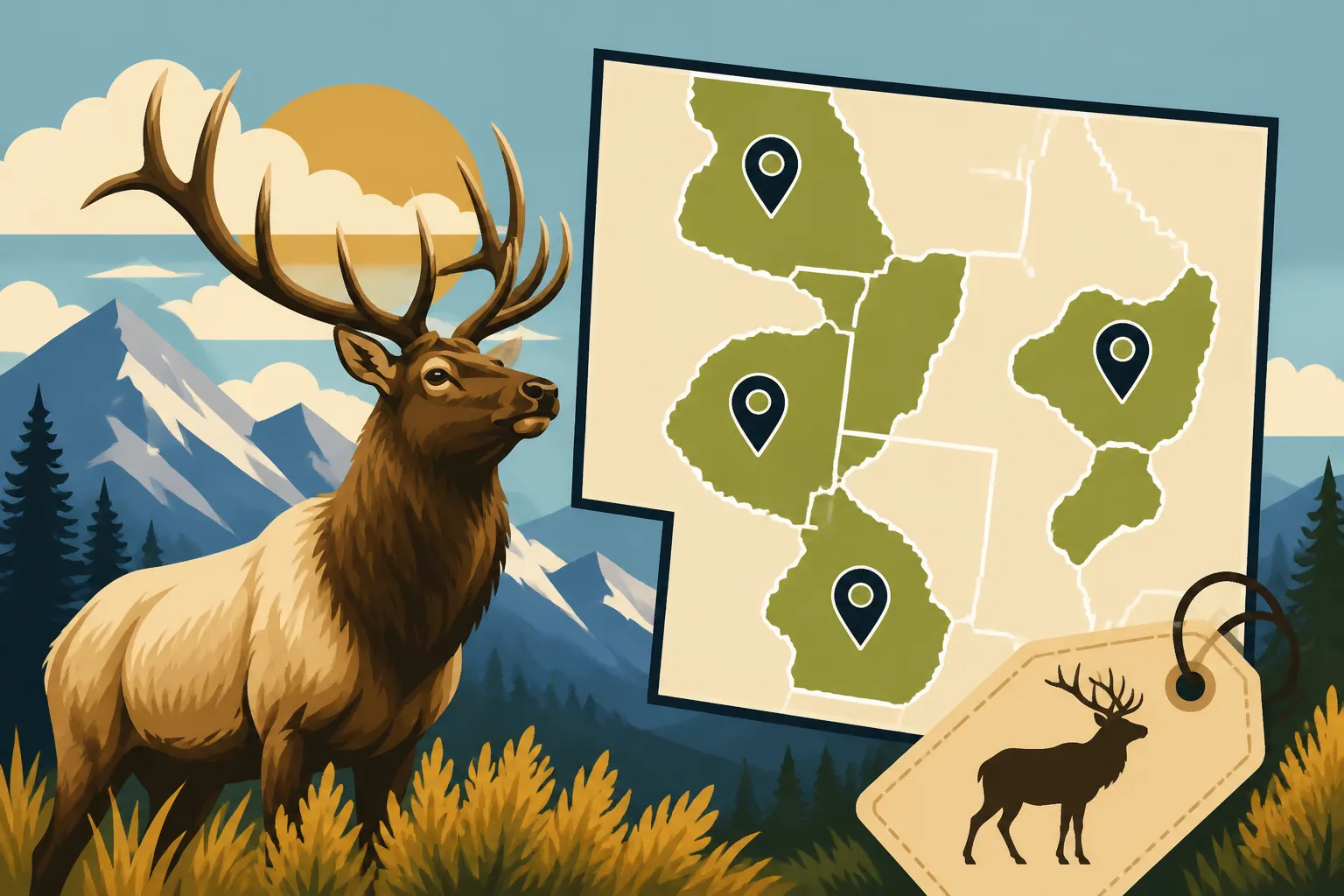
Many hunters dream of a Wyoming elk hunt, but drawing a bull tag can feel like winning the lottery, especially for non-residents. Even finding a cow elk tag can be a challenge, leaving many wondering where to even begin looking for opportunities. This guide will walk you through the nuances of Wyoming's elk licensing system, help you understand where cow elk tags might still be available, and offer practical advice for increasing your chances of getting one.
The Reality of Cow Elk Tags in Wyoming
It's easy to get discouraged when you look at Wyoming's elk draw statistics, especially for bulls. But even cow elk tags, often seen as a more accessible option, aren't always handed out freely. The system is designed to manage herd populations, and that means opportunity can vary wildly from one year to the next, and certainly from one hunt area to another. It's not just about what you want to hunt, but what the state needs to harvest to keep populations healthy and balanced with available forage and private land interests.
Understanding Wyoming's Licensing System
Wyoming's Game and Fish Department uses a complex system of licenses and hunt areas, each with specific regulations. For elk, you're generally looking at either a "General" license or a "Limited Quota" license. General licenses, when available, allow you to hunt in multiple units, often with varying season dates and weapon restrictions. Limited quota licenses are specific to a single hunt area and type (e.g., bull, cow, calf), and these are almost always distributed through a drawing.
The crucial distinction for cow elk often lies in these types. A Type 6 or Type 7 license, for instance, is typically a reduced-price antlerless license, specifically for cow or calf elk. These are often the tags hunters are after when they're looking for meat for the freezer or a more accessible hunting experience. The challenge is, these specific types are usually issued through the draw system, and even if they don't require many preference points, they can still be competitive in desirable areas. It's a dance between managing game numbers and providing public opportunity, and sometimes that dance floor gets pretty crowded, especially in units known for holding good numbers of elk.
The High Demand for Elk Tags
Let's be real: Wyoming is a bucket-list state for elk hunting. This means demand for any elk tag, including cow tags, is incredibly high. While a Type 1 full-price bull tag might be what everyone dreams of, the Type 6 or 7 cow tags are often seen as the entry point for many hunters wanting to experience a Wyoming elk hunt without waiting decades for points. This drives up competition in the draw for those specific antlerless licenses, even if they're not for a trophy bull.
You'll find that many of the more accessible areas, especially those near agricultural lands or with easier public access, have significant demand even for cow tags. Biologists might set higher quotas in these areas to manage crop depredation or local populations, but that doesn't always translate to an easy draw. It's a constant balancing act, and every year, thousands of hopeful hunters throw their names into the hat. Knowing this upfront helps set realistic expectations; it's not impossible to secure a cow tag, but it requires strategy, persistence, and sometimes a willingness to hunt in less-than-ideal conditions.
Identifying Potential Hunt Areas for Cow Elk
So, if demand is high, where do you even start looking for these elusive cow elk opportunities? It really comes down to doing your homework and being flexible with your expectations. Don't go into this hunt with your heart set on one specific, well-known area. The beauty of Wyoming is its vastness, and opportunity often hides in plain sight, or in the less-glamorous units that other hunters might overlook.
Analyzing Draw Odds and Leftover Tags
The first place to truly dig in is the Wyoming Game and Fish Department's draw odds and quotas. This data is your best friend. Every year, they publish the number of applicants, the number of tags issued, and the points required (or the random odds for zero-point applicants) for every single hunt area and license type. For instance, if you're looking for a cow tag, you'll want to specifically examine the odds for Type 6, Type 7, or even Type 8 or 9 licenses if they are available in areas you're considering. Sometimes, even with zero points, there are areas where you have a decent shot in the random portion of the draw, especially if other hunters are all chasing the trophy bull tags. You can see how Wyoming's 75/25 Draw Split Explained impacts these odds, giving a portion of tags to random draws regardless of points.
Beyond the initial draw, pay close attention to the "leftover" tag process. Not all tags are drawn in the primary application period, or some might be returned by successful applicants. These leftover tags are often sold on a first-come, first-served basis, and this can be a golden opportunity for cow elk. These tags tend to be in less popular areas, sometimes on units with difficult access, or in very specific, often later, time windows. But if you're flexible and quick to act, you can snag a tag that no one else wanted. It takes vigilance and a willingness to act fast when the leftover sales open up, which can happen in minutes. Many hunters use tools like GoHunt to track these leftover opportunities, as they are announced and often disappear quickly.
Strategies for Finding General Season Cow Tags
While many cow tags are limited quota, some general licenses do permit the harvest of antlerless elk during specific seasons or in certain areas. This is where reading the regulations booklet, page by painstaking page, becomes absolutely critical. Don't just scan; deep dive. A general elk license might, for example, allow you to harvest a cow in a specific portion of a general hunt area during a late-season hunt designed to reduce local populations. These general tags might have a better chance of being drawn in the initial lottery, or even be available over the counter for residents in some instances.
When considering a general tag, look for areas with high elk populations, particularly those with a history of depredation issues on private lands. Game and Fish often tries to incentivize harvest in these areas to mitigate conflicts and manage herd numbers. However, "general" doesn't mean "easy." You still need to gain access, which might involve knocking on doors of landowners, utilizing How Wyoming's Access Yes Program Works, or finding overlooked parcels of public land within those general hunt areas. These units can be found on maps, but require more legwork to gain entrance. Understanding Wyoming General Elk Licenses and Where They Work is key to unlocking these specific opportunities, as the general tag isn't a blanket pass everywhere.
Practical Steps for Securing a Cow Elk Tag
Okay, so you understand the system and where to look. Now, how do you actually put yourself in the best position to get one of these cow elk tags? It’s a combination of being prepared, utilizing available resources, and being adaptable to different hunting scenarios and timelines. Don't expect to just show up and grab a tag; it requires forethought and effort.
Leveraging Data Resources and Application Strategies
In today’s hunting world, information is power. There are excellent online resources, both official and unofficial, that compile and interpret Wyoming's draw data. The official Wyoming Game and Fish website is always your starting point for current regulations and past draw odds. You need to scrutinize these numbers, looking for trends. Are there areas where Type 6 tags are consistently drawn with 0 or 1 preference point? Are there units that historically have leftover cow tags available for purchase after the main draw? Sometimes these are units with very short seasons, specific weapon restrictions, or tricky access, but they are tags nonetheless.
Beyond official sources, platforms like GoHunt provide detailed information and analysis for hunters navigating these complex draws. They often break down draw odds, unit statistics, and even offer application strategies that can be incredibly valuable. Using these tools can help you filter through hundreds of hunt areas and license types to pinpoint those with the highest probability for a cow elk tag based on your point level and willingness to hunt certain areas. It saves countless hours of manual data crunching and helps you make informed decisions about where to apply your hard-earned preference points, or where to try your luck in the random draw.
Thinking Outside the Box for Opportunity
Sometimes, the best opportunities aren't the most obvious ones. If you're struggling to draw a cow tag in a popular area, consider looking at units that are known for difficult access, lower elk densities, or later season dates. While these might not be "trophy" hunts, they can offer a legitimate chance at a cow elk. For example, some units might have significant public land but require long hikes, specialized gear, or difficult four-wheel-drive access, deterring many applicants. These can be prime spots for a determined hunter who is willing to put in the effort.
Also, don't shy away from late-season cow hunts. These often occur in December or even January, after the main rifle seasons have closed. They can be incredibly cold, challenging hunts, but they're specifically designed to thin herds in specific areas, often near winter range or private land. Tags for these late seasons sometimes have better draw odds or are even available as leftover tags because of the perceived difficulty and weather challenges. It requires robust winter gear, careful preparation, and a willingness to brave the elements, but the reward can be a freezer full of delicious elk meat. Remember to check for Wyoming Elk Season Dates Are Set Hunt Area by Hunt Area to understand how these seasons can vary drastically.
Consider also areas known for CWD (Chronic Wasting Disease) or brucellosis. While no one wants to hunt diseased animals, Game and Fish sometimes issues more tags in these zones to manage herd health and gather data, which can translate to increased opportunity for hunters willing to navigate the complexities. Always get your animal tested if hunting in these areas and follow all recommended safety precautions for handling and consuming game meat. You can find more details on What CWD on the Feedgrounds Means for Hunters to understand the situation.
Table: Potential Cow Elk Tag Scenarios in Wyoming
| Scenario | License Type Example | Typical Availability | Access Challenge | Season Timing | Notes |
|---|---|---|---|---|---|
| Primary Draw – High Odds | Type 6/7 | Low competition areas | Moderate – may require extensive scouting | Early to Mid-Fall | Often requires some preference points or good random odds |
| Leftover Tags | Type 6/7 | Less popular units | Varies widely, can be difficult | Mid-Fall to Early Winter | First-come, first-served; requires quick action and vigilance |
| General Licenses | Type 1 (Antlerless) | Specific areas/dates | Can be competitive, landowner permission helps | Varies, often late season | Check regulations for antlerless harvest allowances in general units |
| Late Season Hunts | Type 6/7 | Specific depredation areas | High, often requires winter gear & perseverance | Late Fall to Winter (Dec/Jan) | Excellent for meat hunters, lower competition for tags |
| Remote Wilderness | Type 6/7 | Low competition areas | Extreme, requires pack-in or horses | Standard season | Fewer tags, but very low applicant numbers for specific units |
Don't forget to understand the specific rules for Recurve, Longbow or Compound for Western Elk if you're considering an archery hunt for a cow. Also, keep in mind that Wyoming's 50-Pound Bows Elk and Moose Require is the minimum draw weight for elk, a higher threshold than for other species.
Finally, make sure you understand Anyone Born After 1965 Needs Wyoming Hunter Education for licensing. If you meet that criterion, certification is mandatory. If you're planning your strategy with a buddy, you might find insight into Two-Hunter Calling Setups That Actually Work on Bulls, which can be adapted for cows. When you finally land that tag, remember the importance of Reading Fresh Elk Sign in Dark Timber or Finding Water Sources in Dry Hunting Country to locate your cow.
Disclaimer
This article is for general informational purposes only and does not constitute professional advice. Laws, prices and regulations vary by location and change over time. Consult a qualified professional for guidance on your specific situation.