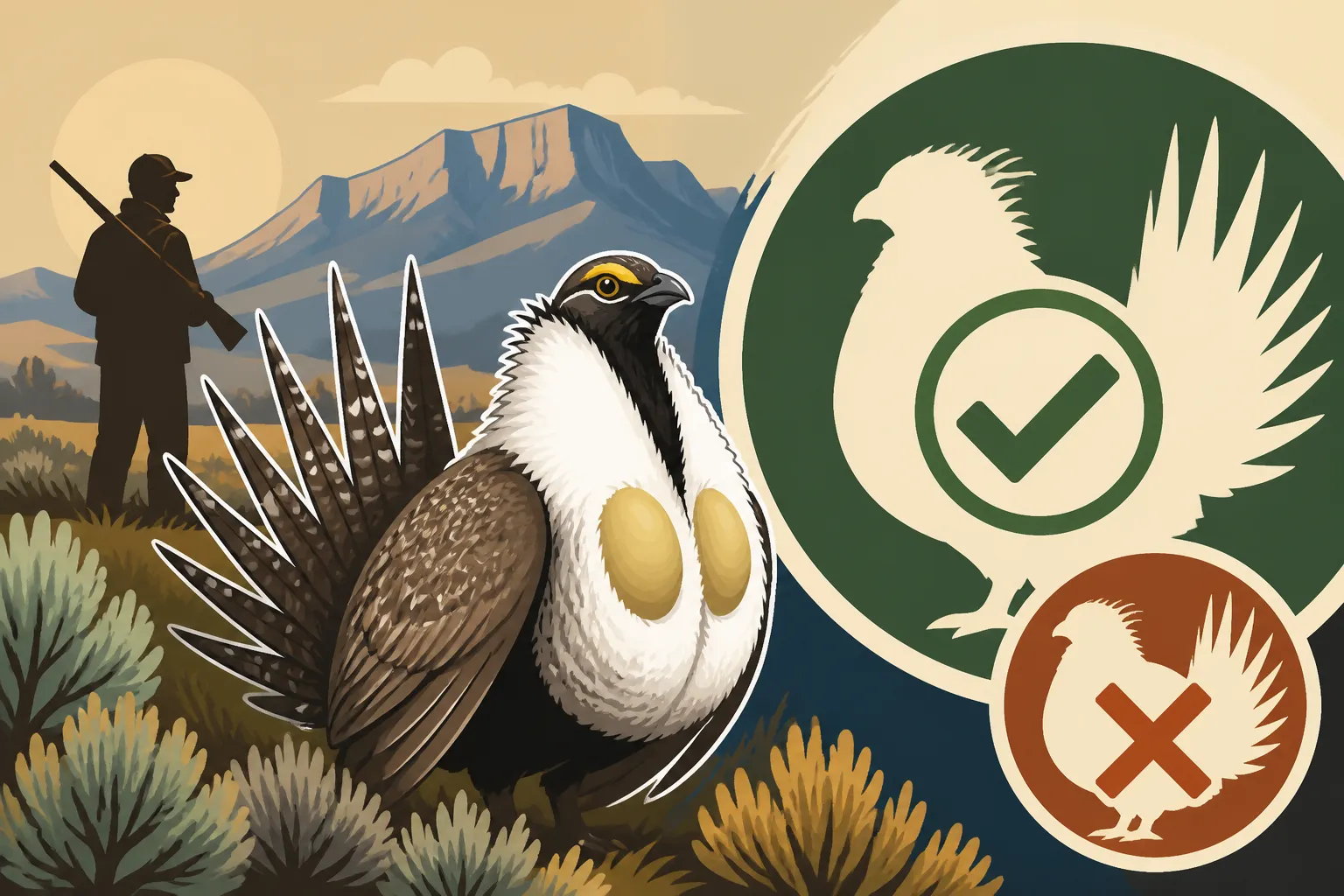
The Sage Grouse Bag Limit Explained
It can feel like a game of whack-a-mole trying to keep up with all the specific regulations for hunting different species in Wyoming, and sage grouse are no exception. You might be wondering, "What's the actual limit on these birds, and does it change depending on where I'm hunting?" It's a valid frustration, because getting it wrong can lead to serious consequences. This guide is going to walk you through the ins and outs of Wyoming's sage grouse bag limits, help you understand why they're in place, and offer practical advice for staying on the right side of the law while enjoying your hunt for these iconic Western birds.
Understanding Wyoming's Sage Grouse Bag Limit
Hunting sage grouse in Wyoming isn't just about finding the birds; it's about adhering to very specific daily and possession limits that are crucial for the species' long-term survival. These limits are set with careful consideration for the health of the sage grouse populations, which face various challenges across the Western landscape. Ignoring these numbers or misunderstanding them isn't just a minor oversight; it's a direct threat to the sustainability of this unique hunting opportunity.
The Daily and Possession Limits for Sage Grouse
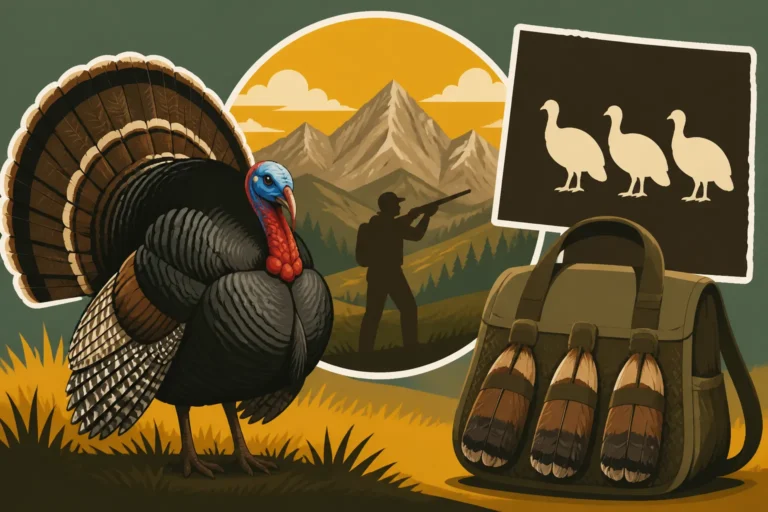
Let's get straight to the numbers, because they're the foundation of legal sage grouse hunting in Wyoming. Typically, the daily bag limit for sage grouse in Wyoming is two birds. This means that, within any given 24-hour period (midnight to midnight), you are allowed to harvest no more than two sage grouse. It doesn't matter if you hunt for an hour or all day; once you've shot two, your daily bag is full, and you must cease hunting sage grouse for that day. This limit is very strict and applies to each individual hunter. If you're hunting with a buddy, each of you can take two birds, but you can't combine your efforts to exceed that individual limit.
Now, the possession limit is where things get a little different, and often where confusion arises. The possession limit is usually set at four birds. This means that at any point in time, you cannot have more than four sage grouse, either whole or in parts, in your direct possession, at your home, or stored in your vehicle. Let's paint a picture: Imagine you hunt on a Saturday and take your two birds. You head home, clean them, and put them in the freezer. Then, on Sunday morning, you go out again. You can legally take two more birds. At that point, you would have four birds in your possession (the two from Saturday, and the two fresh ones from Sunday). If you wanted to hunt again on Monday, you would need to consume or give away some of those birds so that your total possession count drops below four before you could harvest any new ones. This structure is designed to prevent hunters from accumulating a large number of birds over an extended period, which could put undue pressure on local populations. It's really about ensuring that the harvest is spread out and that hunters aren't taking too many birds from a specific area over a short span.
Why These Limits Are in Place: Conservation Efforts
These strict bag and possession limits aren't arbitrary numbers pulled out of a hat. They are a direct result of ongoing conservation efforts and scientific monitoring of sage grouse populations. Sage grouse are often considered an indicator species for the health of the sagebrush ecosystem, meaning their population trends reflect the overall condition of this critical habitat. Unfortunately, Why Sage Grouse Populations Worry Biologists is a complex issue, with habitat loss, fragmentation, and changes in land use posing significant threats.
The Wyoming Game and Fish Department, along with other conservation partners, dedicates considerable resources to studying sage grouse. They track population numbers, reproductive success, and survival rates across various regions of the state. When these populations show signs of decline, bag limits can be adjusted downward, or entire hunt areas might be closed, to reduce harvest pressure. Conversely, in areas where populations are robust and meeting management objectives, the limits might remain stable. These regulations are a key tool in adaptive management, allowing wildlife agencies to respond to real-time data and ensure that hunting remains a sustainable activity. It's a constant balancing act between providing recreational opportunity and safeguarding a species that truly defines the Western landscape. Without these carefully considered limits, even a moderate amount of hunting pressure could exacerbate existing population challenges, making the conservation task even more difficult.
Navigating Sage Grouse Seasons and Hunt Areas
Just when you think you have the bag limits figured out, Wyoming throws another curveball: season dates and open areas that aren't uniform across the entire state. This localized management is absolutely critical for species like the sage grouse, where populations can fluctuate wildly from one basin to the next due to habitat conditions, drought cycles, or even localized predation. It means you can't just assume what applies in one part of Wyoming will apply in another.
Varying Season Dates by Hunt Area
This is perhaps one of the most important nuances to understand about sage grouse hunting in Wyoming. Unlike some other species that might have a statewide opening day, sage grouse season dates can vary significantly depending on the specific hunt area you plan to pursue them in. You might find some areas with a season that only runs for a couple of weeks, while others could be open for a month or more. There might even be hunt areas where the season doesn't open at all, or where it closes much earlier than surrounding areas. These variations are directly tied to the local sage grouse population dynamics and habitat conditions. For example, an area that experienced a harsh winter, poor nesting success, or is undergoing habitat restoration might have a shorter season or no season at all to protect vulnerable birds.
To avoid any missteps, your first and most important step is always to consult the current year's Wyoming Game and Fish Department regulations. They publish these annually, and they are the definitive source for all season dates. Many hunters use digital tools and apps like GoHunt to visualize these boundaries and season dates directly on a map, which can save a lot of headaches compared to cross-referencing paper maps and regulation booklets. This level of detail is vital because hunting even one day outside the legal season in a specific hunt area can result in hefty fines and penalties. Always check the exact start and end dates for your chosen hunt area, right down to the specific day.
Identifying Open and Closed Sage Grouse Hunt Areas
Beyond the season dates, it's also crucial to understand that not every piece of sagebrush country in Wyoming is open for sage grouse hunting. Some areas might be entirely closed due to critically low populations, ongoing research, or specific management directives. These closures are typically marked on official hunt area maps and are clearly outlined in the annual regulations. You might encounter situations where a vast expanse of prime sage grouse habitat lies within a closed area, while an adjacent, less ideal area is open. This can be frustrating, especially when you've done your scouting and found birds in a closed zone.
This is where detailed mapping resources become invaluable. A service like GoHunt, for instance, often incorporates these specific hunt area boundaries and closures directly into their mapping interface, allowing you to clearly see what's open and what's not before you even set foot in the field. Don't rely on assumptions or general knowledge from previous years. Always verify the status of your intended hunting ground. Where Wyoming's Sage Grouse Country Is is extensive, but that doesn't mean it's all huntable every year. Making sure you're within an open hunt area is just as important as adhering to the correct bag limit and season dates. Getting this wrong is a fundamental violation and can lead to severe consequences, including citations and forfeiture of your harvest. Always double-check, and if there's any doubt, err on the side of caution.
| Regulation Aspect | Typical Value (Verify Annually) | Where to Find Current Info | Importance |
|---|---|---|---|
| Daily Bag Limit | 2 birds | WY Game & Fish Upland Game Bird Regulations (PDF/Online) | Maximum birds harvested per hunter per calendar day. |
| Possession Limit | 4 birds | WY Game & Fish Upland Game Bird Regulations (PDF/Online) | Maximum birds a hunter can possess at any given time. |
| Season Dates | Varies by Hunt Area | WY Game & Fish Upland Game Bird Regulations, A Walkthrough of the Wyoming Hunt Planner, GoHunt | Critical for legal hunting; can be short and localized. |
| Open/Closed Areas | Varies by Hunt Area | WY Game & Fish Upland Game Bird Regulations, Maps, GoHunt | Essential to ensure you are hunting in a legal zone. |
| License Required | Small Game License | WY Game & Fish website, License Agents | Must have before hunting any small game. |
| Conservation Stamp | Required for most hunters | WY Game & Fish website, License Agents, The Wyoming Conservation Stamp and Who Needs One | Supports habitat and conservation efforts; often required with license. |
Practical Tips for Responsible Sage Grouse Hunting
Hunting sage grouse in Wyoming is a privilege, and it comes with the responsibility of not just following the rules, but also practicing ethical behavior and having a deep respect for the land and the birds. It’s easy to get caught up in the excitement of the hunt, but pausing to consider the bigger picture ensures that these opportunities will be there for generations to come.
Checking Current Regulations Annually
I can’t stress this enough: always check the current year’s regulations. It might seem tedious, especially if you’ve hunted sage grouse for years and think you know the ropes, but regulations are not static. They are dynamic, living documents that the Wyoming Game and Fish Department updates annually based on population surveys, habitat reports, and public input. What was legal last year might not be this year, and vice versa. For example, a drought year might lead to reduced bag limits or shortened seasons due to lower chick survival rates, while a few mild winters and good moisture could see more liberal opportunities in certain areas.
It’s not uncommon for changes to pop up that you wouldn’t expect, maybe a slight adjustment to the boundaries of a hunt area, or a shift in the opening day. Don't rely on old printed copies, screenshots from your phone, or memory. Take the time to visit the Wyoming Game and Fish Department website, download the latest Upland Game Bird Regulations, or even pick up a physical copy at a license agent. Better yet, many hunters use digital platforms and apps like GoHunt that integrate these regulations directly, providing real-time updates and notifications if something changes in your chosen hunt unit. This proactive approach saves you potential headaches and ensures you're always operating within the legal framework. Remember, ignorance of the law is never an excuse in the field.
Ethical Hunting Practices and Habitat Awareness
Beyond the legal limits, ethical hunting practices are paramount, especially for a species like the sage grouse. These birds are charismatic, but their unique habitat needs mean they’re often vulnerable to disturbance. One key ethical consideration is shot selection. Sage grouse often flush and fly in relatively predictable patterns, but they can be quick. Aim for clean, humane shots, and avoid taking shots at extreme distances where the likelihood of wounding a bird is higher. If you do wound a bird, make every effort to recover it – that's part of your responsibility as a hunter. Using a good bird dog, if allowed and trained for the task, can significantly increase your recovery rates, especially in dense sagebrush.
Being aware of the habitat you're in is another crucial aspect. Sage grouse depend entirely on healthy sagebrush ecosystems, so treat the land with respect. Sage Grouse Status and Hunting in Wyoming is a constant concern for conservationists. Avoid driving off established roads, pick up all spent shell casings, and leave no trash behind. Be mindful of fences and private property boundaries, even if they appear remote. Understand that sage grouse can be easily stressed, so minimizing disturbance to flocks is a good practice. For instance, avoid flushing the same covey multiple times in a single day, especially if it seems to be putting undue pressure on them. Respecting the resource and the environment ensures that sage grouse populations can thrive, and that the tradition of hunting them will continue for years to come.
Important Considerations Beyond the Bag Limit
While understanding bag limits and season dates is absolutely critical, hunting sage grouse in Wyoming involves a few other important steps that are often overlooked until the last minute. These aren't just minor details; they are fundamental requirements that ensure you're legally prepared and contribute to the broader conservation efforts in the state. Getting your ducks, or rather, your grouse, in a row before you head out is key to a successful and stress-free hunt.
Hunter Education Requirements for Upland Birds
Before you even think about shouldering a shotgun for sage grouse, you need to make sure you meet Wyoming's hunter education requirements. This isn't just for big game; it applies to all hunting in the state, including upland birds. The rule of thumb in Wyoming is that Anyone Born After 1965 Needs Wyoming Hunter Education. If you fall into that category and haven't completed a hunter education course, you'll need to do so before you can purchase a hunting license. The course covers crucial topics like firearm safety, wildlife identification, hunting ethics, and responsible behavior in the field. It’s a vital step for new hunters and ensures everyone understands the basics of safe and legal hunting.
There are exceptions, of course. If you were born before 1966, you are generally exempt from the requirement. Also, Wyoming does have a mentored hunting program, where a certified mentor can supervise an uncertified hunter. However, for most adults, taking the course is a one-time requirement that provides a solid foundation for safe and ethical hunting. Make sure to check the Wyoming Game and Fish Department's website for certified courses, both online and in-person, and plan ahead, as courses can fill up quickly, especially closer to hunting seasons. Carrying proof of your certification in the field is always a good idea, just in case you're asked for it.
License and Stamp Requirements for Upland Game
Once hunter education is sorted, you'll need the right paperwork – specifically, a valid Wyoming hunting license and a conservation stamp. For sage grouse, you'll need a Wyoming Small Game License. This license typically covers all small game and upland bird species within the state, but always confirm the specifics in the current regulations. You can't just go out with a big game license and assume you're good to go for birds; these are separate categories.
In addition to your small game license, nearly every hunter in Wyoming, resident or nonresident, needs to purchase The Wyoming Conservation Stamp and Who Needs One. This stamp is not just another fee; it's a vital component of Wyoming's wildlife management and conservation funding. The revenue generated from conservation stamps goes directly towards critical projects like habitat improvement, public access initiatives (such as the Access Yes program), and various wildlife research efforts. It's a small investment that makes a huge difference in preserving Wyoming's wild places and the species that call them home. You can usually purchase both your small game license and the conservation stamp online through the Wyoming Game and Fish Department's licensing system or from authorized license selling agents across the state. Always ensure these documents are with you while hunting, whether as physical copies or accessible digital versions, as wardens may ask to see them.
Disclaimer
This article is for general informational purposes only and does not constitute professional advice. Laws, prices and regulations vary by location and change over time. Consult a qualified professional for guidance on your specific situation.