Where Wyoming’s Sage Grouse Country Is
Finding sage grouse in Wyoming isn't like spotting a whitetail in a river bottom; these birds live in a vast, open landscape that can feel both endless and intimidating. It's easy to drive for miles through seemingly identical sagebrush country, wondering if you're even in the right neighborhood, let alone the right ZIP code for these unique birds. This guide aims to pull back the curtain on Wyoming's sage grouse country, helping you understand their specific habitat needs and where you can actually find them.
Understanding Sage Grouse Habitat Needs
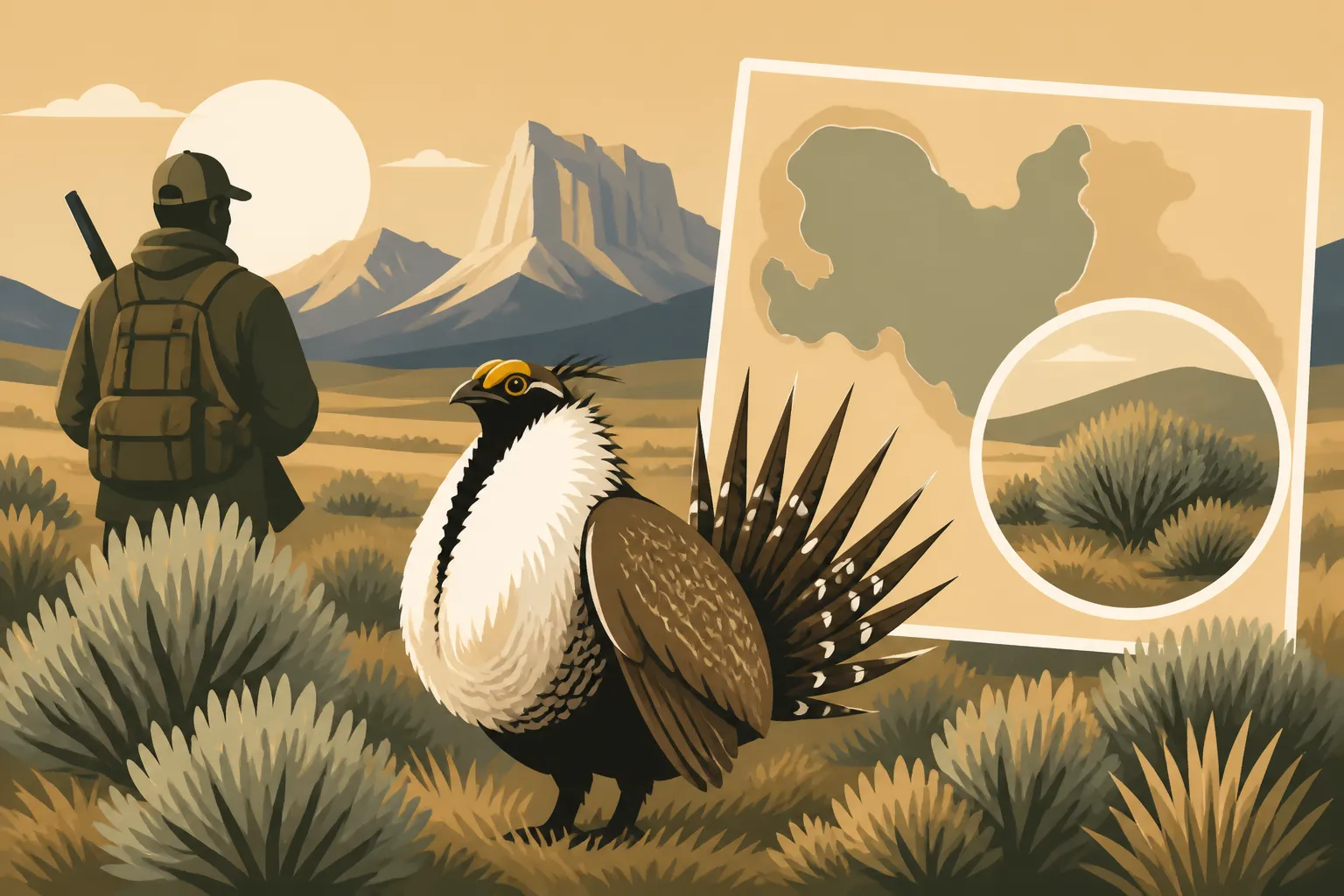
When you think of Wyoming, you probably picture towering mountain ranges, vast plains, and maybe some iconic wildlife like elk and mule deer. But for the greater sage grouse, Wyoming is home base, primarily due to the expansive sagebrush ecosystem that defines so much of the state. These birds are specialists, meaning they've evolved to rely almost exclusively on sagebrush for every aspect of their lives. Without it, they simply cannot survive, which is why understanding their habitat is the absolute first step to finding them.
The Sagebrush Ecosystem: A Unique World
The sagebrush steppe isn't just one type of plant; it's a diverse ecosystem dominated by various species of sagebrush, from big sagebrush to low sagebrush, silver sagebrush, and more. Each type plays a role, and the density, height, and health of these plants are critical. Sage grouse need mature, healthy sagebrush stands for cover from predators, especially during nesting season and throughout the long, cold Wyoming winters. Think of it as their grocery store, their nursery, and their bunker all rolled into one. They graze on its leaves, especially in winter when other food sources are buried under snow. The structure of the sagebrush also provides crucial overhead concealment from aerial predators like eagles and ground cover from foxes and coyotes.
It’s not just the sagebrush itself, though. The entire understory of forbs (flowering plants) and grasses beneath the sagebrush canopy is essential. These plants provide a high-protein diet for chicks in the spring and summer, packed with insects and tender greens. A healthy sagebrush ecosystem, therefore, isn't just a monoculture of one plant, but a complex tapestry of flora that supports a myriad of life, with the sage grouse being a true bellwether species for the health of the entire system. Understanding this holistic dependence helps you appreciate why certain areas are prime grouse country, while others, despite having some sagebrush, just don't cut it.
Seasonal Movements and Specific Requirements
Sage grouse aren't static residents; their habitat needs shift throughout the year, dictating their movements and where you might find them. During the spring, the focus is all on the lek, or breeding ground. These open areas, often on slight rises or flats, are where the males gather to perform their elaborate strutting displays to attract females. Leks are a cornerstone of sage grouse life, and knowing the general location of active leks can help you pinpoint nearby hunting opportunities once the season opens. After breeding, hens will move to nearby sagebrush for nesting, needing dense, undisturbed cover to hide their nests. The Sage Grouse Bag Limit Explained might shed more light on hunting season specifics relative to these life cycles.
As summer progresses, especially in dry years, sage grouse will often move towards areas with higher moisture content, like wet meadows, riparian zones, and creek bottoms. These areas provide the succulent forbs and abundant insects that young chicks need to grow rapidly. Without these critical moist-site habitats, chick survival rates plummet. Then, as winter approaches, they'll seek out the tallest, densest sagebrush stands available, often on south-facing slopes that shed snow faster or in areas where snow doesn't accumulate as deeply. These robust sagebrush stands are their only food source during the deep snows, providing both sustenance and thermal cover. This seasonal migration means that what might be prime habitat in spring could be empty in fall, requiring hunters to think dynamically about where the birds will be given the time of year and recent weather patterns.
Key Regions and Counties for Sage Grouse in Wyoming
Wyoming is indeed the heartland of the greater sage grouse, boasting some of the largest and most robust populations across its vast landscape. However, it's a huge state, and not every acre of sagebrush is equal. Certain regions and counties consistently stand out as key areas, offering the ideal mosaic of habitat elements these birds need to thrive. Knowing these general regions helps narrow your focus immensely, whether you're planning a trip or just trying to understand the species' distribution.
Core Areas: Where the Densities Are Highest
When you're looking for sage grouse, you want to focus on Wyoming's vast, intact sagebrush landscapes, particularly in the central and southwestern portions of the state. Counties like Carbon, Sweetwater, Fremont, and Sublette are often at the top of the list. These areas are characterized by immense expanses of unbroken sagebrush steppe, often gently rolling hills interspersed with draws, buttes, and occasional wet areas. The sheer scale of the habitat here provides the birds with ample room to move, breed, and feed without excessive pressure. These regions also tend to have large tracts of public land, primarily managed by the Bureau of Land Management (BLM), which offers significant access opportunities for hunters. BLM Holds 27,860 Square Miles of Wyoming of these public lands are prime sage grouse hunting grounds.
For instance, the Red Desert in south-central Wyoming, spanning parts of Sweetwater, Carbon, and Fremont counties, is an iconic sage grouse stronghold. While rugged and remote, its vastness and relatively undisturbed nature provide excellent habitat. Similarly, areas within the Upper Green River Basin in Sublette County are known for healthy populations. These core areas aren't just large; they also often contain a higher density of leks, which are fundamental to the birds' reproductive success. When you're researching potential hunt areas, look for contiguous blocks of sagebrush that aren't heavily fragmented by development, agriculture, or intense grazing, as these are the hallmarks of quality sage grouse habitat.
Secondary Ranges and Important Overlap Zones
While the big, central sagebrush seas are the primary focus, there are also significant secondary ranges and overlap zones across Wyoming that hold good numbers of sage grouse. These areas might include parts of Lincoln, Uinta, and even some eastern counties like Converse and Niobrara, particularly where large blocks of native sagebrush still persist. In these regions, the sagebrush habitat might be more intermingled with other features, such as foothills, agricultural lands, or more varied terrain. While densities might not be as high as in the core areas, they can still offer excellent hunting, often with less pressure simply because they aren't the first places people think of.
These secondary ranges are often crucial for maintaining genetic diversity and providing corridors between larger populations. For example, in the western part of the state, sagebrush intermingles with mountain shrub communities, providing unique habitat opportunities. In eastern Wyoming, you might find sage grouse populations on large ranches where vast tracts of private land are still dedicated to traditional grazing, maintaining critical sagebrush ecosystems. Access in these areas might involve more careful navigation of land ownership, potentially utilizing programs like Access Yes, or seeking permission from private landowners. Regardless, understanding that sage grouse aren't only in the most famous locations but can be found in a broader, albeit more patchy, distribution helps expand your hunting horizons.
Specific Hunt Areas and Public Access
Once you understand the general habitat and key regions, the next hurdle is pinpointing specific hunt areas and figuring out how to legally access them. Wyoming has a vast amount of public land, but it's not always a straightforward proposition, especially for sage grouse hunting which often occurs in remote, unglamorous sage flats. This section will guide you through mapping tools and the different types of public access you'll encounter.
Navigating Public Lands and Designated Hunt Areas
Wyoming's sage grouse hunt areas are designated by the Wyoming Game and Fish Department (WGFD) and are often quite large, encompassing entire ecosystems rather than small, defined parcels. These hunt areas correspond to the broader distribution of sage grouse and are typically managed to ensure sustainable harvest within those populations. To really dial in on where to hunt within these vast areas, you need to understand the underlying land ownership. Most prime sage grouse habitat falls on federal lands, primarily managed by the BLM, but also significant portions of state trust lands and even some National Forest lands at lower elevations.
Successfully navigating these lands requires detailed maps that clearly delineate public from private boundaries. It's not uncommon to find a checkerboard pattern of land ownership, especially in parts of southern Wyoming, where alternating sections of public and private ground can create access challenges. Understanding How Wyoming Numbers Its Hunt Areas can give you a starting point, but then you need to overlay that with accurate land ownership data. Always consult the official WGFD regulations for the specific hunt area you are targeting, as season dates and bag limits can vary. Also, be mindful of any seasonal road closures or special restrictions that might be in place to protect sensitive winter ranges or breeding grounds, which could impact your access even on public land.
Utilizing Mapping Tools for Sage Grouse Hunting
In today's hunting world, mapping applications are indispensable, especially for open-country species like sage grouse. Tools like GoHunt, onX Hunt, or BaseMap provide critical layers that illustrate land ownership (public, private, state), topography, designated hunt area boundaries, and often even habitat data. These applications allow you to e-scout from home, identifying large blocks of public land with good sagebrush cover before you ever set foot in the field. You can zoom in, mark potential parking spots, identify drainages that might hold water, and even locate old two-track roads that lead into promising territory. E-Scouting a Unit Before the Season Opens is a tactic that truly shines when chasing birds across these expansive landscapes.
When using GoHunt or similar tools, pay close attention to the details. Look for areas with a high density of sagebrush (often visible in satellite imagery) that are away from major roads but still offer reasonable access. Cross-reference potential spots with water sources, especially during dry periods, as birds will gravitate towards them. While these apps are incredibly powerful, always remember they are tools, not gospel. Ground-truthing is essential; what looks good on a screen might be inaccessible or less productive in reality. Always carry physical maps as a backup, and download offline maps to your device, as cell service is often nonexistent in much of Wyoming's sage grouse country. These mapping solutions are not just about finding land; they're about strategically planning your entire hunt, from approach to recovery.
Conservation Efforts and Population Trends
The greater sage grouse is a species that has garnered significant attention from wildlife managers, conservationists, and hunters alike. Its populations have experienced declines across its range, primarily due to habitat loss and fragmentation, making understanding its status and the efforts to protect it crucial for any responsible hunter. Wyoming, with its vast sagebrush landscapes, plays a critical role in the future of these iconic birds.
Why Sage Grouse Populations Are a Concern
The primary reason for concern surrounding sage grouse populations boils down to their absolute dependence on the sagebrush ecosystem. As mentioned, they need vast, intact, and healthy sagebrush. Unfortunately, this habitat has faced numerous threats over the decades. Energy development, agricultural conversion, invasive annual grasses (which fuel wildfires that destroy sagebrush), residential sprawl, and even poorly managed grazing can all lead to habitat loss and fragmentation. When sagebrush is removed or broken up into smaller, isolated patches, it makes the birds more vulnerable to predators, disrupts their breeding cycles, and limits their ability to find food and cover throughout the year. Why Sage Grouse Populations Worry Biologists is a topic that resonates deeply within the conservation community.
The fragmentation of habitat creates "islands" of sage grouse, making them more susceptible to localized extinctions and reducing genetic diversity. Furthermore, climate change poses an additional layer of complexity, altering precipitation patterns and potentially increasing the frequency and intensity of wildfires. All these factors combined mean that sage grouse populations, while still relatively robust in Wyoming compared to some other states, require constant monitoring and proactive management to ensure their long-term viability. Hunters, through license fees and excise taxes on gear, contribute significantly to these conservation efforts, making their participation in management discussions and responsible hunting practices even more vital.
Hunting Regulations and Management Strategies
Wyoming Game and Fish Department (WGFD) manages sage grouse populations with a strong emphasis on sustainability, ensuring that hunting remains a responsible and beneficial part of the conservation picture. This management involves setting conservative bag limits, establishing specific season dates for different hunt areas, and conducting extensive population monitoring. Biologists regularly count birds on leks in the spring and track chick survival rates in the summer to assess population health. The data collected from these surveys directly informs the hunting regulations for the upcoming seasons. Sage Grouse Status and Hunting in Wyoming is a good resource for understanding these efforts.
Hunters are an integral part of this management strategy. By participating in regulated hunting, they provide valuable data through harvest reports and contribute financially to conservation programs. WGFD also implements habitat enhancement projects, working with private landowners and other agencies to restore degraded sagebrush areas, control invasive species, and improve water sources for birds. These efforts aren't just for the grouse; they benefit a multitude of other sagebrush-dependent species, from mule deer and pronghorn to various songbirds and small mammals. As a hunter, staying informed about current regulations, respecting private land boundaries, and advocating for sagebrush conservation are all ways to contribute to the future of sage grouse hunting in Wyoming.
Here's a quick look at some of Wyoming's key sage grouse areas:
| Region | Primary Counties | Key Habitat Characteristics | Public Access (Typical) |
|---|---|---|---|
| Southwest/Central | Sweetwater, Fremont, Sublette, Carbon | Vast, unbroken sagebrush steppe; rolling plains; draws & badlands; some riparian zones | Extensive BLM, State Trust Land, some Forest Service |
| Western | Lincoln, Uinta | Mix of high desert sagebrush and mountain foothills; intermingled with timber | BLM, Forest Service, some private |
| Eastern Plains | Converse, Niobrara | More fragmented sagebrush; intermixed with agricultural lands; flatter terrain | Mostly private, some State Trust Land, smaller BLM parcels |
This table provides a general overview, but always check current maps and regulations for specific details on hunt area boundaries and land ownership before heading out.
Disclaimer
This article is for general informational purposes only and does not constitute professional advice. Laws, prices and regulations vary by location and change over time. Consult a qualified professional for guidance on your specific situation.