How Many Acres Wyoming’s Access Yes Covers
For many hunters, the challenge of finding enough accessible ground in Wyoming can feel like trying to solve a complex puzzle with half the pieces missing. You spend hours poring over maps, only to find vast tracts of public land effectively landlocked by private property, or prime hunting areas behind fences with "No Trespassing" signs. This guide is here to shed light on one of Wyoming's most vital programs for hunters: Access Yes. We'll dive into just how many acres this incredible initiative covers, what kind of access it provides, and how you can leverage it to expand your hunting opportunities across the state.
Understanding the Scope of Wyoming's Access Yes Program
The Access Yes program is a true game-changer for public land hunters in Wyoming. It's built on the idea of cooperation, where the Wyoming Game & Fish Department works directly with private landowners to open up ground that would otherwise be completely inaccessible. This isn't just about charity; it's a mutually beneficial agreement that aims to enhance hunting opportunities while respecting private property rights.
The Acreage Behind the Promise
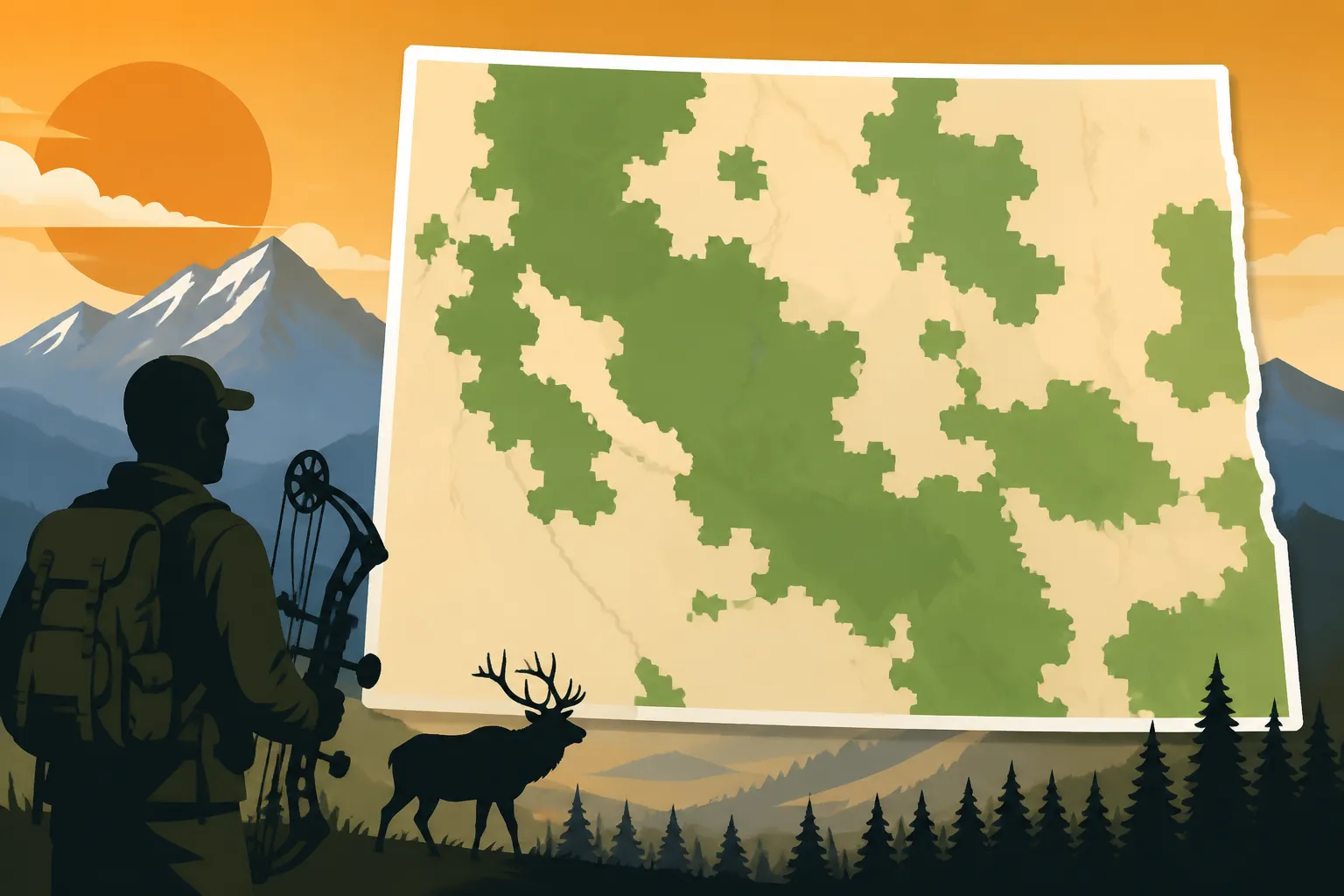
When you ask, "How many acres does Wyoming's Access Yes cover?" it's not a static number you can simply look up and etch in stone. The program operates on voluntary agreements with private landowners, meaning the total acreage changes year to year, sometimes even season to season. However, what we can definitively say is that Access Yes consistently opens up hundreds of thousands of acres – often reaching well over half a million or even millions of acres over time – that would otherwise be closed to public hunting. Think about that for a moment: potentially millions of acres becoming available because of this program. It's a massive expansion of opportunity, especially in a state where private land can create frustrating barriers to public ground.
Imagine spending countless hours E-Scouting a Unit Before the Season Opens only to find that prime elk winter range or antelope migration corridors are on private ground you can't touch. Access Yes steps in to bridge that gap. The exact numbers fluctuate, of course, as landowners enroll or choose not to renew their agreements. The Wyoming Game & Fish Department (WGFD) works diligently to maintain and expand these agreements, but it's a dynamic landscape. You might see a massive ranch come on board one year, opening up tens of thousands of acres, and then a smaller parcel drop off the next. The important takeaway is the sheer scale and the consistent effort to provide meaningful access.
How Access Yes Expands Your Hunting Map
The beauty of Access Yes isn't just the sheer volume of acres; it's how those acres are strategically integrated into the hunting landscape. These aren't always isolated parcels; often, Access Yes areas are crucial connectors, opening up pathways to previously landlocked public land or creating new, expansive hunting zones by linking multiple private properties. This makes an enormous difference when you're trying to put together a hunt plan.
Consider a situation where a vast section of Bureau of Land Management (BLM) property is completely surrounded by private ranches, rendering it unreachable to the average hunter. An Access Yes agreement might come into play, providing a designated corridor or a specific parking area and walk-in route across a corner of that private land, suddenly making that previously inaccessible BLM ground fair game. This kind of access significantly impacts your ability to cover ground and find game, transforming a frustrating barrier into a hunting opportunity. It’s a testament to the program’s thoughtful approach to increasing access, not just by adding numbers to a total, but by strategically placing those numbers where they matter most for hunters. You can find more details about the program's general workings in How Wyoming's Access Yes Program Works.
Types of Access Under the Access Yes Umbrella
The Access Yes program isn't a one-size-fits-all solution; it offers different types of access agreements, each with its own set of rules and benefits. Understanding these distinctions is crucial for planning your hunt and ensuring you stay within the legal boundaries.
Walk-In Hunting Areas (WIHAs)
Walk-In Hunting Areas, or WIHAs, are perhaps the most straightforward type of Access Yes ground. These areas are typically open for public hunting without the need for any special permission slip or advance contact. As the name suggests, access is generally limited to foot traffic, encouraging hunters to get away from roads and enjoy a more traditional hunting experience. This is often private land where the landowner has agreed to allow foot access for specific hunting seasons and species.
The primary advantage of WIHAs is their simplicity; you identify the area on a map, confirm the season dates and allowed species, and go hunt. There’s no complex application process or waiting for approval, which is a huge relief for many hunters. While some WIHAs might be smaller parcels primarily offering upland bird hunting or deer access along river bottoms, many open up substantial acreage for big game like deer, antelope, and even elk. You'll often find these areas clearly marked with WGFD signs, indicating the boundaries and rules. It's still your responsibility to know where you are at all times, but the "no permission slip" aspect simplifies things greatly. For a deeper dive, check out Why Walk-In Areas Need No Permission Slip.
Hunter Management Areas (HMAs)
Hunter Management Areas, or HMAs, represent a slightly more structured form of access under the Access Yes program. Unlike WIHAs, HMAs almost always require hunters to obtain a permission slip before entering the property. These slips are typically free and can be acquired online through the WGFD website, often on a first-come, first-served basis, or with specific application windows. The purpose of the permission slip system is to help landowners manage hunter numbers, prevent overcrowding, and protect their livestock or property.
HMAs might also have more specific rules regarding vehicle use, designated parking areas, entry and exit points, and even limits on the number of hunters allowed on a given day or during a specific period. These regulations are set to ensure a positive experience for both hunters and landowners, preventing undue pressure on the land or the wildlife. While requiring a bit more planning upfront, HMAs can open up truly exceptional hunting opportunities on private ground that is carefully managed and often less pressured than open public land. Failing to secure the proper permission slip can lead to trespassing charges, so always ensure you have yours in hand. Learn more about the specific requirements in Hunter Management Areas Do Need One.
Fishing Access Areas (FAAs) and Beyond
While the focus is often on big game hunting, the Access Yes program, in its broader goal of providing public access, also includes Fishing Access Areas (FAAs) that sometimes offer hunting opportunities. These FAAs are primarily established for anglers along rivers and streams, but many also allow for upland bird hunting, small game pursuit, or even archery deer hunting along riparian corridors during their respective seasons. These smaller, often linear, parcels might not cover vast acreages, but they can be incredibly valuable for specific types of hunting, providing access to habitats often overlooked by those solely focused on big game.
It's a mistake to discount these smaller areas. Many a hunter has found success chasing pheasants or ducks along a river bottom accessed through an FAA. Beyond these, the WGFD occasionally establishes other specialized access sites that might not fit neatly into the WIHA or HMA categories but are still part of the overall mission to enhance public access. Always check the current WGFD Access Yes maps and information for the most up-to-date details on all available areas and their specific rules. This comprehensive approach ensures that various types of outdoor enthusiasts can find new places to pursue their passions across Wyoming. You can also explore other state-owned hunting grounds, like those covered by Wyoming State Trust Land Hunting.
Maximizing Your Chances on Access Yes Ground
Hunting Access Yes properties successfully requires a bit more than just showing up. It involves research, respect, and smart planning to make the most of these invaluable opportunities.
Navigating the System: Maps and Information
The single most important tool for hunting Access Yes ground is up-to-date information. The Wyoming Game & Fish Department maintains a dedicated section on its website for Access Yes, where you can find interactive maps, detailed regulations for each HMA and WIHA, and printable permission slips for HMAs. It's absolutely crucial to check these resources every year, and even throughout the season, as properties can be added, removed, or have their rules updated. Don't rely on last year's printout; a quick check could save you a wasted trip or even a fine.
Beyond the official WGFD resources, digital mapping tools like onX Hunt have become indispensable for many hunters. These apps often integrate Access Yes boundaries and rules directly into their public/private land layers, making it incredibly easy to visualize access points, property lines, and available hunting areas right on your phone in the field. This capability alone can be a game-changer when you're trying to determine if that ridge in the distance is accessible or if the draw you want to stalk into is still on enrolled land. Similarly, platforms like GoHunt provide valuable planning tools that can help identify potential Access Yes opportunities within specific hunt units. Always cross-reference with the official WGFD site, but these tools can greatly enhance your planning and navigation. You can get more information on Finding Walk-In Area Maps by County directly from the WGFD. For general land mapping, don't forget The Wyoming Public Land Owner Map Explained as well.
Respecting the Resource and the Landowner
Access Yes is a privilege, not a right, and its continued success hinges entirely on the respectful behavior of hunters. Every Access Yes agreement is a voluntary partnership with a private landowner, and one negative experience can jeopardize access for hundreds, if not thousands, of hunters in the future. It’s an unfortunate reality that a single irresponsible individual can ruin a good thing for everyone.
Therefore, when you step onto Access Yes ground, treat it as if it were your own property – or better yet, as if you were a guest in someone else's home. Always leave gates as you find them, whether open or closed. Stay strictly within the marked boundaries and designated access routes. Pack out all your trash, including spent shell casings. Respect livestock, fences, and any private infrastructure. Adhere meticulously to all rules specific to that Access Yes area, whether it’s about vehicle use, camping, or species allowed. A simple phone call to the landowner with a question or a quick "thank you" can go a long way in fostering goodwill and ensuring these precious acres remain open for years to come. Your actions directly impact the future of public access in Wyoming.
Planning Your Hunt Around Access Yes
Incorporating Access Yes areas into your hunting strategy can be incredibly effective, but it requires thoughtful planning. Don't view these areas as a last resort; often, they can be primary hunting destinations, especially for species like antelope, deer, and even some elk, depending on the area. Start by identifying your target hunt unit and then consult the WGFD Access Yes maps to see what opportunities exist within or adjacent to it. Sometimes, an Access Yes property provides the only reasonable Reaching Wyoming Public Land by Public Road to an otherwise landlocked block of federal ground.
Consider how these areas fit into the larger landscape. An HMA might border a national forest, providing a strategic entry point into bigger country. A WIHA could offer prime staging or feeding areas that connect to larger public tracts where game might bed. Factor in the specific rules: if vehicle use is restricted, plan for more foot travel and consider what gear you’ll need to pack in. Always be prepared for varying terrain and hunting pressure. While some HMAs are specifically designed to limit hunter numbers, WIHAs can sometimes see significant use, particularly on opening weekends. The key is to be adaptable and use the Access Yes program as a powerful component of a well-rounded hunting strategy. Ensure you're familiar with regulations that might impact your hunt, such as The Rules on Hunting From a Vehicle. Also, always make sure to check Where Game and Fish Posts Access Area Maps.
Here's a quick comparison of the two main types of Access Yes opportunities:
| Feature | Walk-In Hunting Area (WIHA) | Hunter Management Area (HMA) |
|---|---|---|
| Permission Slip | Not required | Required (usually online) |
| Access Type | Primarily foot traffic | Foot traffic, some designated vehicle access |
| Hunter Numbers | Generally unrestricted | Managed/limited via permission slips |
| Rules Complexity | Generally simpler, follow WGFD regulations | Specific rules for each area (vehicles, dates, species) |
| Typical Species | Deer, antelope, upland birds, sometimes elk | Deer, antelope, elk, sometimes waterfowl/birds |
| Ease of Use | High (find, go hunt) | Moderate (obtain slip, follow specific rules) |
| Management Focus | Broad access provision | Targeted habitat/wildlife management, pressure control |
Disclaimer
This article is for general informational purposes only and does not constitute professional advice. Laws, prices and regulations vary by location and change over time. Consult a qualified professional for guidance on your specific situation.