How Many Nonresident Sheep Tags Wyoming Issues
If you've ever dreamt of chasing bighorn sheep across Wyoming's rugged mountains, you've likely also grappled with the stark reality of how few nonresident tags are actually available. It's a frustrating, often disheartening process for many, making it feel like an impossible dream. This guide aims to pull back the curtain on just how many of these coveted tags Wyoming issues to out-of-state hunters, delving into the factors that make them so rare and offering a realistic look at the application process.
The Scarcity of Wyoming Nonresident Bighorn Sheep Tags
Let's be blunt: drawing a bighorn sheep tag in Wyoming as a nonresident is one of the toughest feats in Western hunting. It's not just "hard"; it often feels like winning the lottery, because in many ways, it is. The number of tags available for nonresidents is incredibly low, largely due to Wyoming's allocation system and the sheer demand for this iconic species.
Understanding the 90/10 Split for Once-in-a-Lifetime Species
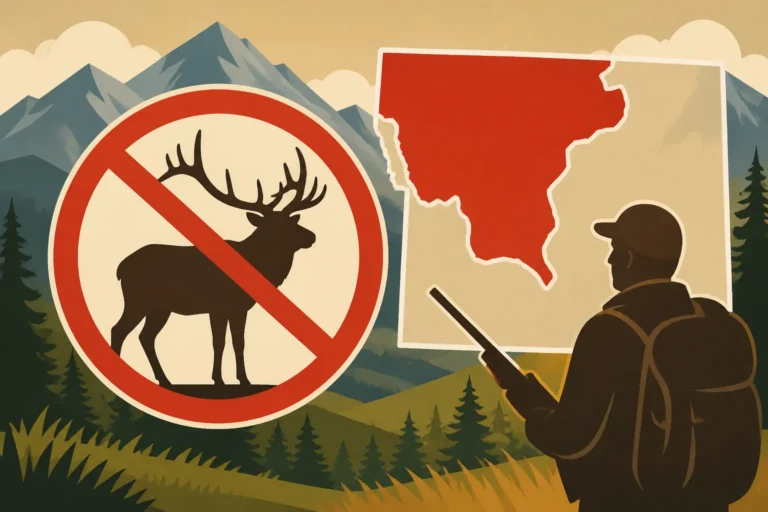
Wyoming has a specific rule for certain high-demand, limited-quota species like bighorn sheep, moose, and mountain goat, often referred to as the 90/10 split. This means that 90% of the available licenses for these species are reserved for residents, while only 10% are allocated to nonresidents. While this might sound like a reasonable percentage on paper, when the total number of tags for a given hunt area is already tiny, that 10% dwindles down to almost nothing.
For example, if a particular hunt area only has 10 bighorn sheep tags available in total for the year, the 90/10 split means residents get 9 tags, and nonresidents are left with a single tag. In areas with even fewer tags, it's not uncommon for the nonresident quota to round down to zero. This is a crucial piece of the puzzle, and it’s why understanding The 90/10 Split That Reshaped Wyoming's Sheep and Moose Draws is essential for anyone looking to hunt these animals. This allocation ensures that the resource is primarily managed for local residents, leaving nonresidents with extremely long odds.
Recent Nonresident Tag Numbers: A Sobering Reality Check
To truly grasp the scale of the challenge, it helps to look at recent numbers. While the exact figures fluctuate year to year based on herd objectives, winter severity, and biological recommendations, nonresident bighorn sheep tags are typically in the single digits statewide. Yes, you read that right – often fewer than ten tags for all nonresidents across all hunt areas in Wyoming for a given season.
In many hunt areas, especially those known for trophy-class rams, there are often zero nonresident tags available. For instance, in a given year, you might see one Type 1 (any ram) tag available in one area, maybe another in a different region, but it's exceptionally rare to see more than a handful across the entire state. These are not numbers that lend themselves to easy drawing, which is why when you look at the odds, you'll often find that Wyoming Bighorn Sheep Random Odds Sit Under One Percent. This isn't to discourage you, but rather to ground your expectations in reality. Planning your application strategy with tools like those offered by GoHunt, which analyze these draw odds, can help you make informed decisions, even if the numbers are daunting.
Navigating Wyoming's Bighorn Sheep Draw System
Understanding the draw system for bighorn sheep is paramount, as it's a bit more nuanced than a simple lottery for the majority of tags. Wyoming uses a weighted preference point system for 75% of its available tags, with the remaining 25% allocated in a random draw. This mix means both persistence and luck play a role, but for nonresidents, even accumulating points doesn't guarantee success.
The Preference Point System for Sheep
Unlike some other states, Wyoming's draw system for species like sheep, elk, deer, and antelope is split. 75% of the tags are awarded based on accumulated preference points, meaning those with the most points get first crack at the tags. The remaining 25% of licenses are allocated through a random drawing, where every applicant has an equal chance, regardless of how many points they've amassed. This structure is thoroughly explained in guides like How Wyoming Splits Every Draw 75 Percent Points and 25 Percent Random.
For nonresidents, accumulating preference points for sheep is a long game, often a multi-decade commitment. Because so few nonresident tags exist, even having 20+ points might not be enough to draw in the 75% bucket if there's only one tag and several other applicants have just as many or more points. The random 25% draw offers a sliver of hope each year, but as mentioned, those odds are typically less than one percent. It's a system designed to reward long-term commitment while still offering a small chance to newcomers.
Application Deadlines and Fees: Don't Miss Out
Even with the incredibly slim odds, if you're serious about hunting Wyoming bighorn sheep, you absolutely cannot miss the application deadlines. Wyoming has specific application periods for different species, and sheep, goats, moose, and bison all close on April 30. Missing this date means waiting another year to even have a chance. It’s critical to mark your calendar and get your application in on time. For a comprehensive overview, you'll want to review Wyoming's Four Application Deadlines, February Through June.
When applying, be prepared for the financial commitment. A nonresident bighorn sheep license is among the most expensive tags in Wyoming, often ranging north of $2,000 for the license itself, not including the non-refundable application fee. This is part of why understanding Wyoming Nonresident Tags Run $326 to $1,965 is important for financial planning. Additionally, every hunter in Wyoming needs to purchase a conservation stamp, the price of which is relatively small but a mandatory expense. While these costs can feel steep for a long-shot draw, it’s the price of admission to one of North America's most sought-after hunts.
Checking Draw Odds and Learning From Past Results
One of the most valuable resources for any nonresident applicant is the ability to check past draw odds. The Wyoming Game and Fish Department (WGFD) publishes draw odds and success rates annually, broken down by hunt area and license type. Websites and services like GoHunt aggregate this data and make it incredibly user-friendly, allowing you to see how many applicants there were for each tag, how many points it took to draw, and what the random odds looked like. This is precisely why resources on Checking Draw Odds Before You Apply are so beneficial.
Analyzing this data helps set realistic expectations. You'll quickly see which areas are virtually impossible for nonresidents to draw and which might offer a slightly (though still very low) better chance in the random draw. While past results don't guarantee future outcomes, they provide the best available insight into the competitive landscape. For example, some areas might have a higher overall quota, which could translate to one or two nonresident tags becoming available, while others consistently offer none. Also, keep in mind that When Wyoming Draw Results Post, Species by Species varies, so stay vigilant to see if your luck finally turned.
Realistic Strategies for Nonresident Sheep Hunters
Given the challenging odds, developing a realistic, long-term strategy is crucial for nonresidents hoping to hunt bighorn sheep in Wyoming. It's less about a quick win and more about sustained effort and smart planning.
The Long Game: Accumulating Preference Points
For the preference point portion of the draw, patience truly is a virtue. If you're serious about hunting Wyoming bighorn sheep, the most consistent strategy is to purchase a preference point every year. You can do this without applying for a tag itself, simply paying the fee for the point. This method, often detailed in articles like Buying Wyoming Preference Points Without Applying for a Tag, allows you to steadily build your point total, increasing your mathematical chances over decades.
While building points, it's a good idea to research the various hunt districts. Some areas might have lower point requirements if a nonresident tag does become available in the 75% allocation, while others will always be out of reach. This is where tools from GoHunt can shine, helping you model different scenarios and understand the point creep that plagues many Western draws. Remember, many residents have been accumulating points for a lifetime, so even a significant number of points for a nonresident may not be enough to compete directly for the preference point allocated tags.
Considering "Ewe" Tags: A Different Opportunity
While most hunters dream of a full-curl ram, Wyoming occasionally offers limited ewe (female sheep) tags. These licenses are generally less expensive and have slightly better odds than ram tags, though they are still incredibly difficult for nonresidents to draw. Ewe hunts are typically used by the WGFD for herd management purposes, often in areas where population reduction or dispersal is desired.
For a nonresident, drawing a ewe tag could provide an invaluable experience of hunting bighorn sheep in Wyoming, allowing you to learn the terrain, the animals, and the challenges of a mountain hunt without the intense pressure of a ram tag. While not the "trophy" many envision, it's a legitimate hunting opportunity that shouldn't be overlooked. You can learn more about these different tag types in resources discussing Ewe Hunts Against Full-Price Ram Tags. This could be a way to get your foot in the door and experience the thrill of a sheep hunt.
The Importance of Detailed Research and Planning
Success in drawing a Wyoming bighorn sheep tag, even with low odds, comes down to meticulous research and planning. Before you even apply, you should be pouring over WGFD statistics, scrutinizing hunt area maps, and understanding the specific regulations for each unit. Websites like GoHunt provide excellent data analysis and mapping tools that can help you dive deep into past draw odds, public land access, and historical harvest data.
Furthermore, consider researching the specific characteristics of various hunt districts. Some areas might be less physically demanding, while others are true wilderness expeditions. This research extends to understanding the species itself; for instance, the difference between a bighorn ram and a ewe hunt is significant, both in terms of opportunity and experience. Even if you're Scouting a Wyoming Unit From Your Kitchen Table, comprehensive research is the foundation of any successful hunting strategy, especially when pursuing a species as challenging as bighorn sheep.
Don't Forget Hunter Education
Before you can even apply for any hunting license in Wyoming, you need to ensure you meet the state's hunter education requirements. If you were born after January 1, 1965, you'll need to have a valid hunter education certificate. This is a crucial step that sometimes gets overlooked in the excitement of planning a dream hunt. Make sure to check if you fall under Wyoming's Hunter Education Birth Year Cutoff and get certified well in advance of any application deadlines. This foundational requirement applies to all species, from antelope to bighorn sheep.
The Dream of a Wyoming Bighorn Sheep Tag
Ultimately, the dream of a Wyoming nonresident bighorn sheep tag is built on hope, persistence, and an understanding of challenging odds. The state issues an incredibly small number of these tags to nonresidents, typically in the single digits statewide each year, due to the 90/10 resident-to-nonresident allocation split for these coveted species. While the 75/25 preference point system offers a chance to build equity, the random draw remains the most likely (albeit still minuscule) avenue for nonresidents to succeed.
For those dedicated to the pursuit, the strategy is clear: consistently apply for preference points, meticulously research hunt areas and draw odds using resources like GoHunt, and consider the alternative opportunity of a ewe tag. Even if the odds feel insurmountable, the pursuit itself is part of the adventure. And when that long-awaited draw result finally comes in your favor, the years of patience and planning will make the experience all the more meaningful.
Disclaimer
Please remember that hunting regulations and tag allocations, including those for bighorn sheep in Wyoming, are subject to change annually. Always consult the official Wyoming Game and Fish Department (WGFD) regulations and current year's hunting proclamations for the most accurate and up-to-date information before applying for any license or planning a hunt.