How Wyoming Splits Every Draw 75 Percent Points and 25 Percent Random
Navigating the labyrinthine world of Western big game draws can feel like trying to solve a Rubik's Cube blindfolded, especially when you're dealing with a system as nuanced as Wyoming's. Many hunters, both seasoned and new, find themselves utterly perplexed by how the tags are actually handed out, particularly when they've diligently accumulated preference points for years only to see someone with zero points pull a coveted tag. This guide is here to unravel the mystery behind Wyoming's draw system, breaking down the 75 percent preference point and 25 percent random split that dictates so much of our hunting dreams and frustrations.
Understanding Wyoming's Unique Draw System
Wyoming’s draw system often leaves hunters scratching their heads. You hear tales of people drawing premium tags with zero points, while others, with years of accumulated points, strike out. This isn't just bad luck; it's a direct result of the unique split in Wyoming's draw mechanics. It's designed to offer a balance – rewarding persistence through preference points while still providing a shot at a dream tag for those just starting out or taking a chance.
The Dual Nature of the Draw
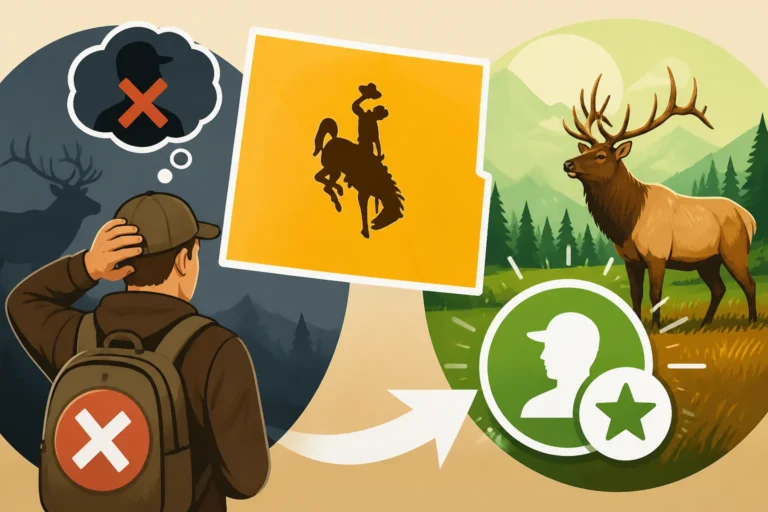
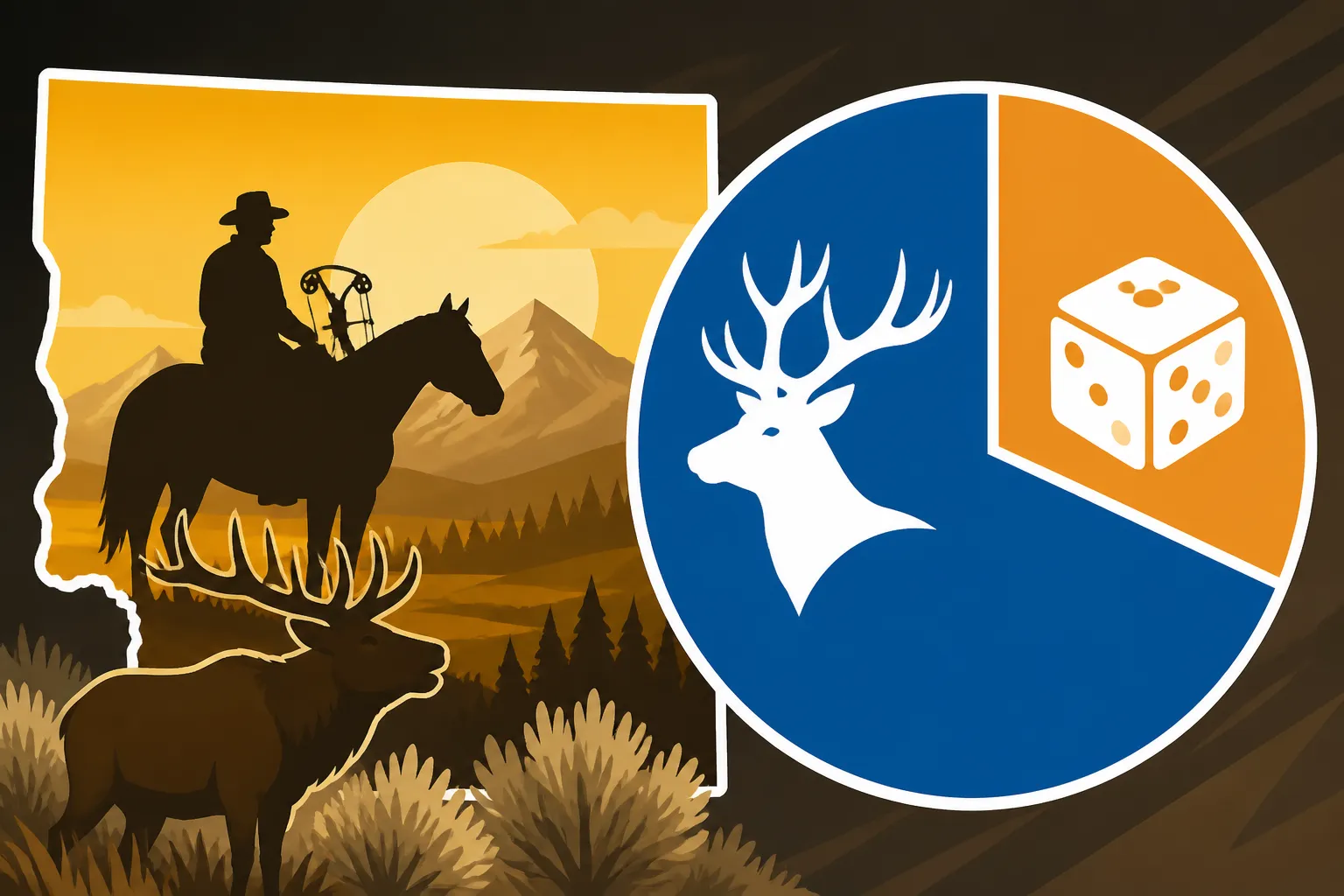
Imagine the frustration: you've been putting in for elk in a specific unit for seven years, buying a preference point religiously, meticulously saving for that once-in-a-decade hunt. Then, come draw results day, your buddy, who just threw his name in for the first time, texts you a screenshot of his success. "Zero points, baby!" he crows, and you feel a mix of happiness for him and a profound sense of injustice for yourself. This feeling is entirely valid, and it’s a direct consequence of Wyoming's dual draw system. The Wyoming Game and Fish Department doesn't just run one lottery; they run two concurrent ones for most limited quota tags. One allocates 75% of the available tags based purely on accumulated preference points, favoring those who have built up a significant history. The other, making up the remaining 25%, is a true random lottery, where every applicant, regardless of their point total, has an equal, albeit often slim, chance. This split aims to balance the scales, ensuring that new hunters or those taking a flyer on a tough unit still have a glimmer of hope, while simultaneously giving dedicated point accumulators a statistically higher likelihood of success.
Which Species and License Types Use This Split
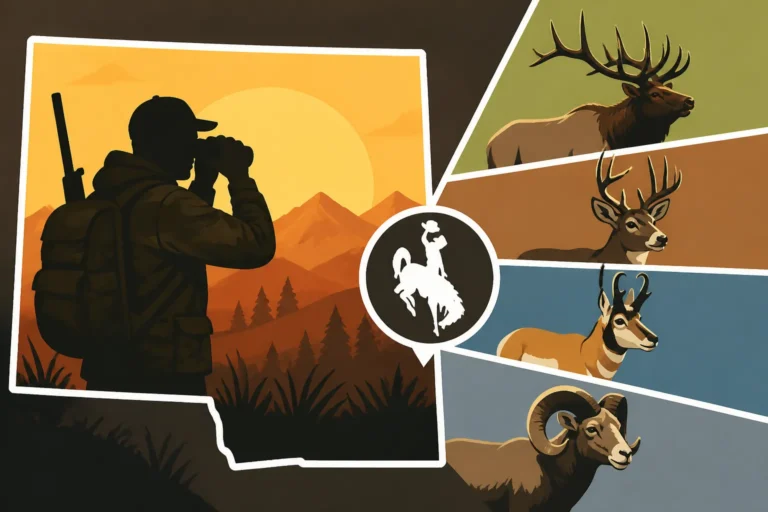
This 75/25 split isn't just a quirky feature for one or two animals; it's the backbone of how most limited quota big game tags are allocated in Wyoming. When you're dreaming of a trophy bull elk, a massive mule deer, or a high-scoring pronghorn, chances are you'll be navigating this very system. This applies to the highly sought-after Type 1 (any legal elk) or Type 2 (antlered deer) licenses that many hunters are after. However, it's crucial to understand that this system primarily governs limited quota licenses, which are allocated through the annual drawing process. These are the tags that are restricted in number for specific hunt areas to manage herd populations and provide quality hunting experiences.
Contrast this with general licenses, which are often available over-the-counter or through a separate, less competitive draw process. For example, a general elk license typically doesn't use this 75/25 split; it operates on a different allocation system. If you're looking for a more accessible hunt, understanding the distinction between general and limited quota is vital, as explored in depth in our guide, Wyoming General Licenses Against Limited Quota: Two Different Games. Species like bighorn sheep and moose, which are considered "once-in-a-lifetime" opportunities, have their own specific draw regulations, including a unique 90/10 split that heavily favors residents, as discussed in The 90/10 Split That Reshaped Wyoming's Sheep and Moose Draws. So, while the 75/25 preference point and random split is widespread for core big game species, always double-check the regulations for your specific target animal and license type.
The 75 Percent Preference Point Draw Explained
For many dedicated hunters, the preference point system is where their hopes truly lie. This is the mechanism designed to reward your patience and consistency. It’s the closest thing to a guarantee you’ll find in Western draws, though as we'll see, even here, success isn't absolute.
How Preference Points Work
The concept behind preference points is quite straightforward: for every year you apply for a limited quota tag and are unsuccessful, or if you simply choose to purchase a point without applying for a tag, you earn one preference point for that species. These points accumulate year after year. So, if you apply for an elk tag for five consecutive years and don't draw, you'll have five preference points for elk. The more points you have, the higher you climb on the proverbial ladder. This system ensures that those who have invested their time and money over many seasons eventually get their turn at the most desirable units. It’s a long game, for sure. Think of it as a loyalty program: the longer you're loyal to Wyoming and its draw system, the more likely you are to be rewarded. These points are species-specific, meaning your elk points don't help you with deer, and vice versa. It’s a crucial distinction that helps keep the playing field somewhat organized for each big game animal. You can even buy preference points without applying for a tag during a specific window, which is a smart strategy for building points if you can't hunt a given year or want to bank them for a future dream hunt, as detailed in Buying Wyoming Preference Points Without Applying for a Tag.
Calculating Your Odds in the Preference Pool
In the 75% preference pool, it's all about who has the most points. Here's how it generally works: the Wyoming Game and Fish Department will take 75% of the total available tags for a given hunt area and allocate them to the applicants with the highest number of accumulated preference points, working their way down the list until those tags are gone. Let's say a particular unit has 100 tags available. In the preference point draw, 75 of those tags will go to the 75 applicants who have the most points. If there are 10 applicants with 10 points, and 50 applicants with 9 points, and 100 applicants with 8 points, the draw will prioritize the 10-point holders, then move to the 9-point holders, and so on, until those 75 tags are awarded.
This is where the concept of "point creep" really comes into play. If, year after year, more applicants accumulate points at the same rate or faster than tags become available, the number of points required to draw a tag in the 75% pool steadily increases. This means that a unit that required 5 points to draw a few years ago might now demand 7 or 8 points. It’s a constant arms race for points, and it can be incredibly frustrating to feel like you’re gaining ground only for the goalpost to keep moving. Our article Why Point Creep Keeps Outrunning Wyoming Applicants delves deeper into this phenomenon. Using tools like GoHunt can be invaluable here, as they provide historical draw odds and statistics, allowing you to see how many points were needed for various units in past years and estimate future trends. This data helps you make an informed decision on whether your current point total is competitive for your desired unit or if you need to keep building points.
The Strategy Behind Accumulating Points
For many, the only viable strategy for drawing a top-tier Wyoming tag is the long game of point accumulation. This means committing to buying a preference point every single year, even if you don't apply for a tag or can't hunt. Think of it as investing in your future hunting opportunities. If you dream of hunting a trophy elk in a highly sought-after unit, you need to accept that it might take 10, 15, or even 20 years to build enough points to be competitive in that 75% draw pool. This patience pays off, as these high-point units often boast incredible success rates and mature animals.
However, it's not just about blindly accumulating. A smart strategy involves actively researching draw odds and understanding where your current point total puts you. Tools like GoHunt's insider resources allow you to dive into detailed draw data, helping you identify units where your points might be competitive in the near future, or conversely, units that are still decades away. For instance, if you're targeting a unit that required 15 points last year and you only have 5, you might decide to continue building points for that dream unit while perhaps applying for an easier-to-draw tag in the random pool, or even considering a lower-point unit in the 75% draw for a different species. This deliberate approach to point building, coupled with informed unit selection, is the cornerstone of success for many experienced Wyoming hunters.
The 25 Percent Random Draw Explained
While the preference point system rewards patience, the 25 percent random draw is where the true lottery magic, and sometimes heartbreak, happens. This segment of the draw gives everyone a shot, regardless of their history with Wyoming's system.
The True Lottery Component
Here's where things get interesting, and often, quite frustrating for those diligently building points. The remaining 25% of available tags for a given hunt area are allocated in a completely random draw. In this pool, your accumulated preference points count for absolutely nothing. Every single applicant, from the first-timer with zero points to the veteran with a double-digit stack, has an equal chance at one of these tags. It's a pure lottery. If there are 100 tags for a unit, and 75 go to the highest point holders, the remaining 25 tags are thrown into a hat, and names are pulled out at random. Your 10 points don't give you any more entries or a better chance than someone else's 0 points. This aspect of the draw system is what leads to those baffling stories of newcomers drawing highly coveted tags.
It’s easy to get discouraged if you've been sitting on a pile of points and a "zero-point wonder" snags a tag in your dream unit. However, this random component is also what makes Wyoming draws so appealing to many. It means that if you're new to Western hunting, or if you simply want to take a shot at an incredible unit without having to wait a decade or more, you always have a sliver of hope. It injects an element of unpredictability that keeps everyone engaged, even if it occasionally fuels resentment among the point-hoarders. It's the ultimate equalizer, ensuring that the draw isn't entirely a pay-to-play system based on longevity.
Who the Random Draw Favors and Doesn't
The random draw, by its very nature, is a double-edged sword. On one hand, it's a blessing for the new hunter or someone who decides on a whim to apply for a difficult-to-draw unit. Imagine you're a first-time applicant for a premier elk unit that typically requires 15+ points in the 75% draw. Your chances there are effectively zero. But in the 25% random pool, you stand an equal chance with everyone else. If 25 tags are available in that random pool and 10,000 people apply, your odds are 25 in 10,000, regardless of your point total. This provides an exciting opportunity for what many call "zero-point wonders" to pull a coveted tag right out of the gate. Our guide, Who the Wyoming Random Draw Favors, dives deeper into how this impacts different applicant types.
On the other hand, this random element can be incredibly frustrating for high-point holders. You've spent years, perhaps even decades, patiently accumulating points, carefully choosing your units, only to miss out in the 75% preference draw because of point creep. Then, to rub salt in the wound, you also fail to draw in the 25% random pool, while someone who just started gets lucky. It feels unfair because your dedication seems to count for nothing in that quarter of the tags. However, it's also important to remember that this 25% ensures that the draw remains dynamic and open. It prevents the system from becoming entirely closed off to new participants, which would eventually lead to a stagnant pool of applicants and potentially lower overall participation.
Balancing Risk and Reward in the Random Pool
When staring down the barrel of Wyoming’s 25% random draw, hunters face a classic risk-reward scenario. Do you apply for that truly once-in-a-lifetime unit, knowing your odds are incredibly slim in the random pool, but that at least a chance exists? Or do you play it safe, focusing solely on building points for a more achievable unit in the 75% preference draw? For many, the random pool offers a "why not try" mentality. Since your points don't factor in, there's no real "cost" to throwing your hat in the ring for a long-shot unit. If you don't draw, you still get your preference point for the next year (if you applied for one), and you haven't sacrificed any strategic advantage.
This approach is especially popular among hunters who might be applying for multiple species. For example, you might be meticulously building points for a premium elk unit in the 75% pool, but simultaneously apply for a long-shot mule deer tag in a trophy area, hoping to get lucky in the random draw. While the odds are often microscopic for these top-tier units in the random pool, the possibility is always there. This balance allows hunters to chase a dream tag without completely abandoning a more pragmatic, point-based strategy for other species or units. It's about intelligently spreading your bets, ensuring you always have a chance, no matter how small, at a truly special tag.
Navigating the Application Process with the Split in Mind
Understanding the 75/25 split is one thing, but actually using that knowledge to your advantage during the application period is where the rubber meets the road. It requires careful research and a strategic mindset.
Making Smart Unit Choices
Choosing the right hunt unit is arguably the most critical decision you'll make in the application process, and Wyoming's 75/25 split adds another layer of complexity. You can't just look at the raw number of points required for a unit; you need to consider how many tags are allocated through each component of the draw. For instance, a unit might require 10 preference points to draw in the 75% pool, effectively putting it out of reach for a hunter with 5 points. However, if that same unit has a substantial number of tags in the 25% random pool, and the sheer volume of applicants means the random odds are still low but statistically better than zero, it might be worth considering.
Resources like GoHunt are absolute game-changers here. Their detailed data breaks down draw odds by both preference point tiers and the random draw, giving you a comprehensive view of your chances. You can see how many applicants had X points and how many tags were awarded at each point level, as well as the overall odds in the random pool. This allows you to identify units where you might be competitive in the 75% pool, or units where the random odds, while slim, are still attractive enough to warrant an application. Our in-depth analysis on Checking Draw Odds Before You Apply offers more insights into using these tools effectively. For example, if you have accumulated 8 points for deer, you might look at units where 6-8 points were needed for the 75% draw last year. For a unit that required 10 points, you might decide to apply knowing your only real chance is the random draw, and still be satisfied knowing you'll bank another point for the 75% pool next year.
The Importance of Application Deadlines
While understanding the draw mechanics is crucial, none of it matters if you miss the application deadlines. Wyoming has very specific windows for each species, and these are hard deadlines that, if missed, mean you're out of luck for the entire year. It’s an easy mistake to make, especially when juggling applications for multiple states or species. For instance, the nonresident elk application deadline typically falls in early February, while deer and antelope applications close in June. Missing the deadline means you not only forfeit a chance at a tag but also miss out on accumulating a preference point for that year, setting you back in the long game.
Many hunters mark these dates on their calendars, set reminders on their phones, and even start their applications weeks in advance to avoid last-minute glitches. It's highly recommended to submit your application well before the final day to avoid server crashes or unforeseen technical difficulties. A good rule of thumb is to aim to have everything submitted a week before the official closing date. For a comprehensive overview of all the critical dates, refer to our guide, Wyoming's Four Application Deadlines, February Through June, which outlines all the key windows for elk, deer, antelope, and the once-in-a-lifetime species. Don’t let all your strategic planning go to waste because of a forgotten deadline.
Understanding Your Draw Results
The moment draw results drop is a mix of exhilaration and dread for every hunter. When those emails start rolling in or you check your account, knowing how Wyoming's 75/25 split works helps you interpret your results, whether successful or not. If you drew a tag, fantastic! Did you draw it because you had enough points to land in the 75% preference pool, or were you one of the lucky few to hit the random lottery in the 25%? While the results notice usually won't explicitly state which pool you drew from, you can often deduce it by looking at the draw odds and your point total. If you had 10 points and the unit typically takes 8-12 points for the 75% draw, it's safe to assume you drew through your points. If you had 2 points for a unit that requires 10+, you likely hit the random draw.
Conversely, if you're unsuccessful, the 75/25 knowledge can help temper the sting. If you were a low-point holder applying for a high-demand unit, you probably knew your chances in the 75% pool were zero, and the random draw is always a long shot. While disappointment is inevitable, understanding the odds can help you process the outcome. For those with a significant number of points who still don't draw in the 75% pool, it's often a clear sign of point creep in that unit, meaning the minimum points required to draw has increased again. Knowing this helps you adjust your strategy for next year. Our post, When Wyoming Draw Results Post, Species by Species, provides a detailed timeline for when to expect these nerve-wracking announcements for each game species.
Practical Strategies for Wyoming's 75/25 Draw
With a solid grasp of how the draw works, you can start formulating a practical strategy tailored to your hunting goals and risk tolerance. There isn't a one-size-fits-all approach, but rather a spectrum of options.
The Patient Point Builder
This strategy is for the hunter with a long-term vision, often aiming for the most sought-after units with high trophy potential and success rates. The patient point builder understands that these units often require a decade or more of consistent point accumulation to be competitive in the 75% preference pool. Their primary focus is on purchasing a preference point every year, even if they don't apply for a tag. They diligently research units, track point creep, and adjust their strategy, but always with the end goal of a premium tag in mind. This might mean foregoing hunting Wyoming for a few years to build that "war chest" of points.
For example, if a hunter has their heart set on an elk hunt in a specific unit in the Bighorn Mountains known for its mature bulls, and that unit has historically required 12-15 points, they will continue to purchase points until their total puts them comfortably within the competitive range for the 75% draw. This approach requires discipline, patience, and a deep understanding of long-term draw trends. The reward, however, can be an incredible hunting experience in an area with a proven track record of producing exceptional animals, where the success rate for those with max points is often very high.
The Opportunistic Random Player
At the other end of the spectrum is the opportunistic random player. This hunter isn't necessarily focused on accumulating a massive pile of points. Instead, they embrace the lottery aspect of the 25% random draw. Their strategy might involve applying for a highly desirable unit each year, even with zero or very few points, simply hoping to get lucky in the random draw. They understand the odds are long, but the cost of applying is relatively low (just the application fee and perhaps the point fee if they choose that option).
This strategy is often adopted by hunters who have limited time to hunt each year, or who already have hunting plans in other states and simply want a "long shot" at a Wyoming tag. They might apply for a trophy mule deer unit in the Red Desert or a prime elk area knowing that their points won't help them in the 75% pool, but that there's still that glimmer of random hope. If they don't draw, they simply move on to their other hunting plans, potentially having gained a preference point for the next year if they structured their application correctly. It's a low-risk, high-reward approach for those who don't want to wait years for a chance.
Combination Approach: Balancing Both Pools
Many savvy hunters employ a combination approach, balancing the patient point builder's strategy with the opportunistic random player's mindset. This means they might be diligently accumulating points for a top-tier elk unit, understanding that it's a multi-year commitment. However, for another species, like antelope or a less competitive deer unit, they might apply with fewer points, hoping to draw in the lower point tiers of the 75% pool or get lucky in the 25% random draw.
This strategy allows hunters to maintain engagement with Wyoming hunting, perhaps drawing a tag for a different species every few years, while still working towards that ultimate dream tag. For instance, a hunter might have 8 elk points for a unit requiring 12, so they'll continue to build points. But for antelope, where draw odds are generally better, they might apply for a specific unit with a lower point requirement, aiming for success in the 75% pool. Or, they might apply for a really tough sheep unit with zero points, knowing it’s a pure random lottery for everyone (though sheep and moose have a 90/10 split), but still worth a shot. This diversified approach helps manage expectations, keeps you in the field more often, and ensures you're maximizing your chances across Wyoming's diverse hunting opportunities.
Common Misconceptions and Frustrations
Even with a clear understanding of the 75/25 split, certain aspects of the system can lead to persistent misconceptions and understandable frustrations among hunters.
"My Points Don't Matter in the Random Draw!"
This is perhaps the biggest and most common point of frustration for hunters who have been diligently building preference points for years. They've invested their time and money, and it feels fundamentally unfair that someone with zero points can draw the same coveted tag as they might. And yes, it’s true: in the 25% random draw, your accumulated points have absolutely no bearing on your chances. This can feel incredibly disheartening, like your efforts are being devalued.
However, it's important to frame this not as a flaw, but as an intentional design choice by Wyoming. The random draw component ensures that the system isn't completely closed off to new applicants or those who can't commit to a decade of point accumulation. Without it, the barriers to entry for premier units would be insurmountable for many, potentially leading to declining participation and an aging hunter base. While it stings to see a new hunter get lucky, this 25% pool guarantees that everyone, regardless of their history, has a chance, which ultimately benefits the hunting community by keeping it vibrant and accessible. It’s a mechanism for distributing opportunity, not solely rewarding loyalty.
"Why Can't I Just Buy a Tag Over the Counter?"
For hunters accustomed to over-the-counter (OTC) tag sales in other states, Wyoming's limited quota system and the need to navigate complex draws can be a source of significant frustration. The idea of "just buying a tag" seems so much simpler. But the reality is that Wyoming's draw system, particularly for its most popular big game species, serves a vital wildlife management purpose. Limited quota systems are implemented to ensure that harvest levels are sustainable, herd populations remain healthy, and hunting quality is maintained. Without these controls, popular units would quickly be over-hunted, leading to diminished animal numbers and a decline in trophy quality.
While many of Wyoming's premium elk, deer, and antelope tags are indeed allocated through the draw, it's not entirely devoid of OTC or more accessible options. General deer licenses, for example, are often available over the counter for residents, and sometimes for nonresidents, or through a less competitive draw, as mentioned in Wyoming General Deer Licenses Over the Counter. Additionally, there are often leftover licenses after the primary draws, which can sometimes be purchased over the counter on a first-come, first-served basis, offering another avenue for obtaining a tag, as detailed in The Wyoming Leftover Draw in Late June. So, while the most sought-after experiences require navigating the draw, options exist for those looking for a more immediate hunting opportunity.
The Impact of Nonresident vs. Resident Odds
Another significant source of frustration, particularly for nonresident hunters, is the stark difference in draw odds compared to residents, even with the 75/25 split. Wyoming, like many Western states, has regulations that heavily favor its resident hunters. This often means that a much smaller percentage of the total tags for any given hunt area are allocated to nonresidents. This effectively shrinks the pool of tags available to nonresidents in both the 75% preference draw and the 25% random draw.
For example, if a unit has 100 tags total, and only 10% are allocated to nonresidents, that means nonresidents are competing for just 10 tags. Of those 10, 7.5 (rounding up or down depending on the actual numbers and rules) would go to nonresident preference point holders, and 2.5 would go to nonresident random applicants. When you consider the sheer volume of nonresident applications, the odds become significantly steeper. This adds another layer of challenge to the draw, making point accumulation even more critical for nonresidents aiming for highly desired units. Our article Wyoming Resident Against Nonresident Draw Odds provides a comprehensive comparison of these odds, highlighting why nonresidents need an even more disciplined approach to point building or a healthy dose of luck in the random draw.
| Draw Component | Percentage of Tags | How Tags Are Allocated | Influence of Preference Points | Best For |
|---|---|---|---|---|
| Preference Point Pool | 75% | Highest point totals draw first, working downwards. | High Impact: More points significantly increase your chance. | Patient hunters, those seeking high-demand units, long-term strategy. |
| Random Pool | 25% | Pure lottery; all applicants have an equal chance. | No Impact: Points do not affect your odds. | New hunters, "zero-point wonders," short-term opportunistic applications. |
In conclusion, Wyoming's 75% preference point and 25% random draw system is a carefully balanced approach designed to offer opportunities for both patient, dedicated hunters and those just seeking a lucky break. Understanding its intricacies is the first step toward building a successful application strategy. Whether you're playing the long game of point accumulation or hoping to hit the lottery in the random draw, being informed about how these tags are truly allocated will empower you to make smarter decisions and manage your expectations for your next Wyoming hunt.
Disclaimer
The information provided in this guide is for general informational purposes only and is not intended as legal or official regulatory advice. Hunting regulations and draw systems can change annually. It is the responsibility of the hunter to consult the most current Wyoming Game and Fish Department regulations, official publications, and applicable statutes before applying for licenses or participating in any hunting activities. Always refer to official sources for the most accurate and up-to-date information.