Late Season Whitetail Dates in Wyoming
For many hunters, the late season represents a final, often challenging, opportunity to fill a deer tag. But trying to pin down the exact late season whitetail dates in Wyoming can feel like navigating a maze, especially with differing regulations between general and limited quota areas. It’s frustrating when you're pouring over maps and regulations, trying to plan that crucial hunt, and the information feels scattered or unclear. This comprehensive guide will meticulously break down the typical late-season whitetail dates across the Cowboy State, discuss the unique challenges and opportunities, and equip you with the knowledge to pursue these elusive deer when the snow flies.
The Unique Appeal and Challenges of Late Season Whitetail Hunting in Wyoming
Late season whitetail hunting in Wyoming is a different beast entirely than the early archery opener or the peak of the rut. It's often colder, snowier, and the deer behavior shifts dramatically. But with those challenges come incredible opportunities for determined hunters.
Why Late Season? Understanding Whitetail Behavior Post-Rut
By the time late season rolls around, usually from mid-November through December, the main whitetail rut is largely over. The frantic chase and breeding activity that characterized October and early November have subsided. Bucks are no longer as preoccupied with does; instead, their primary focus shifts to two critical things: recovery and survival. They’ve burned an incredible amount of energy during the rut, often losing significant body mass, and their immediate goal is to replenish those reserves.
This means food sources become king. Deer will be seeking out the most accessible and nutritious forage available. In areas with agriculture, this often means cornfields, alfalfa fields, or winter wheat. In more natural settings, they might concentrate on browse that remains palatable, such as aspen sprouts, willow, or specific forbs. Deep snow can push them into river bottoms or sheltered areas where food is easier to access and cover provides thermal protection. Understanding this shift in priorities is paramount; you're no longer looking for rutting activity, but rather for feeding patterns and bedding areas close to those critical food sources.
The Landscape: Eastern Wyoming's Whitetail Strongholds
Unlike much of Wyoming’s expansive high-desert and mountain mule deer country, the vast majority of huntable whitetail populations are concentrated in the eastern half of the state. This region is characterized by different terrain: fertile river bottoms, agricultural lands, and the unique, timbered landscape of the Black Hills. These areas provide the dense cover and consistent food sources that whitetails thrive in, contrasting sharply with the more open sagebrush and scattered timber where mule deer roam.
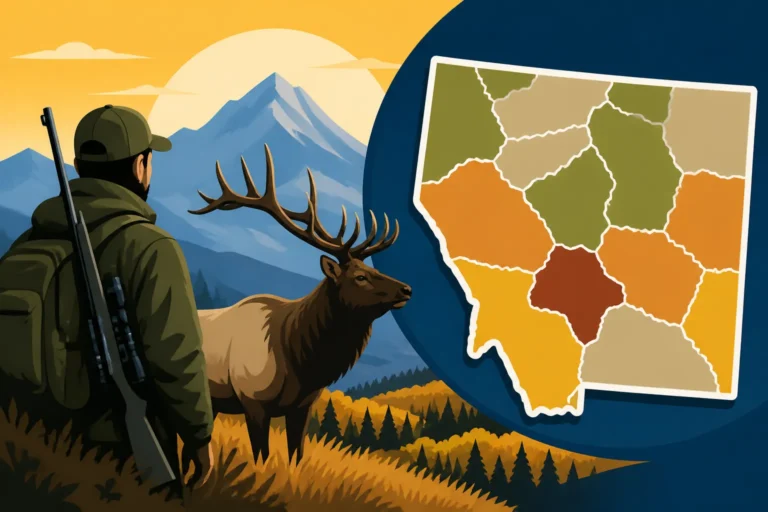
Counties like Crook, Weston, Niobrara, Platte, Goshen, and Laramie are generally your best bets for finding whitetails. The riparian corridors along rivers such as the North Platte, Laramie, and Cheyenne provide vital habitat, often creating narrow bands of whitetail heaven in an otherwise mule deer dominated state. Hunting the Whitetail River Bottoms of Eastern Wyoming can be incredibly productive if you know where to focus your efforts. The Black Hills National Forest, extending into Wyoming's northeastern corner, also offers excellent whitetail opportunities, with its mixture of pine forests and draws. These specific habitats mean different hunting tactics compared to hunting mule deer in the wide-open spaces.
Decoding Wyoming's Late Season Whitetail Dates and Areas
Getting a clear picture of when and where you can hunt late season whitetails in Wyoming requires a deep dive into the regulations. It's not always a straightforward "December 31st" across the board, and understanding the nuances of license types is crucial.
Navigating General vs. Limited Quota Licenses for Late Hunts
Wyoming offers both general deer licenses and limited quota deer licenses, and their late season dates can vary significantly. A general deer license, often purchased over the counter for residents and drawn in the general pool for non-residents (or purchased as leftover tags), typically has broader season dates that might conclude earlier in some areas. However, there are often exceptions and specific areas where general licenses extend well into December. If you're looking for flexibility, understanding Wyoming General Deer Licenses Over the Counter is a good starting point.
Limited quota licenses, on the other hand, are unit-specific and often offer longer or later season dates, precisely to target post-rut or wintering deer. These licenses are designated by specific "Type" numbers, like Type 1 (any deer), Type 6 (doe/fawn), or Type 8/9 (often antlerless or specific sex deer, sometimes with extended seasons). For instance, knowing What a Wyoming Type 9 Deer License Means could open up significant late-season opportunities, as these tags often run longer to help manage specific populations or address agricultural depredation. It's essential to check the specific Hunt Area regulations each year, as they are not static and can change based on population objectives and herd health. This is where resources like GoHunt become invaluable for pinpointing specific hunt units and their corresponding draw odds and season dates.
Key Dates and Hunt Areas for Eastern Wyoming
Wyoming's late season whitetail opportunities are primarily found in its eastern deer hunt areas, particularly those designated for Region A and parts of Region B in the regulations. These are the areas with higher whitetail concentrations and often include river bottoms, agricultural zones, and the Black Hills. While statewide general deer seasons often close in mid-November, certain limited quota tags, and sometimes even specific general license areas, can extend through December 31st.
Let’s look at some examples of typical late season whitetail dates in the state. Please remember, these dates are illustrative and can change annually. Always consult the official Wyoming Game and Fish Department regulations for the most current information before planning your hunt.
Typical Late Season Whitetail Dates in Eastern Wyoming (Illustrative Examples)
| Hunt Area Type | General Season Closes | Extended Season Ends (Typical) | License Types Offering Extensions | Primary Whitetail Counties | Key Habitat |
|---|---|---|---|---|---|
| Region A | Mid-November | December 31st | Type 1, 6, 8, 9 | Crook, Weston, Niobrara | Black Hills, River Bottoms |
| Region B | Mid-November | December 31st | Type 6, 8, 9 | Platte, Goshen, Laramie | North Platte River, Ag Fields |
| Black Hills (Specific Areas) | Mid-November | December 31st | Type 1, 6, 8, 9 | Crook, Weston | Pine Forests, Breaks |
| River Bottoms (Specific Areas) | Mid-November | December 31st | Type 6, 8, 9 | Along Major Rivers | Cottonwoods, Alfalfa |
For a non-resident, securing a Type 1 tag in these eastern units can be tough in the regular draw, but sometimes leftover licenses become available, or the Special Draw offers better odds for a higher price. Even then, you'll want to cross-reference with previous year's draw odds data, which you can often find compiled on platforms like GoHunt, to gauge your chances of drawing one of these coveted tags. Hunting the Deer Country Around Keyhole Reservoir, for instance, might offer late season opportunities in Crook County depending on the specific license types and annual regulations. Similarly, looking into areas known for extensive Deer Hunting Opportunity Across Crook County could reveal units with extended seasons.
Strategies for Success When the Snow Flies
Hunting whitetails in the cold, often snowy, conditions of late season Wyoming demands a different set of tactics than earlier in the year. The deer are focused on survival, and so should you, in terms of your preparation and approach.
Exploiting Food Sources and Thermal Cover
As mentioned, late season whitetails are driven by the need for calories and warmth. Your scouting efforts should heavily focus on identifying primary food sources that remain accessible through snow and ice. This could mean miles of driving and glassing agricultural fields in the early mornings and late evenings, looking for concentrated deer activity. Think corn stubble, winter wheat, or even alfalfa fields that might still offer some forage. These are the equivalent of a deer's supermarket in winter.
Beyond food, thermal cover is critical. This includes dense conifer stands (especially in the Black Hills), thick willow and cottonwood groves along river drainages, or deep, sheltered draws that block the wind and trap what little warmth the winter sun provides. Deer will bed in these areas, often very close to their feeding grounds, only moving a short distance to minimize energy expenditure. E-scouting tools are incredibly helpful here, allowing you to identify these pinch points, sheltered valleys, and potential travel corridors from your couch. Platforms like GoHunt provide invaluable satellite imagery and land ownership overlays that can save you precious time on the ground. Once you've identified these key areas, a careful, slow approach, perhaps still hunting into the wind, can be very effective.
Reading Sign and Adapting to Weather Conditions
Fresh snow in late season is both a blessing and a curse. It can be a blessing because it makes reading sign incredibly easy. Fresh tracks in the snow tell you exactly what deer are doing, where they're coming from, and where they're going. You can often determine sex and even relative size from track measurements. However, snow also means colder temperatures, which requires meticulous preparation for yourself.
Adapting to weather is non-negotiable. A late-season hunt might involve bitter cold, high winds, or heavy snowfall. Layering your clothing is paramount, ensuring you have enough insulation but can shed layers to avoid sweating when walking, then add them back quickly when sitting still. Pay close attention to the wind direction. Reading Wind on an Open-Country Stalk is crucial, even in timbered river bottoms, as a shifting wind can quickly give away your position. Keep your face, hands, and feet warm. Bring extra hand warmers, a thermos of hot coffee or soup, and be prepared to hunker down or retreat if conditions become dangerous.
Understanding Legal Shooting Hours and Access
Wyoming's legal shooting hours for big game typically run from 30 minutes before sunrise to 30 minutes after sunset. In the late season, with shorter days, this means your prime hunting windows are compressed, making every minute count. You'll need to know your exact sunrise and sunset times for your specific hunt date and location. Checking the official regulations for Wyoming Legal Shooting Hours for Big Game is essential, as these times shift throughout the season.
Access to prime late-season whitetail habitat is often a challenge, as much of the best river bottom and agricultural land is privately owned. Building relationships with landowners well in advance is often the most effective strategy. However, don't overlook Wyoming’s excellent public access programs like Access Yes, which provides Walk-In Hunting Areas Need No Permission Slip on participating private lands. Additionally, some Bureau of Land Management (BLM) and National Forest lands in eastern Wyoming can offer opportunities, particularly in and around the Black Hills. Always verify land ownership and access rules meticulously using a reliable mapping app.
Gear and Ethical Considerations for Cold Weather Hunts
Late season hunting demands robust gear and an unwavering commitment to ethical practices, especially when conditions turn harsh.
Essential Cold Weather Gear for Hunter and Harvest
Beyond your rifle or bow, a late season whitetail hunt requires specialized cold-weather gear. Your clothing system should be focused on warmth, moisture-wicking, and wind protection. Insulated, waterproof boots with good traction are a must for navigating snow and ice. High-quality optics – binoculars and a spotting scope – are critical for patiently glassing vast fields and distant cover, especially as deer become more nocturnal in their feeding patterns. Given the shorter shooting light, a powerful headlamp is also non-negotiable for pre-dawn walks and post-sunset blood trailing.
Once an animal is down, the cold can be your friend and foe. While it helps preserve the meat, you need to be prepared to field dress and handle the carcass efficiently. A sharp knife, game bags, and perhaps a small tarp or sled for extraction over snow are useful. Ensure you have a plan for meat salvage, as cold temperatures can freeze the outer layers quickly.
Respecting the Animal and the Land
Ethical hunting in the late season is paramount. With deer already stressed from the rut and facing winter conditions, minimizing disturbance is key. Avoid chasing deer and ensure every shot is well-placed for a quick, humane harvest. This isn't the time for risky shots. Know your limits and your equipment's capabilities.
Furthermore, always adhere to Wyoming’s Wanton Waste Rules Every Wyoming Hunter Should Know. This means making a reasonable effort to locate and retrieve any downed animal and taking care to salvage all edible portions of the meat. Leave no trace behind; pack out all your trash, including spent cartridges, and respect private property boundaries. The late season can test your resolve, but upholding ethical standards ensures the future of hunting and respect for the animals we pursue.
Disclaimer
Please note: Hunting regulations, season dates, and license requirements in Wyoming are subject to change annually. This guide provides general information and illustrative examples. It is the hunter's responsibility to consult the most current official Wyoming Game and Fish Department regulations and obtain all necessary licenses and permits before engaging in any hunting activity. Always prioritize safety and ethical hunting practices.