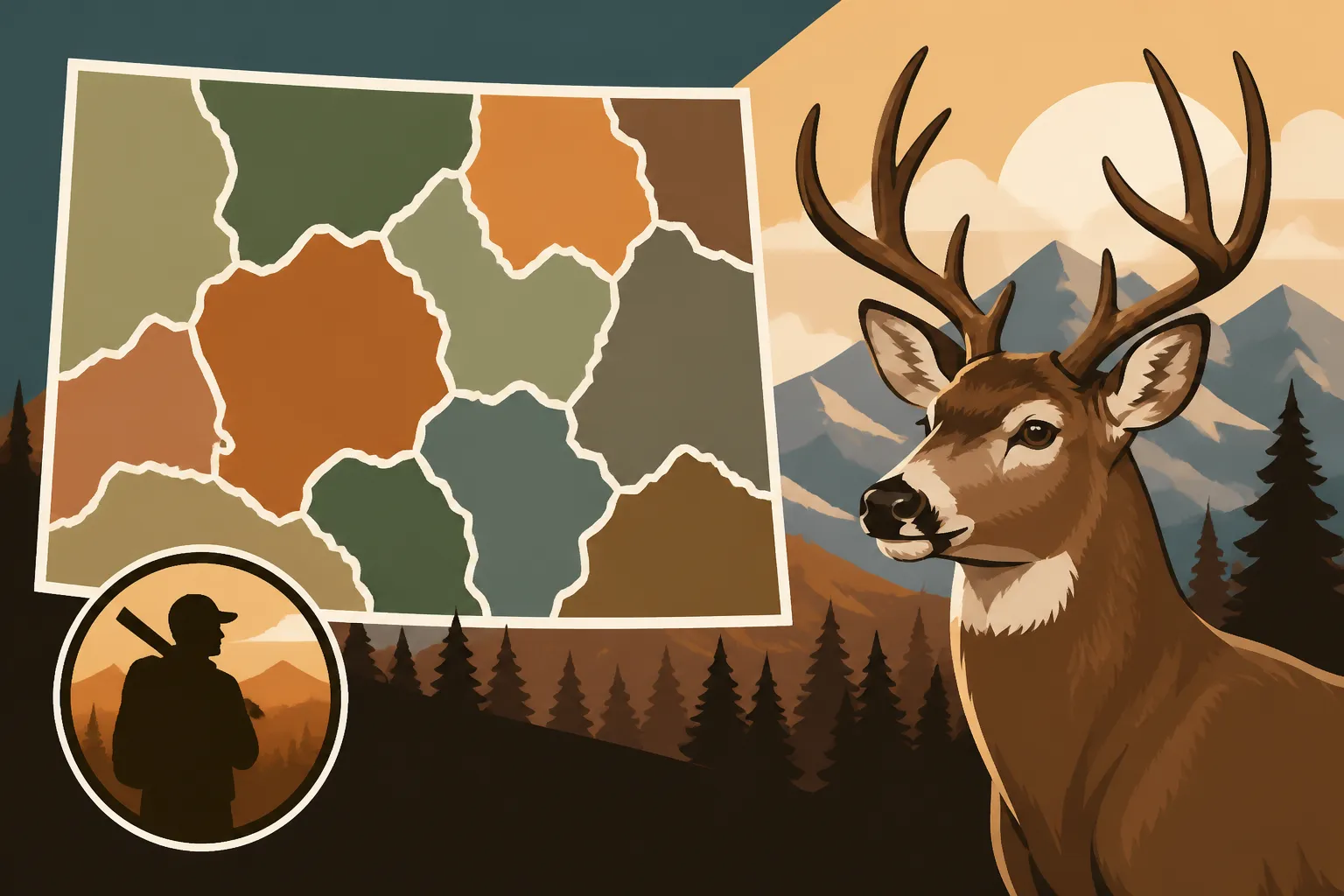
Wyoming’s Regular Deer Season Openers by Area
Trying to pin down the exact opening dates for deer season in Wyoming can feel like deciphering an ancient scroll, especially when you're looking at different areas and license types. It's not a simple, statewide "opener" like some other states, and that can be a real headache when you're trying to plan your fall adventure, book time off work, or coordinate with hunting buddies. This comprehensive guide will cut through the confusion, explaining how Wyoming sets its regular deer season openers by area, the factors that influence those dates, and how you can stay on top of the latest information to ensure you're ready when the season officially kicks off.
Decoding Wyoming's Deer Season Framework
Wyoming’s approach to deer season isn't a "one size fits all" kind of deal, and understanding the nuances is the first step to figuring out when you can hit the woods or the sagebrush. It’s all about managing deer populations area by area, which means your opening day depends heavily on where you're planning to hunt and what type of license you hold.
General Licenses Versus Limited Quota Tags
One of the biggest distinctions you'll encounter when planning a Wyoming deer hunt is the difference between general licenses and limited quota tags. This isn't just a bureaucratic detail; it fundamentally shapes when and where you can hunt.
General licenses, often referred to as "Type 1" licenses, are typically available for a wider range of hunt areas and often boast longer, more flexible season dates. These are usually the go-to for many resident and nonresident hunters looking for more accessible opportunities. You can often pick up Wyoming General Deer Licenses Over the Counter in many parts of the state, particularly in areas where deer populations are healthy and widespread. These licenses provide a great deal of flexibility, allowing hunters to explore various general units within their designated region, provided those units are open. For example, a general deer license might be valid in a large chunk of western Wyoming, encompassing dozens of individual hunt areas, each with its own specific opening and closing dates for the general season. This broad applicability means you have options if one area isn't panning out or if weather conditions change your plans.
On the flip side, limited quota deer licenses, or what are often called "draw tags," are issued for specific hunt areas, and they come with very particular season dates. These are the highly coveted tags for units known for producing trophy-class animals, or areas where deer populations need more precise management. Because they're limited in number, drawing one of these tags can take several years' worth of preference points, and the season dates are set with extreme precision to meet very specific biological objectives. For instance, a particular limited quota hunt area might have a very short, intense season designed to coincide with the peak of the rut, or it might have an earlier opener to target bucks before they disperse into dense cover. Understanding Wyoming Limited Quota Deer License Types is crucial because these tags offer unparalleled quality but demand much more specific planning and commitment to a single area and its unique regulations.
How Hunt Areas Define Your Calendar
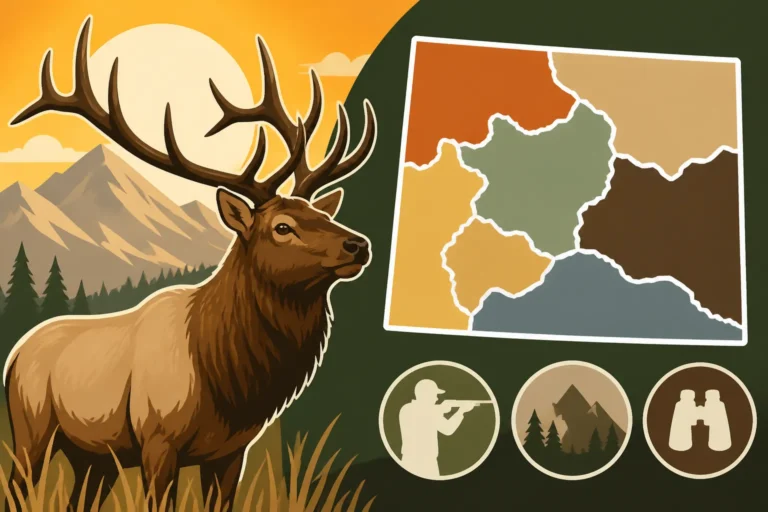
Wyoming is broken down into numerous hunt areas, and each one is a unique puzzle piece in the state's deer management strategy. These isn't just arbitrary lines on a map; they represent distinct ecological zones, migration corridors, and population segments, all managed with specific goals in mind. And crucially, these boundaries are what directly dictate your deer season calendar.
Imagine two adjacent hunt areas, sharing a common border. You might assume their seasons would be similar, right? Not necessarily. One area might open in early October, while the neighboring unit doesn't open until mid-October or even later, and for entirely different lengths of time. This isn't an oversight; it's a deliberate choice by the Wyoming Game and Fish Department, based on localized data, herd health, and hunter pressure. For example, What Deer Hunt Area 1 Covers might be vastly different from a unit just a few miles away, both in its terrain and its season dates. The opening and closing dates, as well as weapon restrictions, are tailored to the specific needs of the deer population within that hunt area. This means as a hunter, you must know your hunt area number inside and out, and then consult the regulations specifically for that area. Just knowing you have a "deer tag" isn't enough; you need to know exactly which unit you'll be hunting in, because that number is the key to unlocking your season dates. It reinforces the need for diligent pre-hunt research, often using tools like GoHunt to understand these boundaries and regulations clearly.
Understanding What Influences Opening Dates
Deer season openers in Wyoming aren't pulled out of a hat. They're the result of careful scientific analysis, balancing hunter opportunity with long-term herd health. Several significant factors play into these decisions, making the process dynamic and sometimes subject to change.
Weather Patterns and Herd Health Impacts
Mother Nature plays a huge role in Wyoming's deer populations, and consequently, in when hunting seasons open and close. A harsh winter, like the one experienced in 2022-23, can decimate deer herds, especially mule deer in their wintering grounds. When significant mortality occurs, the Wyoming Game and Fish Department often responds by adjusting season dates, reducing tag numbers, or even closing specific areas to allow herds to rebound. This might mean delayed openers, shorter seasons, or more restrictive antler point requirements for the following years. It's a pragmatic, albeit sometimes frustrating, reality for hunters.
Beyond winter mortality, diseases like Chronic Wasting Disease (CWD) also influence management decisions. In areas with high CWD prevalence, seasons might be structured to encourage harvest, particularly of older bucks, to help manage disease transmission within the herd. This could mean earlier openers or extended seasons in specific, targeted hunt areas. Biologists continually assess herd health through surveys, aerial counts, and harvest data, and their recommendations are the bedrock upon which season dates are built. Their goal is always sustainable hunting, ensuring future generations have robust deer populations to pursue. Keeping up with these annual assessments and understanding the Wyoming mule deer population estimate can give you insights into potential season adjustments before they're even officially announced.
Species-Specific Openers: Mule Deer vs. Whitetail
While both mule deer and whitetail deer roam Wyoming, their distribution, habitats, and management strategies are distinct, leading to different season openers and structures.
Mule deer are the iconic symbol of Western hunting, inhabiting the vast sagebrush plains, rugged badlands, and towering mountain ranges across most of Wyoming. Their seasons are often set to avoid deep snow or to coincide with pre-rut or rut activity in specific areas. For instance, mountain mule deer hunts might see later rifle openers, allowing bucks to move down from higher elevations or providing opportunities during the late-season rut. These seasons are often designed to capitalize on the animals' migratory patterns.
In contrast, whitetail deer are primarily found in the river bottom habitats and agricultural lands of eastern Wyoming, particularly along the riparian corridors of the North Platte, Belle Fourche, and Powder Rivers, as well as in the Black Hills. Hunting the Whitetail River Bottoms of Eastern Wyoming offers a very different experience than chasing mule deer in the high country. Whitetail seasons in these areas often open earlier and run longer, sometimes extending well into December, aligning with their later rut cycle and proximity to private agricultural lands where different management considerations apply. The season structures for whitetails might also be less restrictive in terms of tag numbers or antler point requirements, reflecting a different management philosophy aimed at population control in areas where they can impact agricultural operations.
Navigating Regional Deer Season Openers
Wyoming is a vast state, and its diverse geography means that a deer hunt in one corner can be a world away from a hunt in another. This geographical diversity is directly reflected in the varied season openers you'll find from region to region.
Western Wyoming Mountain Deer Seasons
The mountainous regions of Western Wyoming, including areas within the Bridger-Teton, Shoshone, and Bighorn National Forests, are primarily mule deer country. These higher-elevation units often have season openers that factor in weather patterns, specifically the onset of snowfall and the subsequent migration of deer to lower wintering grounds.
Typically, archery season for deer in these mountain units will open earlier, often in September, preceding the general rifle season. This allows archers to pursue deer before significant hunting pressure or heavy snows arrive. For rifle hunters, the regular season in these areas might start in mid-October and run into early November. This timing is strategic, aiming to catch deer during their migratory movements, or potentially during the early stages of the rut when bucks are more active. Hunters planning to pursue mule deer in areas like those in the Gros Ventre or Wyoming Range will need to be prepared for rugged terrain and potentially rapidly changing weather. It's also worth noting that many of these areas are part of the vast public land accessible via national forests, making them popular DIY hunting destinations, often requiring diligent E-Scouting a Unit Before the Season Opens to pinpoint prime locations and access points.
Eastern Wyoming Prairie and River Bottom Openers
Shifting to the eastern side of the state, the landscape transitions to rolling prairies, agricultural fields, and critical river bottom habitats. This is where you'll find the highest concentrations of whitetail deer, alongside plains mule deer. The season openers in these regions tend to be different from their western mountain counterparts.
Many eastern Wyoming deer hunt areas open earlier, sometimes in late September or early October, for general rifle seasons. These areas often have a mix of public and private land, and the earlier openers can be appealing for hunters who prefer milder weather or want to avoid the heavier snows that hit the mountains later in the fall. The whitetail rut typically peaks later than the mule deer rut, extending into November, so some specific whitetail areas might have seasons that run well into the late fall, providing opportunities for hunters looking to target bucks during this period. Areas like those around Newcastle in Weston County, or the deer country near Hunting the Deer Country Around Keyhole Reservoir, showcase this prairie and river bottom hunting. When hunting in these areas, especially where agriculture is prevalent, it's particularly important to be aware of land ownership and always secure permission before venturing onto private ground. The accessibility can be great, but respecting landowners is paramount.
Resources and Strategic Planning for Your Hunt
Successfully navigating Wyoming's deer seasons requires more than just knowing a date; it demands strategic planning and utilizing the best available resources. Don't leave your hunt to chance!
Essential Tools for Checking Current Season Dates
The absolute, undeniable source for all Wyoming hunting regulations, including deer season openers by area, is the official Wyoming Game and Fish Department (WGFD) website and their printed regulation booklets. You simply cannot plan a hunt without consulting them. These booklets are updated annually and provide precise dates, hunt area boundaries, and any special restrictions or requirements. You can always find Where the Current Wyoming Regulations Are Posted directly on the WGFD site. It's a treasure trove of information, even if it does take a bit of careful reading.
Beyond the official regulations, modern hunters have incredible digital tools at their fingertips. Platforms like GoHunt offer detailed insights into draw odds, preference point trends, and most importantly for this discussion, an interactive map feature that overlays hunt area boundaries with public and private land, often displaying specific season dates for each unit. This kind of platform is invaluable for planning, allowing you to quickly visualize how season dates change from one area to the next and to conduct effective E-Scouting a Unit Before the Season Opens from the comfort of your home. You can even filter by species and weapon type, making it incredibly efficient to find areas that align with your preferred hunting style and timeframe. For hunters eyeing those limited quota tags, GoHunt also provides critical data on Best Units to Draw for a Mature Mule Deer, giving you a strategic edge in the application process.
| Hunt Type / Region | Typical Archery Opener | Typical Rifle Opener | General Characteristics | Key Species |
|---|---|---|---|---|
| Western Mountains | Early September | Mid-October | Rugged terrain, migratory deer, later rut | Mule Deer |
| Eastern Prairies | Early September | Late September/Early October | River bottoms, agricultural fringe, earlier rut | Whitetail, Mule Deer |
| Limited Quota (High Demand) | Varies greatly (often earlier) | Varies greatly (often short, specific windows) | Trophy potential, specific management goals | Mule Deer, Whitetail |
| General (Accessible) | Mid-August to Early September | Mid-October to Mid-November | Wider range of units, longer seasons, less specific | Mule Deer, Whitetail |
Note: These are typical ranges. Always consult current year WGFD regulations for exact dates.
Planning Around Potential Point Creep and Draw Odds
If you're dreaming of a premier limited quota deer tag in Wyoming, understanding point creep and draw odds is as crucial as knowing your season dates. Point creep is that frustrating phenomenon where the number of preference points required to draw a coveted tag increases year after year, seemingly always staying just out of reach. This can mean that an area you might have drawn with 7 points last year could require 8 or 9 points this year.
This reality makes strategic planning essential. You might have to adjust your application strategy based on the prior year's draw results. If your target unit is experiencing heavy point creep, you might consider applying for a less competitive, but still excellent, unit, or banking a point for another year while you hunt a general unit. Tools like GoHunt are indispensable here, providing historical draw odds and enabling you to model different scenarios for your points. If you're a nonresident, you're competing against other nonresidents, and the odds can be tough, especially for trophy units. Some hunters opt to build points for several years while hunting general units, or focus on areas with better random draw odds. Even if you don't draw your first choice, having a backup plan, perhaps for a Wyoming General Deer Licenses Over the Counter, can ensure you still get to hunt. It's about being flexible and persistent, knowing that securing that dream tag might take a few years, but the quality of the hunt will be well worth the wait.
Disclaimer
Please remember that hunting regulations, season dates, and license requirements in Wyoming can change annually. It is your responsibility to consult the official Wyoming Game and Fish Department (WGFD) regulations for the current year before planning or embarking on any hunting activity. This guide provides general information and should not be used as the sole basis for your hunting plans.