Wyoming Nonresident Application Fee per Species
Alright, let's talk about those initial financial hurdles when you're dreaming of a Wyoming hunt. It’s a common frustration for nonresident hunters—you're ready to dive into the excitement of applying for that coveted tag, only to discover there's a non-refundable application fee attached to each species. This guide is going to walk you through exactly what those fees look like, why they’re there, and how to best prepare your budget for your Wyoming big game aspirations.
Understanding Wyoming's Application Fees for Nonresidents
Applying for a big game license in Wyoming as a nonresident can feel a bit like playing a high-stakes lottery, and those application fees are your entry ticket. It’s not just about the cost of the actual license if you draw; there’s a non-refundable charge just to get your name in the hat. This can be a bit of a shock, especially if you’re used to other states where the application fee might be nominal or bundled differently.
Why Application Fees Exist
It's natural to wonder why you have to pay a fee just to apply, especially when there's no guarantee you'll actually draw a license. From the perspective of the Wyoming Game and Fish Department, these fees serve several crucial purposes. Firstly, they help offset the administrative costs associated with running the highly complex draw system. Think about the staff, the software, the processing of thousands upon thousands of applications across multiple species and hunt areas—it all adds up. These aren't small operations; they require significant resources to ensure fairness and accuracy.
Secondly, these fees contribute directly to conservation efforts within the state. A portion of every fee collected goes into funding wildlife management, habitat improvement, law enforcement, and research programs. This means that even if you don't draw a tag, your application fee still plays a part in supporting the incredible wildlife populations that make Wyoming such a premier hunting destination. It’s a way for all applicants, successful or not, to invest in the future of the state's natural resources. It’s a small price when you consider the vast amount of public land and the healthy herds that roam places like the Bridger-Teton National Forest or the Bighorn Mountains.
Application Fees vs. License Fees: Knowing the Difference
This is a critical distinction that often trips up new applicants. An application fee is the non-refundable charge you pay simply to enter your name into the lottery for a specific species in a specific draw period. This fee is due whether you draw a license or not, and it’s typically a much smaller amount than the license itself. You pay it upfront when you submit your application.
A license fee, on the other hand, is the full cost of the actual hunting tag. You only pay this if your application is successful in the draw. When you apply, you usually provide your payment information for the full license fee, but it's only charged if you're successful. If you are unsuccessful, only the application fee is retained. Understanding this difference is key to budgeting for your hunt, as you might apply for several species, incurring multiple application fees, without drawing any licenses. For example, the cost of a Wyoming Nonresident Elk License Price is significantly higher than its application fee. Similarly, if you’re eyeing deer or antelope, understanding the Wyoming Nonresident Deer and Antelope Prices means knowing that the license fee is distinct from the initial application charge.
A Detailed Look at Nonresident Application Fees by Species
Wyoming's application fees vary by species, reflecting different demand levels, administrative complexities, and the overall value placed on managing those particular game animals. It's not a one-size-fits-all situation, so let's break down what you can expect for the most commonly sought-after species.
Big Game Species Application Fees
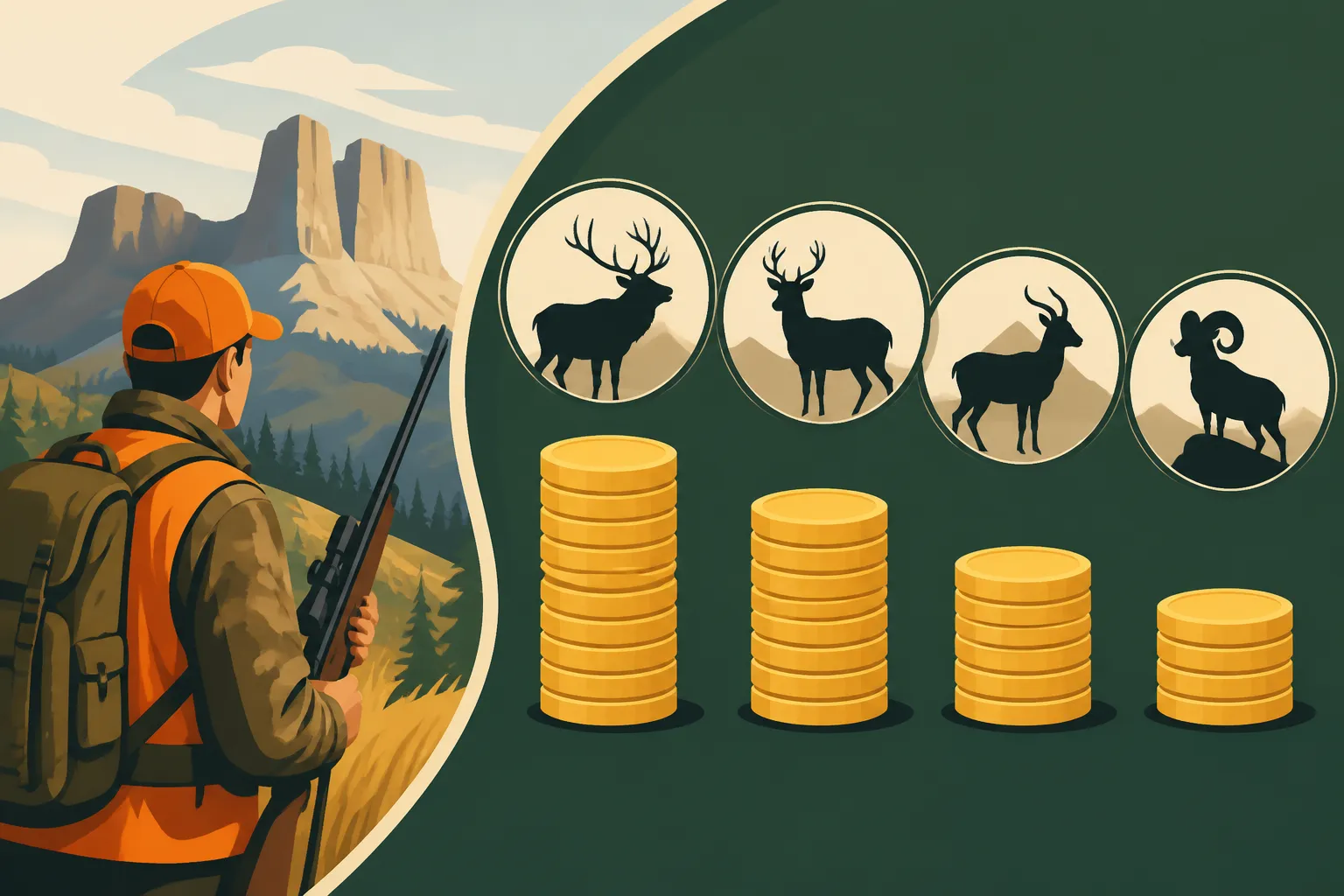
The big game draw categories are typically where most nonresident hunters focus their efforts. These include elk, deer (mule deer and whitetail), and antelope. Each requires a separate application fee.
- Elk: For nonresident elk applications, the fee currently stands at $15. This fee is charged for both the regular and the special elk draws. This is your ticket to hoping for an opportunity at one of Wyoming's magnificent bulls or a cow tag.
- Deer: Nonresident deer applications also carry a $15 fee. This covers both mule deer and whitetail deer applications, regardless of whether you're applying for a general license or a limited quota tag. If you're hoping for a buck in the famous Wyoming Range, this is where you start.
- Antelope: Similar to deer and elk, the nonresident antelope application fee is $15. Wyoming is legendary for its pronghorn hunting, and this small fee gets you into the running for a tag.
- Bighorn Sheep, Moose, and Mountain Goat: These are often considered "once-in-a-lifetime" species in many Western states, and Wyoming is no exception. Due to their extreme rarity and high demand, the application fee for bighorn sheep, moose, and mountain goat is generally higher, at $15. The draw odds for these species are notoriously low, often sitting under one percent, so that $15 is a long shot for most.
It’s worth noting that if you are also interested in buying a preference point without applying for a tag, that is a separate transaction and has its own cost. For example, the Preference Point Prices in Wyoming: $52 Elk, $41 Deer, $31 Antelope are distinct from these application fees. You can buy points during the July to November Point-Only Window in Wyoming.
Trophy Game and Other Species Application Fees
Beyond the traditional big game, Wyoming offers hunting opportunities for several other species, each with its own application fee structure for nonresidents.
- Bison: Bison hunting in Wyoming is incredibly limited and highly sought after. The application fee for nonresident bison is typically $15. Like the other once-in-a-lifetime tags, drawing a bison license is an extremely rare event.
- Black Bear: Wyoming runs both spring and fall black bear seasons. The nonresident application fee for black bear is usually $15 per season. If you want to try for a color phase bear in the spring or fall, you'll need to submit this fee for each application period.
- Mountain Lion: Hunting mountain lions in Wyoming, often involving hound hunting, also requires a $15 nonresident application fee. These hunts are managed by quota, and securing a tag can be challenging.
- Turkey: For those interested in pursuing wild turkeys, Wyoming offers both spring and fall seasons. The nonresident application fee for a spring turkey license is $10, and for a fall turkey license, it’s also $10.
- Small Game & Bird Licenses: Interestingly, many small game and bird licenses are often available over-the-counter or through a direct purchase, meaning they might not have a separate application fee beyond the license cost itself. This is different from the draw system for big game and trophy animals. Always double-check the current regulations, but typically, if it's not a draw species, you won't pay an application fee.
It's wise to consult the Wyoming Game and Fish Department's official regulations or use a reputable platform like GoHunt to confirm the most current fees, as they can occasionally be adjusted year to year.
Navigating the Application Process and Managing Costs
Successfully applying for a Wyoming nonresident tag involves more than just selecting a species and hitting submit. You need a strategy, especially when those non-refundable application fees are part of the equation.
Planning Your Budget with Application Fees in Mind
When you’re planning your dream Wyoming hunt, it's easy to focus solely on the potential license cost, but those application fees add up, especially if you apply for multiple species or in different draws. Let’s say you decide to apply for elk, deer, and antelope. That's three separate application fees right off the bat. If you also decide to apply in the special draw for elk to boost your odds, that’s another $15. Before you’ve even drawn a tag, you could be out $60 or more in non-refundable fees.
Here's a simplified table outlining common nonresident application fees:
| Species Category | Application Fee (Nonresident) | Notes |
|---|---|---|
| Elk (Regular/Special) | $15 | Separate fee for each draw type (e.g., regular vs. special) |
| Deer | $15 | Covers mule deer and whitetail |
| Antelope | $15 | |
| Bighorn Sheep | $15 | Extremely low draw odds |
| Moose | $15 | Extremely low draw odds |
| Mountain Goat | $15 | Pure lottery, no preference points |
| Bison | $15 | Very limited tags, once-in-a-lifetime |
| Black Bear (Spring/Fall) | $15 per season | Separate fee for spring and fall applications |
| Mountain Lion | $15 | |
| Turkey (Spring/Fall) | $10 per season |
This table helps illustrate how quickly these smaller fees can accumulate. Budgeting for these upfront costs is crucial. Don't forget that if you are applying for multiple species, you'll have to keep track of Wyoming's Four Application Deadlines, February Through June, as they vary. For example, Wyoming Nonresident Elk Applications Close in Early February, while deer and antelope run later into the spring. Staying organized is key!
Utilizing Resources for Better Application Strategy
Given the costs and the competition, going into the Wyoming draw blind isn't the best strategy. There are fantastic resources available to help you make informed decisions, which can ultimately save you money on application fees for units where your odds are virtually zero.
Platforms like GoHunt offer detailed draw odds analysis, unit breakdown, and application strategies that can be invaluable for nonresidents. They compile historical data, success rates, and other metrics to help you understand the likelihood of drawing a tag in specific areas. This kind of E-Scouting a Unit Before the Season Opens can help you decide if applying for a particular unit, and paying that $15 fee, is truly worth your time and money. It can also help you strategically apply for preference points if your goal is a trophy tag years down the line.
Another vital resource is the official Wyoming Game and Fish Department's website. They provide a wealth of information, including the online application portal and A Walkthrough of the Wyoming Hunt Planner, which details season dates, regulations, and public access points. Checking Draw Odds Before You Apply directly on the WGFD site is also crucial to ensure you're working with the most up-to-date information. Understanding the mechanics of How Wyoming Awards a Preference Point and How Wyoming Splits Every Draw 75 Percent Points and 25 Percent Random will also inform your strategy, especially when considering the "special" draw options that often have higher success rates due to higher license costs.
Key Takeaways for Your Wyoming Hunt Planning
Embarking on a nonresident hunt in Wyoming is an incredible adventure, but it requires careful planning, especially regarding finances. Those application fees, while seemingly small individually, are an unavoidable part of the process and can add up if you're not strategic. Remember that these fees are non-refundable and contribute to the vital conservation efforts that maintain Wyoming's world-class hunting opportunities.
By understanding the difference between application fees and the full license costs, knowing the specific fees for each species, and leveraging resources like GoHunt or the official WGFD website, you can approach the draw with confidence and a well-planned budget. Whether you're hoping for a trophy elk or an antelope for the freezer, a thoughtful application strategy is your first step to success. Don't forget that after you apply, patience is key, as you'll be waiting for those results, like the Wyoming Elk Draw Results Come in May, or the Wyoming Deer and Antelope Results Come in June.
Disclaimer
Please be aware that hunting regulations, seasons, and fees are subject to change by the Wyoming Game and Fish Department. Always consult the most current official Wyoming Game and Fish Department regulations and publications before planning your hunt or submitting any applications. This guide provides general information and should not be considered a substitute for official sources.