Getting Permission to Cross Private Ground
Hunting in Wyoming is a dream for many, but the reality of accessing vast tracts of public land can quickly become a frustrating puzzle. You've scouted a beautiful basin on your maps, only to realize the only way in is across a small corner of private property, or an old ranch road now blocked by a locked gate. Navigating these landlocked public parcels and the mixed ownership patterns of the West demands careful planning and, more often than not, direct interaction with private landowners. This guide will walk you through the nuances of seeking permission to cross private ground in Wyoming, helping you increase your chances of a successful and ethical hunt.
The Landscape of Access: Why Permission Matters So Much in Wyoming
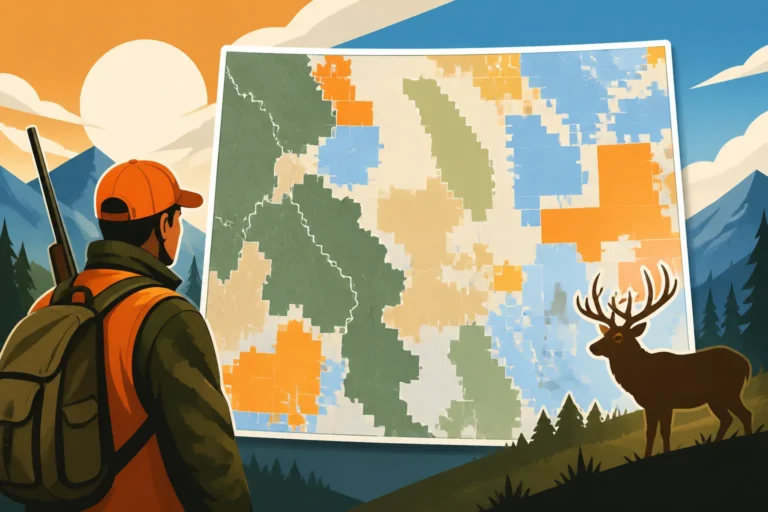
Wyoming's beauty is undeniable, but its land ownership map can feel like a headache, especially for hunters. We're talking about millions of acres of public land – BLM, Forest Service, State Trust Lands – but much of it is intertwined with private property in a patchwork known as the "checkerboard." This pattern, a legacy of railroad land grants, means that even though you see vast stretches of public ground on your map, getting to it without crossing private land can be impossible.
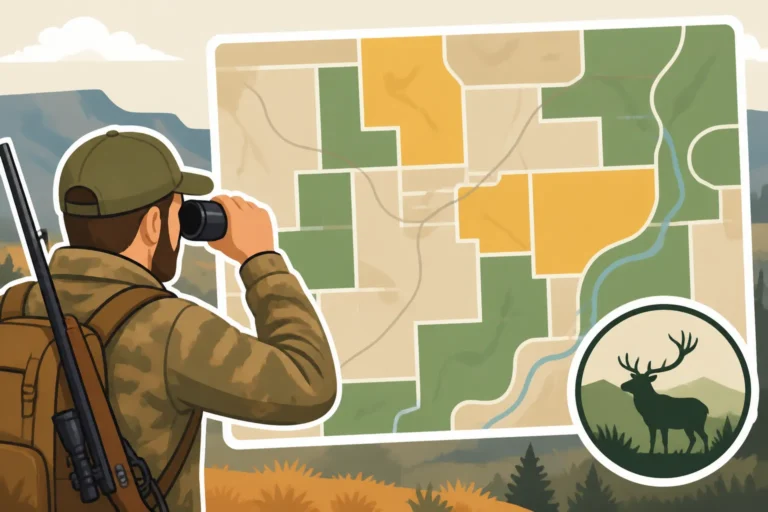
Think about it: you’ve spent hours E-Scouting a Unit Before the Season Opens, pouring over satellite imagery and topo lines, marking potential honey holes. Then, you zoom in and see those alternating squares of yellow (public) and white (private) on your mapping app. What looks like a straight shot to an elk bedding area suddenly involves traversing several privately owned sections. It's enough to make you throw your hands up!
The core issue isn't a lack of public land, but often a lack of legal access to it. Public lands might be entirely surrounded by private holdings, creating what are often called "landlocked" parcels. While there's been a lot of discussion around situations like Whether Corner Crossing Is Legal in Wyoming, that specific legal precedent only applies to touching a corner from public land to public land, not to physically traversing a strip of private ground. For linear crossings, or for accessing private land directly, you need explicit permission. This is where diligent research and respectful communication become your most valuable tools. Without it, even with a valid tag in your pocket, those game-rich public acres might as well be on the moon. Understanding How Wyoming's Checkerboard Land Pattern Came About can give you some historical context, but in the field, it all boils down to knowing who owns the land and how to ask politely.
Strategic Research: Identifying Landowners and Their Boundaries
Before you even think about knocking on a door or making a phone call, you need to be armed with solid information. Showing up unannounced, or without knowing exactly whose land you're asking about, is a surefire way to get a quick "no." This preparatory work is crucial and shows you're serious and respectful of their property.
Leveraging Digital Mapping Tools
Modern technology has made identifying landowners infinitely easier than it used to be. Gone are the days of trying to decipher plat maps in a dusty county office. Now, apps like onX Hunt and GoHunt are indispensable. These platforms layer public and private land ownership boundaries directly onto satellite imagery and topographic maps. With them, you can:
- Pinpoint ownership: Easily see whose private land borders the public ground you want to access.
- Get landowner names: Often, these apps provide the recorded name of the property owner, and sometimes even contact information, which is a fantastic starting point.
- Visualize access points: You can trace potential routes, identify existing roads or two-tracks, and understand the terrain you'd be asking to cross.
Before your trip, spend time with these tools. Don't just look for game sign; meticulously scout the access points. Identify every parcel of private land you might need to cross and list the landowners. Using onX Public Land Layers in Wyoming effectively is more than just checking where the public land is; it's about understanding the surrounding private mosaic. It's important to remember that while these apps are incredibly accurate, they are not legal documents. Always respect physical boundary markers and defer to actual fence lines or posted signs if there's any discrepancy.
The Power of Local Knowledge
While apps are great, they don't replace human connection. Local knowledge can be priceless. If you know anyone in the area – a friend, an outfitter, even a local diner owner – ask about the landowners in the unit. They might know them personally, understand their temperament, or have insights into the best way to approach them. Sometimes, a simple referral from a mutual acquaintance can open doors that would otherwise remain closed.
Also, consider looking up county assessor records online. Many counties in Wyoming provide public access to parcel information, allowing you to cross-reference names and ensure you have the correct contact details. This kind of thorough research demonstrates your commitment and respect, setting a positive tone before you even make contact.
| Research Step | Purpose | Recommended Tools |
|---|---|---|
| Identify Target Parcels | Understand exact private land areas needing crossing. | onX Hunt, GoHunt, Google Earth |
| Determine Landowner Names | Know who to address your request to. | onX Hunt, GoHunt, County Assessor Websites |
| Find Contact Information | Obtain phone numbers or mailing addresses. | Online searches, local phone books, personal network |
| Understand Land Use | Know if it's working ranch, recreational property, etc. | Satellite imagery, local inquiries |
| Note Specific Requests | Be clear about where, when, how you want to cross. | Pen and paper, digital notes |
Making the Ask: Approaching Landowners Effectively and Respectfully
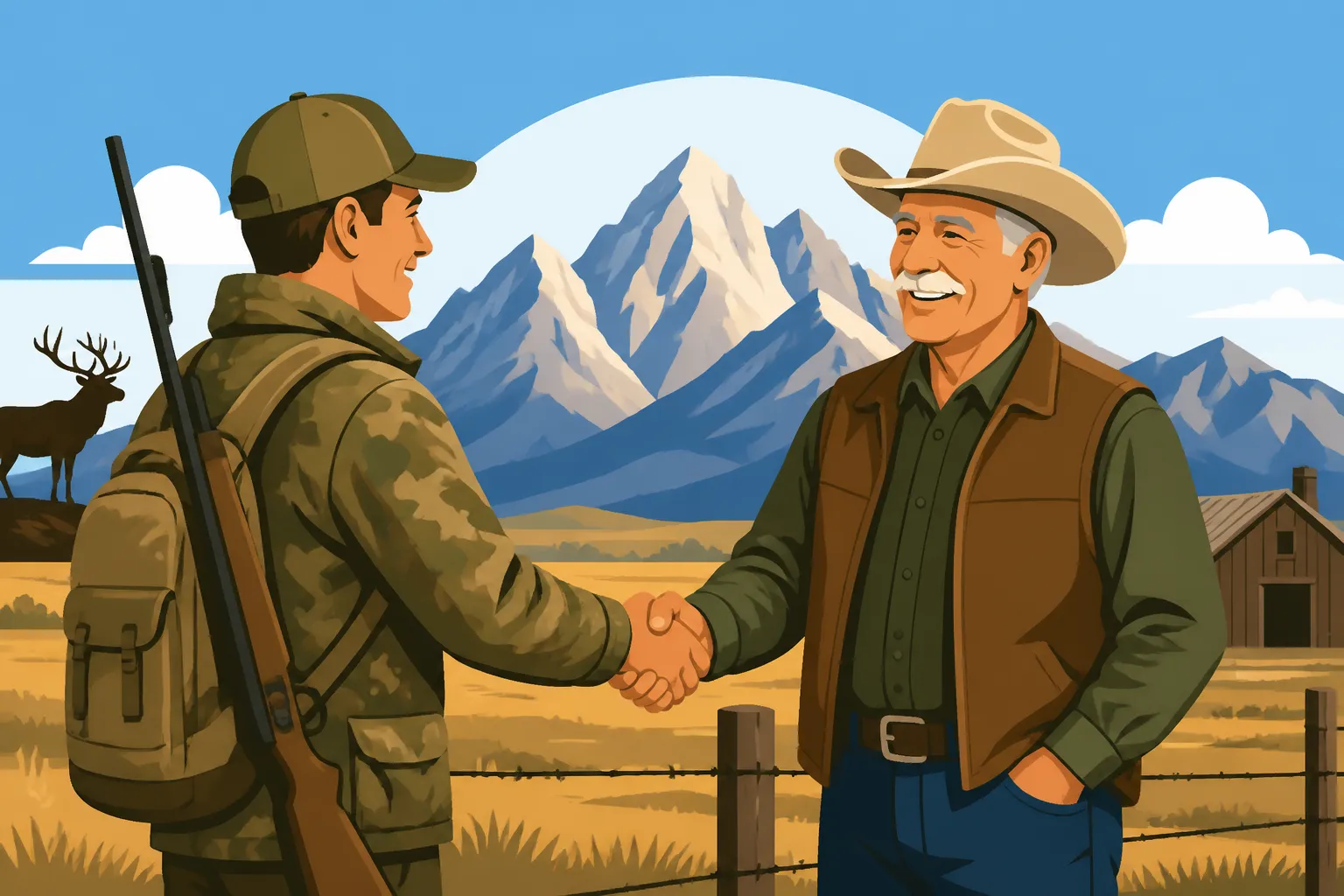
You've done your homework. You know whose land it is and how to reach them. Now comes the crucial step: actually asking for permission. This is where your communication skills and respect for private property really come into play.
Timing and Method of Contact
When you contact a landowner can be almost as important as what you say. Avoid calling or showing up during peak busy times like planting, calving, or haying season, or certainly not during the general rifle hunting season when they're likely already inundated with requests or dealing with their own hunting. The best time to approach them is typically well before the season, maybe in late spring or early summer. This gives them time to consider your request without feeling rushed or overwhelmed.
- Phone Call First: A phone call is often the best initial approach. It's less intrusive than showing up unannounced, and it allows for a quick conversation. Be prepared to leave a concise, polite message if they don't answer.
- In-Person (with caution): If you are in the area and have done your research, a respectful in-person visit can be very effective. However, never just "drop in" if they don't know you're coming. Try to call ahead and ask when a good time to visit might be. Always present yourself neatly and professionally – no dirty hunting clothes, no uncased firearms in your vehicle.
- Written Letter: A well-written, respectful letter can also work, especially if you can't find a phone number. Explain your request clearly, include your contact information, and follow up with a call if you don't hear back within a reasonable time.
What to Say: Be Clear, Concise, and Courteous
When you make contact, remember you are asking for a favor. Be polite, clear, and direct.
- Introduce Yourself: State your name, where you're from, and why you're calling/visiting. "Hello, Mr./Ms. [Landowner Name], my name is [Your Name], and I'm calling from [Your Town/State]. I'm interested in hunting in Unit X this fall."
- State Your Purpose Clearly: Explain exactly what you're asking for. "I've noticed on my maps that there's a section of public land just beyond your property, and I was hoping to get your permission to cross a small corner of your land, perhaps along an existing two-track, to access it." Be specific about the location and the path you'd like to use. Don't leave any room for ambiguity.
- Emphasize Respect and Responsibility: This is critical. Landowners have often dealt with disrespectful hunters in the past. Reassure them you are not one of them.
- "I understand the importance of respecting private property, and I assure you I would treat your land as if it were my own."
- "I would always close any gates I open, stick strictly to the path we agree upon, and pack out everything I pack in, including any trash."
- "I would never drive off-road without explicit permission, and I'd be happy to share my route plan with you."
- Offer to share any harvest information, which can be valuable for their own wildlife management efforts.
- Offer Something in Return (Optional but Powerful): While not always necessary, offering a small gesture of appreciation can go a long way.
- "I'd be happy to help you with any small chores around the ranch if you ever need an extra hand, like mending fences or checking on livestock." (Only offer if you're serious about following through).
- A small gift, like a gift certificate to a local store or a nice bottle of local jam (if you're visiting in person), can sometimes be a thoughtful gesture, but don't make it transactional or feel like a bribe. The primary offering should always be respect and good behavior.
Remember, a landowner's property is their livelihood, their home, and their sanctuary. Many have had bad experiences with hunters who left gates open, drove where they shouldn't, or left trash behind. Your goal is to differentiate yourself from those negative experiences.
What if They Say Yes? Formalizing the Agreement
If you're lucky enough to get a "yes," be incredibly grateful. Reiterate your thanks and confirm the terms of your access.
- Clarify Specifics: Reconfirm the exact route, any gates to open/close, areas to avoid, and the duration of the permission. Is it just for one day? The whole season? Just for one person or your entire hunting party?
- Written Agreement: For anything more than a quick, casual crossing, consider asking for a simple written agreement. It protects both you and the landowner. It doesn't need to be fancy – just a dated note outlining the agreed-upon access, signed by both parties. This helps prevent misunderstandings later.
- Leave Contact Info: Provide your name and phone number in case they need to reach you.
- Follow Through: This is paramount. Stick to every single agreement you make. If you say you'll close a gate, close it. If you say you'll only walk, don't drive. Your reputation, and the reputation of all future hunters, depends on it.
Beyond the "No": Alternatives and Ethical Considerations
Sometimes, despite your best efforts, you'll hear "no." It's disheartening, especially when you've put in the legwork. But a "no" isn't the end of your hunting aspirations in Wyoming.
Gracefully Accepting Denial
If a landowner declines your request, accept it gracefully. Thank them for their time and move on. Do not argue, badger, or try to change their mind. Pushing the issue will only confirm their negative perception of hunters and ensure that no one else gets access either. There could be countless reasons for their refusal – maybe they've had bad experiences, they have family hunting, or simply value their privacy. Respect their decision and don't take it personally.
Exploring Other Access Options
A denied request doesn't mean your hunt is over. Wyoming offers several avenues for accessing huntable land:
- Access Yes Program: Wyoming's Game and Fish Department runs the Access Yes program, which includes How Wyoming's Access Yes Program Works. This program pays landowners to allow public hunting on their property, often through designated Walk-In Areas (WIAs) or Hunter Management Areas (HMAs). While HMAs often require you to obtain a free permission slip online, WIAs typically do not. These are fantastic resources that provide guaranteed access to private and sometimes landlocked public lands. Check the Wyoming Game and Fish Department website for maps and details. Remember, even with Access Yes, you're still on private land, so respect the rules of the specific HMA or WIA. For example, Hunter Management Areas Do Need One of those permission slips, so don't forget it!
- Public Roads and Navigable Water: Sometimes, what looks like private land on a map might have a public road or legal right-of-way crossing it. Always verify the status of roads. Additionally, Navigable Water Access for Wyoming Hunters can sometimes provide legal entry to public land that would otherwise be landlocked. "Navigable" often has a specific legal definition, so research this carefully before floating in.
- Different Hunt Areas: Wyoming is vast. If one area is a bust due to access issues, there are countless other hunt areas with more straightforward public access, particularly in the national forests or large BLM tracts. Consider Where Wyoming's Public Land Is Concentrated for areas with higher public land percentages. Sometimes, simply choosing a different unit or even a different species can solve your access woes.
- Consider a Guided Hunt: If accessing specific, remote areas of wilderness or private ranches is a priority, and you've exhausted other options, Booking Your Wyoming Hunt Before the Draw Runs with a licensed outfitter can be a viable path. Outfitters often have long-standing relationships with landowners or special use permits to operate on public land that might be otherwise inaccessible to DIY hunters. It's a different kind of experience, but it guarantees access and local expertise. Be sure to ask Questions Worth Asking Before You Book and perform due diligence like Checking an Outfitter's Complaint History Before Booking.
Ultimately, successful hunting in Wyoming, especially when dealing with private land, is about patience, respect, and persistence. Approach every interaction with courtesy, understand the landowner's perspective, and always be a responsible ambassador for hunters.
Disclaimer
This article is for general informational purposes only and does not constitute professional advice. Laws, prices and regulations vary by location and change over time. Consult a qualified professional for guidance on your specific situation.