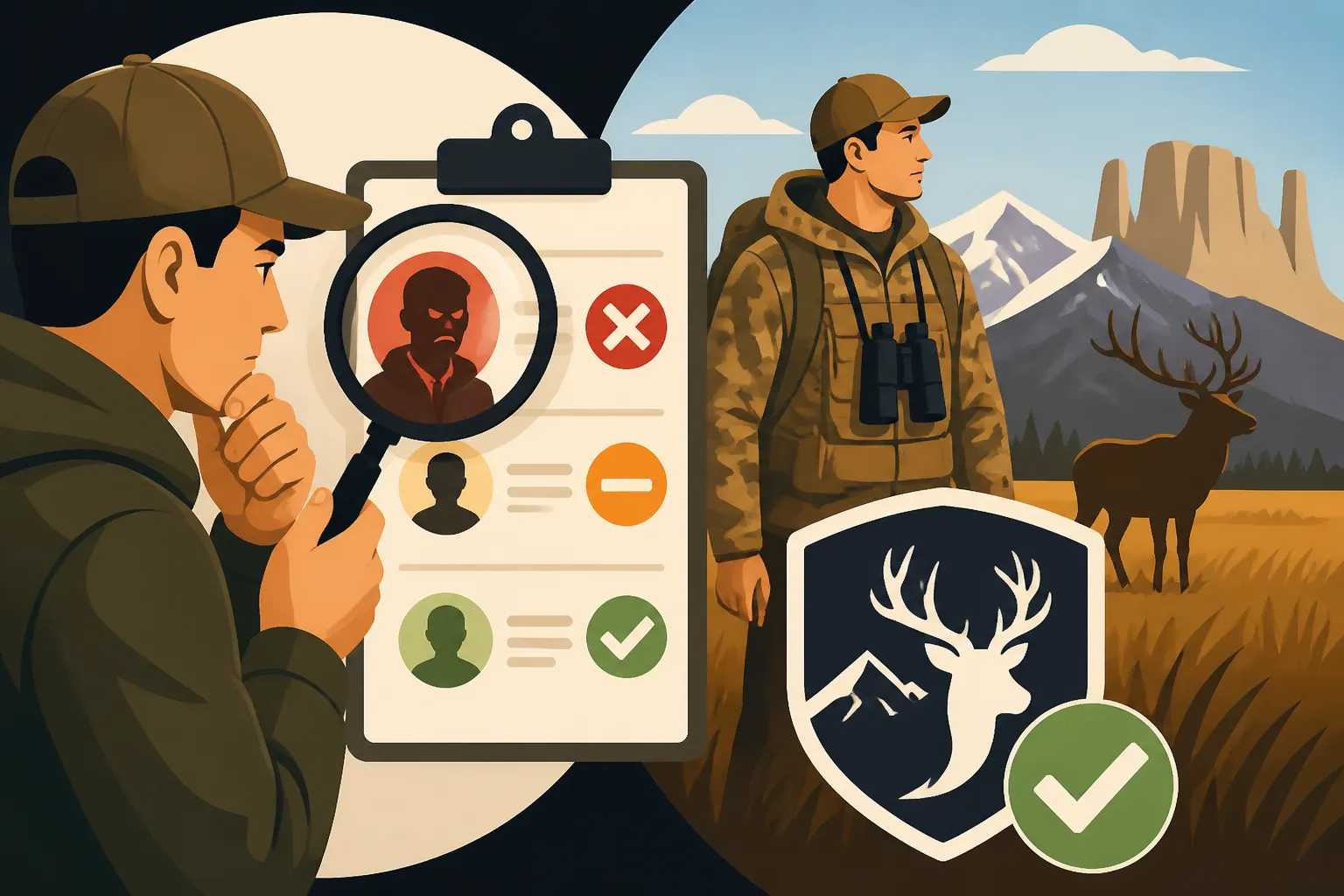
Checking an Outfitter’s Complaint History Before Booking
Committing to a guided hunt in Wyoming is a massive decision, often involving a significant financial investment, years of saving, and the burning anticipation of a dream coming true. The last thing any hunter wants is to arrive in camp, only to discover their outfitter is less than reputable, or worse, has a history of leaving clients high and dry. This guide will walk you through the essential steps to investigate an outfitter's complaint history, helping you book with confidence and protect your investment.
The Real Fear Behind Booking an Outfitter
When you decide to book a guided hunt, you're not just signing up for a few days in the field. You're entrusting a significant portion of your hard-earned money and precious time to someone else's expertise and integrity. The stakes are high, and the stories of bad experiences can make anyone hesitant.
The Investment Isn't Just Money
Think about it: an elk hunt in the Bridger-Teton isn't just a check you write. It's the countless hours spent researching units, the physical training you pushed through to prepare for mountain elevations, the vacation days you saved up for an entire year, or even longer. For many, it's a once-in-a-lifetime opportunity to chase a trophy or simply experience the wild beauty of Wyoming. If an outfitter falls short, it's not just a lost deposit; it's a lost experience, a shattered dream, and the feeling of being utterly let down after years of planning. You’re placing your trust in them not only for an ethical hunt but for your safety and a quality experience in unfamiliar country.
Common Pitfalls and Bad Experiences
The stories you hear from hunters who've had a rough go can be truly frustrating. Picture arriving at a camp that's rundown and ill-equipped, or finding out your "experienced" guide seems to know less about the local elk than you do from your e-scouting efforts. There are tales of outfitters overbooking, leading to overcrowded camps where personal attention is non-existent. Sometimes, it's a misrepresentation of game numbers, or worse, outright ethical violations like trespassing or using illegal hunting methods. These aren't just minor inconveniences; they can ruin a hunt and leave a lasting sour taste, making you question the entire industry. This is why knowing how to delve into an outfitter's past is so critical.
Where to Uncover an Outfitter's Track Record
Finding out if an outfitter has a checkered past might seem daunting, but there are official channels and community resources available to help you make an informed decision. These avenues provide different layers of information, from formal complaints to anecdotal experiences.
The Wyoming Board of Outfitters and Professional Guides
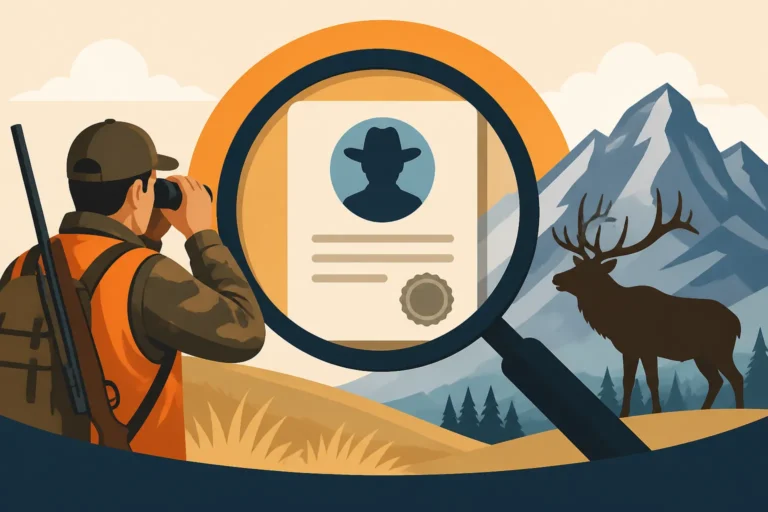
This is your absolute first stop. The Wyoming Board of Outfitters and Professional Guides is the official regulatory body for all outfitters and guides operating in the state. They are responsible for licensing, setting standards, and investigating complaints. If an outfitter has had formal grievances filed against them, this is where you'll find the official record. You can often contact the Board directly or check their online database to see if an outfitter is currently licensed and if there's any public record of disciplinary action. Looking Up a License in the Wyoming Outfitter Board is an essential first step. It's important to understand that not every minor disagreement turns into a formal complaint, but any sustained pattern of issues here is a giant red flag. They can offer crucial insights into an outfitter's professional standing and any past issues that were serious enough to warrant official action.
Beyond Official Channels: Online Research
While official records are paramount, the hunting community itself can be a valuable, albeit sometimes noisy, resource. Hunting forums, specialized social media groups, and review websites can provide a glimpse into an outfitter's reputation. Websites like BookYourHunt often feature outfitter listings alongside client reviews, giving you a sense of others' experiences. Similarly, platforms like GoHunt sometimes provide resources or articles that can help you understand what to look for in a reputable operation. However, a word of caution: always take online reviews with a grain of salt. Some might be overly negative due to unrealistic client expectations, while others could be overly positive (or even fake). Look for consistent themes across multiple reviews, and always prioritize verified reviews over anonymous posts. Pay attention to how the outfitter responds to feedback, both positive and negative, as this can speak volumes about their customer service and willingness to address issues. This also helps in understanding Which Outfitter Reviews Are Worth Trusting.
Direct References and Past Clients
Perhaps the most valuable source of information comes directly from previous clients. Any reputable outfitter should be happy to provide a list of references, ideally from the most recent season. Don't just email them; pick up the phone and have a real conversation. Ask specific questions: How was the communication before the hunt? Were the camp conditions as described? How knowledgeable were the guides? Did they feel safe and respected? Did they see game, and were their expectations managed realistically? A truly telling question is to ask the outfitter for a reference who didn't fill their tag. This can give you invaluable insight into how the outfitter and guides handle challenging hunts and client disappointment, which is often more revealing than glowing testimonials from successful hunters. If an outfitter hesitates to provide references, or only offers a select few from years ago, that should raise an eyebrow.
Deciphering Complaint Data: What to Look For
Simply seeing a "complaint" on an outfitter's record isn't the whole story. You need to dig deeper and understand the context, severity, and resolution of any issues that have arisen. Not all complaints are created equal, and a nuanced approach is key.
Not All Complaints Are Equal
When you encounter a record of a complaint, whether it's on a state board website or in an online review, it’s crucial to evaluate its nature. Is it a minor administrative issue, like a late license renewal, or a severe ethical breach, such as baiting big game where it's illegal, or operating without proper permits on public land? A single, resolved complaint from five years ago might be a blip on the radar, indicating a past issue that was addressed and corrected. However, a pattern of recent complaints concerning safety, misrepresentation, or unprofessional conduct should set off serious alarm bells. For example, complaints about poor food or uncomfortable beds are different from complaints about guides being intoxicated in the field or consistently violating game laws. The Wyoming Board of Outfitters and What It Regulates will clarify the types of issues they handle.
Resolution and Recurrence
After identifying a complaint, look closely at its resolution. Was the complaint investigated thoroughly by the Wyoming Board of Outfitters? What was the outcome? Was there disciplinary action taken, such as a fine, suspension, or revocation of their license? An outfitter who promptly addresses concerns and makes amends often demonstrates a commitment to client satisfaction, even if they occasionally encounter problems. Conversely, a history of unresolved complaints, or worse, repeated complaints of the same serious nature, indicates a systemic problem. If clients consistently report poor communication, unsafe practices, or unfulfilled promises, it suggests a lack of accountability and an unwillingness to improve. An outfitter with a suspended license or multiple disciplinary actions is an immediate stop sign – don't even consider booking with them.
The Silence Can Be Deafening
Sometimes, the absence of information can be just as telling as its presence. If an outfitter has virtually no online presence, no reviews anywhere, and seems reluctant to provide references, it could be a red flag. While a new outfitter might genuinely have a clean slate, it also means there's no public track record to vet. In such cases, your due diligence becomes even more critical. You might rely more heavily on personal referrals from trusted sources, or consider booking a shorter, less expensive trip as a trial run before committing to a big, costly endeavor. A lack of transparency from an outfitter, whether intentional or not, leaves you with a lot of unknowns, which can lead to unnecessary risk.
Beyond the Complaints: Proactive Vetting Steps
While checking complaint histories is vital, a comprehensive vetting process involves more than just looking for past problems. It’s about being proactive, asking the right questions, and carefully reviewing all agreements before you commit.
Questions to Ask the Outfitter Directly
Once you've done your initial research, compile a list of detailed questions for the outfitter. Don't be shy. Ask about their specific hunt areas and how many hunters they take each season. Inquire about their guide-to-hunter ratio, especially in wilderness areas where Wyoming Requires One Guide for Every Two Nonresident Hunters for nonresidents. Ask about their contingency plans for bad weather or unforeseen circumstances. Discuss their safety protocols in the field, particularly if you’re hunting in areas with grizzly bears – understanding their Bear Safety Practices in an Outfitter Camp is crucial. Pin down what their advertised "success rate" actually means – is it 100% opportunity, or 100% harvest? Understanding Outfitter Success Rates in Wyoming can often be tricky. You should also clarify what happens with meat processing and trophy care once an animal is harvested, and what is included in the price versus what are additional fees.
Reviewing Contracts and Deposits
This is where the rubber meets the road. Before you send any money, demand a written contract and read every single clause carefully. Pay close attention to the payment schedule, deposit requirements, and most importantly, the cancellation and refund policy. Understand Reading the Cancellation and Refund Terms thoroughly. What happens if you can't make the hunt? What if the outfitter cancels? Crucially, what happens if you fail to draw the necessary tag in the notoriously difficult Wyoming draws? Will they roll your deposit over to the next year, or will you lose it entirely? Whether You Get a Refund If You Fail to Draw is a question that needs a clear answer in writing. Be wary of any outfitter who pushes for cash-only payments or demands a full payment far in advance without a detailed, legally binding contract. Also, understand Typical Deposit Amounts Wyoming Outfitters Ask so you know if you're being asked for an unusually large sum.
Trust Your Gut and Be Realistic
Finally, after all the research and all the questions, trust your instincts. If something feels off, or if an outfitter seems overly evasive, it's probably a sign to walk away. No hunt is worth the stress and potential disappointment of dealing with a dishonest or incompetent operator. Remember, even with the best outfitter, hunting is hunting, not harvesting. There are no guarantees in the wild, and weather, animal behavior, and sheer luck all play a role. A reputable outfitter manages expectations realistically and focuses on providing a safe, ethical, and memorable experience, regardless of whether you punch your tag. Using resources like GoHunt to scout units and understand draw odds can also help set realistic expectations, complementing your outfitter research. Don't let the excitement of a dream hunt blind you to potential red flags; a little extra diligence upfront can save you a world of heartache later. You've worked hard for this hunt; make sure you're booking with someone who will work just as hard for you.
Disclaimer
This article is for general informational purposes only and does not constitute professional advice. Laws, prices and regulations vary by location and change over time. Consult a qualified professional for guidance on your specific situation.