Why Walk-In Areas Need No Permission Slip
If you've ever found yourself staring at a promising patch of land in Wyoming, wondering if it's public, private, or some confusing mix, you're not alone. The sheer amount of ground and the varying rules can make any hunter's head spin. This guide is here to untangle one specific piece of that puzzle: why Wyoming's Walk-In Areas (WIAs) are a fantastic resource where you generally don't need a separate permission slip to hunt.
Understanding Wyoming's Access Yes Program and Walk-In Areas
Wyoming is a state that values its hunting heritage, and a big part of that is ensuring access for hunters. However, much of the landscape is private land, which can create barriers. That's where the Wyoming Game and Fish Department (WGFD) steps in with its innovative Access Yes program. This program is a lifeline for hunters seeking more opportunities beyond traditional public lands.
What Exactly is "Access Yes"?
The Access Yes program is essentially a cooperative effort between the WGFD and private landowners across Wyoming. The core idea is simple: landowners are compensated for allowing public hunting access on their property. This arrangement benefits everyone. Landowners receive a financial incentive, and hunters gain access to thousands of acres that would otherwise be off-limits or require direct permission from the owner. It's a testament to the willingness of many Wyoming landowners to share their ground, provided the terms are clear and respected.
The intent behind Access Yes is crystal clear: to increase public hunting opportunities, especially for big game, but also for small game and waterfowl. It's about opening gates, literally and figuratively, to more diverse hunting experiences. These agreements are often tailored to the specific needs and concerns of the landowner, which is why you'll see different types of Access Yes areas with slightly different rules. The program helps bridge the gap between private ownership and the public desire for hunting access, turning potential "No Trespassing" signs into "Welcome Hunters" signs, under specific conditions. You can delve deeper into the program by reading How Wyoming's Access Yes Program Works.
The Distinction Between Walk-In Areas and Hunter Management Areas (HMAs)
This is where many hunters, especially those new to Wyoming or just visiting, often get tripped up. Both Walk-In Areas (WIAs) and Hunter Management Areas (HMAs) fall under the Access Yes umbrella, but their operational rules are quite different, particularly concerning permission. Understanding this distinction is key to a smooth and legal hunt.
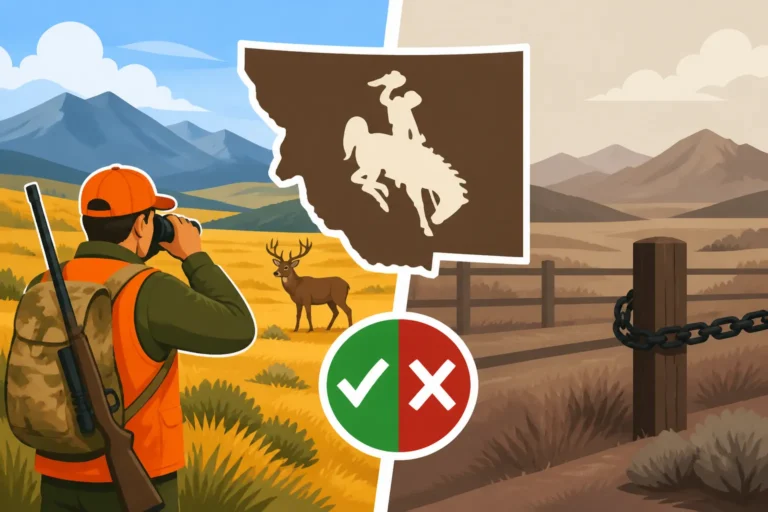
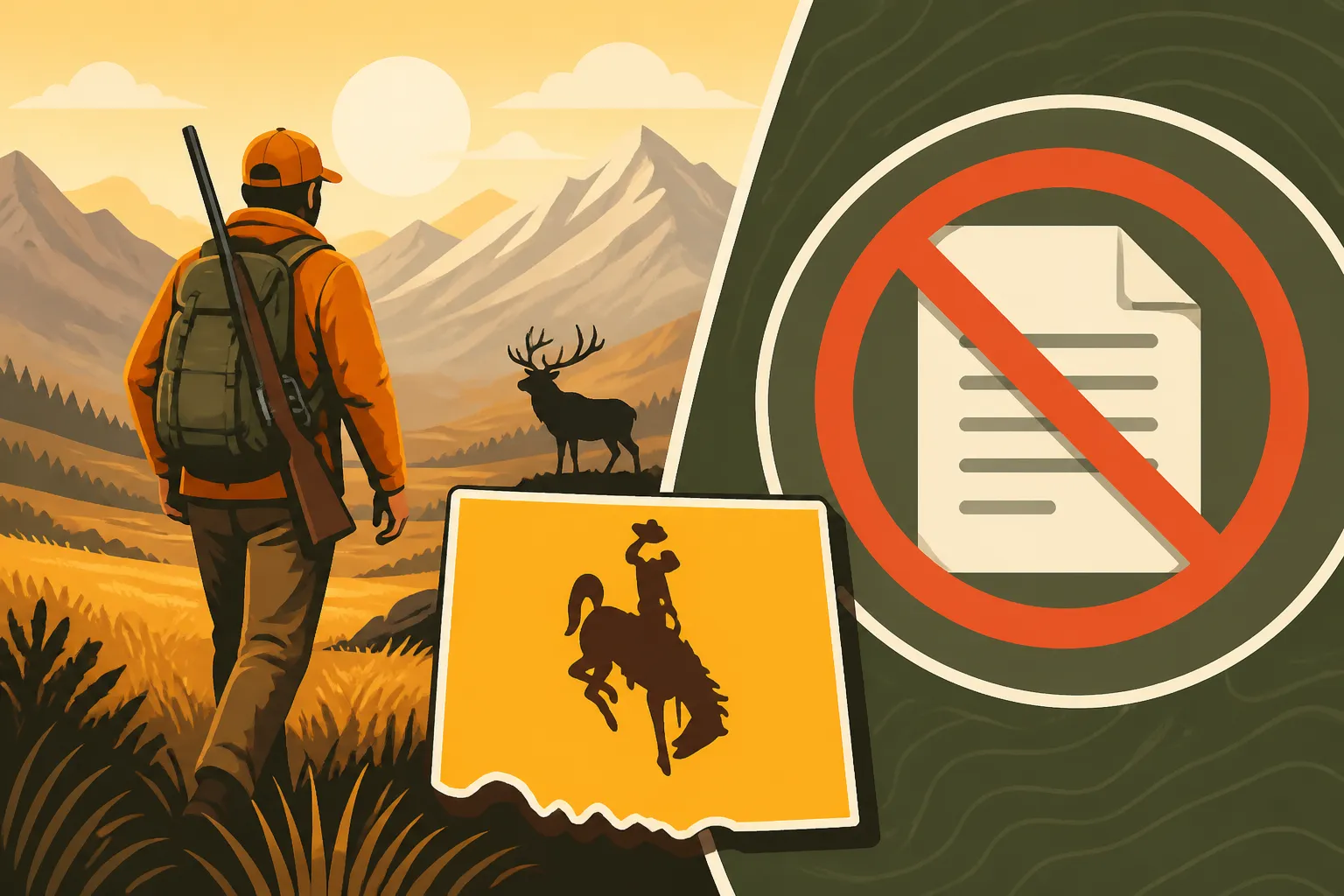
Walk-In Areas, or WIAs, are designed for the simplest possible access. Think of them as open doors for hunters. The agreement the WGFD has with the landowner grants general public permission to hunt specific species during designated seasons, all without the need for an individual permission slip. You just need to check the boundaries and rules, show up, and hunt. This simplicity is a huge draw for many hunters who want to avoid the hassle of seeking daily permission or dealing with additional paperwork.
Hunter Management Areas, on the other hand, are also private lands enrolled in Access Yes, but they come with a slightly higher level of management and often require a free, yet mandatory, permission slip. These slips are typically obtained online through the WGFD website or sometimes from designated check stations. The need for a slip in HMAs usually stems from a landowner's desire to control hunter numbers, spread out pressure, or gather data on hunter use. So, while both programs enhance access, it's vital to know which type of area you're planning to hunt. If you're looking at an HMA, prepare for that extra step, as explained in Hunter Management Areas Do Need One.
Here’s a quick comparison to help solidify the differences:
| Feature | Walk-In Area (WIA) | Hunter Management Area (HMA) |
|---|---|---|
| Permission Slip | Not Required | Required (usually online, free) |
| Access Process | Check map/rules, go hunt | Obtain permission slip, check map/rules, go hunt |
| Purpose | Broad, simple access for general hunting | More controlled access, often for specific species/seasons |
| Management | Less intensive hunter management | More active management of hunter numbers and pressure |
| Typical Use | Good for spontaneous hunts or exploring new areas | Preferred for areas needing more regulation or data collection |
Why Walk-In Areas Don't Require a Permission Slip
The primary reason Walk-In Areas don't require individual permission slips lies in the very nature of their agreements. It's a proactive approach to public land access, designed to minimize bureaucratic hurdles for hunters while still ensuring landowners have clear terms.
The Nature of the Agreement with Landowners
When the Wyoming Game and Fish Department enters into an agreement with a private landowner for a Walk-In Area, that agreement itself acts as the blanket permission for public access. The WGFD essentially secures the rights for hunters to use that land for specific periods and purposes, and in return, the landowner receives compensation. This means the WGFD has already handled the "permission" part on behalf of all ethical hunters. There's no need for individual hunters to re-verify that permission because it's baked into the Access Yes program for that particular WIA.
This structure allows the WGFD to establish these areas for less intense management. Perhaps the WIA is a large tract where hunter numbers aren't expected to be overwhelming, or the landowner's primary concern is simply ensuring proper land use and respectful behavior, which the WGFD's signage and regulations already address. It's a streamlined system, recognizing that asking every hunter for a slip on every WIA would add significant overhead and reduce the appeal of the program. The landowner trusts the WGFD and the hunting public to follow the posted rules, making the WIA a truly "walk-in" experience.
Consider a hypothetical situation: a rancher has a large area of sagebrush flats and draws that holds good antelope numbers. They might be open to public hunting but don't want to manage individual calls or emails from hunters. By enrolling it as a WIA, they get compensation, the WGFD handles the public interface, and hunters get access. Everyone wins without the need for endless paperwork.
Simplified Access for Hunters
Let's be honest: hunting involves enough logistics already. Drawing tags, planning trips, buying gear – the list goes on. The thought of adding "get permission slip" to every potential piece of huntable ground can be a real headache, especially for nonresident hunters or those exploring unfamiliar territory. This is where the simplified access of WIAs shines, addressing a genuine frustration many hunters face.
With Walk-In Areas, that friction point is largely removed. Once you've identified a WIA and understand its specific rules (like allowed species, weapon types, and open dates), you can simply go. This ease of access is a huge benefit, encouraging hunters to explore new areas and take advantage of opportunities they might otherwise pass up due to perceived access barriers. It means more time hunting and less time dealing with administrative tasks, which is what we all want, right?
Imagine you're on a multi-day hunt, and your primary spot isn't producing. Being able to pull up an app like onX Hunt, identify a nearby WIA, confirm the rules, and simply head over there without needing to find a local office or internet connection for a permission slip can literally save your hunt. It empowers hunters with flexibility and choice, making vast stretches of private land feel more like accessible public domain, albeit with special considerations. This direct approach to access, avoiding the need to Getting Permission to Cross Private Ground, makes WIAs a truly valuable asset.
How to Find and Utilize Wyoming's Walk-In Areas
Now that we understand why Walk-In Areas are permission-slip-free, the next logical step is learning how to locate them and use them effectively and ethically. After all, the best hunting opportunity in the world is useless if you can't find it or don't know how to navigate its specific regulations.
Identifying WIAs on Maps and Apps
The first and most crucial step in utilizing WIAs is knowing where they are. The Wyoming Game and Fish Department is the authoritative source for this information. They publish maps, often specific to different regions or even species, that clearly mark WIA boundaries. These maps are usually available on their website and sometimes at local offices. It's important to always consult the most current year's regulations and maps, as WIA agreements can change annually or even mid-season.
Beyond official WGFD resources, modern hunting apps have become indispensable tools. Platforms like onX Hunt are incredibly valuable because they layer public and private land ownership boundaries directly onto satellite imagery and topographic maps. They also often integrate WGFD's Access Yes boundaries, clearly delineating Walk-In Areas. This allows you to e-scout from home, planning your approach and understanding the terrain, and then confirm your location in the field with GPS functionality. Similarly, tools offered by GoHunt can also assist in pre-hunt planning by providing valuable data and map overlays. However, always remember that while these apps are powerful, the official WGFD regulations and maps are the final word.
When you're in the field, look for physical signage. WIAs are typically well-marked with distinctive yellow signs that say "Walk-In Area" or "Access Yes," along with the specific rules and permitted activities. Pay close attention to these signs, especially when approaching a boundary, to ensure you are indeed on the designated access area and not inadvertently trespassing onto adjacent private property. This diligence is key to responsible hunting. For more help finding these areas, check out Finding Walk-In Area Maps by County.
Respecting Boundaries and Rules
Just because you don't need a permission slip doesn't mean there are no rules. Think of it like a public park: you don't need permission to enter, but there are still regulations you must follow. For Walk-In Areas, adherence to the specific rules of that particular WIA and the general regulations of Wyoming hunting is paramount. These rules are posted on the yellow signs, included in WGFD hunt planners, and often detailed within mapping applications.
Common rules for WIAs often include "walk-in access only," meaning no motorized vehicles are allowed beyond a designated parking area. Some WIAs might restrict certain weapon types or be open only for specific species or during particular seasons. For example, an area might be open for archery deer hunting but closed to rifle hunting. It's your responsibility to know and follow these stipulations. Violating them can result in citations, fines, and potentially even the loss of these precious access opportunities if landowners decide to pull out of the program due to misuse.
Staying within marked boundaries is also non-negotiable. While the WGFD has secured access for the WIA, surrounding lands are likely still strictly private. Accidentally or intentionally crossing onto adjacent private land without permission is trespassing and can lead to serious legal consequences. Utilize your GPS device, map apps, and physical boundary markers to ensure you always know exactly where you are. We are guests on this land, and our actions reflect on the entire hunting community, influencing future access opportunities for everyone. This responsible behavior helps protect programs like Access Yes Opens Private Wyoming Ground to Public Hunters.
Maximizing Your Hunt on Walk-In Areas
Walk-In Areas offer incredible opportunities, but they're not always easy hunts. Often, they can be overlooked by other hunters or require a bit more effort to access, which can be a real advantage for the prepared hunter. Getting the most out of these areas means doing your homework and adopting ethical practices.
Scouting and Preparation
Just like any other hunting ground, successful WIA hunts often start long before you ever set foot on the property. E-scouting from your home computer or mobile device is an incredibly powerful tool. Use satellite imagery on mapping apps like onX Hunt to identify key terrain features: water sources, bedding areas, travel corridors, and potential ambush points. Look for draws, isolated pockets of cover, or changes in elevation that might concentrate game. Since many WIAs are on private land, they might have unique features like old farm buildings, fences, or different vegetation patterns compared to traditional public lands, all of which can influence game movement.
Once you have a general understanding from e-scouting, if possible, physically scout the area before the season opens. Even a drive-by on the perimeter can tell you a lot about access points, parking, and general habitat. Walk some of the trails, get a feel for the distances, and understand the terrain's nuances. Pay attention to fresh sign, like tracks, droppings, and rubs. What kind of game can you expect? WIAs vary wildly, from open sagebrush flats perfect for pronghorn to river bottoms holding whitetails, or even foothill country where mule deer might roam. The WGFD's hunt planner and specific WIA descriptions will often give clues about the primary species an area is managed for.
Effective preparation also extends to your gear and physical conditioning. Since many WIAs are "walk-in only," you'll be covering ground on foot. Ensure you have comfortable, broken-in boots, a sturdy backpack, and enough water and supplies for a full day. Understanding How Close a Bowhunter Really Needs to Get or Rifle Zero Distance for Open Country Shooting will impact your effective range and therefore your scouting strategy. Being ready for the physical demands of a walk-in hunt will dramatically increase your enjoyment and success.
Ethical Hunting Practices on WIAs
Hunting on Walk-In Areas comes with a unique responsibility. You are hunting on private land that has been generously opened for public use, and your actions directly influence the future of these access programs. Being a good ambassador for hunters is crucial. This means adhering to ethical hunting practices not just because they're the law, but because it's the right thing to do.
Leave No Trace is more than just a motto; it's a critical behavior on WIAs. Pack out everything you pack in, including spent shell casings, food wrappers, and any trash you might find. Respect any existing infrastructure like fences, gates, and water troughs. If a gate is closed, close it behind you. If it's open, leave it open. Drive only on designated roads to parking areas, and never off-road on private land, even if it looks like a faint two-track. Remember, these landowners are doing us a favor, and respecting their property is the least we can do. Many of these principles apply to general Wyoming State Trust Land Hunting as well.
Be mindful of other hunters. WIAs can see significant pressure, especially on opening weekend or in popular areas. Practice good hunter etiquette: give other hunters space, avoid sky-lining yourself, and communicate respectfully if you encounter someone in the field. When packing out an animal, do so discreetly and efficiently. Your goal should be to leave the land in the same, or better, condition than you found it, fostering a positive relationship between landowners, the WGFD, and the hunting public. Report any observed violations or disrespectful behavior to the WGFD; protecting these access opportunities is everyone's job.
Disclaimer
This article is for general informational purposes only and does not constitute professional advice. Laws, prices and regulations vary by location and change over time. Consult a qualified professional for guidance on your specific situation.