Recurve Poundage That Will Kill an Elk
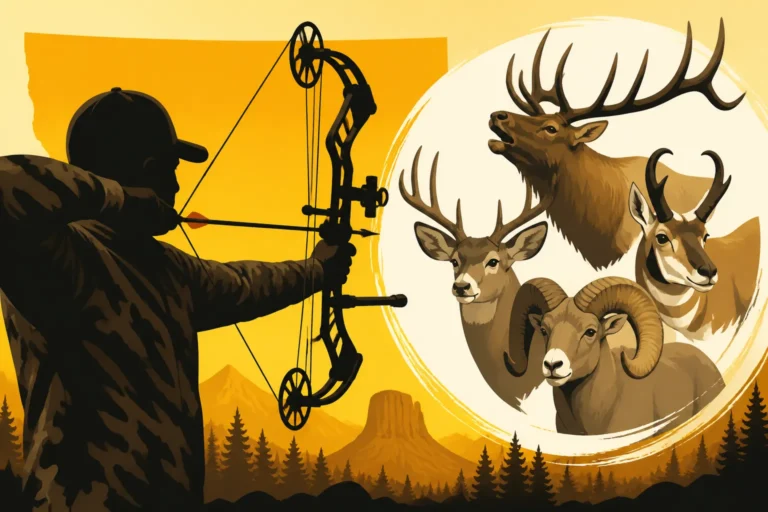
There's a question that echoes in the minds of every traditional bowhunter looking to chase elk in Wyoming: "How much draw weight do I really need on my recurve to humanely take down an animal as magnificent and tough as a bull elk?" It's a valid, even critical, concern, because nobody wants to wound an animal. Many hunters grapple with finding the right balance between being able to comfortably draw their bow and having enough power to achieve a clean, ethical pass-through. This guide is here to shed light on not just the legal minimums, but the practical realities and crucial factors beyond poundage that will truly determine your success and ethical responsibility in the field.
Understanding Wyoming's Legal Draw Weight for Recurves
Navigating hunting regulations can sometimes feel like trying to untangle a snarled fishing line – confusing and frustrating. For traditional bowhunters eyeing Wyoming's vast elk country, one of the first hurdles is understanding what the state legally requires of your equipment. It's not just about what you can shoot, but what you're allowed to shoot.
The Minimum Requirement for Big Game
Let's cut right to the chase: Wyoming has a clear minimum draw weight requirement for all big game animals, which naturally includes elk. You might be surprised to learn that for many species, the state sets bow draw weight at 40 pounds. However, when it comes to the larger, more robust animals like elk and moose, that minimum nudges up slightly. Specifically, Wyoming mandates that bows elk and moose require a minimum of 50 pounds of draw weight. This applies whether you're shooting a recurve, a longbow, or a compound. This distinction is vital because while a 40-pound recurve might technically be legal for deer or antelope, it won't cut it for elk. This regulation isn't arbitrary; it's designed with the animal's welfare in mind, aiming to ensure sufficient energy for an ethical kill. So, if your recurve pulls less than 50 pounds at your draw length, it's not a legal option for your Wyoming elk hunt, regardless of how accurate you are with it.
Why Legal Minimums Aren't Always Ethical Minimums
Here's where the rubber meets the road for many traditional bowhunters. The legal minimum is just that – a minimum. It’s the lowest bar you have to clear to stay on the right side of the law. However, most seasoned traditional archers, especially those who hunt elk with recurves, will tell you that merely meeting the 50-pound threshold doesn't necessarily mean you're optimally equipped for every elk encounter. An elk is a powerfully built animal, with thick hide, dense muscle, and strong bone structure. Achieving a clean pass-through with a traditional bow is paramount for a quick, humane kill, and a 50-pound recurve, while legal, can be on the lighter side for reliable performance, especially if other factors aren't perfectly aligned. It’s the difference between could and should. While a well-placed shot with a 50-pound bow can certainly be lethal, the margin for error shrinks considerably. This leads to the common frustration many face: you meet the legal standard, but your conscience (and practical experience) tells you that you might need a little more "oomph."
Beyond Poundage: Factors for Ethical Elk Harvests with a Recurve
While draw weight is a crucial piece of the puzzle, it's far from the only factor determining an ethical and effective shot on an elk with a recurve. Think of it like a chain: every link needs to be strong. Skimp on one, and the whole system can fail, leading to a heartbreaking outcome in the field.
Arrow Weight and Broadhead Selection
This is perhaps the most critical component that traditional bowhunters often fine-tune, sometimes even more so than increasing draw weight itself, especially if they’re already pulling comfortably within their limits. A heavy arrow carries more momentum, and momentum is what drives a broadhead through flesh and bone. Imagine trying to hammer a nail with a lightweight tack hammer versus a heavy framing hammer – the heavy hammer does the job with less effort because of its momentum. For elk, many traditional bowhunters aim for an arrow weighing at least 500 grains, with some going even heavier. This increased mass helps retain kinetic energy and penetrate deep, even if you’re shooting a recurve on the lower end of the comfortable spectrum.
Equally important, if not more so, is your broadhead selection. This is not the place to cut corners. Fixed and expandable heads under Wyoming rules dictate certain standards, but for recurves on elk, a well-designed, razor-sharp fixed-blade broadhead with a strong ferrule and a cutting diameter that doesn't hinder penetration is usually the top choice. Broadheads that fail the 7/8-inch ring test, for instance, are problematic. Look for two or three-blade designs that are known for their strength and ability to maintain structural integrity upon impact with bone. Brands like GrizzlyStik, Magnus, or Zwickey are often favored by traditional archers because their robust designs are built for maximum penetration. A heavy arrow combined with a stout, sharp fixed-blade broadhead creates a formidable combination that maximizes the penetration potential of your recurve, making the most of every pound of draw weight. The goal here is to optimize your arrow weight that gets through an elk, ensuring clean entry and exit wounds for better blood trails and a quicker kill.
Shot Placement and Distance Control
With a traditional bow, shot placement isn't just important; it's absolutely paramount. There's less room for error compared to a high-speed compound setup. You're aiming for the vitals – the lungs and heart – and striving for a double-lung pass-through. This means understanding elk anatomy inside and out, knowing precisely where those vital organs sit from various angles. A shot placed too far back, too high, or hitting heavy shoulder bone with inadequate power will likely result in a wounded animal and a difficult, if not impossible, recovery.
This emphasis on precise shot placement directly translates to the need for strict distance control. Recurve bows, by their nature, are typically not as forgiving over longer distances as compound bows. Their arrow speeds are lower, and the trajectory is more arching, making range estimation and compensating for animal movement far more critical. For most recurve hunters, 20-25 yards is often considered the maximum ethical range for elk, with many preferring to keep shots closer to 15 yards if possible. This isn't about bragging rights; it's about respecting the animal and maximizing your chances of a clean kill. This means that your ability to get within "bow range," which for a recurve is often much closer than for a compound, is incredibly important. You need to assess the terrain that hides an approach, and realistically evaluate how close a bowhunter really needs to get to make an ethical shot.
Shooter Proficiency and Practice Regimen
Ultimately, the most powerful bow in the world is useless in unsteady hands. Your proficiency as an archer with your specific recurve setup is perhaps the greatest determinant of success. This isn't just about hitting a target; it's about consistently grouping your arrows tightly at various hunting distances under pressure. You need to be intimately familiar with your bow, your anchor points, your release, and your aiming method.
A rigorous practice regimen is non-negotiable. Don't just shoot from a comfortable 20 yards at a static target in your backyard. Practice shooting from kneeling, standing, and awkward positions. Practice with your hunting layers on, in different weather conditions. Incorporate realistic archery practice distance for big game into your routine, simulating shots you might encounter in the field. This also includes tuning your bow, which can have a massive impact on accuracy and arrow flight; bow tuning worth doing before a mountain hunt cannot be overstated. Consistent, focused practice builds muscle memory, confidence, and the mental fortitude needed to execute a perfect shot when a bull elk steps into your window of opportunity. Using resources like GoHunt for e-scouting can help you visualize the kind of terrain and shot opportunities you might encounter, allowing you to tailor your practice even further.
Optimizing Your Recurve Setup for Western Elk
Hunting elk with a recurve in Wyoming is an incredibly rewarding challenge, but it demands careful preparation and optimization of your gear. It’s about creating a system where every component works together to give you the best chance for a clean, ethical harvest.
Finding Your Ideal Draw Weight Sweet Spot
While the legal minimum for elk in Wyoming is 50 pounds, many traditional archers find their personal "sweet spot" to be a bit higher. For some, it's 55 pounds, for others, 60 or even 65 pounds. The key is to find the heaviest draw weight you can consistently and accurately shoot, without struggling or compromising your form, especially when cold, tired, or at an awkward angle. If you find yourself shaking, unable to hold at full draw, or developing bad habits due to excessive weight, you've gone too far. It's far better to shoot a 55-pound recurve perfectly than to struggle with a 65-pound bow and introduce inconsistencies into your shot.
Consider the physical demands of elk hunting: you'll be hiking mountains, possibly at altitude, and you might need to draw your bow quickly and smoothly after a strenuous stalk. The last thing you want is to be fatigued at the moment of truth. Experiment with different weights, perhaps borrowing bows from friends or visiting an archery shop. Shoot hundreds of arrows at each weight, evaluating your consistency and comfort level. Remember, it's not a competition to shoot the heaviest bow; it's about finding the power you can reliably control. Many archers looking for recurve, longbow or compound for western elk find that the right recurve weight is a balance of power and shootability.
| Draw Weight (Recurve) | Ethical Elk Capability (with optimal arrow/broadhead) | Considerations |
|---|---|---|
| 40-49 lbs | Illegal for Elk in Wyoming | Not permissible. Focus on higher weights. |
| 50-55 lbs | Marginal to Good | Meets legal minimum. Requires exceptionally precise shot placement, heavy arrows (550+ grains), and stout fixed-blade broadheads. Max ethical range likely 15-20 yards. No room for error. |
| 56-60 lbs | Good to Excellent | A common and highly effective range for experienced recurve hunters. Allows for heavier arrow setups (500-600+ grains) and greater momentum. Max ethical range typically 20-25 yards, potentially slightly more for expert shooters. Offers a slightly larger margin of error. |
| 61-65 lbs | Excellent | Provides significant penetration power, especially with heavy arrows (600+ grains). Ideal for those who can comfortably and accurately shoot this weight. Can handle tougher angles or minor bone impacts more forgivingly. Max ethical range 25+ yards for skilled archers. |
| 65+ lbs | Superior | Reserved for highly conditioned archers who can comfortably manage the weight. Offers maximum penetration potential. |
Note: This table assumes proper arrow tuning, broadhead selection, and expert shooting form.
Arrow Tuning and FOC Optimization
Once you've settled on a draw weight, the next step is meticulous arrow tuning. This is a process of matching your arrows perfectly to your bow, ensuring they fly straight and true, rather than oscillating in flight (known as "archer's paradox"). Proper arrow tuning significantly impacts penetration because a perfectly flying arrow delivers all its energy directly to the target. This involves testing different spine (stiffness) arrows, point weights, and fletching configurations.
Beyond just tuning, consider optimizing your arrow's Front of Center (FOC). FOC refers to the balance point of your arrow. A higher FOC (generally 12-19% for traditional bows) means more weight is concentrated towards the broadhead. This helps the arrow maintain its flight path, improves penetration by driving the point deeper, and can also help with accuracy in windy conditions – a real concern when you're scouting a Wyoming unit from your kitchen table, only to find yourself glassing Wyoming basins before you take a step, then hunting open sagebrush. Many traditional archers achieve higher FOC by using heavier inserts or broadheads, even opting for heavy bone-splitting broadheads like those from Iron Will that are designed for maximum impact and penetration. Don't underestimate the power of a well-tuned, high-FOC arrow; it can make a 55-pound recurve hit with the authority that feels like a much heavier bow.
Mental and Physical Preparation for the Hunt
Elk hunting, especially with a recurve, is as much a mental game as it is a physical one. You need to be prepared for long days, steep climbs, and potentially enduring harsh weather. This physical conditioning directly impacts your ability to hold your bow steady and execute a smooth shot when the opportunity finally arises. Start a rigorous workout routine months before your hunt, focusing on cardiovascular endurance, core strength, and leg power.
Mentally, you need to cultivate patience, resilience, and unwavering focus. The vast, open country of Wyoming means you'll spend a lot of time glassing Wyoming basins before you take a step, and stalking pronghorn across Wyoming's open sagebrush (or elk in similar terrain) requires extreme stealth and calculated moves. Prepare for the inevitable setbacks – missed opportunities, blown stalks, and challenging conditions. Visualize successful shots, but also prepare for difficult scenarios. Learn to control your adrenaline when an elk is in front of you. Practice deep breathing exercises to calm your nerves before a shot. A calm, focused mind can make all the difference, ensuring that when the moment arrives, your physical preparation and well-tuned equipment come together for a clean, ethical harvest.
Ethical Considerations and the Recurve Advantage
Hunting with a recurve bow is a deeply personal and challenging endeavor, one that inherently brings ethical considerations to the forefront. When pursuing an animal as grand as a Wyoming elk, these considerations aren't just good practice—they're fundamental to the integrity of the hunt.
Maximizing Your Chances for a Clean Kill
The ultimate goal for any ethical hunter is a quick, humane kill. With a recurve, this means accepting certain limitations and working within them to maximize your effectiveness. It's not about forcing a shot; it's about earning one. This often means passing on shots that a compound hunter might take. It means waiting for the perfect angle, the broadside shot, or even slightly quartering-away, where your arrow can slip cleanly through the ribs into the vitals. It means recognizing when an animal is too far, too alert, or in too thick of cover.
This is where your knowledge of game species like Wyoming elk herd units and winter range becomes critical. Understanding where elk are likely to move, feed, and bed down will help you position yourself for those high-percentage shots. The recurve advantage, if you will, is often in the challenge itself. It forces you to become a more skilled woodsman, a better tracker, and a more patient hunter. It distills the hunt down to its primal elements, forging a deeper connection with the land and the animal. It encourages you to slow down, observe more, and rely on traditional skills over technological aids. This mindful approach, combined with a properly weighted and tuned recurve, dramatically increases your chances of a clean kill.
When a Recurve Might Not Be the Best Choice
While the recurve offers immense satisfaction, it's also important to be realistic about its limitations, especially for newer traditional archers or those with physical constraints. If you consistently struggle to comfortably and accurately pull 50 pounds (or ideally, 55-60+ pounds) and maintain good form, it might be more ethical to consider other options for elk. A lighter draw weight, even with optimal arrow tuning, significantly reduces your margin for error and the energy delivered to the target.
Another scenario where a recurve might present a greater challenge is in very dense timber where shot opportunities are fleeting and close-range, yet require very rapid target acquisition, or in extremely open country where getting within that critical 20-yard window is exceedingly difficult. While it's certainly possible, and many recurve hunters excel in these environments, it demands an even higher level of skill and experience. It's an honest self-assessment that every hunter must make: Am I truly proficient enough with this equipment for this animal and this environment? There's no shame in recognizing limits; the ethical imperative always comes first. You might consider a compound bow, which offers higher speeds, flatter trajectories, and a let-off that allows you to hold at full draw longer, if you find your recurve isn't quite cutting it for the specific demands of a Wyoming elk hunt.
Disclaimer
Hunting regulations can change frequently. Always consult the most current Wyoming Game and Fish Department regulations before planning your hunt to ensure compliance with all laws and ethical standards. This guide provides general information and recommendations, but it is not a substitute for official legal documents or personalized professional advice.