Trapping License Requirements for Resident Hunters
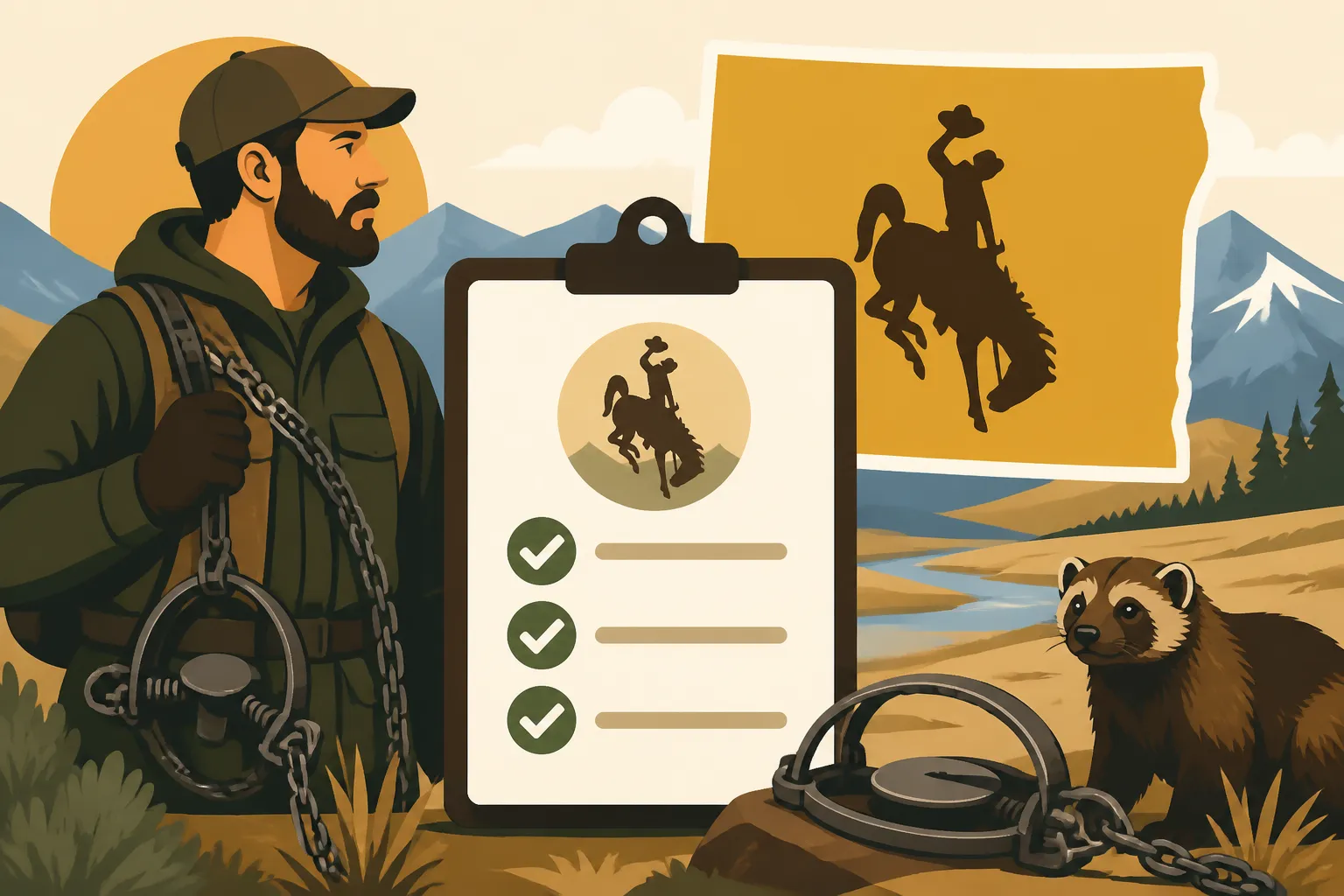
Venturing into the world of trapping in Wyoming can feel like navigating a maze of regulations, especially when you're just trying to figure out what licenses you actually need as a resident. It’s easy to get overwhelmed by all the different species, zones, and rules that seem to change every year. This guide is here to untangle those knots, breaking down exactly what Wyoming resident hunters need in terms of trapping licenses and permits to pursue furbearers and predators legally and responsibly.
Understanding Wyoming's Trapping Landscape
Wyoming offers a rich tradition of trapping, but it's a privilege that comes with significant responsibilities, largely governed by the Wyoming Game and Fish Department (WGFD). The landscape of trapping regulations here is designed to balance conservation, public safety, and opportunities for trappers.
Why Trapping Regulations Exist
It might feel like regulations are just there to make things harder, but in reality, they serve several crucial purposes. First and foremost, they're about conservation. By managing harvest limits, season dates, and methods, the WGFD ensures that furbearer and predator populations remain healthy and sustainable for future generations. Without these rules, species could easily be overharvested, leading to ecological imbalances.
Beyond conservation, public safety is a huge concern. Traps, especially larger ones, can pose risks to non-target animals, domestic pets, and even people if set improperly or in inappropriate locations. Regulations like setback distances from public roads, trails, and dwellings are in place to minimize these risks. They protect the general public who also enjoy Wyoming's vast public lands, ensuring that a shared resource can be used safely by everyone. Lastly, regulations often touch on humane trapping practices, encouraging trappers to use effective, quick-killing traps and to check their trap lines regularly. It’s about ensuring that the animals harvested are treated with respect and that suffering is minimized, upholding ethical standards in the trapping community.
Resident vs. Nonresident Requirements
It’s important to note right off the bat that trapping license requirements in Wyoming vary significantly depending on whether you're a resident or a nonresident. This guide focuses squarely on the resident hunter, who typically benefits from lower license fees and sometimes different permit structures. Nonresidents, for example, face much higher fees and often have more restrictive opportunities, particularly for furbearers, or may even be entirely excluded from trapping certain species or in certain areas. Understanding your residency status is the first critical step before even thinking about what license to buy. The WGFD has clear guidelines on what constitutes a Wyoming resident, often tied to continuous physical presence in the state for a certain period, voter registration, vehicle registration, and other factors. Make sure you meet those criteria before you proceed.
Eligibility and the Basic Resident Trapping License
Getting started as a resident trapper in Wyoming begins with establishing your residency and then securing the foundational license that opens the door to most trapping opportunities. It’s a pretty straightforward process once you know the steps.
Who Qualifies as a Wyoming Resident for Trapping
Before you can even apply for a resident trapping license, you need to prove you’re actually a resident in the eyes of the Wyoming Game and Fish Department. This isn't just a casual declaration; there are specific legal definitions. Generally, to qualify as a resident for hunting and trapping purposes, you must have resided in Wyoming for at least one full year immediately preceding your application. This needs to be a continuous, physical presence, not just owning property here.
The WGFD looks for tangible proof. This often includes things like having a valid Wyoming driver's license, registering your vehicles in Wyoming, being registered to vote here, and showing proof of employment within the state. They might also consider property ownership, school enrollment for children, or tax filings. Essentially, you need to demonstrate that Wyoming is your primary and permanent domicile. Misrepresenting your residency status can lead to severe penalties, including fines, loss of licenses, and even criminal charges, so always be truthful and ensure you meet all criteria before applying. It’s always a good idea to double-check the latest definitions on the WGFD website or in the current year's hunting and trapping regulations, as these can be updated.
Securing Your Annual Trapping License
Once you've confirmed your residency, getting your annual resident trapping license is a fairly simple process. You can generally purchase these licenses directly from the WGFD website through their online licensing system, at any WGFD office, or from authorized license selling agents across the state. These agents are often sporting goods stores or general merchandise stores in local communities.
When you apply, you'll need to provide proof of residency, typically your Wyoming driver's license, and potentially other documentation if requested. The online system is usually the most convenient option for many, allowing you to complete the purchase from home. Just make sure your WGFD account information is up-to-date. If you’re ever unsure about how to navigate the online system or where to find an authorized agent, a quick call to your local WGFD office can clear things up. Many trappers also find platforms like GoHunt invaluable for checking current regulations and understanding the nuances of the licensing process before they even start.
The Cost of a Resident Trapping License
Compared to nonresident fees, the cost for a resident trapping license in Wyoming is quite reasonable, designed to be accessible to those who call the state home. For the most recent information, as of late 2023/early 2024, a general resident trapping license typically runs around $30.
However, this is just the base license. Keep in mind that while this license covers the pursuit of many furbearers and predators, certain species may require additional tags or permits, which will add to your total cost. We'll delve into those specifics in the next section. It’s always best to check the current year's Wyoming Game and Fish Department Hunting and Trapping Regulations booklet for the exact, up-to-the-minute pricing, as fees can occasionally change. Don't forget that a Wyoming Conservation Stamp is also required for almost all hunting and trapping licenses, so factor that additional small cost into your budget if you don't already possess one.
Species-Specific Trapping Permits and Endorsements
The general resident trapping license is your foundational pass, but Wyoming's diverse wildlife often requires additional, species-specific permits or tags, especially for certain furbearers. This is where things can get a bit more detailed, so paying close attention to the particular animal you're targeting is crucial.
Furbearers and Predators: What's the Difference?
In Wyoming, the legal distinction between a "furbearer" and a "predator" is incredibly important because it dictates licensing, season dates, and even how and where you can trap them. This isn't just semantics; it's the core of how regulations are structured.
- Furbearers are typically species managed for their pelts and often have specific hunting and trapping seasons, quotas, and require the general trapping license plus potentially additional tags. These animals are often highly valued and need careful management to ensure sustainable populations. Examples include beaver, marten, bobcat, otter, and occasionally badger. Their harvest is closely monitored, often requiring mandatory check-ins and pelt sealing.
- Predators, on the other hand, are generally species that are not managed with strict seasons or quotas in the same way. In many parts of Wyoming, they can be taken year-round, and sometimes without a specific license on private land for residents. However, this isn't always universally true, and it's vital to know the specific local rules. Coyotes, foxes, skunks, and raccoons fall into this category across much of the state. Wolves are a unique case, as they are considered "trophy game animals" in a designated "trophy game management area" but "predators" outside of it, leading to vastly different rules depending on your location. The legal framework surrounding wolves is notoriously complex, and requires careful study of the current regulations.
This distinction is key because it tells you whether you're looking at a tightly regulated season with specific tags, or a more open-ended pursuit. Never assume; always verify the classification for the species you intend to trap.
Required Permits for Specific Furbearers
While your general resident trapping license covers most of Wyoming's "unprotected" furbearers and predators, several species are considered "protected furbearers" or require special attention, meaning you'll need additional harvest tags or permits. Getting these extra permits is just as critical as your base license.
For example, if you plan to trap bobcats, you will need a bobcat harvest tag in addition to your general trapping license. These tags are often issued with specific limits per trapper and require mandatory harvest reporting and pelt sealing. Similarly, trapping river otters often involves an even more restrictive permit and often a lottery draw, given their more sensitive population status. Species like marten, fisher, and wolverine also fall under specific permit or tag requirements, often with very limited opportunities or even complete closures depending on current population assessments. You definitely won’t be trapping a wolverine in Wyoming without some serious dedicated research and a lot of luck in a draw, if an opportunity even exists in a given year.
The season dates for these furbearers are usually quite specific, varying by species and sometimes by geographic area. You'll need to study the annual WGFD regulations booklet diligently to understand these nuances. Missing a mandatory check-in or sealing requirement for a protected furbearer can lead to stiff penalties, so always err on the side of caution. Websites like GoHunt often compile information on these specific tags and permit requirements, helping trappers stay informed about what's needed for each species.
Trapping Predators and Trophy Game Animals
When it comes to predators, the rules simplify somewhat for residents, but there are still critical distinctions, especially regarding wolves. For most common predators like coyotes, foxes (red fox, swift fox), badgers, skunks, and raccoons, your basic resident trapping license usually suffices, and these animals often have open seasons or year-round trapping opportunities in many areas.
In the "predator zone" of Wyoming (which is most of the state outside of the designated "trophy game management area"), a resident can take coyotes without any license at all on private land. This is a unique aspect of Wyoming law that often surprises new trappers. However, if you are trapping coyotes on public land, or any other predator like fox or badger, you will generally need your resident trapping license.
The big exception, and where "predator" status gets complicated, is the wolf. In the designated "trophy game management area" (TGMA), primarily in northwest Wyoming, wolves are classified as trophy game animals, similar to bears or mountain lions. This means they are managed with specific hunting and trapping seasons, quotas, and require a separate, often difficult-to-draw, wolf license. Outside the TGMA, in the rest of the state, wolves are classified as predators and can be taken year-round without a license by residents, similar to coyotes. However, even in predator zones, there are limitations on how and where you can take them. This dual classification makes wolf regulations particularly complex and mandates a thorough understanding of current WGFD maps and rules. Remember that in the TGMA, pursuing a wolf is a much more involved process, akin to pursuing big game, requiring knowledge of things like The Wyoming Conservation Stamp and Who Needs One and understanding Wyoming's Trophy Game Management Area.
Here’s a simplified breakdown of typical resident trapping license requirements:
| Species Category | General Resident Trapping License Required? | Additional Permits/Tags Needed? | Season/Quota Notes |
|---|---|---|---|
| Protected Furbearers | Yes | Yes (Species-specific tag/permit) | Limited seasons, quotas, mandatory sealing/reporting |
| Beaver, Marten, Fisher | Yes | Often specific area/species tags | Managed seasons, varied by area |
| Bobcat | Yes | Yes (Bobcat Harvest Tag) | Specific season, quota, mandatory sealing |
| River Otter | Yes | Yes (Limited, usually lottery-drawn) | Highly restricted, very limited opportunity |
| Common Predators | Yes (on Public Land) | No | Often year-round, open in most areas |
| Coyote | No (on Private Land by Resident) | No | Year-round, often without license on private land |
| Fox (Red, Swift) | Yes | No | Often year-round, open in most areas |
| Badger, Skunk, Raccoon | Yes | No | Often year-round, open in most areas |
| Wolf | Yes (in Trophy Game Area) | Yes (Wolf License in TGMA) | Strict seasons, quotas, draw in TGMA |
| No (in Predator Zone) | No | Year-round, open outside TGMA |
Always consult the current Wyoming Game and Fish Department regulations for the most accurate and up-to-date information, as seasons, rules, and classifications can change annually.
Beyond the License: Essential Trapping Rules to Know
Obtaining the correct licenses and tags is a crucial first step, but it’s far from the only legal obligation for a responsible trapper in Wyoming. There's a whole host of other rules designed to ensure ethical practices, public safety, and effective wildlife management. Ignoring these can lead to fines, confiscation of equipment, and loss of trapping privileges.
Trap Registration and Identification
One of the most fundamental rules of trapping in Wyoming, and indeed in most places, is that every trap must be clearly identified. This isn't just a suggestion; it's a mandatory requirement designed to establish ownership and accountability. Each trap you set, whether it's a foothold, a conibear, or a snare, must bear your name and address or your Wyoming Game and Fish Department customer identification number (ID#). This allows game wardens to easily identify the owner of any trap found in the field and helps prevent issues with abandoned or improperly set traps.
Using your WGFD ID number is often preferred by trappers as it’s more discreet than a full name and address. You can get this number when you first set up your WGFD licensing account. You can typically stamp or engrave this information directly onto your traps or attach durable, weather-resistant tags. Whatever method you choose, ensure the identification is legible and securely affixed. This rule applies to all traps, regardless of the species you're targeting or the type of land you're on, be it private or public.
Trap Setting Restrictions and Public Safety
Public safety is paramount, and Wyoming has specific regulations governing where you can set traps to minimize risks to non-target animals, pets, and people. Simply put, you can't just set a trap anywhere you please. One common restriction involves setback distances. For instance, many regulations require traps to be set a certain distance away from public roads, designated public trails, or occupied dwellings. These distances can vary, so it's essential to check the current regulations annually. The intent is to reduce the likelihood of accidental encounters.
Additionally, some areas might have specific restrictions or closures to trapping altogether, especially near popular recreation sites, campgrounds, or residential areas. You also need to be acutely aware of land ownership. While you might have a license, you still need permission to trap on private land. Even on public lands, such as those managed by the Bureau of Land Management (BLM) or the National Forest Service, there might be specific local rules or restrictions. Using mapping applications like those offered by GoHunt with public land overlays can be incredibly helpful for understanding property boundaries and identifying potential restricted areas before you ever step foot in the field. Understanding Wyoming State Trust Land Hunting and other types of land access is critical for responsible trapping.
Reporting Requirements and Carcass Handling
For many furbearer species, especially protected ones like bobcats or river otters, the act of trapping doesn't end when you make a catch. Wyoming has mandatory reporting requirements for these animals. This typically involves checking in your harvest at a WGFD office or with an authorized WGFD representative within a specified timeframe after harvest. During this check-in, the animal's pelt might be sealed, and biological data, such as sex, age, and location of harvest, may be collected. This data is vital for wildlife biologists to monitor populations and set future quotas. Failing to report or get a pelt sealed when required can lead to serious penalties.
Beyond reporting, responsible carcass handling is also expected. While not as stringent as The Meat Salvage Requirements for Big Game for larger animals, trappers are generally expected to utilize the animals they harvest, whether for their fur, meat (if edible), or other parts. Wanton waste rules may apply to furbearers, meaning you can't simply abandon a valuable animal in the field. Proper field dressing, skinning, and storage are important steps in respecting the animal and ensuring the quality of the pelt. Be mindful of rules about transporting carcasses or pelts, especially across state lines, as different states have different requirements.
Season Dates and Quotas for Trapping
Unlike some predator species which may be open year-round, most furbearers are subject to specific trapping season dates. These seasons are carefully set by the WGFD to coincide with times when the fur is prime and to protect populations during vulnerable periods, such as breeding or denning. Missing the season opening or closing dates can lead to significant penalties, including fines and confiscation of harvested animals.
Furthermore, some species, particularly those with more sensitive populations like bobcats or river otters, also have strict quotas. A quota means that only a certain number of animals can be harvested statewide or within a specific area before the season is closed, regardless of the official end date. These quota closures can happen suddenly, sometimes with very little advance notice. It is the trapper's responsibility to stay informed about current harvest numbers and potential closures. The WGFD website and local offices are the best sources for this real-time information. You can often find a current report on harvest limits and closures. Knowing when to hit the field and when to pull your traps based on these critical dates and quotas is a mark of a responsible trapper. Being aware of current Wyoming's Black Bear Season Dates can give you a good idea of how other species might also have very specific openings and closings.
Modern Tools and Resources for Wyoming Trappers
In today's interconnected world, trappers have access to an incredible array of tools and resources that can make understanding regulations, planning trips, and ensuring compliance much easier. Gone are the days of relying solely on a paper map and a printed regulation booklet.
Leveraging Online Resources and Apps
The internet has revolutionized how hunters and trappers access information, and Wyoming is no exception. The official Wyoming Game and Fish Department website is undoubtedly your primary resource. It's where you'll find the most current hunting and trapping regulations, season dates, draw odds, and licensing information. Many times, they'll also post real-time updates on quota closures or emergency regulation changes. Spend time navigating this site; it’s a treasure trove of knowledge.
Beyond the official state resources, a variety of reputable third-party applications and platforms have become indispensable. Mapping apps like onX Hunt are incredibly popular for their ability to show public and private land boundaries, which is crucial for avoiding trespass and identifying accessible trapping areas. These apps also often show topographical features, roads, and trails, helping with route planning and trap placement. Similarly, platforms like GoHunt offer a wealth of information tailored to Western hunters and trappers. They provide detailed regulation breakdowns, draw odds, and unit profiles that can help you strategize your efforts. Some even offer filtering tools that can help identify areas with specific species or access types. While these apps are powerful, always cross-reference critical regulatory information with the official WGFD publications to ensure accuracy.
The Value of Trapper Education and Associations
While Wyoming doesn't always mandate a specific "trapper education" course in the same way it does for hunter education (like Anyone Born After 1965 Needs Wyoming Hunter Education), seeking out educational opportunities is invaluable. Many seasoned trappers and trapping associations offer workshops, seminars, and mentorship programs that cover ethical trapping techniques, trap modifications for humane dispatch, furbearer biology, pelt preparation, and, crucially, in-depth discussions of state regulations. Learning from experienced individuals can save you a lot of trial and error, and help you understand the nuances that aren't always explicitly written in a regulation booklet.
Joining a local or statewide trapping association, such as the Wyoming Trappers Association, is another excellent way to stay informed and connected. These organizations often work closely with the WGFD, advocate for trappers' rights, and provide a network for sharing information and best practices. They're often the first to know about proposed regulation changes or important updates. Plus, being part of a community of like-minded individuals can greatly enhance your trapping experience, offering camaraderie and support. These groups emphasize responsible, ethical trapping, contributing positively to both the sport and wildlife conservation.
Disclaimer
The information provided in this guide is for general informational purposes only and is not intended as legal advice. Hunting and trapping regulations in Wyoming are complex and subject to change. Always consult the most current official Wyoming Game and Fish Department regulations, available on their website or from authorized license agents, before planning or engaging in any trapping activities. It is the individual's responsibility to know and abide by all applicable laws and regulations.