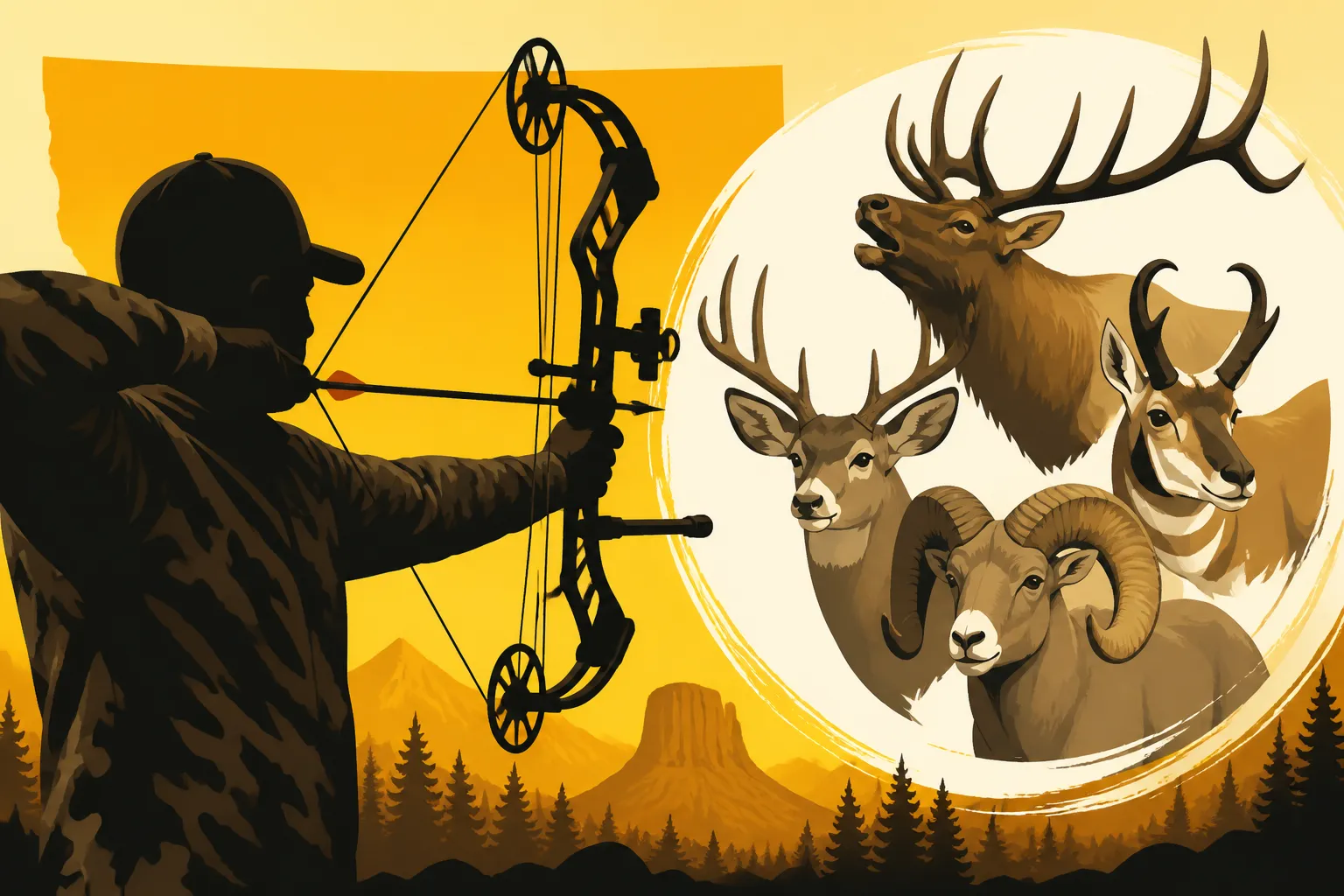
Which Big Game Species Require a Fifty-Pound Bow
Navigating the specific regulations for hunting in Wyoming can feel like trying to untangle a particularly stubborn knot, especially when it comes to archery equipment. One common point of confusion for bowhunters, whether you're a seasoned veteran or just starting out, is understanding the exact draw weight requirements for different big game animals. There's nothing more frustrating than arriving in your hunt unit only to realize your gear isn't legal, and this guide is here to ensure you're perfectly clear on which big game species demand a fifty-pound bow.
Understanding Wyoming's Archery Draw Weight Regulations
When you're preparing for a bow hunt in Wyoming, it's absolutely crucial to understand the state's draw weight requirements. These aren't arbitrary rules; they're in place to ensure a humane and ethical harvest, meaning your arrow has enough kinetic energy and momentum to achieve adequate penetration for a quick, clean kill. The Wyoming Game and Fish Department sets these minimums to prevent undue suffering of the animals you're pursuing. It’s a foundational piece of knowledge that every bowhunter needs to grasp before stepping foot in the field.
The regulations essentially create two tiers for big game bowhunting, primarily distinguished by the size and resilience of the animal. For smaller to medium-sized big game, there's one minimum, and for the larger, more robust species, a higher minimum is required. This distinction is vital, as using an underpowered bow can lead to poor penetration, a wounded animal, and a lost opportunity – none of which any ethical hunter wants. We're talking about the minimum weight your bow must be capable of pulling, and this measurement is taken at the point of your full draw, not necessarily the peak weight if you're shooting a compound bow with significant let-off.
The Big Game Species Demanding a Fifty-Pound Minimum
When you're eyeing the truly large game animals in Wyoming, the rules tighten up a bit, and for good reason. These majestic creatures are built tough, with dense bone structure and thick muscle, demanding more power from your archery setup to ensure a clean, ethical harvest. For these particular species, Wyoming law clearly states that your bow must have a minimum draw weight of 50 pounds. This isn't a suggestion; it's a legal requirement designed for humane hunting.
Elk: A True Test of Your Setup
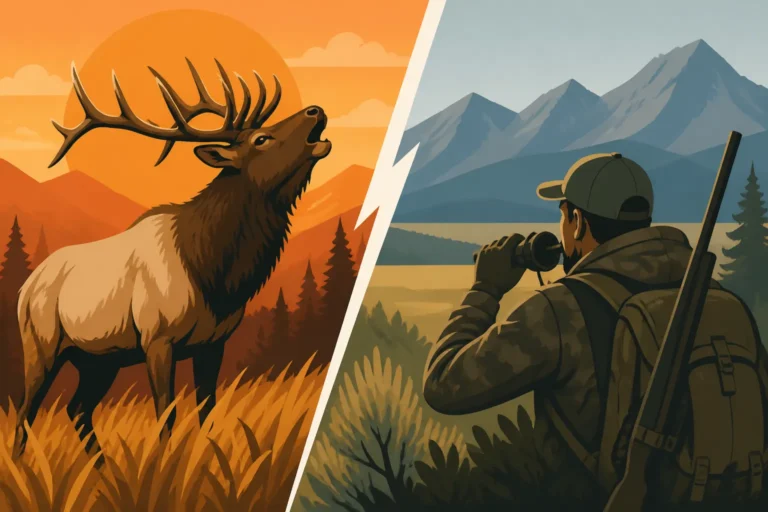
Elk, the iconic wapiti of the West, are arguably the quintessential big game animal that many bowhunters dream of pursuing in Wyoming. They are large, incredibly powerful, and possess a robust skeletal structure, especially around the shoulder and rib cage areas. To ethically hunt an elk with a bow, you need a setup that can deliver significant kinetic energy and momentum. This is precisely why Wyoming mandates a minimum 50-pound draw weight for hunting elk. That 50-pound threshold ensures that, coupled with a well-constructed arrow and sharp broadhead, you have a reasonable chance of achieving sufficient penetration to reach vital organs.
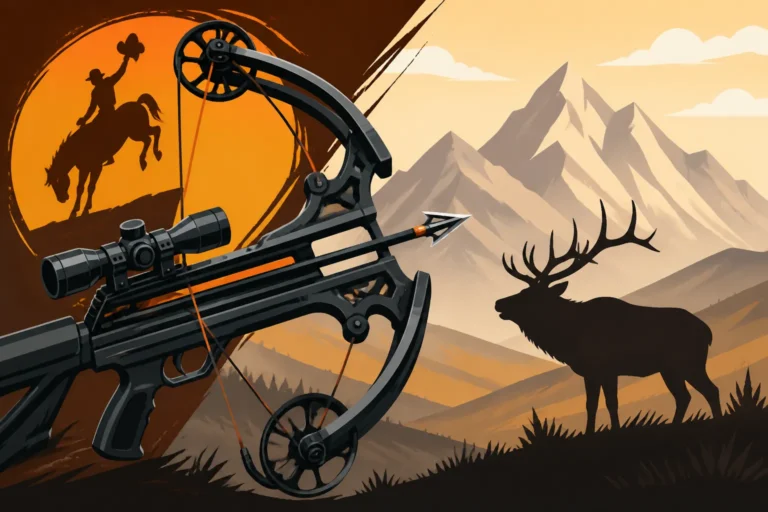
It’s not just about the numbers on your bow’s limb; it’s about what that power translates to downrange. When an arrow hits an elk, especially if it encounters bone, you need every ounce of energy your bow can muster. A 50-pound minimum helps ensure that your arrow has the force to overcome resistance from hide, muscle, and potentially bone, leading to a quick and humane kill. Many experienced elk hunters even recommend exceeding this minimum, especially if you're using a recurve or longbow, to maximize your chances. If you’re curious about specific performance, you might want to delve into topics like Recurve Poundage That Will Kill an Elk to truly understand the dynamics. Additionally, your choice of broadhead plays a massive role in penetration and effectiveness, making it worth considering Fixed Blade Against Mechanical Broadheads on Elk as part of your overall setup strategy.
Moose: The Gentle Giants Requiring Power
While less common to draw a tag for due to their more limited distribution and highly sought-after status, Shiras moose also fall under the 50-pound minimum draw weight requirement in Wyoming. These are the largest members of the deer family in North America, and their sheer size, thick hide, and exceptionally heavy bone structure dwarf even that of an elk. Their bodies are built like tanks, designed to crash through dense timber and withstand harsh conditions.
Hunting moose with a bow is a monumental challenge that requires absolute confidence in your equipment and your shooting abilities. The 50-pound draw weight is an absolute necessity for moose to ensure your arrow has the best possible chance of reaching vitals through their massive bodies. Anything less, and you risk a superficial wound, leading to a long and likely unsuccessful tracking job, which is something no ethical hunter ever wants. The sheer scale of these animals is impressive; for more detail, you can read about How Big a Shiras Moose Bull Gets to appreciate the challenge. Because of their formidable build, your arrow choice is paramount. Factors like weight and broadhead design become even more critical than with elk, as you need maximum penetration to ensure an ethical harvest.
Other Big Game Species and Their Draw Weight Requirements
Not every big game animal in Wyoming demands the hefty 50-pound draw weight. The state's regulations are carefully calibrated to the size and resilience of each species, ensuring that hunters have adequate power for a clean kill without being overly restrictive. For a significant portion of Wyoming's popular big game, the minimum draw weight is a bit lighter, making bowhunting accessible to a wider range of archers.
Deer, Antelope, and Bighorn Sheep: The Forty-Pound Standard
For mule deer, whitetail deer, pronghorn (often called antelope), and bighorn sheep, Wyoming sets the minimum draw weight at 40 pounds. These animals, while certainly robust and challenging to hunt, generally possess less body mass and thinner bone structures compared to their elk and moose counterparts. A properly tuned bow pulling 40 pounds, combined with a well-matched arrow and sharp broadhead, is considered sufficient to achieve ethical penetration on these species.
This 40-pound minimum opens up opportunities for more hunters, as it's a more attainable draw weight for many, including youth and those with less upper body strength. However, it's crucial to remember that this is a minimum. Just because 40 pounds is legal doesn't mean a heavier draw weight isn't beneficial, especially for animals like bighorn sheep that can be surprisingly tough. For a deeper dive into these specific regulations, you might find information on Wyoming Minimum Draw Weight for Deer Hunting or Draw Weight Rules for Antelope and Bighorn Sheep incredibly useful. These resources underscore that while the requirements are lower, the commitment to ethical hunting remains just as high.
Why the Distinction Matters for Ethical Hunting
The tiered draw weight system isn't about making things complicated; it's fundamentally about ethical hunting. Imagine trying to penetrate the thick hide and dense bone of a mature bull elk with a bow designed for a whitetail deer – the outcome would likely be a wounded animal that suffers and is never recovered. The Wyoming Game and Fish Department understands that a bow with insufficient power simply cannot reliably deliver a lethal shot on larger, tougher animals.
It comes down to kinetic energy and momentum. A heavier draw weight generally translates to greater arrow speed and, more importantly, greater penetrating power. This ensures that when your arrow hits its mark, it has enough force to drive through hide, muscle, and bone, severing vital blood vessels and organs. Without this power, an arrow might only wound superficially, causing immense suffering and often leaving the animal to die slowly. This is why matching your equipment to the game you're pursuing isn't just a legal necessity, but a moral obligation for every hunter. Even with a legal setup, practice is paramount. There's no substitute for consistent shooting to ensure accuracy, and understanding your effective range. Learning about Realistic Archery Practice Distance for Big Game can truly make a difference in the field. Many hunters rely on detailed planning tools and resources, like those often found on platforms such as GoHunt, to help them cross-reference regulations and ensure their entire setup is optimized for the specific species and conditions they’ll face.
Navigating the Nuances of Draw Weight and Bow Setup
Understanding the raw numbers for draw weight is a fantastic start, but successful and ethical bowhunting in Wyoming involves a deeper dive into how your bow operates and how all the components of your archery setup work together. It's not just about the peak weight you can pull; it's about the consistency, the arrow's flight, and its terminal performance.
Compound vs. Recurve/Longbow: Measuring True Draw Weight
When we talk about draw weight, the type of bow you're shooting makes a difference in how that weight is measured and felt. For traditional bows like recurves and longbows, the draw weight is typically measured at a standard 28-inch draw length, and the weight increases linearly as you pull back. If your personal draw length is longer than 28 inches, your bow will actually be pulling more than its stated weight at full draw. Conversely, if your draw length is shorter, you'll be pulling less. This is important to understand when checking against the 40- or 50-pound minimums.
Compound bows, on the other hand, have a distinct peak draw weight and then a significant "let-off" when you reach full draw. This let-off allows you to hold the bow at a much reduced weight, which is fantastic for aiming, but the legal minimums refer to the peak draw weight, not the holding weight. So, if your compound bow is set to a peak weight of 55 pounds, even with 80% let-off making it feel like 11 pounds at full draw, you’re well within the 50-pound minimum for elk or moose. It's crucial to know your bow's true settings. Understanding Compound Bow Let-Off and Measured Draw Weight is key to making sure you're compliant and performing optimally. Many hunters use a bow scale to verify their actual peak draw weight, especially after making adjustments or if they're unsure about their setup.
Beyond Draw Weight: Arrow Mass and Broadhead Effectiveness
While draw weight is a non-negotiable legal minimum, it's just one piece of the penetration puzzle. An arrow's overall mass (weight) plays a huge role in how effectively it will penetrate an animal. A heavier arrow, even from a bow with less draw weight (though still meeting minimums), will carry more momentum than a lighter, faster arrow. This momentum is what drives the broadhead through tissue and bone. For species like elk and moose, many experienced hunters prioritize a heavier arrow for maximum penetration, even if it means sacrificing a little bit of speed. You can dive deeper into this with resources like Arrow Weight That Gets Through an Elk.
Furthermore, the broadhead itself is the business end of your arrow, and its design, sharpness, and integrity are paramount. A razor-sharp broadhead, whether it's a fixed blade or a mechanical design (as long as it meets Wyoming's legal cutting diameter minimums), will slice through tissue far more efficiently than a dull one, regardless of your draw weight. Fixed-blade broadheads are often favored for their reliability and robust construction, especially when bone impact is a possibility. Mechanical broadheads can offer larger cutting diameters but must deploy perfectly. The synergy between sufficient draw weight, appropriate arrow mass, and a devastatingly sharp and well-designed broadhead creates an ethical hunting setup. This combination is what truly allows for clean, swift kills. When researching and planning your hunt, comprehensive resources, including those available on GoHunt, can provide invaluable data on arrow setups and broadhead performance.
| Big Game Species (Wyoming) | Minimum Bow Draw Weight | Notes on Requirement |
|---|---|---|
| Elk | 50 pounds | Required for ethical penetration on large, dense animals |
| Moose | 50 pounds | Required due to immense size, thick hide, and heavy bone structure |
| Mule Deer | 40 pounds | Sufficient for smaller body mass and less dense bones |
| Whitetail Deer | 40 pounds | Applies to whitetail deer found in eastern Wyoming |
| Pronghorn | 40 pounds | Adequate for lighter bone structure and smaller size |
| Bighorn Sheep | 40 pounds | Sufficient for robust but not as massive as elk/moose |
Disclaimer
Please be aware that hunting regulations, including draw weight requirements, can change. Always consult the most current Wyoming Game and Fish Department regulations before planning or undertaking any hunting activity. This guide is for informational purposes only and should not replace official legal documentation.