Bighorn Sheep Random Draw Odds Explained
For many hunters, drawing a bighorn sheep tag in Wyoming feels like winning the lottery, and when you look at the odds, it's easy to see why. The sheer rarity of these permits means that understanding how the random draw works is crucial, especially for those hoping to beat the long odds, or at least prepare for the journey. This guide will help break down the complexities of Wyoming's bighorn sheep random draw odds, giving you a clearer picture of what you're up against and how to navigate the application process.
The Unique Challenge of Wyoming Bighorn Sheep Tags
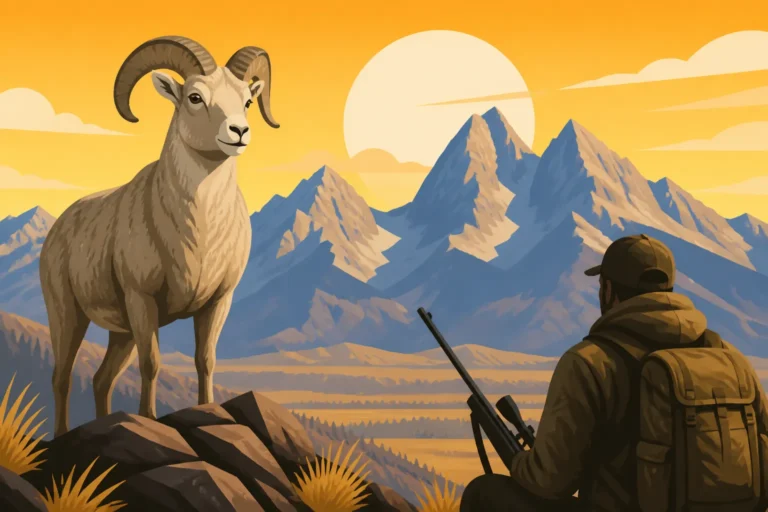
Wyoming's bighorn sheep are magnificent animals, inhabiting some of the most rugged and beautiful landscapes the state has to offer. Naturally, the desire to hunt them is high, but the available tags are incredibly limited, making them one of the most coveted big game opportunities. Unlike many other species, drawing a bighorn sheep tag in Wyoming is a "once-in-a-lifetime" experience, meaning if you successfully draw a ram tag, you won't be eligible to draw another one in the state. This rule alone emphasizes the scarcity and value placed on these tags.
This scarcity, combined with high demand, drives the draw odds to notoriously low percentages. Many applicants, especially nonresidents, go decades applying for these tags without success, accumulating preference points year after year. While preference points are a significant factor in other Wyoming big game draws, bighorn sheep have a slightly different wrinkle that makes the "random" component even more critical.
The dream of a bighorn sheep hunt often starts years, sometimes even decades, before a hunter ever sets foot in the mountains with a tag in hand. It’s a true test of patience and persistence, where the draw results can feel like a roll of the dice, even for those with maximum points. It’s a waiting game, and understanding the specific mechanisms behind the draw is the first step in playing it.
Deconstructing the Random Draw for Bighorn Sheep
Wyoming employs a draw system that combines both preference points and a random component for many of its limited quota licenses. However, for bighorn sheep and mountain goat, the system behaves a bit differently, particularly for nonresidents. While preference points do exist for sheep, they don't function in the same linear, accumulating manner you might expect for, say, elk or deer. The system for these once-in-a-lifetime species is governed by what's known as the 90/10 split, and it significantly impacts the random draw odds.
Under this 90/10 split, 90% of the available bighorn sheep tags are allocated to resident hunters, and only 10% are reserved for nonresidents. If the number of nonresident tags available in a specific hunt area is less than one, often meaning zero tags are available for nonresidents in that unit, it adds another layer of challenge. This strict allocation means that the pool of tags nonresidents are even vying for is incredibly small to begin with.
For the actual random draw, it’s not simply a matter of drawing for the leftover tags after the point holders have had their say. Instead, after the preference point system has run its course (which is typically a much smaller percentage of the tags for other species), a significant portion of the remaining tags are awarded through a true random lottery. This is where your individual application, regardless of your point total, has a chance. Think of it as a separate mini-lottery within the main draw. This is the part that keeps hunters coming back year after year, hoping to catch that lucky break, even if their point totals aren't through the roof.
The Role of Preference Points vs. Random Chance
For most species in Wyoming, preference points are the primary driver of success in the draw, especially for nonresidents. Each year you apply unsuccessfully or purchase a point directly, you accumulate one point. These points then factor into future draws, increasing your odds of success in the preference point portion of the draw. However, for bighorn sheep, even with maximum preference points, your odds of drawing a nonresident tag remain incredibly low. This is because the overall number of nonresident tags is so small, and the random component still plays a disproportionately large role.
Consider a scenario where a particular bighorn sheep hunt area has only one nonresident tag available. Even if you have 10, 15, or even 20 preference points, you are still competing with every other applicant who has the highest possible point tier, and then all those applications are thrown into a random bucket for that single tag. It’s not a guarantee by any stretch. This is why many hunters pursuing these elusive tags check resources like GoHunt to analyze historical draw odds, often seeing single-digit or even sub-one-percent odds for nonresident sheep tags, even with high points.
This reality means that while buying a preference point each year for bighorn sheep is a wise long-term strategy, it doesn't offer the same predictable path to a tag that it might for other species like elk or deer. You're essentially playing a waiting game with an added layer of pure chance, always hoping your name gets picked in that random lottery.
The "Once-in-a-Lifetime" Factor and Its Impact
The "once-in-a-lifetime" rule for bighorn sheep and moose in Wyoming adds another layer of significance to the draw odds. Because you can only harvest a ram once in your lifetime in Wyoming, the incentive to apply for the best units—the ones known for producing trophy-caliber rams or offering excellent hunting experiences—is extremely high. This concentration of applications on a few prime units further depresses the odds in those specific areas.
The pressure on these tags is immense, not just from those looking for a record-book ram, but also from hunters who simply want the experience. This means that even the less "glamorous" units often have incredibly tough draw odds. The limited harvest quotas, combined with the once-in-a-lifetime restriction, ensure that bighorn sheep populations are managed conservatively, which in turn reinforces the low availability of tags. This strict management, while excellent for the health of the herds, makes the dream of a sheep tag a distant one for many. To truly grasp the difficulty, you might want to delve into Wyoming Bighorn Sheep Random Odds Sit Under One Percent.
Strategies for Navigating the Bighorn Sheep Draw
Given the incredibly challenging odds, what's a persistent hunter to do? While there's no magic bullet, a thoughtful, long-term strategy can improve your chances, or at least help manage expectations. It's a game of patience, research, and a bit of hope.
Playing the Long Game: Consistently Buying Points
The most fundamental strategy for any limited quota draw in Wyoming is to consistently buy preference points. Even though the random component is significant for bighorn sheep, having the maximum points possible does give you the best shot when those applications are sorted. Each year you don't apply for a tag, make sure you purchase a point during the designated point-only window. This ensures you're continually improving your position, however incrementally, for that eventual shot.
Many hunters use this strategy across multiple western states, considering it an investment in future opportunities. It's a way to stay in the game without the yearly commitment of a full application if you're not ready to hunt. You can find detailed information on how these points accumulate by exploring articles such as How Wyoming Awards a Preference Point.
Deep Dive into Hunt Area Selection
One of the most critical aspects of improving your odds, even slightly, is meticulous research into specific hunt areas. Not all bighorn sheep units are created equal, either in terms of population, trophy potential, or draw difficulty. While the "trophy" units will always have the lowest odds, sometimes there are units with slightly better, albeit still very challenging, odds that might offer a fantastic hunting experience without quite the same level of competition.
Utilize resources like GoHunt's Insider service or the Wyoming Game and Fish Department's harvest reports and draw odds statistics. Look for trends:
- Are there units that historically issue one or two nonresident tags more consistently?
- Are there any units that see less application pressure due to difficult access or lower trophy potential, but still offer a quality hunt?
- How do the quotas fluctuate year to year?
Understanding Wyoming Bighorn Sheep Hunt Districts can help you focus your research on areas that align with your goals and risk tolerance. It's a balance between pursuing the dream ram and finding an opportunity that might actually materialize within a reasonable timeframe.
Understanding the 90/10 Split and Nonresident Reality
As mentioned, the 90/10 split favoring residents profoundly impacts nonresident draw odds for bighorn sheep. It means that for every 10 tags issued, only one goes to a nonresident. This isn't just a number; it's a stark reality check. For many units, this translates to zero nonresident tags being issued in a given year, or perhaps just one.
| Draw Type | Resident Allocation | Nonresident Allocation | How it Works |
|---|---|---|---|
| General Tags | Higher | Lower | Varies by species, often point-based for nonresidents. |
| Limited Quota | Significant | Minimal | Point systems and random pools. |
| Sheep/Moose (90/10) | 90% | 10% | Fewest nonresident tags, highly random, once-in-a-lifetime. |
This table illustrates the core challenge. This is where you have to decide if the pursuit of a Wyoming bighorn sheep is a true bucket-list item worth dedicating decades to, or if focusing on other species where nonresident opportunities are more prevalent is a better use of your application dollars. The cost of applying, even for points, adds up, as detailed in Wyoming Nonresident Tags Run $326 to $1,965. For many, the dream of a sheep tag is so strong that they accept these odds as part of the challenge.
Considering Other Once-in-a-Lifetime Species
While the focus here is on bighorn sheep, it's worth noting that Wyoming also has other "once-in-a-lifetime" species with unique draw rules. Mountain goat, for instance, operates as a pure lottery for nonresidents, with no preference points influencing the draw. This can be an interesting contrast, as some hunters might find the pure random nature of the mountain goat draw appealing, eliminating the pressure of accumulating points. You can learn more about this by reading Mountain Goat Has No Preference Points in Wyoming. Understanding these nuances across species helps to refine your overall hunting application strategy in the West.
Ultimately, drawing a bighorn sheep tag in Wyoming is a marathon, not a sprint. It demands patience, consistency, and a realistic understanding of the extremely low odds. For those who persevere, the reward is a truly unforgettable experience in some of the most spectacular wild country imaginable.
Disclaimer
This article is for general informational purposes only and does not constitute professional advice. Laws, prices and regulations vary by location and change over time. Consult a qualified professional for guidance on your specific situation.