Bobcat Season and Pelt Tag Rules
For those of us who spend our winters scanning the sagebrush or checking trap lines in Wyoming, the elusive bobcat represents a true challenge and a valuable fur. But let's be honest, navigating the exact rules for hunting these beautiful felines, especially around season dates and that all-important pelt tagging, can feel like trying to track a ghost through a blizzard – confusing and prone to missteps. This guide aims to pull back the curtain on Wyoming's bobcat season and detailed pelt tag requirements, ensuring you're squared away before you even step foot in the field.
Understanding Wyoming's Bobcat Season Structure
Unlike some other game animals with relatively straightforward, statewide seasons, bobcat hunting in Wyoming requires a keen eye on the specific regulations for your chosen hunt area. The Wyoming Game and Fish Department (WGFD) manages bobcats as furbearers, which often means more nuanced rules, especially when it comes to quotas and reporting.
The General Season Dates and Variations
When you look at the regulations, you'll quickly notice that the bobcat season isn't a "one-size-fits-all" deal across the entire state. Instead, Wyoming is divided into various management areas, and each of these areas can have its own distinct opening and closing dates. Typically, bobcat seasons run during the colder months, often starting in the late fall or early winter and extending into late winter or early spring. This timing aligns with when bobcat pelts are at their prime, thick and luxurious, making them most desirable for trappers and hunters alike.
However, these dates are not set in stone year after year. The WGFD constantly monitors bobcat populations, harvest data, and environmental factors to make informed decisions. A particularly harsh winter, for instance, or a season with lower than average reproduction could lead to adjusted dates in subsequent years. This means you absolutely must consult the current year's hunting and trapping regulations booklet or the WGFD website for the precise dates in your specific hunt area before making any plans. Don't rely on last year's calendar! It's also wise to check for broader furbearer seasons in general, as bobcats often fall under similar frameworks. For a quick overview of other regulated species, you might refer to information on Wyoming Small Game Seasons at a Glance.
Quotas, Closures, and Emergency Regulations
Here's where things get really critical for bobcat hunters: quotas. Many bobcat management areas operate under a harvest quota system. This isn't just a suggestion; it's a hard limit. What does that mean for you? It means that even if the published season end date is, say, March 31st, the season in your specific area could close immediately if the pre-determined quota for that area is met sooner. This happens more often than you might think, especially in popular or productive areas.
Imagine you've scouted a prime bobcat location, put in the time calling or setting traps, and are just a few days from the season's official end. You check the WGFD website, and suddenly, your area is closed because the quota was filled yesterday. All that planning, and now you're out of luck. This scenario underscores the absolute necessity of staying vigilant. The WGFD typically provides information on quota closures through its website, hotlines, and sometimes via email alerts if you've signed up for them. Resources like GoHunt might offer aggregated data or discussions from other hunters, but always treat the official WGFD announcement as gospel. This isn't a system that allows for exceptions or "just one more." When the quota is hit, the season is over, full stop. Being aware of potential emergency closures is paramount to legal and responsible hunting.
Essential Rules for Hunting Bobcats in Wyoming
Beyond season dates and quotas, understanding the specific legalities around how you can hunt bobcats in Wyoming is crucial. While typically less restrictive than big game regulations, furbearer rules still have important distinctions regarding licensing, methods, and even the time of day you can hunt.
Licensing and Legal Methods of Take
To hunt or trap bobcats in Wyoming, you'll need the appropriate license. For most residents and nonresidents, this will be a furbearer trapping license or a general hunting license, though specific requirements can sometimes vary depending on your hunting method or if you're a resident versus nonresident. Always double-check the current fee schedule and license types with the WGFD.
When it comes to the legal methods of take, bobcats offer quite a bit of flexibility compared to big game. You're generally allowed to use:
- Firearms: This includes rifles, shotguns, and handguns. Unlike big game, where specific caliber minimums and bullet types are strictly regulated (like Wyoming Legal Firearm List for Big Game), furbearer regulations are usually more permissive. However, using appropriate calibers that ensure a quick, ethical kill and minimize pelt damage is always recommended.
- Archery Equipment: Traditional bows, compound bows, and crossbows are typically legal. While there aren't the same strict broadhead rules as for elk (see Arrow Weight That Gets Through an Elk for an example of big game requirements), using sharp, effective broadheads for a clean harvest is always the goal.
- Trapping: This is a very common and effective method for bobcats. However, trapping comes with its own detailed set of rules regarding trap types, size, setbacks from public roads or dwellings, and checking intervals. If you plan to trap, you must dive deep into the specific trapping regulations.
It's important to remember that all hunting and trapping must adhere to fair chase principles. This means no using aircraft to spot and then pursue, or any other method that gives an unfair advantage.
Electronic Calls, Decoys, and Night Hunting
For many big game species in Wyoming, electronic calls are a big no-no. But for furbearers like bobcats, the rules often relax. This is good news for predator hunters.
- Electronic Calls: Yes, you can generally use electronic calls to lure in bobcats. These calls, which often mimic rabbit distress, bird distress, or even other bobcat vocalizations, can be incredibly effective. Imagine a cold morning, sitting quietly, and then broadcasting a convincing rabbit squeal across the sagebrush. That's a tactic many bobcat hunters employ. For more context on where these are legal, you can check Electronic Calls for Predators and Varmint Hunting.
- Decoys: Visual decoys can also be very helpful. A simple feather flapper or a small, motion-activated rabbit decoy can draw a curious bobcat in for that final few yards. Combining an electronic call with a visual decoy can create a very compelling scenario that even the wariest bobcat might investigate.
- Night Hunting: This is another significant difference between big game and furbearer hunting in Wyoming. For bobcats and many other predators, night hunting is generally allowed. However, it's not a free-for-all. There are specific rules regarding the use of artificial lights (spotlighting). While spotlighting is often permitted for hunting predators like coyotes (see Wyoming Spotlighting Rules for Hunting Predators), there might be restrictions on the type of light, when and where it can be used, and if it can be attached to a vehicle. Always confirm the current regulations for artificial light use, especially if you're on public land or near residences. Private landowners may also have their own rules regarding night hunting on their property. This flexibility for night hunting makes bobcats a popular target during the winter months when days are short.
The Critical Process of Pelt Tagging and Reporting
Harvesting a bobcat is an exciting accomplishment, but the job isn't done when the animal is down. Wyoming has strict rules regarding pelt tagging and reporting that are absolutely non-negotiable. Failing to follow these steps can lead to severe penalties, including fines and loss of hunting privileges.
Why and When You Need a Pelt Tag
Every single bobcat harvested in Wyoming, whether by hunting or trapping, must be tagged. This isn't just bureaucratic red tape; it serves several crucial purposes for wildlife management:
- Data Collection: The tag provides valuable biological data. When you present your pelt, WGFD staff often collect information like the animal's sex, age (by examining a tooth), and precise harvest location. This data is vital for understanding population dynamics, assessing the impact of harvest, and setting future season structures and quotas.
- Preventing Illegal Harvest: The tagging system acts as a control mechanism. If someone is found with an untagged bobcat pelt, it immediately raises red flags about its legality, helping to combat poaching and unregulated take.
- Quota Management: As discussed earlier, many areas have quotas. The tagging process is directly linked to tracking how many bobcats have been harvested in each area, allowing the WGFD to implement immediate closures when quotas are met.
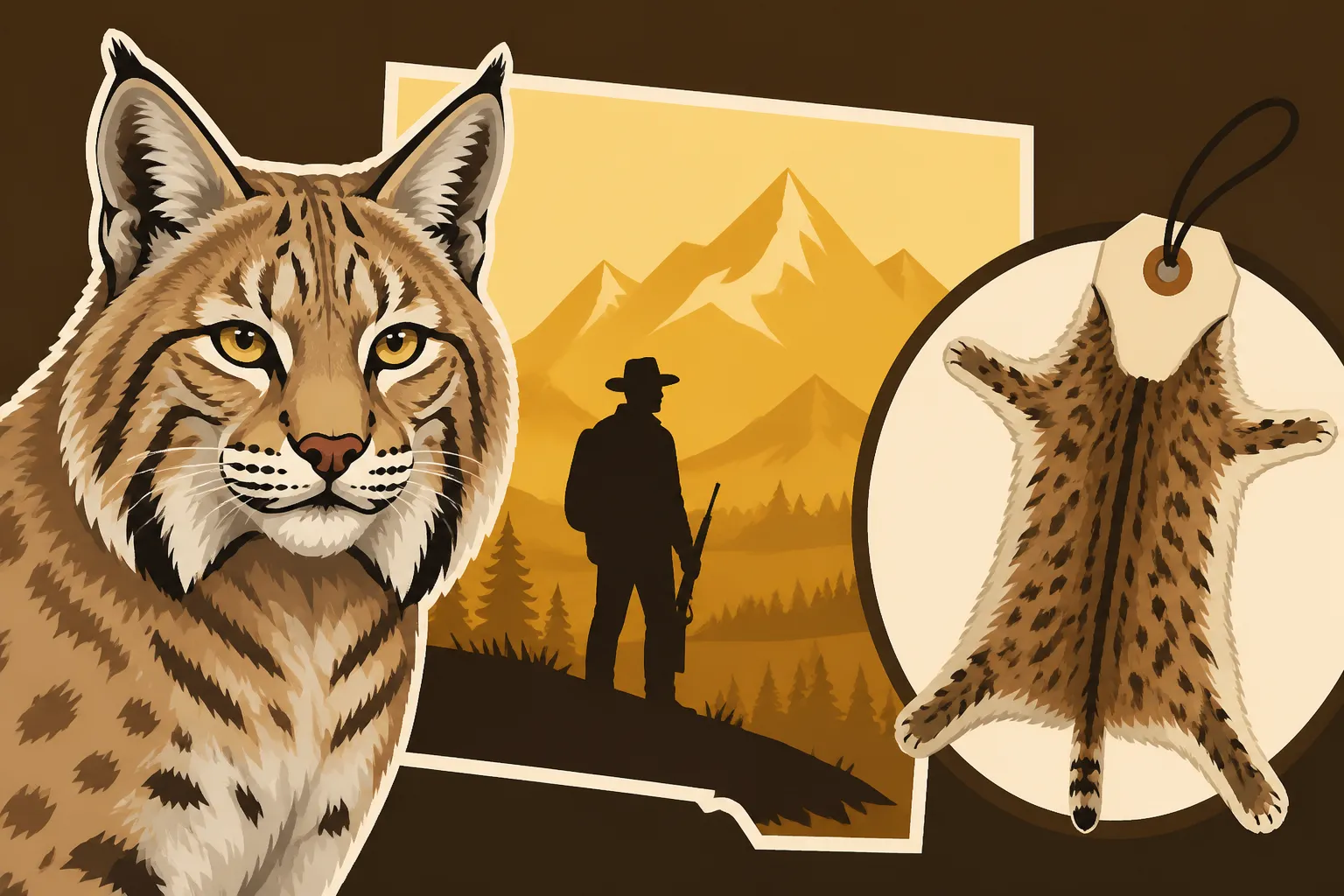
The "when" is just as critical as the "why." You typically have a specific window of time, often a few days, after harvesting your bobcat to get the pelt tagged. This deadline is usually printed in the regulations booklet. Do not procrastinate! If you harvest a bobcat on a Friday evening, and the tagging deadline is Monday, make sure you know the office hours for your nearest WGFD location. Missing this window, even by a day, can put you in violation of the law. Keep an eye on resources like GoHunt, as they often have community discussions or alerts about these crucial deadlines.
The Tagging Process: Where and How
So, you've successfully harvested a bobcat. Now what? The tagging process requires a visit to an authorized WGFD regional office or to a designated WGFD personnel. You can't just mail it in or get it done at your local grocery store.
Here's generally what to expect:
- Location: You'll need to locate the nearest WGFD regional office or check the regulations for a list of designated tagging agents. These are typically located in larger towns across the state.
- Presentation of Pelt: The pelt usually needs to be presented in a specific condition for inspection. Sometimes this means the entire unskinned carcass, or at least the head or specific parts, must accompany the pelt. This allows WGFD personnel to verify the species, sex, and collect biological samples (like a tooth for aging). Proper Field Dressing and Carcass Transport Rules Explained are important to preserve the pelt's quality for tagging and future use.
- Required Documentation: You'll need to bring your valid hunting or trapping license, proof of harvest (which might just be your presence with the pelt, or a carcass coupon if applicable), and potentially information about the exact date and location of the harvest.
- The Tag Itself: Once everything is verified, a physical tag will be affixed to the pelt. This tag often has a unique serial number and is designed to be difficult to remove without damaging the pelt, ensuring its authenticity. There might be a small fee associated with the tagging process, so be prepared for that.
This process is designed to be straightforward, but it requires your attention to detail and adherence to the timeline. Don't let your excitement about a successful hunt overshadow these vital legal steps.
Reporting Harvest and Data Collection
Beyond the physical tagging of the pelt, some areas or specific regulations might require additional harvest reporting. This isn't always a separate step from the tagging process but can be part of the overall data collection effort.
When your bobcat is tagged, WGFD personnel will likely ask you several questions, which helps populate their wildlife management databases:
- Date of Harvest: Precise date helps track daily harvest rates against quotas.
- Location of Harvest: Knowing the specific hunt area or even a more granular location helps biologists understand local population distribution and health.
- Method of Take: Was it taken by rifle, bow, or trap? This helps assess the impact of different hunting methods.
- Sex and Age Information: As mentioned, sex is often determined visually, and age is frequently determined by extracting a tooth.
All this data, combined with similar information collected from other furbearers like coyotes (see Hunting Coyotes in Wyoming Year Round) or even black bears (refer to The Black Bear Population Estimate Explained for general population monitoring), helps the WGFD make informed decisions. Your diligent reporting ensures that future bobcat seasons can be managed sustainably, balancing hunting opportunities with healthy wildlife populations. It's a small but significant way every hunter and trapper contributes to conservation.
Ethical Considerations and Conservation
Hunting bobcats, like any wildlife pursuit, comes with a deep responsibility to act ethically and contribute to the conservation of the species. It's not just about following the rules; it's about upholding the values of fair chase and respect for the animal.
Responsible Hunting Practices for Bobcats
Ethical hunting practices are the cornerstone of our outdoor heritage. When pursuing bobcats, this means:
- Clean Kills: Always strive for a quick, humane harvest. This involves knowing your weapon's limitations, practicing regularly, and only taking shots when you have a high probability of a clean kill. Avoid shots that might only wound the animal.
- Respect for the Animal: Bobcats are wild, beautiful creatures. Treat them with respect, both in life and in death. This means minimizing stress during the hunt and handling the animal respectfully after the harvest.
- No Waste: The pelt is the primary reason for hunting bobcats. Ensure you take every step to preserve its quality for tanning, sale, or personal use. This means proper field care, skinning, and handling to prevent spoilage or damage.
- Land Access Etiquette: Whether you're on public land or have secured permission for private land, always be a good steward. Leave no trace, respect property boundaries, close gates, and be courteous to other land users. If you're using calling techniques, consider how far sound travels and if it might disturb others. For hunters stalking on open ground, understanding Terrain That Hides an Approach and Reading Wind on an Open-Country Stalk are vital not just for success, but for minimizing your footprint and staying out of sight of other users.
Understanding Bobcat Ecology and Population Health
Wyoming's bobcat populations are generally healthy, which is why regulated hunting and trapping seasons are possible. However, they are also managed carefully. Bobcats are adaptable predators, found in a variety of habitats across the state, from sagebrush flats to mountainous timber. They play an important role in the ecosystem, helping to control rodent and rabbit populations.
The regulations and tagging requirements we've discussed are all part of a larger conservation strategy. By monitoring harvest numbers, population trends, and health indicators, the WGFD can ensure that bobcat populations remain robust for generations to come. Your participation in the tagging and reporting process directly contributes to this scientific management. It's a testament to the fact that responsible hunting and conservation go hand-in-hand. While individual success can be gratifying, the ultimate goal is the long-term health of the species and the ecosystem it inhabits. You might find platforms like GoHunt useful for understanding broader regional trends, but remember, the detailed population data and management strategies are always derived from the WGFD's professional biologists.
Wyoming Bobcat Hunting and Trapping Rules at a Glance
For a quick reference, here's a summary of key aspects to remember when planning your bobcat hunt or trap line in Wyoming:
| Feature | Details |
|---|---|
| License Required | Furbearer trapping license or general hunting license (check current regulations for specifics). |
| Season Dates | Vary by management area; typically late fall/winter into early spring. ALWAYS check current WGFD regulations. |
| Quotas & Closures | Many areas have harvest quotas. Season in an area closes immediately once its quota is met. Monitor WGFD for real-time closure announcements. |
| Legal Methods of Take | Firearms (rifle, shotgun, handgun), archery equipment, and trapping are generally permitted. |
| Electronic Calls | Generally legal for bobcats. |
| Decoys | Visual and motion decoys are generally legal. |
| Night Hunting | Generally legal for bobcats, but strict regulations apply to the use of artificial lights (spotlighting). |
| Pelt Tagging | REQUIRED for every harvested bobcat pelt. Must be done at a WGFD office or by designated personnel within a specific timeframe (e.g., 5 days). |
| Reporting | Harvest data (sex, age, location, method) collected during the tagging process is crucial for management. |
Disclaimer
This article is for general informational purposes only and does not constitute professional advice. Laws, prices and regulations vary by location and change over time. Consult a qualified professional for guidance on your specific situation.