How Many Wolves Live in the Trophy Zone
Trying to pin down the exact number of wolves roaming Wyoming's vast landscapes, especially within the designated Trophy Game Management Area, can feel like chasing smoke in a prairie wind. It's a question that weighs on the minds of many hunters and wildlife enthusiasts, largely because these populations are dynamic and their management is a topic of constant discussion. This guide aims to pull back the curtain on how wolf numbers are understood and managed in Wyoming's Trophy Zone, offering insight into what that means for both the animals and those who pursue them.
Understanding Wyoming's Wolf Management Framework
Wyoming has a unique approach to managing its gray wolf population, distinguishing between different areas of the state. It's not a one-size-fits-all situation, and understanding these distinctions is absolutely crucial for anyone interested in wolves, whether you're a hunter, a rancher, or simply someone fascinated by these apex predators.
The Trophy Game Management Area vs. the Predator Zone
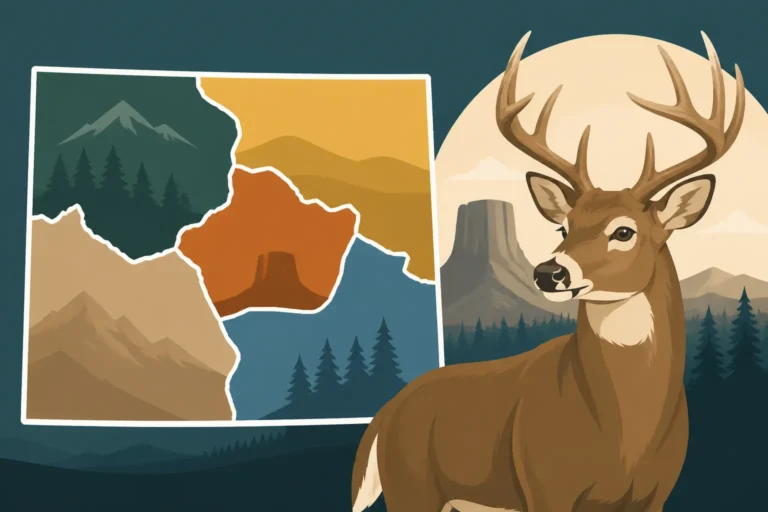
The most significant distinction in Wyoming's wolf management framework is the separation of the state into the "Trophy Game Management Area" and the "Predator Zone." Within the Trophy Game Management Area, wolves are managed as a trophy game species, similar to elk or deer. This means they have regulated hunting seasons, specific tag requirements, and defined bag limits. This area is generally concentrated in the northwestern part of the state, bordering Yellowstone National Park and the Grand Teton National Park, and extends into critical habitat for many other big game species. It's here that the Wyoming Game and Fish Department (WGFD) actively manages the population to meet specific objectives.
Outside of this designated area, wolves fall under what's known as the "Predator Zone." In this zone, wolves can be harvested year-round without a license, and there are no bag limits. This designation reflects a different management philosophy, often aligning with concerns from livestock producers and landowners in other parts of the state. The contrast between these two zones is stark and dictates everything from hunting regulations to the overall approach to population control. If you're planning a hunt or simply exploring, it's vital to know Wyoming's Gray Wolf Trophy Game Area boundaries and how they compare to The Predator Zone Wolf Rules Explained.
Why These Zones Exist
The creation of these distinct zones is a balancing act, reflecting the complex ecological, social, and economic factors at play in Wyoming. In the Trophy Game Management Area, the goal is often to maintain a healthy, viable wolf population that contributes to ecosystem balance, while also offering regulated hunting opportunities. This approach acknowledges the wolves' role as a native species and their appeal as a trophy animal for hunters, particularly in the rugged mountain ranges where they thrive.
The Predator Zone, on the other hand, acknowledges the significant conflicts that can arise when wolves interact with livestock and human populations in agricultural areas. The looser regulations in these areas are intended to provide landowners and managers with more tools to mitigate depredation and manage wolf presence more aggressively. This dual approach aims to satisfy diverse stakeholder interests, though it remains a subject of ongoing debate and adaptation.
The Art and Science of Estimating Wolf Populations
Counting wild animals, especially highly mobile and elusive predators like wolves, is never an exact science. It's more of an ongoing detective story, with biologists gathering clues and making informed estimates. This complexity means that when we talk about "how many wolves" there are, we're always referring to an estimate, not a precise census.
The Challenges of Tracking Elusive Predators
Wolves are incredibly intelligent, wide-ranging, and masters of concealment. They live in packs, often moving across vast territories, and their secretive nature makes direct observation extremely difficult. They blend into the landscape, particularly in the dense timber and rugged terrain of the Trophy Zone. Unlike a herd of elk that might congregate in open meadows, a wolf pack can travel miles without being seen, making traditional survey methods challenging. Furthermore, their numbers can fluctuate seasonally due to factors like pup survival, dispersal of young wolves, and natural mortality, including legal harvest. This constant movement and the difficulty of tracking every individual mean that wildlife agencies rely on a combination of techniques to get the most accurate picture possible.
Methods Used for Population Estimation
The Wyoming Game and Fish Department, like other state wildlife agencies and partners such as the U.S. Fish and Wildlife Service, employs a suite of tools to estimate wolf populations. These methods are designed to provide robust data despite the inherent challenges:
- Radio-collaring and GPS Tracking: One of the most effective methods involves capturing a subset of wolves and fitting them with radio or GPS collars. These collars allow biologists to track pack movements, estimate pack sizes, and monitor individual wolf survival. By understanding the dynamics of collared packs, extrapolations can be made for uncollared packs in similar habitats. This gives a crucial window into pack territories and how many wolves might be within those boundaries.
- Track Surveys and Snow Tracking: In winter, fresh snow provides a canvas for wolf tracks. Biologists and game wardens conduct surveys, often from aircraft or snowmobiles, to identify and count distinct wolf tracks, allowing them to estimate pack sizes and territories. This method is particularly useful for identifying new packs or confirming the presence of wolves in specific areas.
- Howl Surveys: Wolves are vocal animals, and their howls can reveal their presence and even the number of individuals in a pack. Biologists use playback devices to elicit howls from packs, recording and analyzing the responses to estimate pack composition. This is typically done during periods when wolves are more responsive, such as late summer and early fall.
- Public and Hunter Reports: Observations from the public, particularly hunters, trappers, and landowners, provide valuable supplemental data. Reporting wolf sightings, especially of collared animals or distinct pack activities, helps fill in gaps and verify the presence of wolves in different areas. Agencies often encourage these reports as a way to enhance their monitoring efforts.
- Genetic Sampling: Collecting scat, hair, or tissue samples can provide genetic information, allowing biologists to identify individual wolves and track their movements without direct capture. This can help prevent double-counting and give insight into the genetic health of the population.
All of these methods, when combined, create a mosaic of data that helps WGFD biologists arrive at their annual population estimates. It's a continuous process of data collection, analysis, and refinement. You can often find detailed reports on these population estimates and trends on the WGFD website, which is a fantastic resource for any hunter, and platforms like GoHunt can help you consolidate and interpret this information for specific hunting units. A Walkthrough of the Wyoming Hunt Planner can also guide you to official resources.
General Trends in Trophy Zone Wolf Numbers
When we look at the wolf population in Wyoming's Trophy Game Management Area, the overall picture has generally been one of stability, often with numbers hovering around or above the federal and state recovery goals. It's important to understand that these aren't static numbers; they fluctuate, but within a managed range.
Meeting and Maintaining Management Objectives
Since wolves were delisted from the Endangered Species Act in Wyoming and management transitioned to the state, the WGFD has focused on maintaining a healthy, viable population. The state's management plan outlines specific population objectives, which typically involve maintaining a certain number of breeding pairs and overall wolves. For many years, the Trophy Zone population has consistently met or exceeded these objectives. This success is a testament to the resilience of the species and the effectiveness of current management strategies, which include regulated hunting as a management tool.
These objectives aren't just arbitrary numbers; they are based on scientific data, habitat availability, and the desire to minimize conflicts with other wildlife and human interests. The aim is to have enough wolves to ensure genetic diversity and ecological function, without allowing their numbers to escalate to a point where they significantly destabilize ungulate herds or create widespread social tolerance issues. Staying informed on these trends is essential, and sites like GoHunt often compile the latest WGFD data in accessible formats for hunters.
Factors Influencing Population Dynamics
Several factors contribute to the dynamic nature of wolf populations within the Trophy Zone:
- Reproduction and Pup Survival: Wolves are prolific breeders, with packs typically producing one litter of pups per year. However, pup survival rates can vary significantly due to factors like food availability, disease, and predation from other animals or even other wolf packs. A good year for pup survival can see a noticeable bump in overall numbers.
- Natural Mortality: Wolves face natural challenges including disease, injuries from prey animals (like elk or moose), and conflicts with other wolf packs over territory. Old age also plays a role.
- Dispersal: Young wolves, especially subadults, will often leave their natal pack to search for mates and establish new territories. This dispersal can lead to new packs forming, or wolves moving into adjacent areas, including potentially the Predator Zone.
- Harvest and Management Actions: Regulated hunting in the Trophy Zone is a tool used by the WGFD to manage population levels. The quotas and seasons for wolf hunting tags, like What a Wyoming Wolf Hunting License Costs, are set based on population estimates and management goals. When you buy a tag, you're not just participating in a hunt, you're also part of the state's management strategy to keep wolf numbers within desired ranges. These harvest numbers directly influence the year-to-year population totals. Where the Current Wyoming Regulations Are Posted will always have the most up-to-date information on harvest limits.
- Prey Availability: The abundance of prey species, particularly elk, deer, and moose, directly impacts wolf populations. A robust prey base supports larger, healthier wolf packs, while declines in ungulate numbers can lead to reduced wolf reproduction and survival. Understanding the status of populations like The Wyoming Elk Population Estimate Explained is indirectly relevant to wolf numbers.
While specific, real-time numbers are constantly changing, the WGFD aims to keep the population within a sustainable and ecologically appropriate range for the Trophy Zone. Hunters play a crucial role in this management by participating in regulated seasons and following all guidelines.
Impact on Hunters and Management Goals
For hunters, understanding wolf populations in the Trophy Zone isn't just academic; it directly influences hunting opportunities, strategies, and the overall ecosystem health. Wolves are a fascinating, challenging species to pursue, and their presence impacts the behavior and distribution of other game animals.
Hunting as a Management Tool
In the Trophy Game Management Area, hunting isn't just for recreation; it's an integral part of Wyoming's wolf management strategy. By issuing a limited number of wolf tags, the WGFD can selectively reduce populations in areas where they might be impacting ungulate herds or coming into conflict with human activities. This carefully managed harvest helps maintain population levels within the established objectives.
Hunters who draw a wolf tag often find it to be one of their most challenging and rewarding experiences. It requires an intimate understanding of wolf behavior, keen tracking skills, and often a willingness to venture into some of the state's most remote and rugged country. The experience connects hunters deeply with the wild landscape and the intricate predator-prey dynamics at play. It's a testament to the success of wolf recovery that such hunting opportunities exist.
Balancing Wolf Conservation and Ungulate Management
One of the ongoing challenges for wildlife managers is balancing the conservation of wolves with the health and population objectives of other big game species, such as elk, deer, and moose. Wolves are incredibly efficient predators, and while they play a vital role in natural selection by targeting weaker or diseased animals, a high density of wolves in certain areas can put pressure on prey populations. This is a particular concern in areas that are already facing challenges, such as those recovering from severe winters or dealing with disease like Chronic Wasting Disease.
The WGFD continuously monitors both wolf and ungulate populations to ensure a healthy balance. If ungulate numbers in a specific hunt area show signs of significant decline that can be attributed, in part, to wolf predation, the WGFD might adjust wolf harvest quotas to help alleviate that pressure. Conversely, if wolf populations dip too low, hunting opportunities might be restricted to allow for recovery. This dynamic management approach ensures that decisions are made based on the best available science, always with an eye toward ecosystem health. Resources like GoHunt are excellent for keeping track of both wolf and ungulate data.
Staying Informed About Regulations and Seasons
Given the dynamic nature of wolf populations and their management, it is absolutely essential for hunters to stay up-to-date on the latest regulations. Wolf seasons, hunt area boundaries, and tag allocations can change from year to year. Before planning any wolf hunt, always consult the official Wyoming Game and Fish Department regulations.
This means checking the most current regulations for the specific hunt area you're interested in, understanding the legal shooting hours, and being aware of any weapon restrictions. The WGFD website is your primary source for this information. Tools like the WGFD Hunt Planner can help you visualize hunt areas and access specific regulations. Additionally, many hunters find value in platforms like GoHunt, which often consolidate and make readily available the latest regulatory changes and drawing statistics. Remember, compliance with all regulations ensures that you are hunting ethically and contributing positively to Wyoming's wildlife management efforts.
| Factor Influencing Wolf Population | Impact on Numbers (General Trend) | Management Relevance |
|---|---|---|
| Reproduction & Pup Survival | Increase | Foundation of growth, monitored closely |
| Natural Mortality (Disease, Injury) | Decrease | Part of natural population control |
| Dispersal (Young Wolves) | Local decrease, potential for new packs | Influences pack distribution, expansion |
| Legal Harvest | Decrease (managed) | Primary management tool in Trophy Zone |
| Prey Availability | Influences reproduction and survival | Interconnected with ungulate health |
| Habitat Quality | Supports higher carrying capacity | Crucial for long-term population stability |
Disclaimer
This article is for general informational purposes only and does not constitute professional advice. Laws, prices and regulations vary by location and change over time. Consult a qualified professional for guidance on your specific situation.