The Wyoming Mountain Lion Pelt Sealing Requirement
You've just wrapped up a challenging, exhilarating mountain lion hunt in Wyoming. After days, or even weeks, tracking through rugged country, that moment of success is truly unforgettable. But before you can fully celebrate and start dreaming of that mount on your wall, there's a crucial, often overlooked, step that needs your immediate attention: the Wyoming Mountain Lion Pelt Sealing Requirement. Missing this step, or getting it wrong, can turn your hard-won trophy into a legal headache, and nobody wants that after such an incredible experience. This guide will walk you through everything you need to know about legally sealing your mountain lion pelt in Wyoming, ensuring your hunt ends just as it should – with a fully compliant, cherished memory.
What is the Wyoming Mountain Lion Pelt Sealing Requirement?
Harvesting a mountain lion in Wyoming isn't just about the hunt; it comes with a strict set of responsibilities to ensure the species' health and proper management. One of the most important of these responsibilities is the pelt sealing requirement. It's a non-negotiable step that every successful mountain lion hunter must complete, and it’s critical for both wildlife management and for you to legally possess your trophy.
Defining "Pelt Sealing" in Wyoming
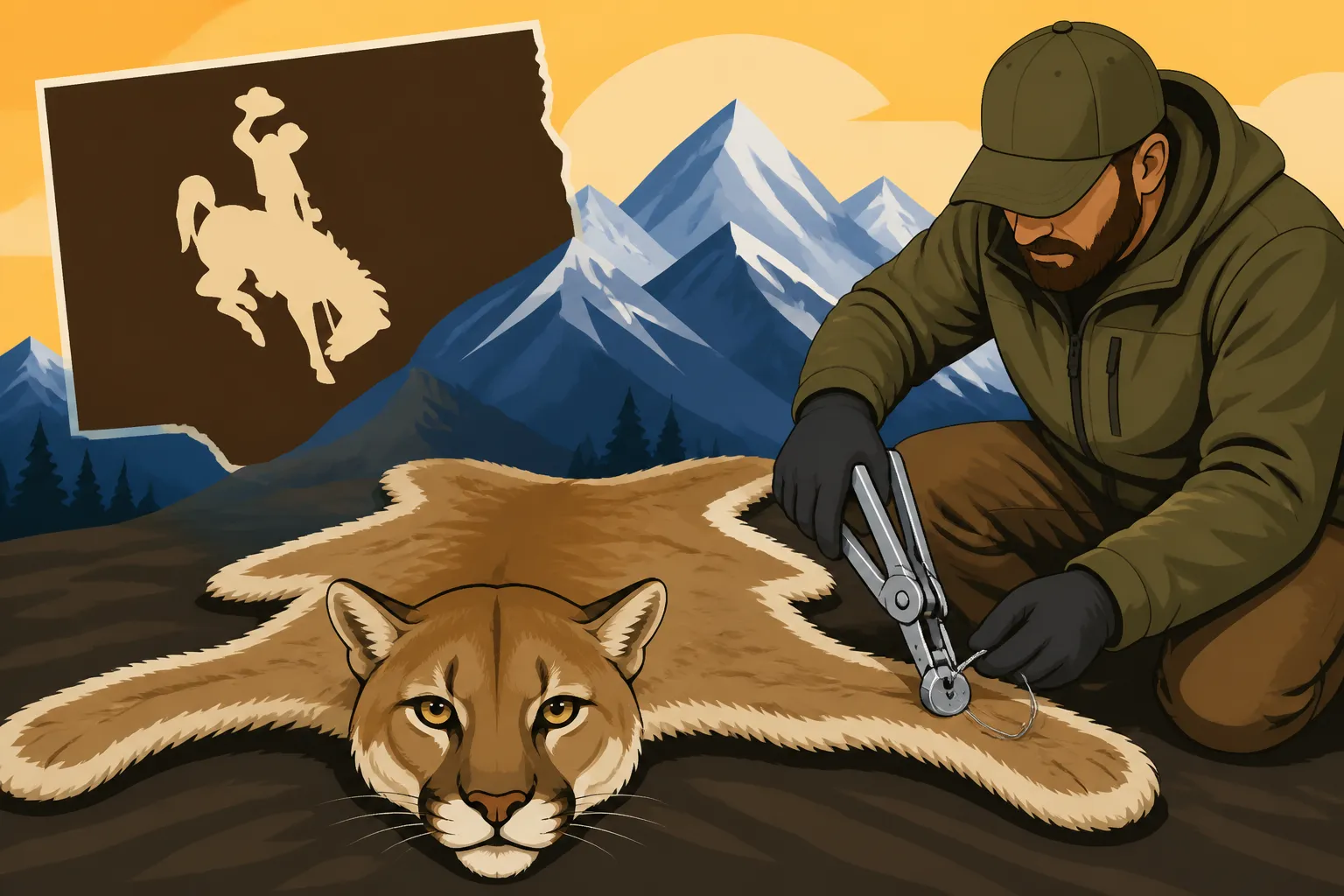
When we talk about "pelt sealing," we're referring to the legal process where a Wyoming Game and Fish Department (WGFD) representative inspects your harvested mountain lion and then affixes a special seal to the pelt. This isn't just a casual check; it’s a formal verification. The WGFD officer will examine the animal to confirm the species, verify the sex and, if possible, the age, and check for any signs of illegal take. They'll also record vital information about your hunt, such as the date and specific location of the harvest. The seal itself acts as official proof that your mountain lion was legally taken, processed, and reported according to state regulations. Without this seal, possessing the pelt, skull, or any other part of the animal becomes illegal. It's your official stamp of approval from the state, making sure everything is above board.
The Timeline for Sealing Your Mountain Lion
This is where many hunters, especially those from out of state or new to lion hunting, can get tripped up. The clock starts ticking the moment you harvest your mountain lion. Wyoming law mandates that you must present the hide and skull of your harvested mountain lion to a Game and Fish representative within 5 days of harvest. This isn't 5 business days; it's 5 calendar days. If you harvest a lion on a Monday, you need to have it sealed by Saturday. If you're deep in the backcountry, far from a WGFD office, that five-day window can shrink quickly due to travel time. This tight deadline means you need to have a plan in place even before you head out on your hunt. You need to know where the nearest WGFD offices are and their operating hours. This urgency underscores the importance of proper planning, as failing to meet this deadline, even by a few hours, can lead to serious consequences.
Why Does Wyoming Require Pelt Sealing for Mountain Lions?
It might feel like just another bureaucratic hurdle, but the mountain lion pelt sealing requirement serves several incredibly important purposes for wildlife management and conservation in Wyoming. It's not about making things difficult for hunters; it's about ensuring the long-term health of the mountain lion population and maintaining ethical hunting practices.
Conservation and Data Collection
One of the primary reasons for pelt sealing is robust data collection. Every mountain lion brought to a WGFD office provides valuable biological information. The game warden collects data points such as the animal's sex, estimated age, and specific harvest location. This data, when aggregated, helps biologists track population trends, understand local distribution, and assess the overall health of mountain lion populations across various hunt areas. For example, if data shows an increase in juvenile lions being harvested in a specific area, it might indicate a healthy, reproducing population that could sustain a higher quota. Conversely, a decline in harvest or an increase in older animals might signal a need for more conservative management strategies. This real-time, ground-level data is essential for setting future quotas and season structures, ensuring that mountain lion hunting remains sustainable for generations to come. Without this mandatory reporting, wildlife managers would be largely blind to the true impact of hunting pressure and the dynamics of these elusive predators.
Preventing Illegal Harvest and Commerce
Another critical function of the pelt sealing requirement is to deter illegal hunting and the unlawful commercialization of wildlife parts. Mountain lion parts, especially pelts and skulls, can command significant prices on the black market. The sealing process creates an undeniable chain of custody and legality. When a WGFD officer seals a pelt, they are essentially certifying its legal origin. This makes it incredibly difficult for illegally harvested animals to enter the legitimate taxidermy or trophy trade. If you try to sell or transport an unsealed pelt, you're immediately flagged for potential illegal activity. This system protects legitimate hunters from being implicated in unlawful acts and ensures that only legally taken animals contribute to the legal market. It’s a vital tool in the fight against poaching and illegal wildlife trade, safeguarding the integrity of Wyoming's hunting heritage and its wildlife resources. By participating in this requirement, you're not just complying with the law; you're actively contributing to ethical wildlife management and preventing poaching. This diligence is part of what makes Wyoming hunting so respected. For any questions on how to legally acquire or possess a mountain lion, always refer to the official WGFD regulations, or check resources available on platforms like GoHunt, which often have breakdowns of such rules.
The Process of Getting Your Mountain Lion Pelt Sealed
Okay, so you’ve successfully harvested your mountain lion, and you understand the why behind the sealing requirement. Now, let’s get down to the practical how. This is the moment where careful planning and preparation will pay off immensely, making the process smooth and stress-free.
Where to Go: Game and Fish Offices
Your primary destination for pelt sealing will be a designated Wyoming Game and Fish Department (WGFD) office. These offices are located in various towns throughout the state, often in regional hubs. It's crucial to identify the closest office to your hunting area before you leave for your hunt. Don't assume every small town has a WGFD presence. You’ll need to check their operating hours, which can vary and may not always include weekends or holidays, further complicating that tight five-day window. Some offices might offer extended hours during peak hunting seasons, but it’s never a guarantee. A quick search on the WGFD website or a call to their main information line can provide you with the most current locations and hours. Planning your exit route from your hunt area to ensure you can reach an open office in time is an often-overlooked but absolutely critical piece of logistics. Tools like GoHunt can be invaluable here, helping you map out offices relative to your planned hunting unit. Remember, driving an extra hour to reach an open office is far better than missing the deadline.
What to Bring: The Essential Items
When you arrive at the WGFD office, you need to be prepared. This isn't a quick passport stamp; it's a detailed inspection. Here’s a rundown of what you absolutely must bring:
- The Entire Pelt (Hide): This includes the head and feet. The officer needs to inspect the entire hide to verify the species, sex, and ensure no tampering. It should be as intact as possible.
- The Skull: The skull is often used for aging the animal and verifying sex. It doesn't need to be completely cleaned, but the more accessible it is for inspection, the better.
- Your Hunting License and Mountain Lion Tag: This is your proof of legal authorization to hunt. The tag should be properly affixed to the carcass or pelt as required by regulation. Make sure your license is current and valid.
- Proof of Hunter Education (if applicable): If you were born after January 1, 1966, you generally need to have proof of hunter education. Anyone Born After 1965 Needs Wyoming Hunter Education – so ensure you have that card ready.
- Harvest Information: Be ready to provide specific details about where and when you harvested the animal. This includes the hunt area number, the county, and as precise a location as you can give (e.g., GPS coordinates if you have them, or identifiable landmarks). This information is crucial for the WGFD's data collection efforts.
Having all these items readily available will expedite the sealing process and allow the officer to conduct their inspection efficiently. Trying to piece things together or realizing you left a critical item back at camp can cause significant delays and potential issues.
The Sealing Appointment Itself
When you arrive, a WGFD officer will review your license and tag. They will then meticulously inspect the mountain lion's pelt and skull. This inspection is thorough. They'll confirm the species, verify the sex of the animal, and often take measurements or biological samples for age determination or genetic analysis. The officer might also remove a tooth from the skull for cementum annuli aging, which is the most accurate way to determine a mountain lion's age. This helps biologists understand the age structure of the population.
During this process, the officer will ask you about the circumstances of the hunt, including the exact location of the harvest. This is part of the Mountain Lion Harvest Reporting Requirements that ensure accurate data for management. Once all the necessary information is gathered and the inspection is complete, they will affix a permanent seal to the hide, usually in a discreet but secure location. This seal is tamper-proof and includes a unique identification number, tying your specific harvest to the WGFD's records. You'll also receive documentation confirming the sealing. This documentation is important; keep it with your pelt, especially if you plan to have it taxidermied or transported out of state. This entire interaction might seem formal, but remember, the WGFD staff are there to help ensure legal compliance and proper wildlife management. They are a great resource if you have questions about current regulations or future hunting opportunities, like understanding Hunting a Wyoming Mountain Lion Quota That Can Close Early.
Here’s a quick overview of what to bring and what to expect:
| Item/Action | Description | Importance |
|---|---|---|
| Pelt (Hide) | Entire hide, including head and feet. | Required for species/sex verification. |
| Skull | Cleaned or uncleaned, for age and sex determination. | Essential for biological data. |
| Hunting License | Current, valid Wyoming hunting license. | Proof of legal hunting authorization. |
| Mountain Lion Tag | Properly validated and affixed to the carcass. | Proof of legal harvest. |
| Hunter Ed Proof | If born after 1965, carry your certification. | State law requirement. |
| Harvest Info | Date, time, specific location (hunt area, county, GPS if possible). | Critical for WGFD data and management. |
| WGFD Inspection | Officer verifies info, inspects animal, may take samples. | Ensures compliance and gathers data. |
| Sealing | Officer affixes unique, tamper-proof seal to the hide. | Legalizes possession of the trophy. |
| Documentation | You receive official paperwork confirming the sealing. | Keep with pelt for taxidermy/transport. |
Common Mistakes and Misunderstandings with Pelt Sealing
Even the most seasoned hunters can sometimes stumble when it comes to the nuances of regulations, and the mountain lion pelt sealing requirement is no exception. Being aware of these common pitfalls can save you a lot of grief and ensure your successful hunt doesn't turn sour.
Missing the Deadline: Consequences
The five-day deadline for pelt sealing isn't a suggestion; it's a hard and fast rule. Missing it, even by a single day, can lead to serious consequences. The Wyoming Game and Fish Department takes these deadlines very seriously as they are integral to their management and enforcement efforts. The penalties for failing to properly seal a mountain lion pelt can range from significant fines to the confiscation of your trophy, and even potential charges for illegal possession of wildlife. Imagine all the effort, expense, and anticipation of your hunt, only for it to be undone because you miscalculated travel time or office hours. This is why advance planning is paramount. Always build in buffer time, especially if you're hunting in remote areas. Knowing the regional WGFD offices and their schedules beforehand, perhaps by marking them on your GoHunt app, is a small effort that can prevent a huge headache.
Improper Preparation of the Pelt
While the WGFD officer needs to see the entire pelt, including the head and feet, there's a fine line between "intact" and "improperly prepared." The goal is to preserve the hide in a way that allows for inspection without it deteriorating. This means if you're going to be in the field for a few days, or if temperatures are warm, you need to consider how you'll keep the pelt cool and prevent hair slip. Skinning your lion quickly and properly cooling the hide (even if it's just laying it out flat in the shade, away from direct sunlight, or ideally on ice if available) can make a world of difference. For longer durations, some hunters might salt the hide or even freeze it, ensuring it remains in good condition for the sealing appointment. Presenting a hide that has started to decompose or shed hair due to improper care can raise questions from the officer and might even complicate the sealing process, as key identifying features could be compromised. You want your trophy to be in the best possible condition when you present it.
Navigating the Quota System and Closures
While not directly about the act of sealing, a crucial misunderstanding that impacts pelt sealing is failing to properly track the Mountain Lion Quotas by Hunt Area. Wyoming manages mountain lion harvests through a strict quota system, with individual hunt areas having specific male, female, or combined quotas that can close at any time, often with very short notice. If you harvest a mountain lion, and then discover the quota for that area had already been met and the season closed before your harvest, your hunt becomes illegal. Even if you seal the pelt, the initial take was unlawful, leading to severe penalties.
This means that throughout your hunt, you must stay constantly aware of quota statuses. The WGFD provides various methods for hunters to check quotas, often through their website, phone hotlines, or even email alerts. Some hunters use tools like GoHunt that integrate real-time or frequently updated quota information. This constant monitoring is absolutely critical. For example, if you're hunting in an area with a limited female quota, and you harvest a female lion, you must immediately confirm the quota status. If that harvest pushed the quota over the limit, it's essential to understand that any subsequent take could be illegal. Wyoming Mountain Lion Season and Quota Closures can happen rapidly, turning a legal hunt into an unfortunate violation through no fault of your own, other than not checking the most current status. The responsibility for knowing if a quota has been met and the season closed rests solely with the hunter. Don't let your excitement overshadow this vital step in your mountain lion hunt.
Disclaimer
This article is for general informational purposes only and does not constitute professional advice. Laws, prices and regulations vary by location and change over time. Consult a qualified professional for guidance on your specific situation.