Black Hills Deer Areas in Wyoming
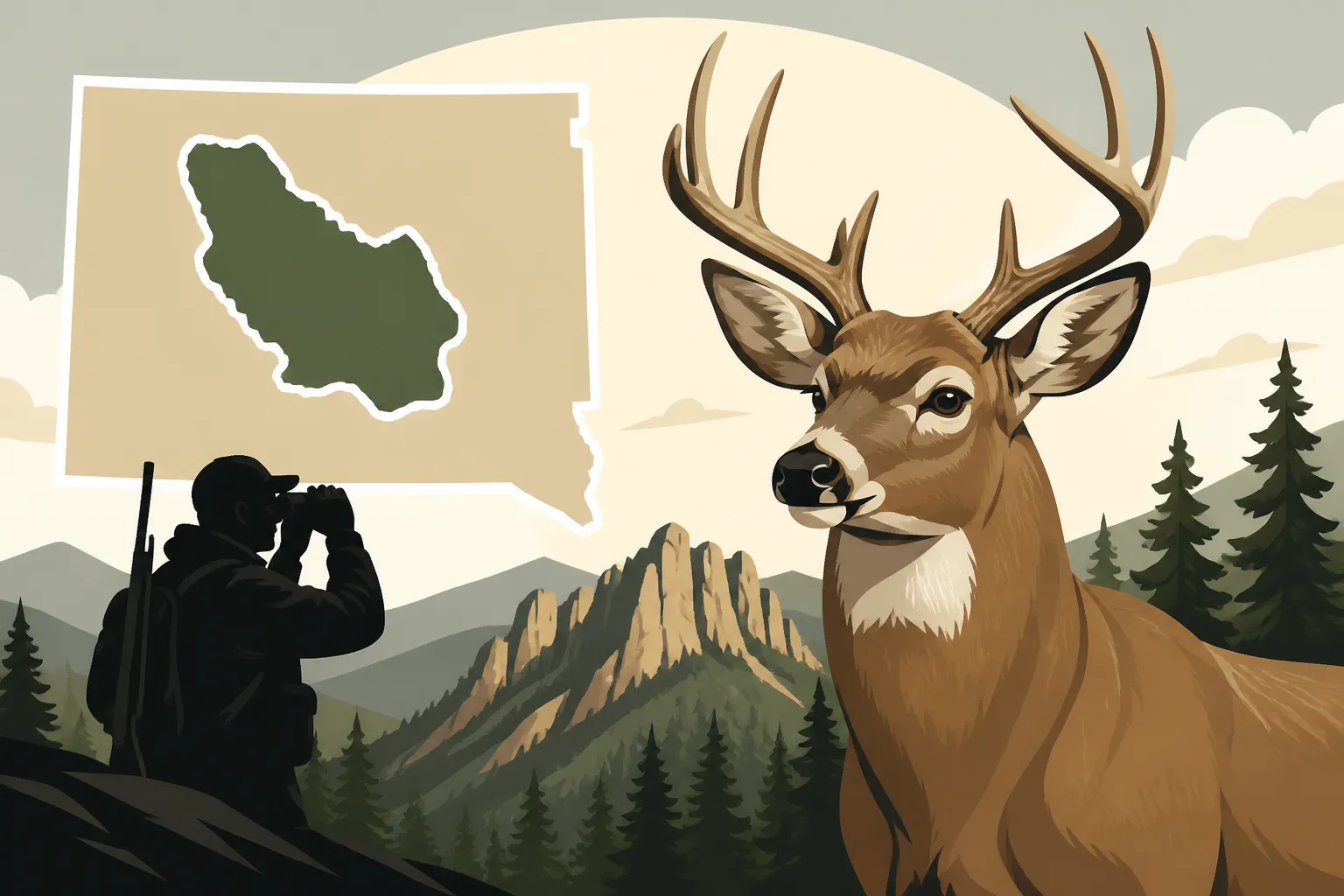
Hunting deer in Wyoming's iconic Black Hills presents a unique challenge, blending dense timber with open prairie and offering a chance at both mule deer and whitetail. It’s not your typical wide-open western hunt, and navigating the specific regulations, diverse terrain, and access nuances can feel like a daunting task, especially if you’re coming from out of state or new to the area. This guide aims to demystify the Black Hills deer areas in Wyoming, breaking down the characteristics of the land, detailing key hunt units, and offering practical strategies to help you plan a successful and rewarding hunt in this special corner of the state.
The Distinctive Character of Wyoming's Black Hills Deer Habitat
The Wyoming Black Hills are a world unto themselves, a striking departure from the sagebrush flats and towering peaks that define much of the rest of the state. This eastern extension of Wyoming’s landscape is a fascinating mosaic, carving out a unique niche for deer hunters. You're not just looking for a deer; you're deciphering a complex environment where two distinct species thrive in close proximity, each with its own preferences and behaviors. It’s this intricate blend of habitat that makes the Black Hills such a compelling, albeit challenging, hunting destination.
Blending Mule Deer and Whitetail Territory
One of the most captivating aspects of hunting deer in the Wyoming Black Hills is the opportunity to pursue both mule deer and whitetail in essentially the same region, sometimes even in the same draw. Unlike many western areas where mule deer reign supreme, the Black Hills provide excellent cover and food sources that whitetails absolutely adore, particularly along the creek bottoms and agricultural fringes. You’ll find mule deer often sticking to the higher, rockier ridges and more open timber, while whitetails will hunker down in the thicker Ponderosa pine draws, plum thickets, and willow-choked creek beds. This overlap means your scouting strategy and hunting tactics often need to be versatile, ready to adapt to whatever sign you find. It's a constant mental game of identifying which deer you're after based on tracks, scat, and habitat preference, adding an exciting layer to the hunt.
The presence of both species within these hunt areas creates a truly unique dynamic. You might be still-hunting a timbered slope, expecting a mule deer to burst out, only to have a heavy-racked whitetail ghost through the pines. Or, you could be glassing an open meadow, looking for a muley feeding at dawn, and spot a whitetail buck tending does on the edge of the dark timber. Understanding these preferences and being able to identify fresh sign from each species is paramount. It’s not uncommon for hunters to carry tags for both, adding even more excitement and the need for quick decision-making in the field. This mixed-species opportunity is a huge draw for many, but it also demands a deeper understanding of deer behavior than a single-species hunt might.
Key Geographic Features and Ecosystems
The Black Hills are characterized by rolling hills, steep canyons, and a predominant cover of Ponderosa pine forests, which can be surprisingly thick and challenging to navigate on foot. Interspersed within these timbered areas are small, open meadows and agricultural fields, particularly on private ground, that serve as critical feeding areas for deer. The topography isn't as extreme as Wyoming's mountain ranges, but the constant undulations, draws, and drainages provide endless cover and make for a physically demanding hunt. It’s a landscape that rewards patient still-hunting and careful glassing of transitional zones where timber meets open ground.
Water sources, though not as scarce as in some arid parts of Wyoming, are still important features that concentrate deer activity, especially during drier years. Creeks, springs, and even stock ponds can be magnets for deer, providing both hydration and preferred forage. When studying your maps, pay close attention to these features. The eastern slope of the Black Hills tends to be slightly more open, gradually transitioning into the mixed-grass prairie, offering different types of cover and hunting scenarios. On the western side, it can be much denser, a true forest hunting experience. This varied terrain means you'll encounter everything from dense, dark timber where visibility is limited to more open, park-like settings and agricultural edges. It truly requires a versatile hunter who can adapt their strategy to the immediate environment.
Navigating Specific Black Hills Hunt Areas for Deer
When we talk about deer hunting in the Black Hills, we're really focusing on a cluster of specific hunt areas that share the unique characteristics of this region. Each area has its own subtle differences in public land access, terrain, and deer density, making it crucial to understand the nuances before you apply for a tag or head out. Knowing How Wyoming Numbers Its Hunt Areas can give you a head start in deciphering the maps.
Unpacking Deer Hunt Area 1
Deer Hunt Area 1 is arguably the heart of the Wyoming Black Hills deer country for many hunters. This large unit encompasses a significant portion of the Black Hills National Forest within Wyoming, alongside a checkerboard of state, BLM, and private land. It's a prime example of the mixed habitat we just discussed, offering opportunities for both mule deer and whitetails. The density of Ponderosa pine here is considerable, providing excellent cover, but it also means visibility can be challenging. Hunters often spend their days slowly still-hunting ridges and draws, or setting up to glass clearings and logging roads at first and last light.
Success in Deer Hunt Area 1 often comes down to meticulous scouting and being willing to cover ground. You'll find deer utilizing everything from the steep, timbered slopes to the smaller, open pockets. The deer here are known for being fairly reclusive due to the thick cover and consistent hunting pressure, so patience and quiet movement are absolutely essential. This area can be particularly rewarding for those who enjoy a more traditional forest hunting experience, where tracking and understanding subtle deer sign become paramount. Because of the blend of public land types, utilizing mapping tools like onX Hunt is invaluable for identifying boundaries and planning your approach.
Spotlight on Bearlodge, Keyhole, and Inyan Kara
Beyond Deer Hunt Area 1, several other areas within or adjacent to the Black Hills offer distinct deer hunting experiences.
The Bearlodge Area, specifically, offers fantastic whitetail hunting in its timbered ridges and draws. It’s an area where knowledge of the terrain and patient stalking can really pay off. Access Points Into the Bearlodge Deer Area are critical to research beforehand, as public access can sometimes be scattered. This region often sees deer making use of agricultural fields on private parcels adjacent to public timber, so understanding deer movement patterns between these food sources and bedding cover is key. Hunters often focus on pinch points, saddles, and creek crossings that funnel deer movement.
Further into the region, near the popular Keyhole State Park, you'll find Hunting the Deer Country Around Keyhole Reservoir. This area can offer a mix of whitetail and mule deer, particularly along the cottonwood bottoms and rolling hills surrounding the reservoir. Water sources are obviously abundant here, and deer will often concentrate near the water's edge, especially during dry periods. It's a different hunting experience than the dense timber, often involving more glassing of open country and understanding how deer use the available cover along the reservoir's banks and surrounding draws.
Then there's the country around Hunting the Country Around Inyan Kara, characterized by breaks, timber pockets, and agricultural lands. This area can be a goldmine for whitetails, with deer often using the rugged breaks and small timber blocks for bedding, then moving into agricultural fields to feed at night. Hunting here requires careful attention to wind direction and an understanding of how deer travel between their various haunts. The mixed land ownership means constant vigilance with your mapping app to ensure you're always on legal ground.
Exploring Crook County and Eastern Wyoming Bottoms
Venturing slightly south and east, you find Deer Hunting Opportunity Across Crook County. This expansive area truly highlights the transition from the Ponderosa pines to more open prairie and river bottoms. While mule deer are still present, whitetails tend to dominate in the creek and river drainages that crisscross the county. These "river bottoms" are often choked with cottonwoods, willows, and dense brush, providing ideal whitetail cover and travel corridors. This is a very different hunt than the high-elevation timber, often involving more scouting for fresh tracks and sign along these waterways.
When we talk about Hunting the Whitetail River Bottoms of Eastern Wyoming, we're talking about areas where whitetails thrive, utilizing the thick vegetation for security and the adjacent agricultural fields for food. Hunters here will often focus on pinch points where deer cross rivers or funnel between thickets. Ground blinds can be effective, as can careful still-hunting along the riverbanks. It's an intimate hunt, requiring patience and stealth. While public access exists, particularly on State Trust Lands or through specific Hunter Management Areas, much of the prime river bottom habitat can be on private property, making respectful landowner relations or careful navigation of access programs vital.
| Hunt Area Name | Primary Deer Species | Key Terrain Features | Public Land Access Notes |
|---|---|---|---|
| Deer Hunt Area 1 | Mule Deer, Whitetail | Ponderosa pine forests, steep canyons, open meadows | Mix of National Forest, BLM, some State Land, checkerboard private |
| Bearlodge Area | Whitetail, Mule Deer | Timbered ridges, draws, agricultural fringes | Significant National Forest access, some private |
| Keyhole Reservoir | Whitetail, Mule Deer | Reservoir shorelines, cottonwood bottoms, rolling hills | State Park, some BLM, significant private surrounding |
| Inyan Kara | Whitetail, Mule Deer | Breaks, timber pockets, agricultural fields | Mix of National Forest, private, limited BLM |
| Crook County | Whitetail, Mule Deer | River bottoms, timbered draws, prairie | Significant private, some State Land, limited public |
Strategic Approaches for Success in the Black Hills
Hunting the Black Hills is not just about finding deer; it's about understanding the unique environment and adapting your strategies to succeed. This area demands a blend of modern tools and old-school woodsmanship. The deer here, particularly the mature bucks, are masters of evasion, utilizing the mixed terrain to their advantage. A cookie-cutter approach simply won't cut it. You need to be thoughtful, patient, and prepared to put in the work before, during, and after your hunt.
E-Scouting and Boots-on-the-Ground Preparation
Modern hunting has been revolutionized by digital mapping tools, and nowhere is this more apparent than in areas with mixed land ownership like the Black Hills. E-scouting before your trip is absolutely non-negotiable. Using platforms like onX Hunt allows you to identify public land parcels (National Forest, BLM, State Trust Land), private property boundaries, roads, trails, and crucial terrain features like drainages, saddles, and timber pockets, all from the comfort of your home. You can mark potential bedding areas, travel corridors between food and cover, and possible stand or ambush points. Pay close attention to south-facing slopes, which often hold deer in colder weather, and the transition zones where different habitat types meet.
However, e-scouting is only half the battle. Nothing replaces boots on the ground. If you can make a pre-season trip, even a short one, you'll gain invaluable insights into the actual ground conditions, deer sign, and access routes that might not be apparent on a map. Walk the edges of timber, check water sources, and look for rubs and scrapes. During the hunt itself, your onX Hunt app will be your best friend for real-time navigation, keeping you on public land, and marking observations. Use it to understand where deer might be moving to and from, especially if you encounter a fresh track or sign. The ability to identify public land corridors and access points will save you immense frustration and potential trespass issues.
Tactics for Mixed-Species Hunting
Hunting an area with both mule deer and whitetail requires a dynamic approach. You can't just hunt for one species and expect to consistently encounter the other. For mule deer, focus on glassing the more open timber, logging cuts, and rocky slopes, especially at dawn and dusk. They often prefer to bed on higher ground with good visibility. Still-hunting slowly through the pines, pausing frequently to scan for movement or a flicker of an ear, can be effective. If you're targeting whitetails, shift your focus to the denser creek bottoms, thickets, and dark timber pockets. They are more likely to be found in the thicker cover, making still-hunting or setting up ambushes along their known travel routes more productive.
A key strategy is to understand how these deer utilize the various habitat types across the day and throughout the season. Early season might find both species in agricultural fields at night, but they will likely retreat to different types of cover during the day. As the season progresses, and especially during the rut, their patterns will shift. Knowing how to interpret fresh tracks and rubs will tell you which species is using an area and whether you should adjust your tactics. For instance, a long, heavy mule deer track is distinct from the smaller, more pointed whitetail track, and knowing the difference can help you decide if you need to move to a different type of cover to find the deer you're after.
Understanding Deer Behavior During the Rut
The rut is a magical time for deer hunters, and understanding when it peaks and how deer behavior changes is crucial for success in the Black Hills. Mule deer and whitetail have slightly different rut timings, though there can be some overlap. Generally, When the Mule Deer Rut Actually Starts is a bit later than whitetail, often kicking into high gear in mid-November, continuing into early December. Whitetails in the plains and river bottoms of eastern Wyoming, which includes parts of the Black Hills, often start their primary rut closer to early-to-mid November. Understanding When Whitetail Rut Dates Fall on the Plains can give you a crucial edge.
During the rut, both species become more active and less cautious, as mature bucks are focused on finding receptive does. This means they are often seen moving throughout the day, not just at dawn and dusk. For mule deer, this might mean covering more ground in the timber or checking historical rutting areas. For whitetails, it's an excellent time to use calls, decoys, or to focus on travel corridors between doe bedding and feeding areas. Look for fresh rubs and scrapes, which indicate buck activity. However, remember that hunting during the rut often coincides with colder, more unpredictable weather, so being prepared for changing conditions is vital. Deer, especially bucks, will also be covering larger areas, so patience and persistence are paramount.
Public and Private Land Access Dynamics
Hunting in the Black Hills of Wyoming involves navigating a complex tapestry of land ownership. Unlike some western states where vast, contiguous blocks of public land are the norm, the Black Hills feature a more fragmented landscape. This blend of National Forest, BLM (Bureau of Land Management), State Trust Land, and private holdings means that understanding where you can legally hunt is not just a recommendation—it's an absolute necessity. Frustrations over access can quickly derail a hunt, so proactive research and careful in-the-field navigation are key.
Unlocking Public Access: BLM, State, and National Forest Lands
The backbone of public hunting access in the Wyoming Black Hills is undoubtedly the Black Hills National Forest. This vast federal land offers significant opportunities for deer hunting, often in some of the more rugged and timbered areas. While the National Forest provides ample space, understanding its boundaries and regulations is crucial. You'll also encounter parcels of BLM land, which are typically found in more scattered formations, often adjacent to or interspersed with private property. Then there are State Trust Lands, which are open to public hunting unless specifically posted otherwise, but often require a closer look at maps for access points. While Forest Service Acreage Inside Wyoming is significant, these parcels aren't always easy to get to.
Navigating this mix requires diligence. Tools like onX Hunt are essential for identifying public land boundaries in real-time. Remember that while public land is generally open, gaining physical access to it can sometimes be the biggest hurdle. Some public parcels might be "landlocked" by private property, requiring permission from the landowner to cross. Always confirm your access routes and check for any seasonal closures or special restrictions within the National Forest, BLM, or State Land areas. It’s also worth noting that Camping on National Forest Land While Hunting is generally allowed, but be sure to check specific rules for dispersed camping, fire restrictions, and any limitations on vehicle use.
The Role of Hunter Management Areas and Private Land
Given the substantial amount of private land in and around the Black Hills, understanding options for private land access is crucial. Some private landowners are willing to grant permission, but it often requires asking far in advance and building a respectful relationship. Another excellent resource is Wyoming's Access Yes program, which provides public access to otherwise inaccessible private and sometimes landlocked public lands. These areas are either designated as Walk-In Hunting Areas (WIHA) or Hunter Management Areas (HMA).
Hunter Management Areas, in particular, often require you to obtain a free online permission slip before hunting. This slip acts as your permit and helps the Game and Fish Department manage hunter numbers and gather harvest data. Not every private parcel participates in Access Yes, but it's an invaluable tool for expanding your hunting opportunities without having to go door-to-door. Always consult the most current Access Yes maps and regulations for participating landowners and specific rules. Remember, even on Access Yes lands, respectful behavior is paramount, as these programs rely on voluntary landowner participation. If Hunter Management Areas Do Need One, make sure you have it printed and with you.
Corner Crossing and Navigable Water Insights
A significant legal development in recent years for hunters in the West, including Wyoming, is the clarification around "corner crossing." This refers to the act of stepping from one piece of public land to another at the common corner with two pieces of private land, without physically touching the private ground. While the Black Hills aren't as checkerboarded as some parts of Wyoming, understanding this ruling is still valuable for maximizing public access, especially in areas where public lands might be close but not directly contiguous. The courts have affirmed that this is generally legal, provided you don't touch the private land or cause damage.
Additionally, access via navigable water can open up new hunting opportunities. While less common for deer hunting in the Black Hills compared to some other game or areas, if a river or creek is deemed "navigable," you may be able to float or wade in to access adjacent public lands, even if private land borders the banks. However, "navigability" can be a complex legal definition, so always research specific waterways thoroughly and understand that you typically cannot trespass onto the private banks or riverbed unless permission is granted or specific easements exist. For most Black Hills deer hunting, focusing on established public land access points and programs like Access Yes will be your primary strategy.
Essential Gear, Regulations, and Safety in the Black Hills
A successful and enjoyable hunt in the Black Hills isn't just about finding deer; it's about being prepared for the environment, understanding the rules, and prioritizing safety. This region has its own set of demands, from the variable weather to the specific licensing requirements, and neglecting any of these aspects can quickly turn a dream hunt into a frustrating experience. Packing smart, staying informed, and thinking safety first are non-negotiables.
Optic Choices and Mapping Technology
Given the mix of dense timber and more open country, your optics setup is crucial in the Black Hills. A good pair of 10×42 binoculars is often the sweet spot for scanning timbered slopes and creek bottoms, providing enough magnification to pick apart cover without being too heavy or difficult to hold steady in thick woods. If you plan to spend time glassing open meadows or distant ridges, a small, lightweight spotting scope (e.g., 15-45×60) can be a valuable addition, but it's not always necessary if you're primarily still-hunting dense cover. The ability to quickly identify a deer through patchy timber or at the edge of a field is paramount.
As mentioned, digital mapping tools are an absolute must-have. onX Hunt and GoHunt are invaluable for understanding land ownership, tracking your position, marking waypoints for sign or potential deer encounters, and navigating out of thick timber in the dark. Always download your maps for offline use before you head into areas with no cell service. A reliable GPS unit, either standalone or integrated into your phone app, can be a lifesaver. Complement your digital tools with a physical map and compass as a backup, and know how to use them. Other essential gear includes a good rangefinder, especially if you plan to shoot at longer distances in more open terrain, and a quality headlamp with fresh batteries.
Navigating Licensing and Hunter Education Requirements
Before you even think about hitting the woods, ensure all your licensing and hunter education requirements are in order. Wyoming has specific rules that apply to both residents and nonresidents. For instance, Anyone Born After 1965 Needs Wyoming Hunter Education, and there's a specific The Wyoming Hunter Education Birth Year Cutoff that determines this. If this applies to you, make sure your certification is current and you have proof of completion readily available in the field. Nonresidents also need to understand the draw system for specific deer licenses, which can often be competitive. Always check the current year's regulations for season dates, license types (e.g., general licenses versus limited quota), and specific rules for each hunt area.
Don't forget the Wyoming Conservation Stamp, which is required for most hunters and contributes to wildlife conservation efforts. Ensure you understand bag limits, antler point restrictions (if any apply to your specific tag and hunt area), and proper tagging procedures. Ignorance of the law is not an excuse, and game wardens in Wyoming are vigilant. A quick read-through of the current year's hunting regulations for the Black Hills deer areas is essential. Websites like GoHunt can also be a good resource for understanding draw odds and planning your application strategy well in advance.
Preparedness for Wyoming's Variable Weather
The weather in the Black Hills, like much of Wyoming, can be incredibly unpredictable, especially during hunting season. A crisp, sunny morning can quickly turn into a snowy, blustery afternoon, even in early fall. Always pack for a range of conditions. Layers are your best friend: moisture-wicking base layers, insulating mid-layers, and a waterproof/windproof outer shell. A warm hat, gloves, and sturdy, waterproof boots are essential. Hypothermia is a real risk, even if temperatures aren't extreme, if you get wet and the wind picks up.
Beyond clothing, carry emergency supplies like a first-aid kit, fire starter, extra food and water, and a way to communicate (satellite messenger or personal locator beacon are highly recommended, as cell service is spotty). Always tell someone where you are going and when you expect to return. Be mindful of potential wildlife encounters, especially with black bears, which are present in the Black Hills. Store food properly and carry bear spray if you're in bear country. Physical conditioning is also important; while the Black Hills aren't as high-altitude as the Rockies, the constant climbing and descending of rolling hills can be physically demanding, especially when carrying a pack or a harvested deer.
Disclaimer
This article is for general informational purposes only and does not constitute professional advice. Laws, prices and regulations vary by location and change over time. Consult a qualified professional for guidance on your specific situation.