Banking Wyoming Points Between Application Years
It can feel like a real puzzle, navigating the ins and outs of Wyoming’s hunting preference point system. Many of us worry about misinterpreting a rule, missing a deadline, and suddenly seeing years of diligently accumulated points vanish into thin air. This guide is here to walk you through exactly how to "bank" your Wyoming preference points, ensuring your efforts toward that dream hunt aren't wasted between application years.
Demystifying Wyoming's Preference Point System
Let's be honest, hunting regulations can be a beast to decipher, and Wyoming's preference point system, while incredibly valuable, is no exception. It’s designed to reward loyal applicants, those who keep putting their name in the hat for a chance at a coveted tag. But what are these points, really, and why do they matter so much?
What Exactly Are Preference Points For?
Think of preference points as a bonus you get for being consistently in the game. In Wyoming, they're part of a modified lottery system for limited quota hunts for species like elk, deer, and antelope. When you apply for a tag, your preference points are added to your application, essentially increasing your odds of drawing. It's not a true "straight-line" system where the person with the most points always wins, but rather a system where a significant percentage of tags are allocated to those with higher points, and the rest go into a random draw. For many nonresident hunters, accumulating points is the only realistic path to drawing a tag in popular units.
This system is particularly critical if you're eyeing areas known for trophy animals or specific experiences. For example, understanding "How Many Points It Takes to Draw Wyoming Elk" in certain units can be a sobering exercise, often revealing that a decade or more of point accumulation isn't uncommon. The investment in these points pays off by giving you a better shot at those tags you've been dreaming about, making the cost of "What a Wyoming Elk Preference Point Costs" a worthwhile expense over the long haul.
How Points Are Earned and Awarded
There are two primary ways to earn a preference point in Wyoming, and understanding both is key to strategically building your point bank. The most common way for many is simply by applying for a limited quota tag for a specific species and being unsuccessful in the draw. When your application doesn't get drawn, the system automatically awards you one preference point for that species. It’s a consolation prize, sure, but a valuable one that builds towards future success. This process is automatic, so you don't have to do anything extra if you've already applied for a tag and failed to draw. This answers the common question: "Do Unsuccessful Applicants Get a Point Automatically?" Yes, they do.
The second method, which is where the "banking" aspect really comes into play, is by directly purchasing a preference point during a specific application window, without even applying for a tag. This option is a lifesaver for hunters who know they can't hunt this year but don't want to lose their place in line for next year or beyond. We'll dive much deeper into this "point-only" option next, as it's the core of how you "bank" your points. Each preference point costs a nominal fee, which varies by species but is generally much less than the full tag cost, allowing you to maintain your momentum without the larger financial commitment or time requirement of a hunt.
The Core Concept of "Banking" Your Points
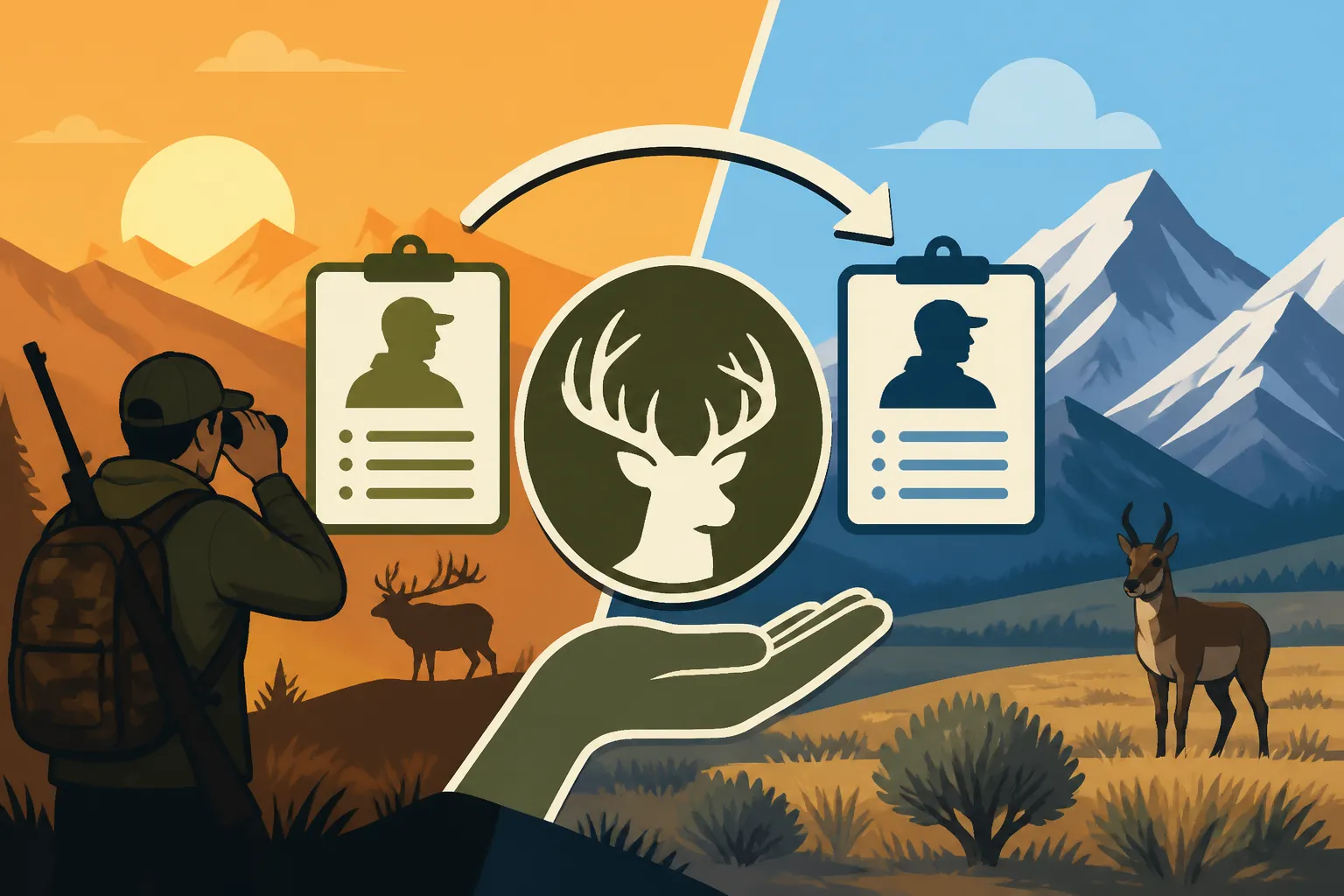
The term "banking" your points in Wyoming isn't an official legal term, but it perfectly describes the act of securing your accumulated preference points for future years without actually applying for a hunting tag in the current season. This strategy is vital because if you simply do nothing, your points will effectively disappear.
Why You Might Need to Bank Points
Life, as we all know, can throw curveballs. There are countless reasons why you might not be able to apply for a hunting tag in a given year, even if you’ve been diligently accumulating preference points. Maybe you've got a new job that makes taking time off difficult, or perhaps a family event has completely overtaken your fall schedule. Financial constraints are another common reason; a full-price nonresident tag can be a significant investment, especially when you factor in travel, gear, and other expenses.
Whatever the reason, the last thing you want is to lose those hard-earned points. These points are your investment in future hunts, especially for those highly sought-after units that might require several years to draw. Instead of letting them evaporate because you can't commit to a hunt this season, you "bank" them by purchasing a point directly. This keeps your point total intact and growing, setting you up for success when your schedule and finances align again. It’s a smart way to stay engaged in the draw process, even when you’re forced to sit a season out.
The Annual Point-Only Application Window
This is the critical detail for banking your points: Wyoming has a dedicated "point-only" application window each year. This is a separate period from the main big game tag application deadlines. During this window, you can log into your Wyoming Game and Fish Department account and simply purchase a preference point for elk, deer, or antelope without submitting a full tag application. This action ensures your existing points are maintained and you gain one more, effectively adding another "deposit" to your point bank.
For most species, this "When the Wyoming Point-Only Window Opens" typically falls between July and November, usually starting in July and closing at the end of October or early November. It's distinct from the "Wyoming's Four Application Deadlines, February Through June" that apply to actual tag applications. Missing this window means you'll forfeit the opportunity to gain a point that year, and crucially, if you don't apply for a tag or purchase a point, your previously accumulated points for that species will be lost. It's a "use it or lose it" scenario if you don't participate annually in some form. Keep an eye on the official Wyoming Game and Fish Department website for the precise dates each year, or consider using a resource like GoHunt's Insider platform, which provides up-to-date application deadlines and point-only windows, making it easier to stay on track.
Here's a quick look at the typical point costs, which are subject to change, so always double-check current regulations:
| Species | Nonresident Preference Point Cost (Approx. 2024-2025) | Resident Preference Point Cost (Approx. 2024-2025) |
|---|---|---|
| Elk | $52 | $10 |
| Deer | $41 | $10 |
| Antelope | $31 | $10 |
Note: These prices are subject to change by the Wyoming Game and Fish Department. Always confirm current fees on their official website.
Preventing the Loss of Your Hard-Earned Points
The biggest fear among hunters investing in preference points is losing them. It's a genuine concern because if you don't engage with the system annually—either by applying for a tag or purchasing a preference point during the point-only window—your accumulated points for that species will reset to zero. Imagine putting in five years of effort, investing the money and the time, only to forget to click a button one fall and watch it all disappear. It's a gut punch, and it's completely preventable.
The key to preventing this loss is active participation every single year. You must either apply for a tag during its main application period (e.g., "The Wyoming Nonresident Elk Application Deadline" usually in early February) or, if you're not going to hunt, ensure you buy a point during the designated "point-only" timeframe. This point-only window is your safety net, your guarantee that your preference points remain securely "banked" for when you're ready to use them.
This annual engagement, whether through an application or a direct point purchase, signals to the Wyoming Game and Fish Department that you are still actively pursuing a hunt for that species. Without this annual action, the system assumes you've stepped out of the game, and your points are purged. It's a firm rule, so setting calendar reminders for "The July to November Point-Only Window in Wyoming" is an absolute must for any serious point-hoarder.
Strategic Considerations for Point Banking
Banking points isn't just about preventing loss; it's a powerful tool for long-term hunt planning, especially in a state like Wyoming where demand often far outstrips supply for quality tags. Thinking strategically about how you bank and use your points can make all the difference in realizing your hunting goals.
Long-Term Draw Strategy and Point Accumulation
For many nonresidents, a Wyoming big game hunt is a multi-year endeavor. The state's draw odds, particularly for elk and mule deer in prime areas, often dictate a patient, point-building approach. Banking points year after year allows you to patiently accumulate a significant number, steadily increasing your chances for that dream hunt. This isn't just about getting any tag; it's about getting the right tag for the experience you want.
When you're trying to figure out "How Many Points It Takes to Draw Wyoming Elk" in specific, high-demand areas, you’ll quickly realize that building a substantial point total is essential. For instance, some of the legendary elk units in areas like the Bighorns or the Bridger-Teton National Forest can require upwards of 10-15+ points for a nonresident to draw a bull tag. This requires a dedicated, long-term strategy of point banking. You might spend five years just buying points, and then when you hit your target number, you go all in on an application. Tools like GoHunt's draw odds calculator and unit research can be invaluable here, helping you understand how many points you’ll likely need and refine your strategy. "How Wyoming Preference Points Accumulate Year to Year" isn't just a technicality; it's the foundation of your long-term success.
Can You Transfer or Share Points?
This is a common question, and the answer is a straightforward, albeit often disappointing, no. Wyoming's preference points are strictly individual. You cannot transfer your points to another hunter, whether it's a family member, a friend, or anyone else. This applies even if you decide you no longer want to hunt in Wyoming, or if you simply want to combine points with a hunting partner to improve your joint odds.
The points are tied directly to your individual Wyoming Game and Fish Department account and your unique identifier. This means that if you're planning a group hunt, each member of the party must accumulate their own preference points independently. While it might seem less convenient, this system ensures fairness and prevents the buying and selling of points. So, while you might wish you could "Can You Transfer a Wyoming Preference Point?" to your spouse or child, it's just not how the system works. Each hunter needs to manage their own point portfolio.
Avoiding Common Mistakes
The Wyoming preference point system can be a fantastic way to access incredible hunting opportunities, but it's rife with potential pitfalls for the unwary. The biggest mistake, as we've already covered, is simply forgetting to act. Missing the point-only window or failing to apply for a tag means your points reset to zero. Set multiple reminders on your phone, mark your calendar, and consider signing up for email notifications from the Wyoming Game and Fish Department or reputable outdoor news outlets.
Another common pitfall is misunderstanding the various deadlines. Wyoming has a staggered application schedule: elk in February, moose/sheep/goat in April, and deer/antelope in June. This is why "Wyoming's Four Application Deadlines, February Through June" are so important to keep straight. The point-only window, as discussed, is later in the year. Confusing these dates can lead to a missed opportunity or, worse, losing your points. Always double-check the current year's regulations on the official WGFD website, as dates can shift slightly from year to year.
Finally, relying solely on hearsay or outdated information can be costly. Regulations, hunt areas, and even the draw odds themselves can change. A unit that took 5 points last year might take 7 this year due to increased demand or reduced tag allocations. Tools like GoHunt can help you stay informed on these critical changes and provide a reliable way of "Checking Draw Odds Before You Apply," giving you the most current picture available. Diligence and accurate information are your best friends in the Wyoming draw.
Disclaimer
Please remember that hunting regulations, license fees, and application deadlines are subject to change by the Wyoming Game and Fish Department. Always consult the official Wyoming Game and Fish Department website or the current year's hunting regulations booklet for the most accurate and up-to-date information before planning your hunt or applying for licenses and points.