The Wyoming Special Elk License and Its Price
Many hunters, particularly those eyeing the incredible elk opportunities in the Cowboy State, find themselves scratching their heads when they encounter the "Special" elk license option on the Wyoming Game and Fish Department application. It’s a common point of confusion, often leading to questions about its significantly higher price and whether it truly offers a tangible advantage. This comprehensive guide is designed to demystify the Wyoming Special Elk License, breaking down its costs, explaining its strategic purpose, and helping you determine if this premium choice aligns with your hunting goals for a truly unforgettable experience.
Understanding the Wyoming Special Elk License
When you delve into the world of Wyoming elk tags, you quickly realize it's not a one-size-fits-all situation. The state offers a variety of licenses, each designed to manage herd populations, provide diverse hunting opportunities, and generate revenue. Among these, the "Special" elk license stands out, primarily as an option for nonresident hunters seeking a statistically better chance in the coveted draw. It's a distinct category, not just a fancier version of the regular tag, and understanding its underlying purpose is key to navigating the application process.
What Sets the "Special" Apart from Regular Tags
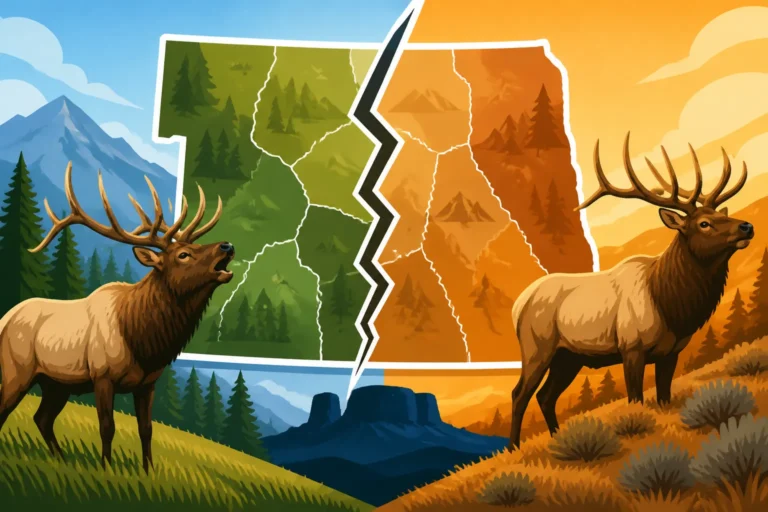
At its core, the Wyoming Special Elk License exists to create two distinct draw pools for nonresident hunters. When you apply for a limited quota elk license in Wyoming, you're entering a lottery system. For nonresidents, there are two primary options: the "Regular" license and the "Special" license. The crucial difference isn't in the animal you can harvest or the areas you can hunt; it's purely in the draw odds.
Think of it like this: instead of everyone throwing their hat into one giant ring, the non-resident draw is split into two rings. Roughly 25% of the total nonresident limited quota licenses are allocated to the "Special" draw pool, while the remaining 75% go into the "Regular" draw pool. This means that if you apply for the Special license, you are competing against a significantly smaller pool of applicants for those allocated tags. While the number of tags in the Special draw is smaller, the number of applicants is also proportionally smaller, leading to better draw odds. This isn't just a marketing gimmick; it's a fundamental aspect of how Wyoming manages its nonresident hunting demand and ensures diverse opportunities for its various applicants. It's important to differentiate this from a general elk license, as the Special license specifically applies to limited quota draws.
The Rationale Behind Wyoming's Two-Tier System
The existence of the Special license, with its higher price point, isn't arbitrary. It serves a multifaceted purpose for the Wyoming Game and Fish Department (WGFD). Firstly, it’s a crucial revenue generator. The additional funds collected from Special licenses contribute directly to wildlife management, habitat improvement projects, and conservation efforts across the state. These funds are vital for maintaining the healthy elk populations that draw hunters from all over the world.
Secondly, and perhaps most importantly for hunters, it's about managing demand and offering a premium avenue for access. Wyoming elk tags are highly sought after, and many limited quota units can take years, even decades, to draw through the regular preference point system. By offering a Special draw, the state provides an option for those who prioritize higher draw odds over a lower cost. This allows some hunters, particularly those with less accumulated preference points or those targeting extremely difficult units, to potentially "buy" a better statistical chance. It’s a recognition that not all hunters have the same budget or the same level of patience for accumulating points, offering a more immediate, albeit more expensive, pathway to a coveted tag.
Decoding the Price Tag: Special vs. Regular Elk Licenses
One of the most immediate and impactful differences between the Special and Regular elk licenses is the cost. It's not a marginal increase; the Special license carries a substantially higher price tag, which can be a significant factor in a hunter's decision-making process. Understanding these figures and how they compare is essential for budgeting and planning your Wyoming elk hunt.
Nonresident Special Elk License Costs Explained
For nonresidents, the price difference is stark. In recent years, the Wyoming Special Elk License and Its Price for non-residents has hovered significantly higher than the regular equivalent. As of the current regulations, a nonresident applying for a Type 1 (any elk) Special license will pay over a thousand dollars more than for a regular Type 1 license. This substantial increase reflects the advantage in draw odds that the Special license offers. For example, while a standard nonresident elk license might cost around $700-$800, a Special nonresident elk license can easily exceed $1,200-$1,300. It's an investment, pure and simple, and one that requires careful consideration of your hunting budget and your priorities. Don't forget, on top of the license fee, there's also the application fee and the mandatory conservation stamp. These are standard charges regardless of whether you choose the Special or Regular draw.
Resident License Costs and the "Special" Distinction
For Wyoming residents, the concept of a "Special" draw with a higher price for better odds, in the same way nonresidents experience it, generally doesn't exist. Residents pay a much lower fee for their elk licenses, reflecting their contributions to the state through taxes and their direct involvement in local conservation. For example, you can expect the Wyoming Resident Elk License Cost This Season to be a fraction of what nonresidents pay, typically in the range of $50-$70 for a full price bull tag.
Residents do have different types of licenses (like Type 1 for any elk, or Type 6 for antlerless elk), each with its own specific price, but these price differences are based on the animal you can harvest (bull vs. cow/calf) or the hunt area, not on a separate draw pool designed for improved odds at a higher cost. The intent of the nonresident Special license is to manage external demand and generate additional revenue, a dynamic that doesn't apply to the same degree for in-state hunters.
Here's a simplified breakdown of typical license costs, which can fluctuate slightly year to year. Always refer to the most current Wyoming Game & Fish regulations for exact figures.
| License Type | Typical Nonresident Cost (Approx.) | Typical Resident Cost (Approx.) | Notes |
|---|---|---|---|
| Elk Type 1 (Any Elk) Special | $1,200 – $1,300+ | N/A | Nonresident only, for improved draw odds. |
| Elk Type 1 (Any Elk) Regular | $700 – $800+ | $50 – $70+ | Standard full-price bull tag. |
| Elk Type 6 (Antlerless Elk) | $300 – $400+ | $30 – $40+ | Cow/calf tag, often easier to draw. |
| Preference Point | $52 | $10 | Purchased to build points for future draws. |
| Conservation Stamp | $12.50 | $12.50 | Mandatory for all hunters, residents and nonresidents. |
Note: These are approximate figures and do not include application fees, which are typically $15 per species per applicant.
Strategic Advantage: Why Pay More for the Special Draw
Given the significant price difference, the natural question arises: why would anyone choose to pay more for the Special license? The answer lies squarely in the strategic advantage it offers in the draw, particularly for those with specific hunting goals or limited patience for accumulating preference points. It's a calculated gamble for many, weighing the financial investment against the statistical probability of drawing a coveted tag.
Improved Draw Odds and Preference Point Strategy
The primary allure of the Special elk license is the enhanced draw odds. As mentioned, approximately 25% of available nonresident limited quota elk tags are allocated to this separate pool. While the number of tags is smaller, the number of applicants vying for them is also significantly reduced compared to the 75% allocated to the Regular draw. This means, statistically, your chances of drawing a tag are better in the Special pool.
This becomes especially relevant when considering Wyoming's preference point system. The state utilizes a system where 75% of available tags are allocated based on preference points, and 25% are allocated in a random draw. However, even within this system, the Special draw pool offers a better chance. For units that are notoriously difficult to draw, even with a handful of points, entering the Special draw can shave years off your waiting time. Imagine a unit that typically requires 10+ points in the regular draw; in the Special draw, you might have a chance with fewer points, or even zero points, because the competition is less fierce. It's a way to bypass some of the Point Creep in the Bighorn Mountains and other popular units that plague many aspiring elk hunters. Tools like GoHunt, for example, provide detailed draw odds analysis for both regular and special draws, allowing you to compare your chances directly.
Targeting Premium Hunt Areas and Specific Experiences
For many hunters, the Special license isn't just about drawing any elk tag; it's about drawing a tag in a specific, high-quality hunt area. Wyoming boasts some truly exceptional elk units, known for their mature bulls, abundant populations, or unique hunting experiences. These units are often incredibly difficult to draw through the regular system, sometimes requiring 15 or more preference points. For a nonresident who might only be able to apply for a few years, waiting that long is simply not feasible.
The Special draw can be the most viable path to these premium units. If you've been dreaming of a specific wilderness hunt in the Bridger-Teton National Forest or a classic sagebrush stalk for a trophy bull in a well-known area, the Special license significantly increases your statistical chance of making that dream a reality sooner rather than later. This is where researching How Many Points It Takes to Draw Wyoming Elk becomes critical, and then weighing that against the increased cost of the Special license. For some, the value of accessing a specific, high-quality experience outweighs the additional financial outlay. It transforms a long-shot dream into a more attainable goal.
The Application Process and Important Considerations
Applying for any Wyoming big game license can feel like navigating a maze, and the Special elk license is no exception. Beyond just understanding the costs and benefits, you need to be familiar with the application deadlines, the process itself, and how to make an informed decision about when and if to opt for this premium choice.
Key Deadlines and Application Steps
The application process for Wyoming elk licenses, including the Special draw, is handled entirely online through the Wyoming Game and Fish Department's Electronic Licensing System (ELS). It's crucial to mark your calendar with the primary deadlines:
- Nonresident Elk Applications: These typically close in early February. For instance, the
When Wyoming Nonresident Elk Applications Close in Early Februaryis a critical date. - Draw Results: You can usually expect Wyoming Elk Draw Results Come in May.
When applying, you'll select your desired hunt area and license type (e.g., Type 1 Any Elk, Type 6 Antlerless). This is where you'll also be presented with the option to apply for the "Special" nonresident license or the "Regular" nonresident license. If you opt for the Special, the higher fee will be charged to your card upfront, though it is refunded if you are unsuccessful in the draw (minus the non-refundable application fee).
It's a straightforward process online, but attention to detail is paramount. Double-check your hunt area choices, license types, and ensure all personal information is accurate. Even a small mistake can invalidate your application or prevent you from drawing the tag you want. The Wyoming's Four Application Deadlines, February Through June overview can provide context for other species, but the February date is the one to remember for elk.
When to Opt for the Special Draw
Deciding whether to apply for the Special license is a highly personal choice, depending on your individual circumstances and goals. Here are some scenarios where it might make sense:
- You prioritize drawing a tag sooner: If you have limited time or patience to build up preference points over many years, the Special draw offers a faster track.
- Targeting highly sought-after units: For units with notoriously low draw odds in the regular pool, the Special draw can significantly improve your chances. This is often the case for some of the units mentioned when looking into Wyoming General Elk Licenses and Where They Work versus the more limited quota units.
- You have a flexible budget: The increased cost is a factor, but if your budget allows for it and you value the higher probability of drawing, it's a worthwhile investment.
- Limited hunting opportunities elsewhere: For nonresidents who might only have a few states they can apply in, maximizing the chances in a quality state like Wyoming makes sense.
Conversely, if you're comfortable with a long-term strategy of Buying Wyoming Preference Points Without Applying for a Tag and building up points, or if your budget is tight, the regular draw might be a better fit. It's all about balancing cost, patience, and the desire for immediate opportunity.
Researching Draw Odds with Reliable Tools
Before you commit to the Special draw, or any draw in Wyoming, thorough research is indispensable. Understanding the true draw odds for your desired hunt area and license type (both regular and special) is crucial for making an informed decision. The WGFD provides official draw statistics, but third-party tools can offer more user-friendly analysis and predictive models.
Platforms like GoHunt are invaluable for hunters planning their Western applications. They compile years of draw data, crunch the numbers, and present them in an easily digestible format, often projecting future draw odds. This allows you to compare the chances of drawing with a regular license versus a special license, both with and without preference points. By utilizing these resources, you can see exactly how many preference points were needed in previous years for different license types (such as What a Wyoming Type 1 Elk License Means), and how the Special draw pool often has lower point requirements or higher random draw success rates for the same unit. This kind of detailed analysis is essential for Checking Draw Odds Before You Apply and crafting a successful application strategy. It truly empowers you to choose the option that gives you the best statistical shot at a Wyoming elk tag.
Disclaimer
Please note that hunting regulations, license fees, and draw odds are subject to change annually by the Wyoming Game and Fish Department. While this guide provides comprehensive information based on current understanding, it is always the hunter's responsibility to consult the most recent official Wyoming Game and Fish regulations before applying for any license or planning a hunt.