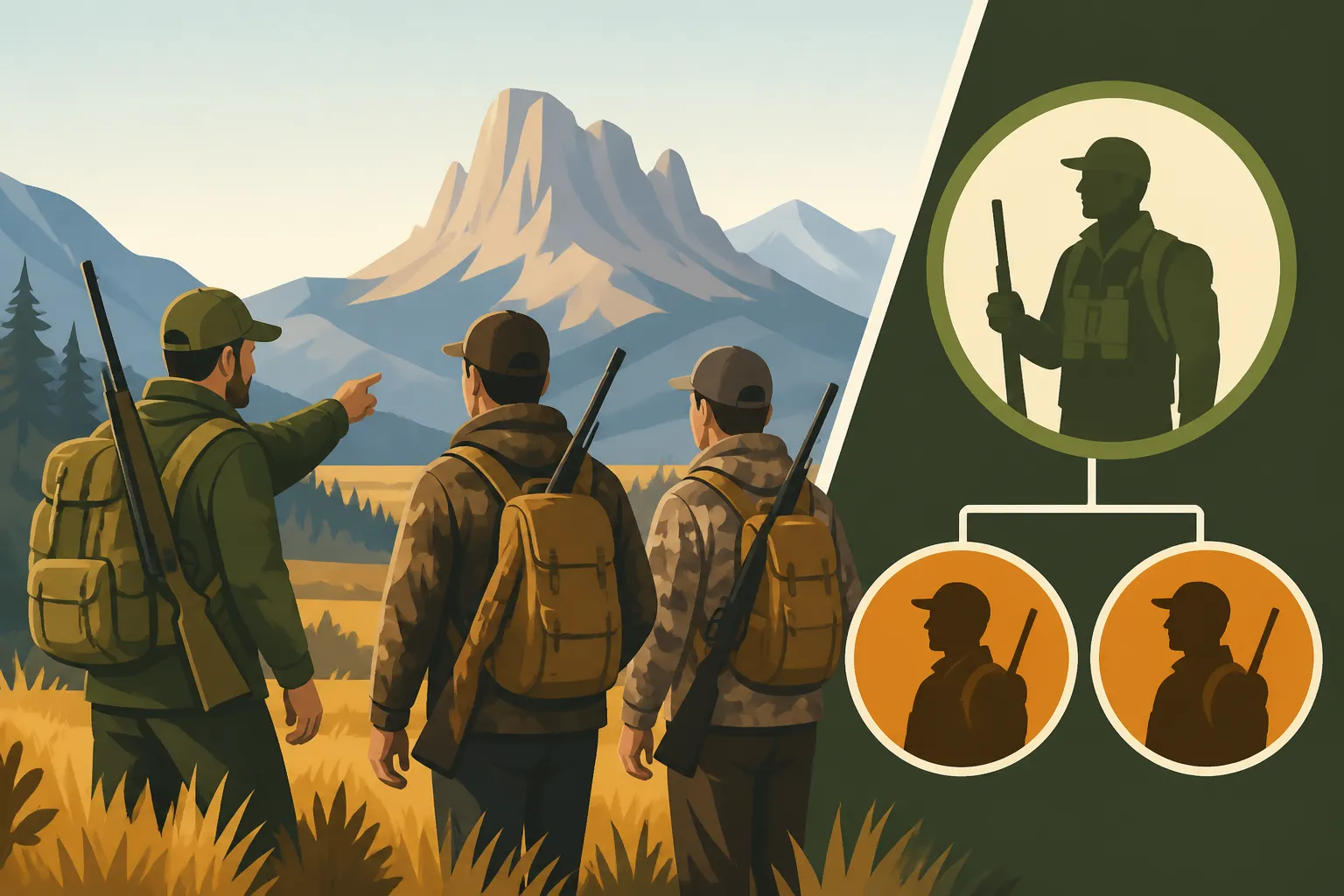
Wyoming Requires One Guide for Every Two Nonresident Hunters
One of the first things nonresident hunters discover about Wyoming is that it’s not always a free-for-all when it comes to exploring the state’s vast and rugged public lands. Specifically, the requirement to hire a licensed guide, especially when you venture into designated wilderness areas, often catches people by surprise. If you’re a nonresident eyeing those incredible big game opportunities in Wyoming, understanding the mandatory guide-to-hunter ratio of one guide for every two nonresidents is absolutely critical for a legal and successful hunt, and this guide is here to break down exactly what that means for you.
Understanding Wyoming's Guide Law and the 1:2 Ratio
Wyoming has a well-established set of regulations for hunting, and for nonresident hunters, one of the most significant is the guide requirement in designated wilderness areas. It’s not just a suggestion; it’s a law that directly impacts how you plan and execute your hunt. The core of this law, particularly for groups, is the strict ratio: for every two nonresident hunters, you must have at least one licensed professional guide.
The Foundation of the Nonresident Guide Mandate
At its heart, this rule is about safety, ethical hunting, and ensuring that hunters are prepared for the unique challenges of wilderness environments. Wyoming's wilderness areas are not only stunningly beautiful but also incredibly remote, unforgiving, and vast. Getting lost, having an accident, or running into unexpected wildlife encounters can quickly turn dangerous. A professional guide brings invaluable experience, local knowledge, and an understanding of wilderness survival that can be the difference between a memorable adventure and a serious predicament.
Imagine planning a dream elk hunt deep in the Shoshone National Forest, an area known for its immense size and challenging terrain. Without this rule, a group of four nonresidents with minimal backcountry experience could easily get in over their heads. The guide mandate aims to prevent such scenarios, ensuring that professional expertise is on hand to navigate these complex landscapes. It’s not just about finding game; it’s about making sure everyone comes home safely. This is also why the state takes a firm stance on Wyoming's Wilderness Guide Law for Nonresidents.
Deconstructing the One Guide for Every Two Hunters Ratio
So, what does "one guide for every two nonresident hunters" actually mean in practice? Let's say you and three friends from out of state decide to hunt elk in a wilderness area. That's four nonresident hunters. Under the law, you wouldn't just need one guide; you'd need two guides to maintain that 1:2 ratio. If you're a single nonresident hunter, you'd still need one guide. If it's two of you, you need one guide. Three of you would require two guides, and so on.
This ratio ensures that each guide isn't stretched too thin, responsible for too many individuals in potentially difficult situations. It allows them to adequately supervise, instruct, and assist the hunters under their charge. It means more eyes, more experience, and ultimately, a safer and more organized hunt. This isn't just about showing up with a local; it's about adhering to a specific legal framework that ensures accountability and preparedness in some of the wildest places left in the lower 48.
Why the Guide Rule Exists: History and Rationale
The Wyoming guide law, particularly the 1:2 ratio for nonresidents in wilderness, didn't just appear overnight. It's a product of decades of experience, balancing public access, safety concerns, and the unique challenges of managing remote hunting opportunities. Understanding its origins helps to appreciate why it remains such a crucial part of hunting in the Cowboy State.
Historical Context and Safety Concerns
Back in the day, as more and more nonresidents started discovering the incredible hunting Wyoming offered, especially in its vast backcountry, state officials noticed a trend. Many hunters, unfamiliar with the harsh realities of the Rockies or the sheer scale of the wilderness, would often get lost, injured, or simply unprepared for what they encountered. Search and rescue operations became more frequent, and there was a growing concern for both hunter safety and the strain on emergency services. The state saw a clear need for a measure that would ensure nonresidents had experienced assistance in these remote and challenging environments. This led to the creation of the guide law, a proactive step to prevent mishaps and ensure that those venturing into the wilderness did so with proper support.
Moreover, the influx of hunters also brought questions about ethical hunting practices and fair chase. A guide, beyond their safety role, also acts as an interpreter of local regulations and ethical standards, helping to ensure that hunting is conducted responsibly. This historical perspective highlights that the law is less about gatekeeping and more about preserving the integrity of hunting and protecting those who participate.
Preserving Wilderness Integrity and Fair Chase
Wyoming takes the concept of wilderness seriously. These areas are managed to maintain their primitive character, offering an experience defined by self-reliance and minimal human impact. Allowing inexperienced hunters to consistently get into trouble would not only endanger them but also potentially degrade the wilderness experience for others and strain resources needed for other conservation efforts. Professional guides are often deeply committed to these principles; they understand the land, respect wildlife, and operate in a way that minimizes their footprint. They are often the first line of defense against poor practices, ensuring that hunters understand and adhere to the strict rules that govern wilderness use.
The guide requirement also indirectly supports the fair chase principle. In an environment where local knowledge can provide a significant advantage, ensuring that all nonresidents have access to professional guidance helps level the playing field, making the hunt about skill and effort within the legal framework, rather than just raw experience. It's about ensuring a quality hunting experience that aligns with Wyoming's values for its wild places and the animals that call them home. The ethical considerations of hunting are profound, and the presence of a guide helps uphold these standards, ensuring that animals like Wyoming Elk, the Feedgrounds and the Disease Question are pursued responsibly.
Species and Areas That Trigger the Guide Requirement
Not every hunt in Wyoming requires a guide, but certain conditions, particularly related to location and target species, activate the mandate for nonresidents. Knowing these specifics is paramount for proper hunt planning and avoiding legal headaches.
Designated Wilderness Areas: The Primary Trigger
The most significant factor triggering the nonresident guide requirement is hunting within a designated wilderness area. Wyoming is home to a number of these incredible, wild places, and their remote nature is precisely why the guide law exists. Areas like the Bridger-Teton Wilderness, the Popo Agie Wilderness, or portions of the Shoshone National Forest that fall within wilderness boundaries are prime examples. If your hunt plan involves setting foot or horseback into these areas while carrying a weapon during a big game season, you will need a licensed guide, adhering to that 1:2 ratio.
This isn't about the type of animal you're hunting within these zones; it's purely about the location. Whether you're chasing elk, deer, moose, or bighorn sheep, if the hunt takes place inside a designated wilderness area, the guide rule applies. These boundaries are clearly marked on Forest Service and BLM maps, and it's your responsibility to know them. Many nonresidents use digital mapping tools like GoHunt to overlay wilderness boundaries with hunt units, which is an invaluable resource for avoiding accidental infringements.
Big Game Species and the Scope of the Rule
While the location (wilderness area) is the primary trigger, the species you're hunting clarifies when the rule applies. The guide requirement specifically targets big game species. This includes:
- Elk
- Deer (mule deer and whitetail)
- Antelope
- Moose
- Bighorn Sheep
- Mountain Goat
- Bison (though these hunts are highly restricted and often occur under specific management plans)
You don't need a guide to hunt small game, upland birds, or predators (like coyotes or foxes) in wilderness areas, even as a nonresident. The law is narrowly focused on the larger, more sought-after species that typically involve more extensive and challenging backcountry pursuits. For instance, chasing a Shiras Moose: A Wyoming Tag Measured in Decades in a wilderness area almost certainly means planning for a guide, given the extreme difficulty of drawing that tag and the animal's preferred habitat.
It's also crucial to remember that the guide law doesn't apply to all big game hunting in Wyoming. If you're hunting deer or antelope on private land, or on public land outside of designated wilderness areas (such as vast tracts of BLM or National Forest that are not wilderness), the nonresident guide requirement does not apply. It's truly location-specific to those untouched, roadless wilderness expanses. Therefore, your hunt area selection becomes critically important when planning your trip; some areas like Wyoming's National Forests: Bridger-Teton, Shoshone, Bighorn, Medicine Bow contain both wilderness and non-wilderness sections, so pay close attention to the specific boundaries of your chosen hunt unit.
Who Qualifies as a "Guide" in Wyoming (And Who Doesn't)
When the law dictates you need a guide, it's not just any helpful buddy. Wyoming has very specific definitions and requirements for who can legally act as a guide for nonresident hunters, especially when that 1:2 ratio comes into play. It's not a casual arrangement; it's a regulated profession.
Licensed Outfitters and Their Professional Guides
The primary way to fulfill the guide requirement is by hiring a licensed outfitter who then employs licensed professional guides. In Wyoming, outfitters are businesses that provide services for hunting, fishing, and other outdoor recreational activities for compensation. They hold the master license and are responsible for ensuring their guides meet all state requirements, including training, insurance, and adherence to regulations. Every Wyoming Guide Works Under a Licensed Outfitter is a fundamental principle here. A guide cannot operate independently for hire without being affiliated with a licensed outfitter.
These professional guides have often spent years honing their skills, learning the terrain, tracking animals, and understanding the nuances of fair chase hunting. They know the regulations inside and out, can handle emergency situations, and are equipped to lead clients safely through demanding environments. When you book with an outfitter through platforms like BookYourHunt, you're tapping into this established network of licensed professionals. Always verify an outfitter’s license through the Wyoming Board of Outfitters and Professional Guides before committing any funds. This helps ensure you're working with a legitimate operation that adheres to all state laws, including the crucial guide-to-hunter ratio.
The Resident Guide Exception: A Different Kind of "Guide"
There's a significant exception to the professional guide rule that often causes confusion: the resident guide exception. A Wyoming resident can act as a guide for up to two nonresident hunters in a designated wilderness area, provided they do not receive any compensation for their services. This is a crucial distinction. Your resident buddy can take you hunting, but they cannot charge you money, accept a trade for services, or even have you pay for their gas, food, or lodging with the expectation that it's payment for their guiding. It must be a purely voluntary, uncompensated act of friendship.
To utilize this exception, the resident guide must also complete and file a specific Resident Guide Affidavit with the Wyoming Game and Fish Department before the hunt. This affidavit attests that they are indeed a resident, will not receive compensation, and will adhere to the state's hunting laws. The Affidavit a Wyoming Resident Guide Must File is a critical piece of paperwork that must be submitted correctly. This exception is designed to allow friends and family to hunt together without the expense of a commercial outfitter, while still ensuring a knowledgeable resident is present to oversee the hunt. However, it's not a loophole for outfitters to offer "discounted" services. The uncompensated nature is strictly enforced, and violations can carry serious penalties for both the nonresident hunter and the resident acting as a guide.
Key Differences Between Professional and Resident Guides:
| Feature | Licensed Professional Guide (Employed by Outfitter) | Resident Guide (Uncompensated Friend/Family) |
|---|---|---|
| Compensation | Receives payment for services | Cannot receive any form of compensation |
| Affiliation | Works for a licensed Wyoming outfitter | No outfitter affiliation required |
| Licensing | Holds a Professional Guide License | No guide license required, but must be resident |
| Ratio | One guide per two nonresidents (max) | One resident per two nonresidents (max) |
| Paperwork | Outfitter handles all licensing/permitting | Must file a Resident Guide Affidavit |
| Liability/Insurance | Covered by outfitter's insurance/bonding | Assumes personal liability; no official coverage |
| Expertise | Expected to have extensive professional experience | Assumed to have local knowledge and experience |
Understanding these distinctions is essential for compliance. You can't just pick any local; they must either be a licensed professional working for an outfitter or an uncompensated resident who has filed the proper affidavit. Misinterpreting this can lead to fines, loss of hunting privileges, and an unwanted encounter with game wardens.
The Practicalities of the 1:2 Rule in the Field
Knowing the rule is one thing; understanding how it plays out when you’re actually out there, boots on the ground, in Wyoming’s wilderness, is another. The 1:2 guide-to-hunter ratio dictates much of the logistics, dynamics, and safety protocols of your hunting party.
Group Dynamics and Sticking Together
The most immediate practical implication of Wyoming Requires One Guide for Every Two Nonresident Hunters is how your hunting party must operate. You can't just split up. If you have two nonresident hunters and one guide, that group must stay together, or at least within constant sight and voice contact, especially when actively hunting. This isn't just a suggestion; it’s a core aspect of what "guiding" means under the law. The guide is responsible for those two hunters. If they separate, and a game warden encounters one nonresident hunter without the guide or the other hunter nearby, it could be considered a violation.
Consider a scenario where you and a buddy are on a guided bighorn sheep hunt. You spot a ram on a distant ridge. Your guide, following the 1:2 rule, will move with both of you. You can’t send one hunter ahead with the guide while the other lags behind. All three of you are part of that designated group, moving and hunting as a unit. This ensures safety and supervision, preventing individuals from getting lost or encountering dangerous situations alone in remote areas. It also reinforces the ethical aspects of the hunt, as the guide is there to ensure fair chase and adherence to all regulations.
Safety, Communication, and Emergency Protocols
In the field, the guide's role, as mandated by the 1:2 ratio, is fundamentally about safety and effective management of the hunting party. This isn't just about finding animals; it's about navigating treacherous terrain, understanding rapidly changing weather, and knowing how to respond to emergencies. A good guide will establish clear communication protocols from the outset. This might involve hand signals, whistle commands, or radio use in certain situations. They’ll also be the one carrying emergency medical supplies, satellite communication devices like an inReach or satellite phone, and the knowledge to use them.
Should a situation arise—a twisted ankle miles from the trailhead, an unexpected snowstorm, or a close encounter with a grizzly bear—having that licensed professional immediately present, with specific responsibility for your group, is invaluable. They are trained for these scenarios and are the primary point of contact for external help if needed. This structured approach to safety is a huge benefit, offering peace of mind that a DIY hunt might not provide, especially for hunters new to the rugged Wyoming backcountry and its Wilderness Rules Every Wyoming Nonresident Should Know.
Impact on Hunting Strategy and Flexibility
While the guide law enhances safety, it can impact the flexibility of your hunting strategy. A single guide with two nonresidents means less ability to split up and cover ground independently. For example, you can't have one hunter glassing a basin from a high point while the other stalks a different animal with the same guide miles away. The collective movement of the group is key. This often means more deliberate, slower, and more coordinated approaches to hunting.
However, experienced guides are masters at adapting to these limitations. They will strategize ways to maximize your chances within the legal framework, perhaps by using terrain to conceal movement for the entire group, setting up ambushes, or coordinating a slow, deliberate still-hunt through timber. It might mean focusing on areas where all three of you can operate effectively as a unit. Understanding this constraint beforehand helps manage expectations about how a guided wilderness hunt will unfold compared to a more independent public land hunt outside of wilderness boundaries.
Navigating the Rule: Planning Your Guided Hunt
For nonresident hunters, successfully navigating Wyoming's guide rule is a cornerstone of effective hunt planning. It's not just about booking; it's about making informed decisions that align with your goals, budget, and legal obligations.
Choosing Between an Outfitter and a Resident Guide
The first major decision point for nonresidents subject to the guide rule is whether to hire a licensed outfitter or utilize the resident guide exception.
- Hiring a Licensed Outfitter: This is often the most straightforward path for many nonresidents. Outfitters provide a comprehensive service that typically includes camp setup, meals, horses or other pack stock, and the expertise of professional guides. While this option comes with a significant financial investment—What a Guided Wyoming Elk Hunt Costs can vary widely but is never cheap—it offers peace of mind, logistical support, and access to experienced professionals. When exploring outfitters, platforms like BookYourHunt can be a great starting point for finding reputable operations, reading reviews, and comparing services that adhere to the 1:2 guide ratio. You'll want to ensure the outfitter explicitly states their compliance with this ratio for wilderness hunts.
- Utilizing a Resident Guide: If you have a trusted Wyoming resident friend or family member who is willing and able to guide you and one other nonresident without compensation, this can be an excellent, cost-effective alternative. Remember, the resident must file the aforementioned affidavit. This option requires more logistical planning on your part (camp, food, horses, etc.) but can offer a more intimate and personalized hunting experience. However, it's crucial that both parties understand and strictly adhere to the "no compensation" rule to avoid legal trouble.
The choice largely depends on your budget, your existing connections in Wyoming, and your comfort level with handling the significant logistical aspects of a wilderness hunt yourself.
Researching Hunt Areas and Regulations
Before you even think about booking, dive deep into the regulations for your chosen hunt area. This means consulting the official Wyoming Game and Fish Department regulations, paying close attention to the specific unit boundaries and whether they encompass designated wilderness areas. Digital mapping apps with public land overlays are indispensable for this research. Services like GoHunt are fantastic for researching draw odds, unit information, and understanding the nuances of various licenses and seasons, which can indirectly inform your guide decision. They can help you identify if a unit you're interested in has wilderness components that will trigger the guide requirement.
It’s also wise to check for any species-specific or area-specific closures or restrictions. Some wilderness areas might have unique rules regarding camping, motorized travel, or even seasonal closures for wildlife migration. Being proactive in your research ensures that when you do engage an outfitter or resident guide, you're already well-informed and can have a productive conversation about your hunt plan.
Booking and Pre-Hunt Communication
Once you've decided on an outfitter, prompt booking is essential, especially for high-demand wilderness hunts. Popular outfitters often book out years in advance, and it's highly advisable to Book Your Wyoming Hunt Before the Draw Runs for your desired species. This gives you peace of mind that if you do draw that coveted tag, you already have your guide situation secured.
Clear and thorough communication with your outfitter or resident guide is paramount in the months leading up to your hunt. Discuss expectations for fitness, gear requirements, camp arrangements, daily hunting strategies, and emergency procedures. Confirm the exact guide-to-hunter ratio they will maintain for your group size, especially if you have more than two nonresidents. Ask about their experience in your specific hunt area and with your target species. Don't be shy about asking for references and following up on them. This proactive communication ensures everyone is on the same page and minimizes surprises once you're out in the field.
Alternatives and Exceptions to the Guide Requirement
While the 1:2 guide rule for nonresidents in Wyoming wilderness is strict, it's important to understand that it doesn't apply to every hunt. There are specific circumstances and strategies that allow nonresidents to hunt without a professional guide.
Hunting Outside Designated Wilderness Areas
This is the most straightforward way for nonresidents to hunt Wyoming without a guide: simply choose to hunt in areas that are not designated wilderness. Wyoming has millions of acres of public land managed by the Bureau of Land Management (BLM) and the U.S. Forest Service that are not wilderness. These areas, while still wild and challenging, generally allow for unguided nonresident hunting. You can hunt deer, elk, antelope, and other big game on these lands without needing a professional or resident guide.
This often means focusing your efforts on units with good road access, areas bordering wilderness but not within it, or vast expanses of sagebrush and timber that don't fall under the wilderness designation. Using detailed public land maps and hunting apps to clearly identify these non-wilderness areas is critical during your e-scouting phase. While you might sacrifice some of the truly remote, unpressured experiences found deep in wilderness, you can still have an incredible, successful hunt on these other public lands, often at a significantly reduced cost by avoiding guide fees. Remember, this doesn't mean these areas are easy; they still demand solid hunting skills, physical fitness, and thorough preparation.
Hunting on Private Land (With Permission or Landowner Tags)
Another viable alternative is to hunt on private land. If you have secured permission from a private landowner to hunt their property, the nonresident guide requirement does not apply, regardless of the species. This can be achieved through personal connections, leasing hunting access, or in some cases, utilizing Wyoming's Access Yes program, which partners with private landowners to open land to public hunting.
Additionally, some landowners may qualify for specific "landowner tags" for various species. While these often come with their own set of rules and can sometimes be managed by outfitters, the fundamental access to private property negates the wilderness guide rule. If you're going this route, make sure you have explicit, written permission from the landowner, and understand any specific rules they might have for hunting on their property. This approach can be particularly effective for species like antelope and whitetail deer, which often thrive on private agricultural lands. For deer, Whitetail Deer Hold Wyoming's Eastern River Bottoms and are frequently found on private ground.
Limited Exceptions: Family and Youth Hunts
While rare and very specific, there are limited circumstances where the strict guide rules might have slight nuances, often revolving around youth or family. For instance, a Wyoming resident parent or guardian can mentor a youth hunter without compensation, and the resident guide affidavit rules still apply. The spirit of the law focuses on ensuring safety and oversight. However, these are not broad exemptions that negate the 1:2 ratio. For any special circumstance, it is absolutely imperative to directly consult the current Wyoming Game and Fish Department regulations or contact their offices to clarify your specific situation. Never assume an exception without official confirmation, as ignorance of the law is not a defense. This is especially true when considering questions like Can a Mentor Take You Hunting Before You Certify?.
Finding and Vetting Outfitters Under the 1:2 Rule
Once you've decided to go the guided route, finding the right outfitter who operates ethically and effectively under the 1:2 rule is paramount. This isn't just about finding someone with a license; it's about finding a partner for your adventure.
Identifying Reputable Outfitters
Start your search early, often a year or more in advance, especially for highly sought-after species and units. Many nonresident hunters rely on online resources like BookYourHunt or GoHunt to discover and research outfitters. These platforms often provide contact information, services offered, and sometimes client reviews. Attending hunting expos is another excellent way to meet outfitters face-to-face, discuss your hunt goals, and get a feel for their operation.
When researching, focus on outfitters who specialize in wilderness hunts for your target species. Look for clear communication on their website or marketing materials about their adherence to Wyoming's guide laws, including the 1:2 nonresident hunter ratio. Red flags might include outfitters who offer suspiciously low prices for wilderness hunts, make vague promises, or don't explicitly mention their licensing and insurance. Remember, The Wyoming Board of Outfitters and What It Regulates is the official body, and you should always be able to verify an outfitter's license through their public records.
Key Questions to Ask Prospective Outfitters
Once you have a shortlist, prepare a comprehensive list of questions. Here are some crucial ones to ensure they meet the 1:2 rule and other vital aspects:
- "How do you manage the 1:2 guide-to-hunter ratio for nonresidents in wilderness areas?" This is your primary question. Listen for clear, confident answers about how they staff their hunts to meet this mandate for various group sizes.
- "Can you provide your Wyoming Outfitter License Number and proof of bonding/insurance?" A reputable outfitter will readily provide this information for you to verify.
- "What is your typical guide-to-client ratio for a hunt like mine?" Even if the legal minimum is 1:2, some outfitters might offer a better ratio (e.g., 1:1) for certain hunts or at a higher price point.
- "What is your experience hunting this specific wilderness area and species?" Look for specific details, not just general statements.
- "Can you provide references from recent clients who hunted a similar trip?" Always follow up with these references. Ask about their experience with the guides, adherence to regulations, camp life, and overall satisfaction.
- "What is included in the price, and what additional costs should I anticipate (e.g., license fees, meat processing, taxidermy, tips)?" What Outfitter Prices Leave Out can add up quickly, so get a clear, itemized breakdown.
- "What are your deposit and cancellation policies, especially if I fail to draw a tag?" Understand the financial commitments and contingencies.
Don't hesitate to ask detailed questions. A professional outfitter will appreciate your diligence and be transparent with their answers.
Red Flags and Due Diligence
While most outfitters are legitimate, a few bad apples can exist. Be wary of these red flags:
- Vague answers to direct questions: Especially regarding licensing, ratios, or specific hunt details.
- Pressure to book immediately without time for due diligence: A legitimate outfitter will understand you need to do your research.
- Unrealistic promises: No outfitter can guarantee a kill, especially for trophy animals. Be skeptical of anyone who does.
- Inability or unwillingness to provide references or license information.
- Requiring cash-only payments or unusual payment methods.
Your due diligence should extend to searching online for reviews (both positive and negative) and looking for any complaints filed with the How to File an Outfitter Complaint in Wyoming through the Wyoming Board of Outfitters and Professional Guides. While a complaint doesn't necessarily mean an outfitter is bad, a pattern of serious complaints should give you pause. By carefully vetting potential outfitters, you greatly increase your chances of a successful, legal, and enjoyable Wyoming hunting experience that respects the state's guide regulations.
Disclaimer
This article is for general informational purposes only and does not constitute professional advice. Laws, prices and regulations vary by location and change over time. Consult a qualified professional for guidance on your specific situation.