The Bonding Requirement Wyoming Places on Outfitters
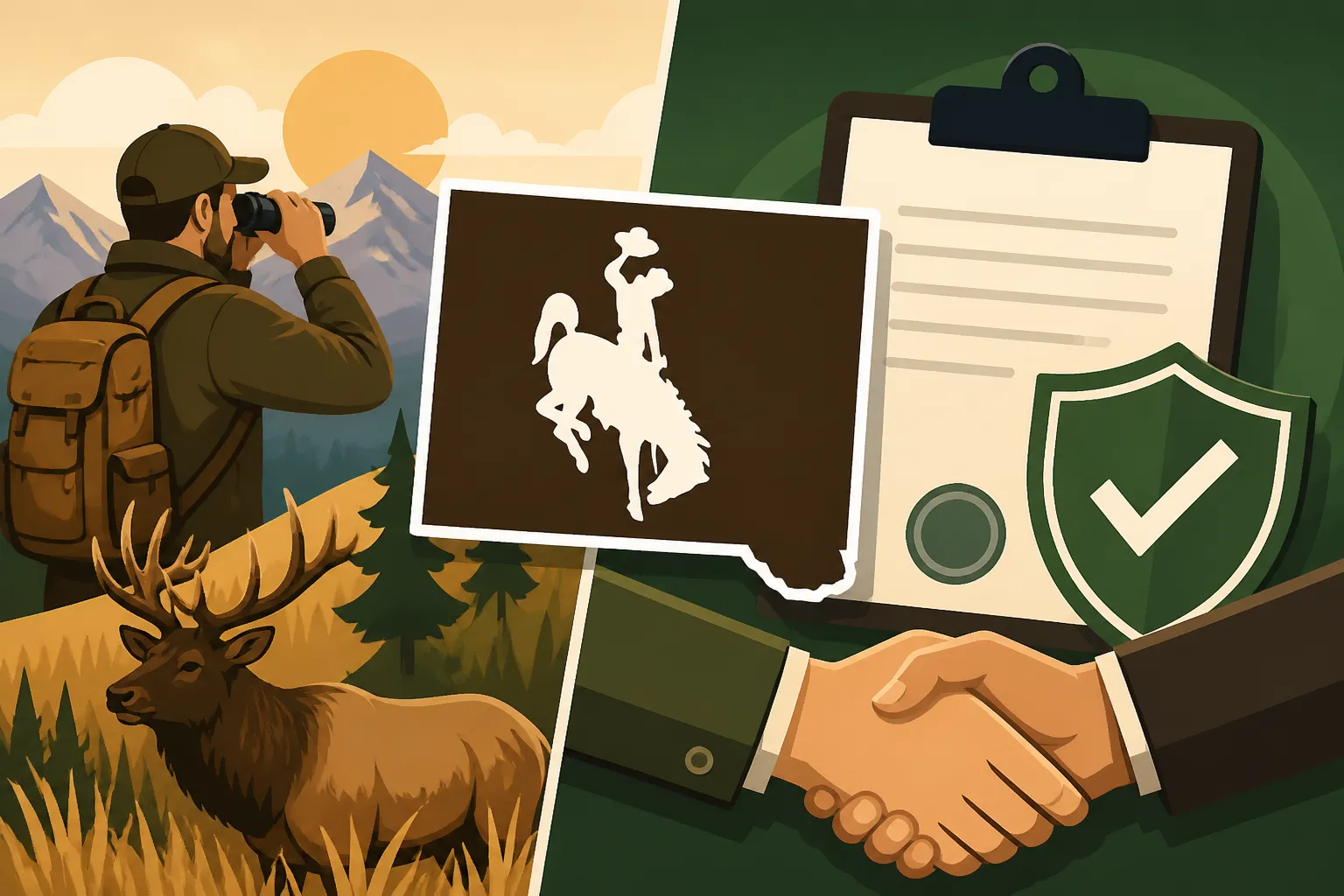
Booking a Wyoming hunting trip, especially one that involves an outfitter, is a significant financial commitment. It’s not just the tag costs; it's the deposits, the travel, the gear – it all adds up to a dream hunt you've invested heavily in. That's why it's completely natural to worry about what happens if something goes wrong with the outfitter. Wyoming has a system in place to help protect that investment, and a major part of it is the bonding requirement for outfitters. This guide will walk you through exactly what an outfitter bond is, why it matters to you as a hunter, and how it helps safeguard your hard-earned money and hunting dreams.
Why Outfitter Bonding Matters to You as a Hunter
Let's be real: booking an expensive hunt with an outfitter, sometimes years in advance, can feel a bit like a leap of faith. You're entrusting a significant amount of money, your precious vacation time, and often the culmination of years of saving and dreaming, to someone you might have only spoken to over the phone or email. This is where the Wyoming outfitter bond steps in as a critical piece of protection, giving you a layer of security against the unforeseen.
Protecting Your Investment from the Unexpected
Imagine you've sent a hefty deposit, perhaps several thousand dollars, for that dream elk hunt in the mountains. You've been planning for months, maybe even years. Then, just weeks before your trip, the outfitter suddenly goes out of business, files for bankruptcy, or simply disappears without a trace. Without a bond, you'd be out of luck, a creditor in a long line, with little to no hope of recouping your money. This isn't a hypothetical fear; it's a real frustration many hunters have faced in other states or with disreputable operators.
The outfitter bond is designed precisely for these kinds of scenarios. It acts as a financial guarantee that your deposits and any payments for services will be protected. If an outfitter fails to uphold their contractual obligations—like canceling your hunt and refusing a refund, or not providing the services they promised—you, as the client, have a mechanism to seek reimbursement. It provides a financial cushion, ensuring that even if the worst happens, your investment isn't completely lost. It's about providing peace of mind when you're making such a substantial financial and emotional commitment.
Ensuring Accountability in the Outfitting Business
Beyond just financial protection, the bonding requirement also plays a crucial role in promoting professionalism and accountability within the outfitting industry. When an outfitter has to secure a bond, they are essentially being vetted by a third-party surety company. This process requires them to demonstrate financial stability and a commitment to ethical business practices. It's a stamp of legitimacy, indicating that the outfitter has met certain standards set by the state.
An outfitter who is bonded is, by nature, more invested in maintaining a good reputation and adhering to their agreements. They know that a disgruntled client can file a claim against their bond, which not only impacts their financial standing but can also jeopardize their ability to get bonded in the future—and thus, their ability to operate. This creates a powerful incentive for outfitters to honor their contracts and provide the services they've promised. It helps separate the truly professional and reliable operators from those who might be less scrupulous. You can often find reputable outfitters and start your research on platforms like BookYourHunt, where their legitimacy can be a focus.
What Exactly Is an Outfitter Bond in Wyoming?
When you hear "bond," it might conjure images of legal thrillers or intricate financial instruments. But for hunters, understanding the basics of an outfitter bond is quite straightforward and crucial for your due diligence. It's not insurance, but it serves a similar protective purpose for you, the client.
Understanding the Basics of a Surety Bond
At its core, a surety bond is a three-party agreement:
- The Obligee: This is the entity requiring the bond, in this case, the State of Wyoming (specifically, the Wyoming Board of Outfitters and Professional Guides). They set the rules and require outfitters to be bonded to protect the public.
- The Principal: This is the outfitter or guide who needs the bond to operate legally. They are the ones promising to fulfill their obligations.
- The Surety: This is the bonding company (often an insurance company) that issues the bond. They guarantee to the obligee (Wyoming) that if the principal (outfitter) fails to meet their obligations, the surety will cover the financial loss, up to the bond amount.
It’s important to understand that a surety bond is not liability insurance for the outfitter. Liability insurance protects the outfitter from claims of negligence (e.g., if you get hurt on their property). A surety bond, on the other hand, protects you, the client, from financial loss due to the outfitter's failure to perform contractual services or properly account for your funds. If the surety pays out on a claim, they will then seek reimbursement from the outfitter. This is a key distinction that empowers you as a consumer.
The Specifics of Wyoming's Requirement
Wyoming's Game and Fish Department and the Board of Outfitters and Professional Guides have specific regulations detailing who needs to be bonded and what the bond covers. Essentially, any person or business operating as a professional outfitter in Wyoming, guiding hunters or fishermen for compensation, must hold a valid outfitter license, and a key component of that license is maintaining an active surety bond.
The purpose of this bond is to ensure that outfitters properly handle and account for all money collected from clients for guiding services. It covers situations where an outfitter might breach their contract, fail to provide services as agreed, or misappropriate client funds. While I can't give you a precise dollar figure for the bond amount, know that it's set at a level deemed appropriate by the state to offer meaningful protection to clients. It’s enough to cover significant deposits and prepayments for hunts that can often run into the thousands or even tens of thousands of dollars. This commitment to client financial security is one of the reasons Wyoming's outfitting industry maintains a strong reputation.
How Wyoming's Bonding Requirement Works in Practice
Knowing that bonding exists is one thing, but understanding how it functions in the real world, and more importantly, how you can leverage it for your protection, is critical. It's a system designed to be proactive, helping you make informed decisions before you ever step foot in the field.
The Outfitter's Side of the Equation
For outfitters operating in Wyoming, securing and maintaining a surety bond isn't optional; it's a mandatory part of being legally licensed. Before an outfitter can even hang out their shingle and advertise their services, they must apply for and be granted a license by the Wyoming Board of Outfitters and Professional Guides. This application process includes demonstrating that they have obtained the required surety bond.
This means outfitters have an ongoing responsibility. They can't just get a bond once and forget about it. Bonds typically need to be renewed regularly, ensuring continuous coverage. If an outfitter's bond lapses or is canceled, their license to operate in Wyoming can be revoked, effectively shutting down their business until the requirement is met again. This continuous oversight by the state board helps ensure that at any given time, a licensed outfitter should have an active bond protecting their clients. When you're looking into potential outfitters, you can ask about their bond status directly, though it’s always best to verify independently.
How a Hunter Can Verify an Outfitter's Bond
This is perhaps the most important takeaway for any hunter considering a guided trip in Wyoming. Don't just take an outfitter's word for it that they are "licensed and bonded." Verify it yourself! The Wyoming Board of Outfitters and Professional Guides maintains public records, and you have every right to inquire about an outfitter's licensure and bond status.
Here’s how you can typically go about it:
- Contact the Wyoming Board of Outfitters and Professional Guides: This is your primary resource. You can usually find their contact information on the Wyoming Game and Fish Department website or by doing a quick search for "Wyoming Board of Outfitters."
- Ask for the Outfitter's License Number: A reputable outfitter will readily provide this. With the license number, the Board can quickly confirm their status.
- Confirm Active Bond Status: Specifically ask if the outfitter holds an active surety bond and confirm its validity period.
This simple act of due diligence can save you immense heartache and financial loss. Before you send any deposit or sign any contract, make this verification step non-negotiable. Platforms like GoHunt and BookYourHunt often list licensed outfitters, but even then, a direct check with the state board is your ultimate safeguard. Looking Up a License in the Wyoming Outfitter Board is a critical step in your research.
When and How to Make a Claim Against an Outfitter Bond
While we all hope our hunts go smoothly, it’s good to know the recourse available if things go sideways. The outfitter bond isn't a "money-back guarantee" for a difficult hunt or bad weather, but it is there for clear breaches of contract or financial impropriety.
Scenarios That Might Lead to a Claim
Understanding when you might have a legitimate claim against an outfitter's bond is crucial. Here are some common examples of situations where the bond is intended to offer protection:
- Failure to Provide Agreed-Upon Services: The outfitter accepted your payment for a 7-day guided elk hunt, including lodging and meals, but upon arrival, the camp is not set up, or the guide isn't present, and the outfitter is unreachable.
- Outfitter Cancellation Without Refund: The outfitter cancels your hunt due to their own operational issues (not force majeure like extreme weather) and refuses to return your deposit or any payments made, despite the contract stipulating a refund under such circumstances.
- Misappropriation of Funds: In rare but serious cases, an outfitter might take your payment and simply disappear, never intending to provide services. The bond helps cover this fraudulent activity.
- Breach of Contract Regarding Finances: Any situation where the outfitter clearly violates the financial terms of your signed agreement, causing you direct monetary loss that isn't otherwise resolved.
It's important to differentiate between these scenarios and, say, simply having a tough hunt where no animals were taken. The bond is not there to compensate for unsuccessful hunting, adverse weather, or personal injury (that’s where the outfitter’s general liability insurance would come in, if applicable). It's specifically for financial protection related to the outfitter's failure to perform their contractual duties.
The Process of Filing a Complaint
If you find yourself in a situation where you believe an outfitter has breached their contract and you've suffered a financial loss, here's a general outline of the steps to take:
- Gather All Documentation: This is paramount. Collect your signed contract, receipts for all payments, emails, texts, and any other correspondence with the outfitter. Keep detailed notes of dates, times, and who you spoke with.
- Attempt Resolution Directly: Always try to resolve the issue directly with the outfitter first. Send a formal letter or email outlining the problem and your desired resolution. Keep copies of this communication.
- Contact the Wyoming Board of Outfitters and Professional Guides: If direct resolution fails, or if the outfitter is unresponsive, contact the Board. They are the regulatory body that oversees outfitters and their bonds.
- File a Formal Complaint: The Board will guide you through their specific complaint process. This usually involves submitting a written complaint, attaching all your documentation, and clearly explaining the situation and the financial loss you incurred.
- Cooperate with the Investigation: The Board will investigate your claim. This might involve contacting the outfitter, reviewing documents, and potentially mediating a resolution. If the claim is found to be valid and the outfitter fails to compensate you, the surety company that issued the bond may be directed to pay out.
It's vital to have realistic expectations. Filing a claim is not an instant process, and it requires diligence on your part. However, knowing that this avenue exists is a significant advantage for hunters in Wyoming. Filing a Complaint With the Wyoming Board is a resource you hope never to need, but one that is good to know about.
Beyond the Bond: Other Safeguards for Hunters
While the outfitter bond is a critical layer of protection, it's part of a larger strategy for ensuring a successful and secure hunting trip. Smart hunters employ a multi-faceted approach to vetting their outfitters and understanding their agreements.
The Importance of a Solid Contract
The contract you sign with an outfitter is your primary legal document. Never, ever gloss over it. This contract should clearly detail:
- Services Included: Exactly what your hunt entails (e.g., number of hunting days, species, guide-to-hunter ratio, meals, lodging, transportation in the field).
- Payment Schedule: Total cost, deposit amount, payment deadlines, and what payment methods are accepted.
- Cancellation and Refund Policy: This is HUGE. Understand the terms under which you can cancel, the outfitter can cancel, and what refunds or credits are issued in various scenarios. Does it account for you not drawing a tag?
- Dates: Specific start and end dates of your hunt.
- Responsibilities: What the outfitter is responsible for, and what you, as the hunter, are responsible for (e.g., licenses, tags, gear list, physical fitness).
Read every word. If anything is unclear, ask for clarification in writing. A reputable outfitter will welcome your questions and ensure you understand the terms. Reading the Cancellation and Refund Terms carefully can prevent major headaches later.
Vetting Your Outfitter Thoroughly
The bond is a safeguard, but robust vetting upfront can help you avoid needing the bond in the first place. Think of it as preventative medicine for your hunt.
Here’s a table outlining key vetting practices:
| Vetting Practice | Why It Matters | How to Do It |
|---|---|---|
| Check for Current License & Bond | Ensures they are legally operating and you have financial protection. | Contact the Wyoming Board of Outfitters and Professional Guides with the outfitter's name/number. |
| Request References | Hear directly from past clients about their experience (good, bad, communication). | Ask for at least 3-5 references from the past 1-2 years. Actually call them and ask detailed questions about the hunt, equipment, guide professionalism, food, and animal encounters. |
| Review Online Reputation | Get a broader picture from various sources; look for patterns, not just one review. | Check hunting forums, social media, and reputable booking sites like BookYourHunt or GoHunt. Be discerning – look for consistent feedback, not just isolated complaints or glowing reviews. |
| Direct Communication | Evaluate their responsiveness, knowledge, and personality. | Ask plenty of questions about the hunt area, typical conditions, success rates, physical demands, gear recommendations, and what happens if you harvest an animal. Are they patient and thorough? |
| Ask for Proof of Insurance | Ensures they carry liability insurance for accidents or injuries. | Request a certificate of insurance. This is separate from the bond but equally important for your safety and protection against unforeseen incidents. Outfitter Insurance and Bonding Requirements are two different but important forms of protection. |
Platforms like GoHunt provide draw odds data and unit information which can help you research the areas an outfitter hunts, allowing you to cross-reference their claims with objective information. You can also explore Questions to Ask a Wyoming Outfitter to make sure you're covering all your bases.
Understanding Outfitter Insurance
As mentioned, an outfitter's general liability insurance is distinct from their surety bond. While the bond protects your financial investment in the event of contractual failure, liability insurance protects the outfitter (and by extension, you) from financial repercussions arising from accidents, injuries, or property damage that might occur during the hunt.
For instance, if you slip on a muddy trail in camp and break your arm due to a poorly maintained walkway, the outfitter's liability insurance would typically be the avenue for covering medical expenses, not the bond. A responsible outfitter will carry adequate liability insurance, and you have every right to ask for proof of this. It's another layer of protection that speaks to the outfitter's professionalism and commitment to client safety. Always ensure you also have your own personal travel and medical insurance, especially for backcountry hunts.
The bonding requirement for outfitters in Wyoming is a vital mechanism designed to instill confidence in hunters. It safeguards your financial investment and holds outfitters accountable to their agreements. By understanding what a bond is, how to verify it, and what other vetting steps you should take, you can significantly enhance your peace of mind and improve your chances of having a successful and stress-free hunting adventure in the Cowboy State. Don't leave your dream hunt to chance; do your homework, leverage the protections in place, and go into your trip fully prepared.
Disclaimer
This article is for general informational purposes only and does not constitute professional advice. Laws, prices and regulations vary by location and change over time. Consult a qualified professional for guidance on your specific situation.