Questions to Ask a Wyoming Outfitter
Booking a hunting trip, especially an outfitter hunt in a place like Wyoming, can feel like navigating a maze. You've poured over maps, dreamed of big game, and perhaps even started saving for years. But when it comes time to choose an outfitter, that excitement can quickly turn into anxiety. How do you know you're picking the right one? How do you ensure your hard-earned money and precious time aren't wasted on a subpar experience? This guide is here to cut through that uncertainty, equipping you with the critical questions to ask any Wyoming outfitter so you can book with confidence and set yourself up for the adventure of a lifetime.
Laying the Groundwork: Initial Inquiries Before You Commit
Before you even start dreaming about the size of the antlers, there are some fundamental questions you absolutely must get answered. These are the bedrock inquiries that protect your investment and ensure you're dealing with a legitimate, professional operation. Skipping these steps is like building a house without a foundation – it's bound to fall apart.
Licensing, Bonding, and Insurance: Protecting Your Investment
This might sound like dry, bureaucratic stuff, but trust me, it’s anything but. In Wyoming, outfitters and their guides are regulated. You're putting your safety, your money, and your hunting dreams into their hands. Knowing they’re properly licensed, bonded, and insured is non-negotiable.
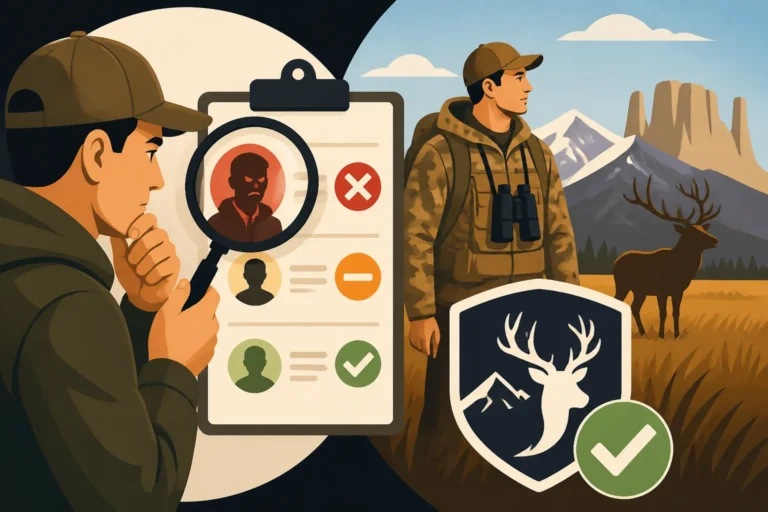
First, ask for their Wyoming Outfitter's License number. Don't just take their word for it; verify it. You can usually do this through the Wyoming Board of Outfitters and Professional Guides. A quick call or check on their official website can confirm the outfitter's current standing. This board is in place to ensure ethical practices and protect clients, so use it as a resource. An outfitter who hesitates or can't readily provide this information is a massive red flag. Next, inquire about their bonding. This bond provides a layer of financial protection for clients in case the outfitter fails to fulfill their contract. It's another safeguard for your deposit and any payments you make. Finally, ask about their insurance coverage. Reputable outfitters carry liability insurance to cover unforeseen accidents or injuries that might occur during your hunt. While you always hope for a safe trip, accidents can happen, especially in the rugged backcountry. Knowing they're adequately insured shows responsibility and preparedness on their part, giving you peace of mind that you're not left in a lurch if something goes wrong.
Understanding the Hunt Type: Fully Guided, Drop Camp, or Semi-Guided?
Not all "guided hunts" are created equal, and understanding the distinctions is crucial for managing your expectations and budget. You need to know exactly what level of service you're signing up for.
A fully guided hunt typically means a guide is with you every step of the way, from morning coffee to evening campfire, actively hunting alongside you, spotting game, calling, and often helping with field dressing and packing out. This is generally the most expensive option but offers the highest level of support and expertise. It’s ideal for hunters new to the area, those looking for a truly immersive experience without the logistical headaches, or non-residents hunting in designated wilderness areas where a guide is legally required. For example, knowing The Wilderness Guide Rule for Elk Hunters can clarify if a fully guided hunt is your only option in certain areas.
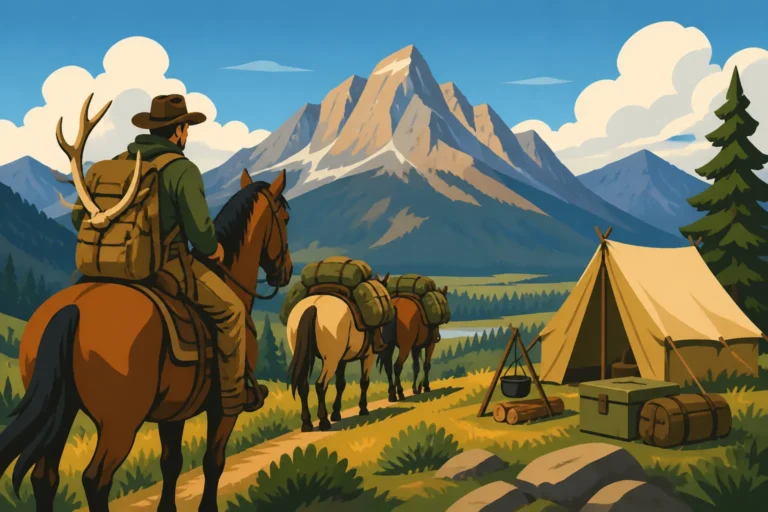
Drop camps, on the other hand, are for hunters who want the backcountry experience and independence but need help getting deep into the wilderness. The outfitter packs you, your gear, and your food (or their provided food) into a remote camp, often on horseback, and then leaves you to hunt on your own. They'll return at a pre-arranged time to pack out your harvest and your camp. This is a more affordable option than fully guided but requires more self-reliance and hunting savvy from your group. You’ll need to be comfortable with navigation, scouting, and all aspects of the hunt without a guide present. You are responsible for your own hunting decisions once dropped off.
Then there are semi-guided hunts, which can be a bit of a hybrid and vary widely between outfitters. This might mean the outfitter provides a camp, meals, and general advice on where to hunt, but you do the actual hunting on your own or with your hunting partners. They might help with transportation to and from hunting areas each day or assist with game retrieval once an animal is down. It's less hands-on than a fully guided hunt but offers more support than a drop camp. Always get a crystal-clear explanation of what "semi-guided" entails from a specific outfitter, because the definition is quite fluid and you don't want any surprises when you arrive.
Deep Diving into the Hunt Details: What to Expect in the Field
Once you’ve confirmed the legitimacy of the operation and the type of hunt, it's time to dig into the nitty-gritty of the actual hunting experience. This is where you align your personal goals and expectations with what the outfitter can realistically deliver.
Species and Success Rates: Realistic Expectations
Every hunter wants a successful hunt, but "success" can mean different things. For some, it's filling a tag; for others, it's the experience itself. You need to understand the outfitter's historical success and how they define it.
Ask about their success rates for the specific species you're targeting – be it elk, mule deer, antelope, or bear. Don't just ask for a general percentage; inquire about bull elk versus cow elk success, or mature buck success versus any buck. A 90% success rate on "any elk" might mean a lot of cow hunts, which is fine if that's what you're after, but misleading if you're holding out for a trophy bull. Also, ask how they calculate their success rates. Is it opportunity rate (seeing game)? Kill rate (tag filled)? Or a combination? Many outfitters keep detailed records, and a good one will be transparent with this information. Remember, no reputable outfitter will guarantee a kill; ethical hunting isn't a sure thing. If someone promises you an animal, that's another red flag. Instead, look for an outfitter that emphasizes opportunity and fair chase. You can also leverage resources like GoHunt to look at draw odds for specific units, giving you an independent perspective on the difficulty of securing a tag for a particular area, which often correlates to the quality of the hunting experience.
Additionally, discuss the typical size or age class of animals clients usually harvest. Are they known for big bulls and bucks, or more for meat hunts? This can heavily influence your decision if you have specific trophy aspirations. For example, if you're hoping for a record-book mule deer, an outfitter specializing in high-volume antlerless hunts might not be the best fit. Consider that the region of Wyoming, combined with the tag type, heavily influences what you can expect. For instance, in areas with strict antler point restrictions, you might be passing on younger bucks, whereas a general tag in other units might offer more flexibility.
The Terrain and Physical Demands: Are You Ready?
Wyoming is rugged, beautiful, and demanding. A hunt here is often physically challenging, and you need to be honest with yourself about your fitness level.
Inquire about the typical terrain you'll be hunting. Will it be high-elevation mountains, rolling sagebrush hills, dense timber, or a mix? Are there steep climbs involved daily? What kind of elevation gain and loss can you expect? Knowing this helps you prepare adequately. For example, if you're targeting high-country elk, you'll need to prepare for significant altitude and strenuous climbs, which is very different from still hunting flat river bottom areas for whitetail. Ask about the average daily mileage you might cover on foot or horseback. Some hunts might involve covering 5-10 miles a day, while others might be more sedentary, focused on glassing from a strategic position. Outfitters will often have detailed maps or even photos of their hunting areas they can share to give you a visual idea of what to expect. This also impacts the gear you'll need – a multi-day backpack hunt in steep country requires different planning than a day hunt from a comfortable lodge. It's smart to ask about the outfitter's expectations for client fitness; a good outfitter wants you to succeed and will be honest about what it takes to perform well in their specific hunting environment.
Camp Life and Logistics: Beyond the Hunting Itself
The hunt isn't just about the moments you're chasing game; it's also about where you sleep, what you eat, and how you recharge for the next day. These details significantly impact your overall experience.
Ask about the type of camp facilities. Will it be a remote wall tent camp with cots and wood stoves, a lodge with private rooms and hot showers, or something in between? Understanding the accommodations helps you pack appropriately and manage expectations for comfort. What are the sleeping arrangements like? Do you get your own tent or share with others? How about sanitation and hygiene – are there designated latrines, or even shower facilities in more permanent camps? Food is another big one. Will meals be home-cooked and hearty, or more basic fare? Are specific dietary restrictions accommodated? These might seem like small details, but after a long, cold day of hunting, a warm, delicious meal and a comfortable place to sleep can make all the difference. Also, inquire about communication in camp. Is there cell service, or will you need a satellite phone or inReach device for emergencies or to connect with family? In many remote Wyoming wilderness areas, cell service is nonexistent, making a satellite communicator almost a necessity. Finally, discuss how many hunters are typically in camp at one time, and what the overall atmosphere is like. Some people prefer a quiet, intimate camp, while others enjoy a more social environment.
Financials and Contracts: Getting Everything in Writing
Money talks, and when it comes to booking a hunt, you need to ensure every financial detail is crystal clear and documented. Surprises in this department are rarely good ones.
Deposits, Payments, and Cancellation Policies
Understanding the financial obligations and what happens if plans change is paramount. You're likely putting down a significant chunk of change well in advance.
Ask about the deposit amount and when it's due. Most outfitters require a substantial deposit to secure your spot, often 50% or more, payable months or even a year in advance. Then, inquire about the payment schedule for the remaining balance. Is it due 30, 60, or 90 days before the hunt? What payment methods do they accept (check, credit card, wire transfer)? Perhaps the most crucial discussion is around their cancellation and refund policy. What happens if you have to cancel due to an emergency? What if the outfitter has to cancel for unforeseen circumstances, like a wildfire, severe weather, or personal issues? Will your deposit be fully refunded, partially refunded, or rolled over to a future year? This is especially critical if you're applying for a coveted limited-quota tag; if you don't draw, can you get your deposit back or defer it? Some outfitters offer a refund only if they can rebook your spot. Always get these terms in writing in a signed contract. This protects both you and the outfitter. It's also wise to consider travel insurance or "hunt insurance" that can cover lost deposits or trip interruptions, especially for high-value hunts.
What's Included (and What's Not): Avoid Surprises
The listed price for a hunt often doesn't cover everything, and assuming it does can lead to unexpected costs and frustration. You need to know the full financial picture.
Go through a detailed list of what's explicitly included in the hunt price. Does it cover food, lodging, guide services, and field transportation? What about airport pickup and drop-off, if applicable? Then, just as important, ask what is not included. Common exclusions are hunting licenses and tags (which you often need to draw or purchase separately, and at a considerable cost for non-residents, as seen in Wyoming Nonresident Tags Run $326 to $1,965), gratuities for guides and camp staff, meat processing, taxidermy, and shipping of meat or trophies home. These additional costs can add hundreds, if not thousands, of dollars to your total trip budget. For example, if you plan to get your animal taxidermied, inquire if the outfitter has preferred taxidermists or if they can assist with caping and initial care for the hide and antlers. Also, if there are any "trophy fees" for harvesting an animal of a certain size, you need to know that upfront. Some outfitters charge extra for exceptional animals, which can come as a shock if not discussed beforehand. Don't be shy about asking for an itemized list of potential additional costs; a good outfitter will appreciate your thoroughness.
Guide Experience and Ethical Practices: Trusting Your Team
Your guide is your partner in the field, your teacher, and often your lifeline. Their experience, professionalism, and adherence to ethical practices are crucial to a successful and enjoyable hunt.
Guide Qualifications and Hunter-to-Guide Ratio
Your guide’s expertise directly impacts your hunting success and safety. You want someone who knows the land, the animals, and how to keep you safe.
Inquire about the experience of the guides who will be taking you out. How long have they been guiding in Wyoming, and specifically in the hunt unit you'll be in? Do they specialize in certain species or types of hunting (e.g., archery, rifle, spot-and-stalk, calling)? Will you have the same guide for the entire trip, or will it be a rotation? This continuity can be important for building rapport and understanding hunting patterns. For non-residents, especially in wilderness areas, it's particularly vital to know that Wyoming has specific regulations regarding guide-to-hunter ratios, often stipulating Wyoming Requires One Guide for Every Two Nonresident Hunters. This ensures adequate supervision and a quality experience. Also, ask if the guides are first aid or CPR certified, which is a significant plus in remote environments where medical help might be hours away. A knowledgeable and experienced guide is your greatest asset in the field, and you have every right to feel confident in their abilities.
Fair Chase and Local Regulations: Staying Legal
Ethical hunting is at the core of our tradition, and you want an outfitter who upholds the highest standards and operates strictly within the law.
Ask about their approach to fair chase hunting. Does the outfitter emphasize ethical hunting practices, such as ensuring clean kills, proper game retrieval, and respecting wildlife? Do they primarily hunt public land, private land, or a combination? This can affect the hunting style and pressure you might encounter. It's also important to ensure they are fully compliant with all Wyoming hunting regulations. This includes rules on legal shooting hours, weapon restrictions, and tagging requirements. For example, knowing Wyoming Legal Shooting Hours for Big Game is critical, and you want to be sure your guide operates strictly within those parameters. Discuss how they handle wounded animals – their policy for tracking and retrieving an animal that might not go down immediately. A good outfitter will prioritize recovering every animal. Finally, ask about their stance on things like electronic calls or baiting, making sure their practices align with both Wyoming law (where some are restricted for big game) and your personal ethical compass.
References and Reputation: Due Diligence is Key
In today's interconnected world, you have tools at your disposal to research an outfitter's reputation. Don't underestimate the power of past client experiences.
Asking for Past Client References
Direct feedback from previous hunters is one of the most valuable resources you have. It gives you a firsthand account of what it's like to hunt with a particular outfitter.
Always ask for a list of recent references – ideally, from hunters who hunted the same species and type of hunt you're interested in, within the last year or two. A reputable outfitter will gladly provide several contacts. When you call these references, ask specific questions: Was the outfitter responsive and professional? Was the camp as described? How was the food? How experienced was the guide? Did they feel safe? Was the hunt challenging, and did they have opportunities at game? What was the biggest challenge they faced, and how did the outfitter handle it? Pay attention not just to their answers, but also to their enthusiasm and tone. If you get a lukewarm response or feel like something is being held back, that's a signal to dig deeper. If an outfitter refuses to provide references, or only offers vague contacts, that's a major red flag and you should walk away. Platforms like BookYourHunt can also serve as a starting point, offering reviews and direct ways to connect with outfitters, but always follow up with direct reference calls.
Reading Reviews and Checking Online Presence
Beyond direct references, the internet offers a wealth of information, but it requires a discerning eye.
Check for online reviews on various platforms. Look beyond just the glowing five-star reviews; sometimes, a balanced mix of reviews, including some constructive criticism, can paint a more realistic picture. Pay attention to how the outfitter responds to negative feedback – a professional response addressing concerns is a good sign, while a defensive or aggressive one is not. Don't rely on just one source; check multiple forums, hunting communities, and social media pages. While some online reviews can be faked or exaggerated, a consistent pattern of positive or negative feedback across different platforms usually indicates a legitimate reputation. Also, take a look at their website and social media presence. Is it professional and up-to-date? Do they share recent photos of successful hunts and happy clients? An outfitter's online persona can tell you a lot about their communication style, values, and how they present their business to the world. Remember to take everything with a grain of salt, but use these resources as pieces of a larger puzzle in your due diligence.
Essential Questions Checklist
To make your research easier, here's a quick checklist of the critical questions to ask your prospective Wyoming outfitter. Bring this list with you when you call or email!
| Category | Key Questions to Ask |
|---|---|
| Outfitter Legitimacy | What is your Wyoming Outfitter's License Number? Are you bonded and insured? Can you provide proof? What type of hunt is this (fully guided, drop camp, semi-guided)? |
| Hunt Specifics | What are your success rates for Target Species in Hunt Unit? How are these calculated (opportunity vs. harvest)? What is the typical terrain and physical demand of this hunt? (Elevation, mileage, steepness?) What are the camp facilities like (tent, lodge, amenities)? What are the sleeping arrangements? What kind of meals can we expect? Can you accommodate dietary restrictions? What is the communication plan in camp (cell service, satellite)? |
| Financial & Contractual | What is the total cost of the hunt? What is the deposit amount and when is it due? What is the payment schedule for the remaining balance? What payment methods are accepted? What is your cancellation and refund policy, especially if I don't draw a tag? (Get this in writing!) What is included in the price, and what additional costs should I expect (licenses, tags, processing, taxidermy, tips, travel)? |
| Guide & Ethics | What is the experience level of the guides, and how long have they guided this unit? What is the hunter-to-guide ratio for this hunt? Are your guides first aid/CPR certified? What is your philosophy on fair chase? How do you ensure legal hunting practices? How do you handle wounded game? |
| References & Reputation | Can you provide a list of 3-5 recent references who hunted Target Species with you in the last 1-2 years? Where can I find online reviews or testimonials about your operation? |
By asking these comprehensive questions, you're not just seeking information; you're evaluating a potential partnership. A good outfitter will welcome your thoroughness and openly provide the answers you need. This process empowers you to make an informed decision, leading to a much more satisfying and memorable Wyoming hunting adventure.
Disclaimer
This article is for general informational purposes only and does not constitute professional advice. Laws, prices and regulations vary by location and change over time. Consult a qualified professional for guidance on your specific situation.