How Much Riding Ability a Horseback Hunt Needs
Hunting Wyoming's vast, rugged backcountry often calls for a trusty steed, especially when you're headed deep into wilderness areas or trying to cover serious ground. But let's be honest, for many of us, our "riding experience" might be limited to a gentle nose-to-tail trail ride on a dude ranch. The reality of a horseback hunt is a whole different ballgame, and underestimating the riding skills needed can turn an epic adventure into a miserable, or even dangerous, ordeal. This guide is here to help you realistically assess your riding ability and understand what's truly expected when you saddle up for a backcountry hunt in the Cowboy State.
Understanding the Reality of a Wyoming Horseback Hunt
When you envision a horseback hunt, you might picture yourself gracefully trotting through alpine meadows, effortlessly glassing for game. The truth, however, is often far more gritty and demanding. This isn't a leisure activity; it's a vital part of your hunting strategy, and your horse is a working partner, not just a ride.
More Than Just a Leisurely Ride
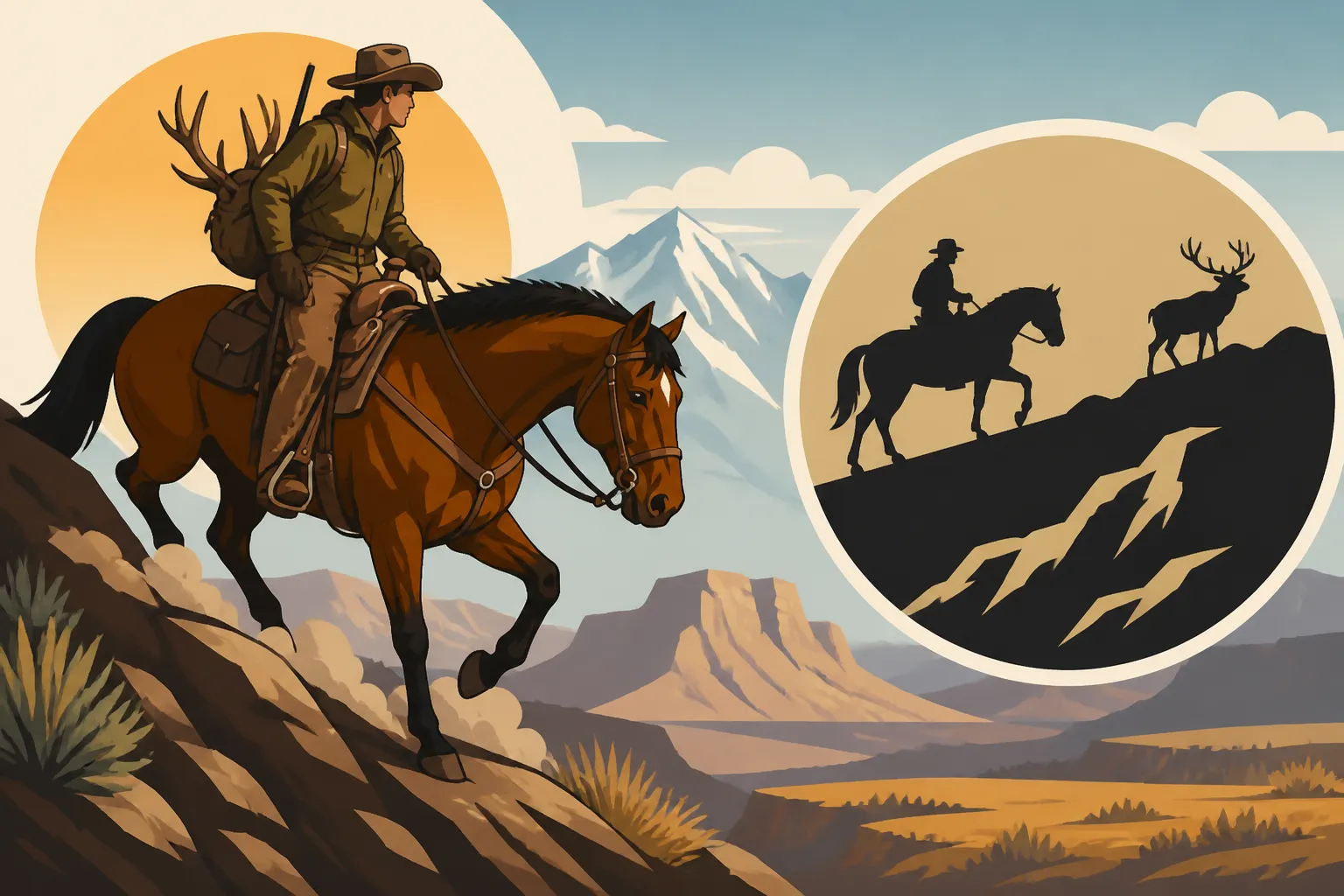
Forget those hour-long, single-file trail rides where the horse practically knows the way better than the guide. A hunting horse is expected to carry you and sometimes heavy gear through some seriously challenging terrain. We're talking steep inclines and declines, rocky streambeds, dense timber that requires ducking and weaving, muddy bogs, and slick snow-covered trails. The pace might be slow and methodical, but it's physically taxing. You're constantly bracing, balancing, and using core muscles you didn't even know you had, all while staying alert for game.
The weather adds another layer of complexity. You could be riding in pouring rain, driving snow, or bitter cold. Your hands might be numb, your body stiff, but you still need to maintain control and awareness. A horse can spook at a sudden sound, a strange scent, or a shadow, and you need to be able to react calmly and effectively to keep yourself and your gear safe. It's about being an active participant in controlling a powerful animal, not just a passenger.
The Physical Demands Beyond Riding
While riding itself demands a certain level of physical fitness—especially in your core, hips, and legs—a horseback hunt asks even more of you. You won't just be sitting in the saddle for hours on end. There will be times when you need to dismount quickly, whether it's to stalk an animal, lead your horse through a particularly gnarly section of trail, or even help a buddy with a pack. Imagine trying to throw your leg over a saddle to dismount on a steep sidehill while your hands are numb from the cold and you have a rifle slung over your shoulder.
Then there's the work off the horse. If you're successful, you'll be field dressing an animal, potentially quartering it, and then packing heavy loads onto your horse or a pack string. This often happens on uneven ground, at altitude, and after a long day of riding and hunting. You'll need the endurance to climb steep trails on foot, sometimes leading your horse, and the strength to handle the physical labor that comes with a kill. It's truly an all-encompassing physical challenge, and it's why we always stress the importance of Physical Conditioning for a Mountain Hunt long before you arrive.
Assessing Your Current Riding Ability
Being honest with yourself about your riding experience is crucial for both your safety and enjoyment. Many people overestimate their abilities, which can lead to uncomfortable situations or even put the outfitter's horses and staff at risk.
Beginner, Intermediate, or Advanced?
Let's break down what these terms typically mean in the context of a hunting trip:
- Beginner Rider: You have little to no experience with horses. You might have ridden a few times on a gentle, guided trail, where the horse practically rides itself. You're likely nervous, lack confidence in controlling the animal, and probably wouldn't know what to do if the horse suddenly stopped or tried to go off-trail. You’re mainly concerned with staying on.
- Intermediate Rider: You've spent a fair amount of time in the saddle, perhaps through recreational riding or occasional lessons. You're comfortable at a walk and trot, can steer the horse where you want it to go (most of the time), and have a basic understanding of cues. You might feel a bit rattled by sudden movements but can generally regain control. You can mount and dismount without too much trouble on level ground.
- Advanced Rider: You're highly experienced and confident on horseback. You can control a horse at all gaits, navigate challenging terrain, and handle a variety of situations, including a spooky horse or an unexpected obstacle. You understand horse behavior, can assess a situation quickly, and are comfortable riding for long hours. You can even manage a horse with one hand while holding other items.
It's vital to think about where you genuinely fall on this spectrum. Don't let pride get in the way of an honest assessment.
Evaluating Your Comfort Level and Control
Beyond just definitions, consider these practical questions:
- Can you confidently mount and dismount your horse multiple times a day, even on uneven ground, while wearing bulky hunting clothes and perhaps carrying a backpack or rifle? This isn't a controlled arena setting; you'll be doing this in the wilderness.
- Can you guide your horse precisely through narrow gaps in timber, over fallen logs, or around treacherous rocks, without constantly pulling on the reins or bumping into other horses? Good control means minimal effort.
- How do you react if your horse suddenly spooks, perhaps at a grouse bursting from the brush or an elk breaking cover? Do you freeze, panic, or can you quickly regain control and calm the animal?
- Can you sit comfortably in the saddle for several hours straight, maintaining balance and awareness, without becoming overly fatigued or sore? A full day's ride can easily be 6-8 hours, sometimes more.
- Are you able to manage your horse with one hand if needed, perhaps while using binoculars or holding your rifle? This is a common requirement for quick glassing or getting ready for a shot.
Outfitters rely on your honest answers when assigning horses. They want to pair you with a mount that matches your skill level, ensuring both your safety and the success of the hunt. If you're using services like BookYourHunt or GoHunt to research outfitters, make sure to read client reviews for any mention of the horses and the riding difficulty, and then follow up with direct questions to the outfitter.
Practical Skills and Experience You'll Need
While an outfitter will always provide good, reliable horses and experienced guides, they expect you to have a baseline of skills to handle your part of the equation. This isn't about being a professional equestrian, but about being a competent and safe hunter on horseback.
Controlling Your Mount in Challenging Situations
One of the biggest differences between a trail ride and a hunting trip is the unpredictable terrain. You'll often be riding single file, but also traversing sidehills where the horse is leaning into the slope, crossing icy or swift-moving streams, and picking your way through dense timber where branches grab at your clothes and gear. You need to be able to:
- Steer effectively: Use neck reining (if trained) or direct reining to guide your horse precisely, not just generally. This includes making tight turns around trees or rocks.
- Manage speed and gait: While most hunting is done at a walk, you might need to briefly trot to catch up, or hold your horse back on a downhill descent.
- Maintain balance: Consistently shift your weight to stay centered and balanced, especially on uneven terrain. This helps the horse maintain its footing and prevents you from becoming a dead weight.
- Handle surprises: Be prepared for a horse to stumble, jump a log, or react to wildlife. A calm, responsive rider can prevent a minor incident from becoming a serious fall.
Remember, your guide is focused on the hunt and the safety of the entire group. They can't constantly babysit a rider who struggles with basic control.
Managing Gear and Your Rifle While Mounted
A hunting trip means you're carrying essential gear, and often your rifle, on or with your horse. This adds another layer of skill requirements. Most outfitters provide reliable scabbards for rifles, but you need to know how to properly secure and remove your firearm safely.
- Scabbard proficiency: Practice putting your rifle in and out of a scabbard, ensuring it's secure but accessible. You don't want to fumble with it when a quick shot opportunity arises.
- Accessing saddlebags: You'll likely have water, snacks, and small essentials in saddlebags. Can you reach these items without dismounting or disrupting your horse's movement?
- Quick dismounts: If your guide spots game and tells you to dismount for a shot, you need to be able to get off your horse smoothly and quietly, ready to act. This often means dismounting on a sidehill or in thick cover, which requires practice.
It's a dance between rider, horse, and gear, and all elements need to work together seamlessly. Your outfitter will likely send you The Gear List Your Outfitter Will Send, and you should think about how each item will interact with your riding.
Horse Care and Horsemanship Basics
While your outfitter and guides will handle the bulk of horse care, a basic understanding of horsemanship shows respect for the animals and can make your trip smoother. You won't be mucking stalls, but knowing a few things helps.
- Reading horse behavior: Learn to recognize signs of a nervous horse, one that's tired, or one that's about to relieve itself. This helps you anticipate and avoid issues.
- Leading a horse: You'll frequently lead your horse up or down steep, rugged sections where riding isn't safe or practical. This requires holding the lead rope correctly, walking at an appropriate pace, and keeping the horse behind or beside you, not running ahead or dragging.
- Basic knots: Knowing how to tie a simple lead knot can be invaluable if you need to secure your horse for a break or while tending to game.
- Respect for the animal: Horses are powerful, sensitive creatures. Treat them with patience and respect, and they'll likely treat you kindly in return. A good guide or outfitter (like those often reviewed on platforms such as BookYourHunt) will appreciate a client who understands and respects their animals.
Preparing for Your Wyoming Horseback Hunt
Once you've made the decision to embark on a horseback hunt, the next step is preparation. This means actively working on your riding skills and physical fitness, and maintaining open communication with your outfitter.
Getting Riding Experience Before Your Trip
Don't wait until you get to Wyoming to realize you're rusty or inexperienced. Start practicing now!
- Take lessons: If you're a beginner, a few basic western riding lessons can build a foundation of control and confidence. Even intermediate riders can benefit from lessons focused on specific skills like riding through obstacles or improving balance.
- Go on trail rides: Find local stables that offer guided trail rides. Opt for places that offer longer rides, not just short, tame loops. Ask if you can ride different horses to get a feel for various temperaments. The more time you spend in the saddle, the better.
- Practice with gear: If possible, try riding with a backpack similar to what you'll wear hunting. See how it affects your balance and comfort. You could even practice mounting with a simulated rifle in a scabbard (empty, of course) to get a feel for the motion.
- Simulate conditions: If you can, ride on uneven ground, up and down hills. The goal is to make riding second nature so you can focus on the hunt itself. For those looking for serious backcountry experiences, researching Pack String Outfitters Working in Wyoming might give you an idea of the type of riding involved.
Communicating with Your Outfitter
Your outfitter is your partner in this adventure, and they want you to have a safe and successful hunt. Be completely transparent about your riding experience (or lack thereof) when you book your trip.
- Be honest: Don't exaggerate your skills. It's far better for an outfitter to know you're a beginner and assign you a very gentle, steady horse than for them to put you on a more spirited mount and have issues on the trail.
- Ask specific questions: Don't be shy about asking your outfitter about the average daily riding distance, the steepness of the terrain, and what kind of horses they use. Ask about their expectations for client riding ability. Use a structured approach like Questions to Ask a Wyoming Outfitter to ensure you cover all your bases.
- Discuss any concerns: If you have specific anxieties about heights, water crossings, or long days in the saddle, bring them up. A good outfitter will work with you to make you as comfortable and safe as possible. Some outfitters even offer pre-hunt horsemanship clinics or specific advice. You might even find some useful information on reputable hunting platforms like GoHunt that provide outfitter details and reviews.
Remember, a good outfitter prioritizes safety above all else. They understand that most hunters aren't professional cowboys, but they need clients who can confidently handle themselves on a horse in challenging environments.
Physical Fitness Beyond Riding
Even if you're an accomplished rider, a horseback hunt in Wyoming is physically demanding. You're often at high altitude, meaning every physical exertion feels amplified.
- Cardiovascular endurance: Long days in the saddle, followed by potential hiking or packing, require a strong heart and lungs. Incorporate activities like hiking, running, or cycling into your routine.
- Core and leg strength: These are vital for maintaining balance in the saddle and for navigating difficult terrain on foot. Squats, lunges, and core exercises are your friends.
- Altitude preparation: If you're coming from sea level, Wyoming's mountains will hit you hard. While riding spares you some of the walking, the thin air still impacts your energy. Researching Preparing for Altitude on a Wyoming Hunt is a critical step to ensure you're as ready as possible.
- Overall stamina: Hunting often means early mornings, late nights, and broken sleep in camp. Being well-rested and in good physical shape will help you endure the physical and mental rigors of the hunt.
In summary, a horseback hunt in Wyoming offers an incredible, authentic backcountry experience, but it's not for the faint of heart or the unprepared rider. Put in the time to practice your riding, build your physical fitness, and communicate openly with your outfitter. Do this, and you'll be well on your way to a memorable and successful adventure.
Disclaimer
This article is for general informational purposes only and does not constitute professional advice. Laws, prices and regulations vary by location and change over time. Consult a qualified professional for guidance on your specific situation.