Wyoming Elk Draw Results Come in May
The period between hitting "submit" on your Wyoming elk application and actually seeing those draw results post can feel like an eternity. It’s a time filled with nervous anticipation, daily checks of the Wyoming Game and Fish Department website, and an endless stream of "what ifs." This guide is designed to walk you through exactly when those coveted Wyoming elk draw results typically come in, what to expect, and how to interpret them, helping you plan your next steps whether you're celebrating or strategizing for next year.
Understanding the Wyoming Elk Draw Timeline
Applying for an elk tag in Wyoming is a multi-step process, and the waiting game is arguably the hardest part. Once your application is in, all you can do is hold your breath and hope. Knowing the typical timeline can at least alleviate some of the mystery, even if it doesn't make the wait any shorter.
The Anticipation Leading Up to May
If you’re a nonresident hoping to chase a bull or cow elk in the Cowboy State, you’re already familiar with the early bird nature of the elk application process. For nonresidents, the application deadline for elk typically falls in early February. That means you’re submitting your dreams and your dollars months before the hunting season even begins, sometimes even before the snow truly melts off the high country.
Once that deadline passes, a different kind of season starts: the waiting season. You've probably spent countless hours pouring over maps, researching units, and discussing strategies with hunting buddies. The weight of that application, and the significant financial commitment, settles in. Everyone who has applied knows that feeling of constantly checking their email or the Wyoming Game and Fish website, just in case the results came out early. It's a common frustration, especially when other states might have different timelines. Rest assured, those agonizing weeks between February and May are a rite of passage for many hopeful Wyoming elk hunters. It's a testament to how badly we want to experience a hunt in this incredible state.
Official Notification and How it Works
The big moment for Wyoming elk applicants typically arrives in mid-May. This is when the Wyoming Game and Fish Department officially posts the results of the elk draw. While there might be some minor fluctuations year to year, May has consistently been the month for elk. You'll often see news releases from Game and Fish confirming the exact date as it approaches, but keeping the third week of May in mind is a good general guideline.
When the results are live, you'll need to log into your Wyoming Electronic Licensing System (ELS) account on the Wyoming Game and Fish Department website. While the department does send out email notifications, sometimes those can be delayed or end up in spam folders, so logging in directly is often the quickest and most reliable way to get the news. It's truly a heart-pounding moment as you navigate to the "Draw Results" section. For many, it's a nervous scroll down the page, hoping to see a "Successful" status next to their elk application. If you haven't already, take some time to set up your Wyoming ELS Account to make sure everything is in order before draw results day. Having a smoothly functioning account is crucial for not only checking results but also for any future applications or purchases.
Deciphering Your Draw Results
The moment of truth arrives, and you're staring at your computer screen. What you see next will dictate your immediate hunting plans for the year, and potentially your long-term strategy for future Wyoming adventures.
The Thrill of Success: What a Successful Draw Means
Congratulations! If you see "Successful" next to your elk application, a wave of excitement, relief, and perhaps a touch of disbelief will likely wash over you. This means you’ve officially drawn one of Wyoming’s coveted elk tags. The next step is usually to access and print your license directly from your ELS account. Make sure to double-check all the details – the hunt area, the license type (Type 1 for an any-elk, for example, or a cow-calf tag like a Type 6 or Type 9), and the season dates. These are critical pieces of information for your hunt planning. You can find detailed explanations of these licenses on the department's website, including what specific animals a Type 6 Elk License covers or how a Type 1 Elk License allows you to hunt any legal elk during the season.
With a tag in hand, the real fun of planning begins. Now you can confidently start booking travel, scouting your unit, and dialing in your gear. Remember that your license is tied to a specific hunt area and season dates, so familiarize yourself with the regulations for your chosen unit. This is also a good time to review how you'll handle your tag and carcass requirements once you've harvested an animal, ensuring you're fully prepared for the entire process, from shot to freezer.
The Disappointment of Unsuccessful Draws and Next Steps
Unfortunately, the reality for many nonresident elk applicants is an "Unsuccessful" status. This can be a real gut punch, especially after pouring so much time, effort, and hope into the application. It's totally okay to feel that frustration and disappointment; it's a natural part of the draw process for highly sought-after tags like Wyoming elk. However, an unsuccessful draw isn't the end of your Wyoming hunting dreams; it's just a redirection.
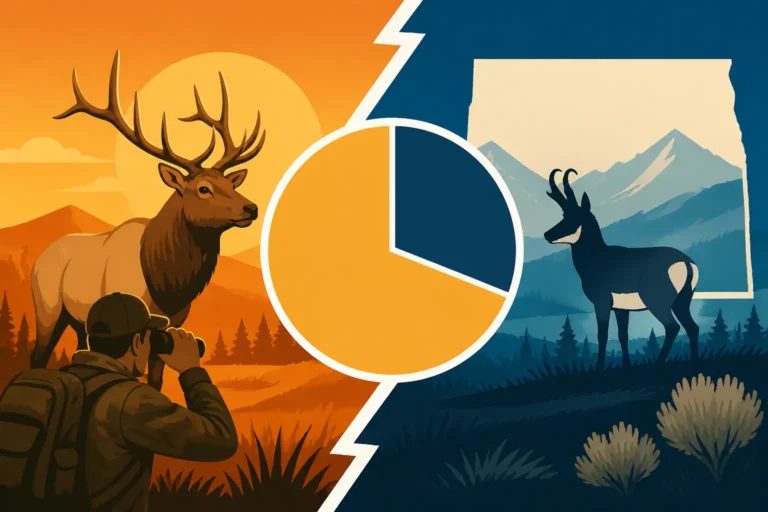
The good news is that if you applied for a preference point for elk and were unsuccessful, you will automatically be awarded a preference point for the next year. This is a critical component of Wyoming's draw system, which uses a 75 percent preference point and 25 percent random draw split to allocate tags. Every point you accumulate increases your odds in future draws. If you didn't apply for a point or weren't awarded one through the draw, you can still purchase a preference point during the separate point-only application window, typically from July through November. It's a strategic move that many hunters make to build points even if they aren't applying for a tag that year.
This unsuccessful draw is also an excellent opportunity to reflect and strategize. Did you apply for a unit that requires an incredibly high number of points, leading to a phenomenon known as point creep? Perhaps you looked at past draw odds, but those odds are always a moving target. Resources like GoHunt are invaluable for delving into detailed draw odds for specific units, analyzing success rates, and understanding how many points it takes to draw Wyoming elk tags in various areas. Knowing where point creep in Wyoming's Region G or other popular areas is most severe can inform your decisions for next year, helping you either adjust your expectations or commit to a longer-term point-building strategy.
Strategies for Navigating the Draw After Results
Whether you drew a tag or not, the draw results in May are just one checkpoint in your annual Wyoming hunting journey. There are still opportunities to explore and strategies to refine, especially for those who weren't successful.
Planning for Leftover and Secondary Draws
For hunters who struck out in the initial elk draw, all hope is not lost. Wyoming often has leftover tags available, which are typically offered in a separate "leftover" or "reissuance" draw. These tags become available because successful applicants didn't purchase their licenses, or Game and Fish might have underestimated demand for certain units or license types. This second chance usually takes place in late June, after the initial successful applicants have had their window to purchase their tags.
It's important to understand that leftover tags are usually for specific, often less popular, hunt areas or for antlerless-only licenses (cow or calf tags). While a bull tag in a premier unit is rare in the leftover draw, these antlerless tags can provide fantastic opportunities for meat hunting or for gaining valuable experience in a new area. Keeping an eye on the Wyoming Game and Fish Department website and their social media channels in early June is crucial for catching the announcement of available leftover tags and the application period. These tags are often highly sought after, even if they're for less desirable units, so you'll want to be ready to apply quickly when the window opens.
Reassessing Your Point Strategy for Future Years
The outcome of this year's draw, successful or not, should directly influence your strategy for next year. If you drew a high-demand tag, congratulations! You might need to start rebuilding your point bank. If you were unsuccessful, now is the time to carefully consider your preference point strategy. Are you committed to a particular unit that requires a significant number of points, understanding that it might take several more years? Or are you willing to explore units with lower point requirements to increase your odds of drawing sooner?
This introspection should involve a deep dive into draw odds data. Platforms like GoHunt provide comprehensive statistics that can help you gauge your chances. You can see how many points it takes to draw Wyoming elk in various units, how many applicants there were, and the success rates for different point levels. This data is invaluable for making informed decisions. Some hunters choose to apply for a tag every year, hoping for a random draw success, while simultaneously accumulating points. Others opt for a "points-only" strategy for several years, building up a substantial number of points before throwing their hat into the ring for a top-tier unit. There's no single right answer, and your strategy should align with your hunting goals and patience levels.
Comparing Elk Draw Results with Other Species
While elk might be the king of Wyoming's big game, it's worth understanding how their draw timeline fits into the broader picture of other species, especially if you're planning a multi-species hunt or haven't drawn an elk tag.
Deer and Antelope Draw Result Timelines
For many Western hunters, a Wyoming deer or antelope hunt is just as iconic as an elk hunt. The good news for those eager to know their fate for these animals is that their draw results follow a slightly different, usually later, schedule than elk. The application deadline for Wyoming deer and antelope typically falls on June 1st. This gives you a little more time to finalize your plans compared to the earlier elk deadline.
As a natural consequence of this later application deadline, the draw results for deer and antelope also come out later in the year, usually in mid-to-late June. So, if you're waiting on an elk tag in May and a deer or antelope tag in June, your spring and early summer can be a whirlwind of draw result notifications. Similar to elk, unsuccessful applicants for deer and antelope will typically accrue a preference point for each species, which aids in future draws. It's a system designed to give consistent applicants a better shot over time.
Once-in-a-Lifetime Species and Their Unique Draw Schedules
Beyond elk, deer, and antelope, Wyoming also offers incredible hunting opportunities for truly once-in-a-lifetime species like bighorn sheep, mountain goat, moose, and bison. These tags are exceptionally rare and, as you might expect, have their own distinct and often even earlier draw schedules. The application deadlines for sheep, goat, moose, and bison typically close much earlier, often by April 30th.
The draw results for these highly coveted tags also usually come out earlier than elk, often in late May or early June. These draws are often characterized by incredibly low odds, even with a high number of preference points (though moose and sheep have preference points, mountain goats are a pure lottery). The early application deadlines for these species mean that dedicated trophy hunters are often juggling multiple application periods across different states throughout the early spring, long before most hunters are even thinking about fall seasons. It’s all part of the complex, yet rewarding, dance of Western big game hunting.
Wyoming Big Game Draw Results Timeline
To help keep track of the various draw result dates, here's a general overview. Always double-check the current year's Wyoming Game and Fish Department regulations for exact dates, as they can shift slightly.
| Species | Application Deadline (Approx.) | Draw Results Posted (Approx.) | Preference Point System |
|---|---|---|---|
| Elk | Early February | Mid-May | Yes (75/25 split) |
| Bighorn Sheep | April 30th | Late May | Yes (90/10 split) |
| Moose | April 30th | Late May | Yes (90/10 split) |
| Mountain Goat | April 30th | Late May | No (Pure Lottery) |
| Bison | April 30th | Late May | No (Pure Lottery) |
| Deer | June 1st | Mid-to-Late June | Yes (75/25 split) |
| Antelope | June 1st | Mid-to-Late June | Yes (75/25 split) |
This table provides a quick reference, but remember, timing is everything. Staying informed through the official Wyoming Game and Fish Department channels, as well as trusted resources like GoHunt, is paramount to navigating the draws successfully.
Disclaimer
Please remember that hunting regulations, seasons, and draw dates can change. Always consult the official Wyoming Game and Fish Department website and current year regulations for the most accurate and up-to-date information before making any hunting plans or applications.