When Wyoming Antelope Rifle Season Opens
Hunting antelope in Wyoming can be one of the most exciting hunts you'll ever experience, but figuring out the exact rifle season opening dates can feel like trying to hit a speed goat at 500 yards with a slingshot – confusing and prone to frustration. You've got your sights set on those wide-open plains, but without knowing precisely when to hit the field, all that anticipation can turn into a logistical headache. This guide is here to clear up that confusion, walking you through exactly how Wyoming's antelope rifle season dates are set and, more importantly, how you can find the specific opening day for your chosen hunt area, ensuring you're ready when it's time to pull the trigger.
Unraveling Wyoming's Antelope Rifle Season Opening Dates
One of the biggest misconceptions about hunting in Wyoming is that there's a single, statewide opening day for a particular species. While that might be true in some smaller states, Wyoming is a vast, diverse landscape with incredibly detailed game management. When it comes to antelope rifle season, you absolutely cannot just pick a date and assume it's open everywhere. The truth is, the season dates for rifle hunting antelope vary significantly by hunt area, and understanding why is the first step in planning a successful hunt.
The Variability by Hunt Area
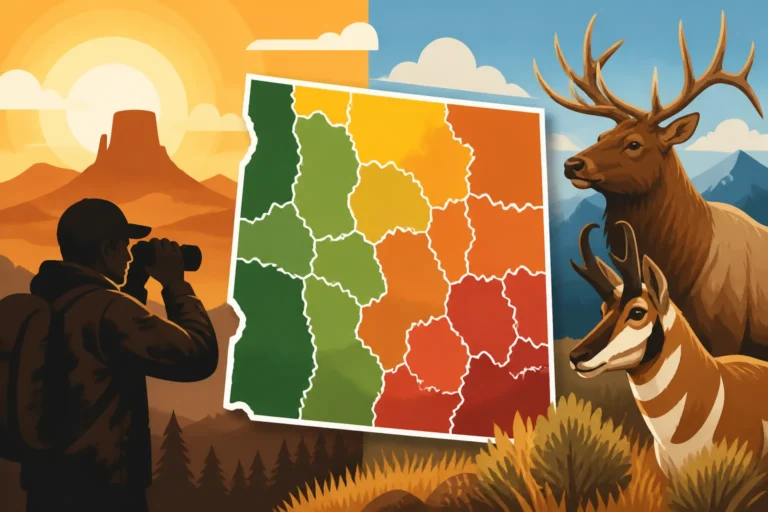
Imagine trying to manage a million-acre ranch as if it were a single backyard garden; it just wouldn't work, right? That's precisely why Wyoming doesn't have a universal antelope rifle opener. The Wyoming Game and Fish Department (WGFD) divides the state into numerous hunt areas, each with its own unique characteristics, herd health, population objectives, and hunter pressure. A hunt area near Casper might have a healthy, thriving antelope population that can sustain an earlier or longer season, while a unit closer to Rock Springs might be recovering from a tough winter or need more controlled harvest, resulting in a later or shorter season.
This localized approach allows WGFD biologists to manage antelope populations on a granular level, tailoring season lengths and bag limits to specific herd units. It ensures sustainable hunting opportunities for future generations. So, if your buddy drew a tag in one unit and told you his season opens September 20th, don't assume yours will too, even if you're hunting only 50 miles away. You really need to dive into the specifics of your tag and the unit it covers. Understanding Wyoming Antelope Unit Density can give you an idea of where populations are robust, which often correlates with longer or more flexible season dates. Conversely, areas where WGFD has Where Wyoming Proposed Higher Antelope Quotas might also see expanded opportunities or slightly different season structures to meet those harvest goals.
General Timelines and When to Expect Openers
While there isn't one universal opening day, there are general patterns you can expect for Wyoming's antelope rifle season. Typically, you'll see most rifle seasons for pronghorn antelope kicking off in late September or early October. This timing is strategically chosen for a few reasons: it allows for the conclusion of the archery season, it often coincides with the tail end of the antelope rut, and it aims to avoid the peak heat of summer while also beating the harshest winter weather.
For example, a quick glance at previous years' regulations might show some units opening as early as September 20th, especially in certain areas with high antelope numbers or specific management needs. More commonly, you'll find units opening around October 1st. These general season openers often run through mid-October, or even into late October for some units, giving hunters a decent window to pursue their animal. Specific dates often vary year to year, typically by a few days to a week, so relying on last year's regulations is a surefire way to get it wrong. It's truly a hunt-area-by-hunt-area determination that changes annually based on the latest biological data and management goals.
Finding Your Specific Hunt Area's Regulations
So, how do you navigate this patchwork of dates and pin down the exact opening day for your antelope tag? It all comes down to consulting the official sources, which, thankfully, are readily available. There's no guesswork involved if you know where to look.
The Official Wyoming Game and Fish Department Resources
Your absolute best, most reliable source for current and accurate season dates is the official Wyoming Game and Fish Department (WGFD) regulations. Every year, WGFD publishes its "Hunting Regulations" booklet for various game species, including antelope. This document is the law, and it details every hunt area, every license type, and every specific season date.
You can usually find these regulations in physical booklet form at WGFD offices, sporting goods stores, or even many gas stations across the state by mid-summer. However, the easiest and most up-to-date way to access them is online through the WGFD website. Just search for "Wyoming Game and Fish Antelope Regulations [Current Year]," and you'll find a downloadable PDF that is exhaustive. Within this document, you'll locate a section dedicated to antelope, often presented in a table format. You'll need to find your specific hunt area number (which is printed on your license) and then cross-reference it with the corresponding license type (e.g., Type 1, Type 6, Type 7) to see the exact opening and closing dates for rifle season. It’s also important to pay attention to details like Reading Wyoming's Type 1 Through Type 9 License Numbers, as different license types often have different season dates or even hunt different animals (buck only, doe/fawn, etc.) within the same hunt area.
Here's a simplified look at how season dates might generally align across different types of areas, though remember, actual dates are highly specific:
| Hunt Area Type/Location | Typical Rifle Season Opening | Duration | Notes |
|---|---|---|---|
| High Population/General Areas | Late September (e.g., Sept 25-Oct 1) | 3-4 Weeks | Often Type 1 (any antelope) tags, more flexible. |
| Management/Doe-Fawn Areas | Early October (e.g., Oct 1-Oct 5) | Shorter, Specific | Type 6, 7, 8 tags. Focused on antlerless harvest. |
| Remote/Less Accessible Units | Mid-September to Early October | Variable | Less pressure, may open earlier or run longer in some cases. |
| Later Rut/Specific Zones | Mid-October (e.g., Oct 10-Oct 15) | Shorter | May aim for post-rut behavior, or specific environmental factors. |
Utilizing Digital Tools for Planning and Research
While the official WGFD regulations are gospel, navigating a dense PDF can sometimes be a bit clunky, especially if you're trying to compare multiple units or just starting your research. This is where modern digital hunting tools truly shine. Platforms like GoHunt have revolutionized how hunters research and plan their trips, aggregating a wealth of information into user-friendly interfaces.
Tools like GoHunt typically pull directly from the official WGFD data, but they present it in a much more digestible format. You can often filter by species, season type, and even specific hunt units to quickly see opening and closing dates, draw odds, public land access, and more, all on one screen. This makes comparing units, understanding potential season overlaps, and just generally getting a feel for the hunting landscape much faster and more intuitive. For example, if you're eyeing a particular area but want to see its historical draw odds alongside its season dates, GoHunt provides that integrated perspective. It can be an invaluable asset, saving you hours of flipping through pages or cross-referencing different documents. Beyond private platforms, the WGFD also offers its own online resources like A Walkthrough of the Wyoming Hunt Planner, which provides an interactive way to explore regulations and maps.
Key Dates Beyond Just Opening Day
Knowing when the antelope rifle season opens is undoubtedly critical, but a successful hunt hinges on understanding a few other crucial dates that precede or run concurrently with the rifle season. These dates impact everything from your application strategy to your in-field tactics.
Archery Seasons and Application Deadlines
Before the first rifle shot echoes across the sagebrush, Wyoming's dedicated archery hunters have their shot at antelope. It's a completely different experience, focusing on getting incredibly close to these wary animals. In Wyoming, Wyoming Antelope Archery Opens Before Rifle, typically kicking off around August 15th and running through much of September. If you're considering hunting antelope with a bow, you'll need an archery license in addition to your regular antelope tag, and you'll need to adhere to the specific archery season dates for your unit. Sometimes, hunters with rifle tags will opt to hunt the archery season if they possess an archery stamp, giving them an earlier opportunity, but they must still abide by archery equipment regulations.
Even more foundational than season openers are the application deadlines. Before you can even think about an opening day, you need a tag! For most of Wyoming's big game species, including antelope, tags are allocated through a draw system. This means you need to apply well in advance. For both deer and antelope, Wyoming Deer and Antelope Applications Close June 1. Missing this deadline means you're out of luck for the primary draw, though sometimes leftover tags become available later. It's a hard deadline, so mark your calendar, set reminders, and make sure your application is in on time. Applying successfully also often involves accumulating preference points; understanding the Wyoming Antelope Preference Point Price Explained can help you strategize your long-term draw success.
Understanding Draw Results and Point Creep
After you've submitted your application by the June 1st deadline, the waiting game begins. It's a nerve-wracking period for many hunters, eagerly anticipating whether they've drawn one of those coveted tags. The good news is, you don't have to wait indefinitely. Wyoming Game and Fish Department sets specific dates for when draw results are posted, species by species. Knowing When Wyoming Draw Results Post, Species by Species is crucial because you can't truly plan your hunt until you know you have a tag in hand. For antelope, these results typically come out in mid-June.
Once you receive that exciting "successful" email, you can then verify your hunt area and specific license type against the regulations to pinpoint your exact rifle season opening date. If you're unsuccessful, it's a bummer, but it also means you've likely accrued a preference point, which helps for future applications. The concept of "point creep" is something many applicants grapple with, where the number of points needed to draw a desirable unit slowly increases each year. This is another area where platforms like GoHunt provide valuable insights, showing historical draw odds and the number of points needed to draw in various units, helping you apply strategically.
Crafting Your Strategy Based on Season Timing
The opening date of antelope rifle season isn't just a bureaucratic detail; it fundamentally shapes your hunting strategy. The conditions, the animals' behavior, and even the number of other hunters in the field can vary wildly between an early season opener and a later one. Understanding these differences allows you to tailor your approach for the best chance at success.
Early Season Hunting Advantages and Challenges
If your unit opens in late September, you're looking at what most consider the "early season" for antelope rifle hunting. One of the biggest advantages here is often the chance to catch the tail end of the antelope rut. While the peak rut is typically in mid-September, some of that breeding activity can extend into the early rifle season. Bucks will still be actively chasing does, pushing them into small groups, and engaging in territorial disputes. This heightened activity can make them a bit more predictable and, at times, distracted, offering unique opportunities. You might also find that the weather is generally milder, with pleasant daytime temperatures, though morning and evening can still be quite cool.
However, early season hunting comes with its own set of challenges. The landscape is often still quite green in spots, and antelope can be spread out across vast areas. More importantly, the warmer temperatures mean that field dressing and meat care are paramount to prevent spoilage. You'll need a solid plan for getting your animal cooled down quickly. Hunters might also find that Playing Wind Direction on an Open Sagebrush Stalk is even more critical in the early season when antelope are highly alert and less accustomed to hunting pressure. Being prepared with tactics like Decoy Setups That Pull Pronghorn Bucks can also be particularly effective during this period, as bucks are often more aggressive and responsive to challenges during or just after the rut.
Later Season Considerations for Antelope Hunters
As the calendar rolls into mid-October and beyond, you enter the later part of the antelope rifle season. The biggest shift you'll likely notice is a change in animal behavior. The rut is typically over, and antelope often settle into larger, mixed-sex herds. They might be more focused on feeding and preparing for winter, sometimes moving to different areas to find forage. The landscape itself will have changed, too; the green will have faded, and the sagebrush plains will take on more autumnal tones. This can make spotting animals easier against the muted backdrop.
Weather, naturally, becomes a much bigger factor in the late season. Expect colder temperatures, and be prepared for anything from crisp, sunny days to snow flurries. Dressing in layers and having reliable cold-weather gear is a must. The upside is that fewer hunters might be in the field, especially on weekdays, potentially offering a more serene hunting experience. You'll need to adapt your scouting to locate these larger herds, focusing on areas with good forage and water. Given the potential for harsher conditions and tougher animals, precision in shot placement and having practiced Field Judging a Pronghorn Buck From Distance becomes even more important to ensure a clean harvest and efficient recovery.
Disclaimer
Please note: Hunting regulations, season dates, and license requirements are subject to change. This guide provides general information and estimates based on typical Wyoming Game and Fish Department practices. Always consult the most current official Wyoming Game and Fish Department hunting regulations and specific hunt area information for the year you plan to hunt before making any plans or purchasing licenses. It is the hunter's responsibility to know and follow all applicable laws and regulations.