Sheep, Goat, Moose and Bison Close April 30 in Wyoming
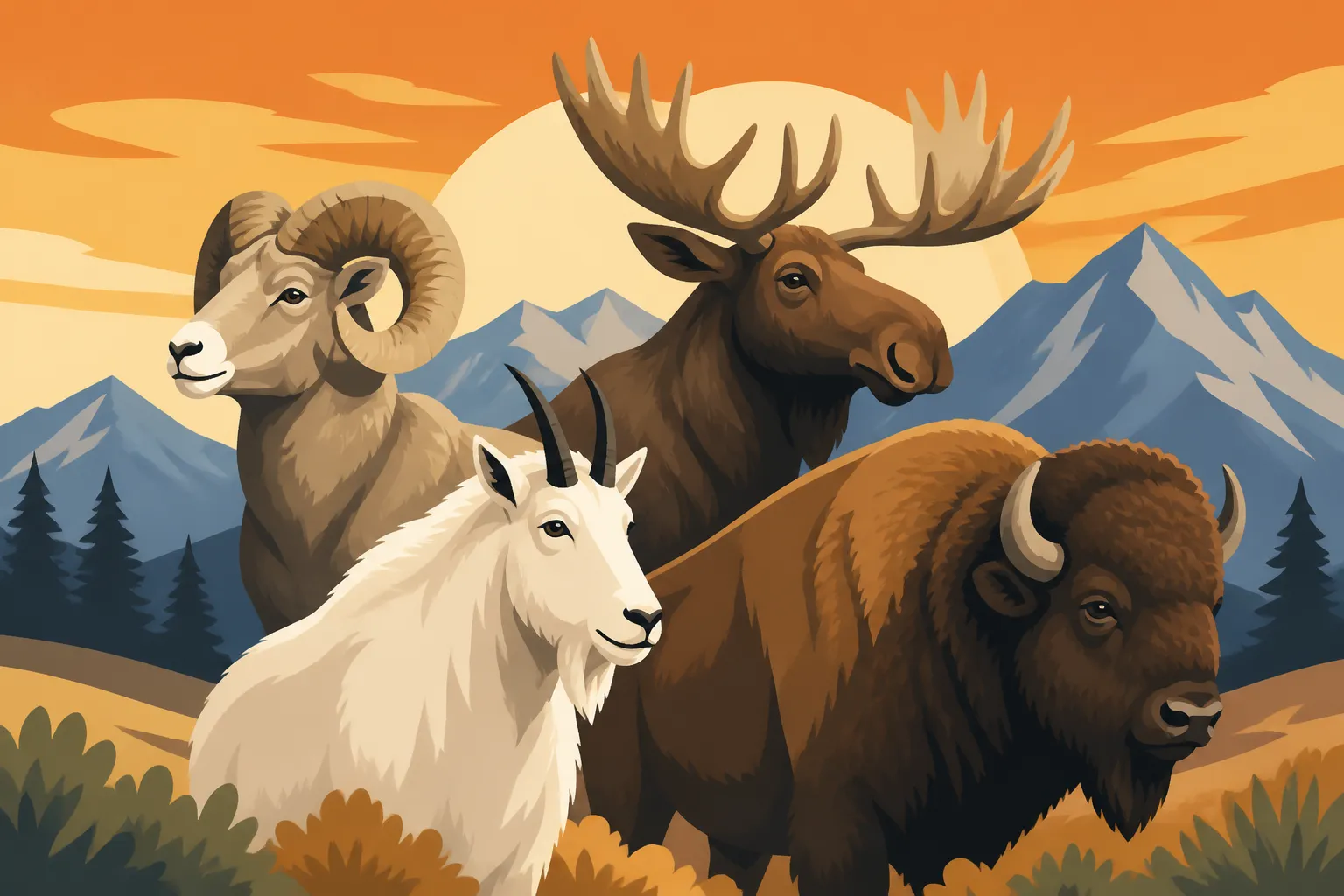
If you're dreaming of chasing big game in Wyoming, there’s a critical date looming that you absolutely cannot afford to miss: April 30th. This isn't just any old deadline; it's the cutoff for applying for some of the state's most sought-after and exclusive tags – we're talking bighorn sheep, mountain goat, moose, and bison. For many, drawing one of these licenses represents a true hunt of a lifetime, but missing the application window means waiting another year. This guide will walk you through everything you need to know to ensure your application is in on time and correctly filed.
Understanding Wyoming's Once-in-a-Lifetime Species Draws
Wyoming is home to some incredible wildlife, and certain species truly stand out as once-in-a-lifetime opportunities. Bighorn sheep, mountain goat, moose, and bison fall into this special category, not just because of their majestic presence, but because of the extreme rarity of drawing a tag. The application process for these animals is a unique beast, often governed by different rules and offering significantly lower odds than more common species like deer or antelope. It's a journey that starts long before the season opener, beginning with a deep dive into the draw specifics.
Why April 30th is a Critical Date
The April 30th deadline isn't arbitrary; it's strategically set by the Wyoming Game and Fish Department to manage the immense demand for these limited and highly coveted licenses. Unlike deer and antelope applications which close in June, or elk applications in February, these specific species have an earlier cut-off to allow for the complex draw processes and administrative work involved. For a nonresident, it's particularly important to mark this date, as the number of tags available to out-of-state hunters is significantly less than for residents, making every application count. Missing this deadline means you've effectively chosen to sit out for an entire year, relinquishing any chance at pursuing these magnificent animals.
These tags are not just licenses; they are golden tickets, and the early deadline reflects their exclusivity. The department needs ample time to process thousands of applications, conduct the draws, and notify successful applicants, all before the hunting seasons even begin. This staggered approach helps manage the workload and ensures that hunters for each species are processed efficiently. So, if you have your heart set on a bighorn sheep ram, a mountain goat, a shiras moose, or a Wyoming bison, circle April 30th in permanent marker on your calendar.
The Rarity and Value of These Tags
The rarity of drawing a bighorn sheep, mountain goat, moose, or bison tag in Wyoming cannot be overstated. We're talking about draw odds that can dip well below one percent for nonresidents, especially for species like bighorn sheep or mountain goat. This low probability is a direct reflection of strict quotas, conservation efforts, and the natural population dynamics of these animals. For instance, Wyoming Bighorn Sheep Random Draw Odds Sit Under One Percent, making it one of the hardest tags to acquire in the entire West. Because of this, many hunters spend years, even decades, applying and accumulating preference points (where applicable) in the hopes of drawing one of these elusive tags.
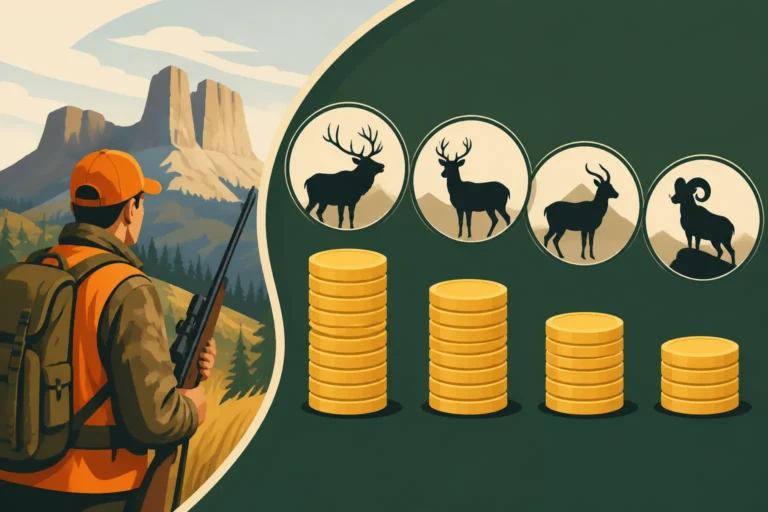
The value isn't just monetary, although the license fees for nonresidents are substantial, often ranging from hundreds to over a thousand dollars. The true value lies in the experience: the opportunity to hunt a truly wild, often remote landscape for an animal that few ever get to pursue. These hunts test your physical and mental limits, demanding rigorous preparation, perseverance, and a deep respect for the animal and its habitat. Drawing one of these tags is a testament to patience and a commitment to a dream, and it's why hunters meticulously plan their application strategy year after year, often relying on detailed resources like those found on GoHunt to analyze draw odds and harvest data.
Navigating the Application Process for Premier Big Game
Applying for these premier big game tags in Wyoming involves more than just picking a hunt area and hitting "submit." There's a methodical process to follow, from setting up your online account to understanding how preference points factor into the draw. It can feel daunting, especially for new applicants or those unfamiliar with Wyoming's specific system, but breaking it down step-by-step makes it manageable.
Setting Up Your Wyoming ELS Account
Before you can even dream of applying, you’ll need a Wyoming Game and Fish Department Electronic Licensing System (ELS) account. This is your digital portal for all things licensing, from applying for big game draws to purchasing fishing licenses. If you haven't already, the first step is to visit the Wyoming Game and Fish Department website and create an account. This involves providing personal information, verifying your identity, and setting up a secure login. It’s crucial that all your details are accurate and match any previous applications you might have submitted, to avoid any issues or disqualifications down the line.
Once your ELS account is established, take some time to familiarize yourself with its layout. You'll find sections for your application history, current licenses, and, most importantly, the portal for the annual draws. Ensure your contact information is up to date, as this is how the department will communicate important notices, including draw results. Many hunters find it helpful to Setting Up a Wyoming ELS Account well in advance of any application deadlines, so there's no last-minute scramble or technical glitches when the pressure is on.
Crucial Information for the Application Form
When you sit down to fill out the application form for bighorn sheep, mountain goat, moose, or bison, attention to detail is paramount. You'll need to select your desired species and then your hunt area choices. This is where research becomes your best friend. Don't just pick an area randomly; dig into the draw odds, population data, success rates, and public land access for each unit. Resources like the Wyoming Game and Fish Department's hunt planner and private services such as GoHunt's Insider research platform provide a wealth of information to help you make informed decisions. Consider alternative areas if your top choice has historically low draw odds, giving yourself a slightly better chance.
Beyond hunt area choices, you’ll need to specify your license type (e.g., full price, special, resident, nonresident). You’ll also be required to pay the full license fee upfront, which is then refunded if you are unsuccessful in the draw, minus a non-refundable application fee. This is a significant financial commitment, especially for nonresidents where Wyoming Nonresident Tags Run $326 to $1,965, so be prepared. Finally, remember that you’ll need to purchase a Wyoming Conservation Stamp if you successfully draw a license, so factor that into your planning. Always double-check every field on the application before submitting to prevent any errors that could jeopardize your chances.
The Role of Preference Points for Sheep and Moose
When it comes to moose and bighorn sheep in Wyoming, preference points play a pivotal role for many applicants, particularly nonresidents. Wyoming employs a hybrid draw system for certain species, where 75% of the available tags go to applicants with the most preference points, and the remaining 25% are allocated in a random drawing. This means that for moose, accumulating points significantly increases your odds over time. The system rewards patience, as hunters with many points have a statistical advantage in drawing. Understanding How Wyoming Splits Every Draw 75 Percent Points and 25 Percent Random is key to strategizing your applications.
However, it's important to note a crucial distinction: while preference points are vital for moose, they do not apply to mountain goats or bison. These species are allocated purely through a random draw, making every applicant, regardless of their application history, start on equal footing each year. For bighorn sheep, the draw is also heavily random, though residents do benefit from the Wyoming's 90/10 Resident Split on Once-in-a-Lifetime Species rule which guarantees them a much larger percentage of tags. If you're applying for moose or sheep, you also have the option to purchase preference points without applying for a tag during a specific window later in the year, which is a common strategy for building points for future draws, especially as Why Point Creep Keeps Outrunning Wyoming Applicants is a real and frustrating challenge for many.
The Unique Landscape of Wyoming Bighorn Sheep Tags
Hunting bighorn sheep in Wyoming is an aspiration for many, a true pinnacle of Western big game hunting. The rugged, high-alpine terrain they inhabit, coupled with their keen senses and challenging pursuit, makes a bighorn tag one of the most coveted in North America. However, securing one is a monumental task, and the draw process reflects that exclusivity.
Diving into the Random Draw Odds for Sheep
Let’s be brutally honest about bighorn sheep tags in Wyoming: the odds are incredibly long. For nonresidents, drawing a bighorn sheep tag is often described as a once-in-a-lifetime lottery win, with random odds that are famously under one percent. Unlike moose, where preference points build your odds over time, the bighorn sheep draw is largely a random affair for nonresidents, making every application a fresh roll of the dice. Even for residents, while their odds are significantly better due to the 90/10 split in tag allocation, it’s still far from a guarantee. This means that while you can apply every year, there's no accumulating advantage to guarantee a tag.
This stark reality means many hunters apply for decades, sometimes their entire hunting careers, without ever drawing a tag. It's a testament to the challenge and allure of hunting bighorns, and a stark reminder of the limited population objectives and strict management strategies in place to protect these iconic animals. When you look up the draw odds for specific units on a platform like GoHunt, you'll quickly see how few nonresident tags are issued annually across the entire state. For most, the April 30th deadline for sheep applications is a hopeful annual tradition, a small investment in a monumental dream.
Ewe Hunts Versus Full-Price Ram Tags
When applying for bighorn sheep, you might notice different types of licenses offered, most notably full-price ram tags and, in some very specific hunt areas, limited ewe hunts. The vast majority of the prestige and effort is directed towards drawing a ram tag, which allows the harvest of a mature male sheep. These are the hunts that demand the highest fees and have the lowest draw odds, offering the chance to pursue a trophy animal that represents years of growth and survival in unforgiving landscapes.
Ewe hunts, while less common and carrying less of the "trophy" allure, can sometimes offer slightly better draw odds and are often at a reduced price. These tags are typically issued in specific herd units where population management objectives call for reducing the female segment of the herd. While they might not be the iconic ram hunt, ewe hunts still provide an incredible opportunity to experience hunting bighorn sheep in their natural habitat, learn their behaviors, and explore some of Wyoming’s most breathtaking backcountry. Always consult the current year's regulations carefully to understand the specific license types and hunt opportunities available for bighorn sheep, as they can vary annually based on herd health and management goals.
Mountain Goat: Wyoming's Purest Lottery Experience
Mountain goats in Wyoming represent another pinnacle of Western hunting, offering an experience in some of the most remote and challenging high-country terrain. Like bighorn sheep, these hunts are exceptionally rare, but the draw system for them is distinctly different, making it perhaps the truest lottery in the state.
No Preference Points, Pure Random Chance
Here's the critical difference for mountain goat hopefuls: there are absolutely no preference points in the Wyoming mountain goat draw. That’s right, zero. This means that whether it's your first time applying or your fiftieth, every single applicant has the exact same statistical chance of drawing a tag each year. This unique aspect of the draw process makes it a pure lottery, hence why Mountain Goat Has No Preference Points in Wyoming is a frequently highlighted point for those researching these hunts.
For many hunters, this is both a blessing and a curse. It's a blessing because it means you don't need to commit years to building points; you could literally draw a tag on your very first application. It's a curse because it means there's no strategy to improve your odds over time, beyond simply applying every year. This "pure random chance" system puts everyone on an even playing field, adding an element of raw luck to what is already one of the most difficult tags to acquire. The sheer excitement of seeing "successful" for a mountain goat application, knowing it was entirely up to chance, is an experience few hunters ever forget.
The One-Goat License in a Lifetime Rule
Adding to the exclusivity of mountain goat hunting in Wyoming is the "one-goat license in a lifetime" rule. This is a crucial regulation that every applicant must understand: if you are fortunate enough to draw and successfully harvest a mountain goat in Wyoming, you are then permanently ineligible to apply for or receive another Wyoming mountain goat license ever again. This isn't just about a specific season; it's a lifetime restriction. This rule underscores the extreme rarity and conservation-minded management of Wyoming’s mountain goat population.
This regulation ensures that as many different hunters as possible have the opportunity to pursue this unique species, rather than allowing a select few to draw multiple tags over the years. It truly solidifies the mountain goat hunt as a "once-in-a-lifetime" experience. For those contemplating applying, it means that if you draw, you need to be prepared to make the most of that single opportunity, hiring a reputable guide if needed, and dedicating yourself fully to the experience. Understanding The One Goat License in a Lifetime Rule is essential before you commit to applying, as it shapes the significance of drawing that coveted tag.
Bison Hunting in Wyoming: An Exclusive Opportunity
Wyoming offers limited opportunities for hunting wild bison, an iconic symbol of the American West. Unlike the other species discussed, bison tags are often tied to specific management needs in certain areas, and drawing one is another extraordinary feat for any hunter.
Understanding Bison Hunt Areas and Quotas
Bison hunting in Wyoming is strictly controlled and typically focused on specific herd units, primarily those around Grand Teton National Park and the National Elk Refuge near Jackson, where population management is critical. The Wyoming Game and Fish Department sets very limited quotas each year, and these quotas are often subject to change based on herd health, population objectives, and local conflicts. This means that the number of available tags is extremely small, and the hunt areas are highly localized.
Applicants must carefully research these specific hunt areas and understand the unique challenges associated with them. Hunting bison in these areas can differ significantly from other big game hunts, often involving navigating areas with high public use and specific access considerations. For nonresidents, drawing a tag is exceptionally rare, and even residents face very long odds. When applying, you'll select your preferred hunt area, and it's wise to consult the Wyoming Game and Fish Department's current regulations booklet for the most up-to-date information on available areas and quotas.
The Once-in-a-Lifetime Rule for Bison
Just like mountain goats, Wyoming also implements a "once-in-a-lifetime" rule for bison licenses. If you are successful in drawing a bison license and harvesting an animal, you will not be eligible to apply for or receive another Wyoming bison license in your lifetime. This rule serves the same purpose as it does for mountain goats: to ensure that the extremely limited hunting opportunities are distributed among as many different individuals as possible, allowing more hunters to experience this unique and historical pursuit.
This lifetime restriction makes a drawn bison tag incredibly special, elevating the hunt to a truly unique experience. For those who dream of pursuing a wild bison, this means that once you draw, you must be fully prepared for the challenge and commitment involved. It's a profound connection to North American history and wildlife, and Bison as a Wyoming Once-in-a-Lifetime Species is a testament to the animal's status and the conservation efforts required to manage its population responsibly. Ensure you fully grasp this commitment before submitting your application by the April 30th deadline.
Essential Preparation Before the April 30th Deadline
The April 30th deadline approaches quickly, and for such high-stakes applications, thorough preparation is non-negotiable. Don't wait until the last minute to gather your information and submit your application. Proactive planning can save you from potential heartbreak and ensure you don't miss out on these incredible opportunities.
Double-Checking Regulations and Hunt Area Details
One of the most common pitfalls for hunters, especially those new to Wyoming's system or nonresidents, is failing to thoroughly read and understand the current year's regulations. Regulations change annually, and what was true last year might not be true this year. Always go directly to the Wyoming Game and Fish Department website and download the most current hunting regulations for big game. Pay close attention to the specific sections pertaining to bighorn sheep, mountain goat, moose, and bison. These sections will detail open hunt areas, season dates, weapon restrictions, legal animal definitions, and any special considerations.
Beyond the general regulations, meticulously research the specific hunt areas you are considering. Platforms like GoHunt and the official The Wyoming Hunt Planner are invaluable here. Look at historical draw odds, harvest success rates, public land access maps, and terrain features. Some hunt areas might be primarily private land, requiring landowner permission, or contain designated wilderness areas which carry specific nonresident guide requirements. Understanding these nuances before you apply is crucial, as drawing a tag for an area you can't access or legally hunt can be incredibly frustrating.
Financial Considerations for High-Demand Tags
Applying for bighorn sheep, mountain goat, moose, and bison tags in Wyoming comes with a significant financial commitment. For nonresidents, the license fees alone can be well over a thousand dollars, and these fees are typically collected upfront at the time of application. While the license fee is refunded if you are unsuccessful in the draw, a non-refundable application fee is always retained by the state. It's important to budget for this, as well as considering the cost of any preference points you might purchase separately for moose.
Beyond the application itself, consider the potential costs of actually going on one of these hunts if you are successful. These are often physically demanding hunts in remote, rugged terrain, potentially requiring specialized gear, pack animals, or even a professional outfitter. For nonresidents, especially when hunting in designated wilderness areas, there's a legal requirement to use a licensed guide for species like moose and bighorn sheep, which adds considerably to the overall expense. Researching these potential costs thoroughly and having a realistic budget in mind before you apply can prevent sticker shock and ensure you are truly prepared for the adventure if your name is drawn. Remember to check Wyoming Nonresident Tags Run $326 to $1,965 to get a clear picture of what you're committing to financially.
Application Deadline Summary Table
To help you keep track of these crucial details, here's a quick summary of the application requirements for Wyoming's premier big game species.
| Species | Application Deadline | Preference Points Used | Once-in-a-Lifetime Rule | Average Nonresident Tag Price (Est.) | Typical Draw Odds (Nonresident) |
|---|---|---|---|---|---|
| Moose | April 30th | Yes (75% draw) | No | $1,400 – $1,900 | Very Low (Years of points) |
| Bighorn Sheep | April 30th | No (Random draw) | No | $1,900 – $2,300 | Extremely Low (<1%) |
| Mountain Goat | April 30th | No (Random draw) | Yes | $1,400 – $1,800 | Extremely Low (<1%) |
| Bison | April 30th | No (Random draw) | Yes | $1,100 – $1,400 | Extremely Low (<1%) |
Note: Tag prices and draw odds are estimates and can vary significantly by year and specific hunt area. Always consult current Wyoming Game and Fish regulations for precise figures.
Disclaimer
Please remember that hunting regulations, seasons, and draw processes are subject to change. Always consult the official Wyoming Game and Fish Department website and current year's regulations for the most accurate and up-to-date information before planning any hunt or submitting any application. This guide is for informational purposes only and should not replace official sources.