Wyoming Sets Bow Draw Weight at 40 Pounds, 50 for Elk
Heading out for a bow hunt in Wyoming is an experience unlike any other, but the excitement can quickly turn to frustration if you're not absolutely clear on the regulations, especially something as critical as minimum draw weight. Many hunters worry about being under-bowed or, worse, breaking the rules unintentionally. This guide is here to walk you through Wyoming's specific draw weight requirements for all big game species, ensuring you're legally prepared and ethically equipped for a successful hunt.
Understanding Wyoming's Archery Regulations for Big Game
Wyoming's Game and Fish Department doesn't just set rules to make things complicated; they're in place for the welfare of the animals and to promote ethical hunting practices. When it comes to archery, draw weight is a fundamental aspect of this, as it directly impacts an arrow's ability to penetrate and deliver a clean, humane kill. It's not just about pulling back a bowstring; it's about generating enough kinetic energy to do the job right.
These regulations are designed to ensure that hunters have equipment capable of dispatching big game animals efficiently. Imagine tracking an animal for miles only to discover your equipment was inadequate, leading to unnecessary suffering. That's precisely what these rules aim to prevent. It's a balance between personal capability and the ethical responsibility we bear as hunters. Always remember, the regulations are the bare minimum; striving for more proficiency and using equipment that exceeds these minimums is always a good idea.
Why Minimum Draw Weights Are Established
The core reason for minimum draw weights boils down to kinetic energy and penetration. An arrow needs to hit an animal with sufficient force to drive the broadhead through vital organs. If the bow doesn't generate enough energy, the arrow might not penetrate deeply enough, or worse, it could glance off bone or heavy muscle, resulting in a wounded animal that gets away. This isn't just a hypothetical concern; it's a very real problem that every ethical hunter seeks to avoid.
Wyoming's regulations specify draw weights based on the size and toughness of the game animal. Smaller, thinner-skinned animals like deer and antelope require less kinetic energy to achieve a pass-through than larger, more robust creatures like elk or moose. These minimums are scientifically informed, aiming to provide a reasonable assurance of adequate penetration when coupled with a sharp, quality broadhead and accurate shot placement. It helps maintain the integrity of hunting as a management tool and reduces the likelihood of non-lethal wounds.
General Archery Equipment Standards
Beyond draw weight, Wyoming also sets standards for other archery equipment components to ensure effectiveness and fair chase. For instance, broadheads have specific requirements, and there are rules about what kind of sights or nocks you can use. The idea is to keep hunting challenging while ensuring the equipment used is effective. This means no electronics that can track or artificially enhance accuracy in certain situations, preserving the skill and challenge inherent in archery hunting.
The regulations also clarify what constitutes a legal bow. This includes compound bows, recurve bows, and longbows. While crossbows have their own separate set of rules and seasons in Wyoming, the general archery season for vertical bows has these specific draw weight and equipment standards. It's crucial to check the most current Wyoming Game and Fish regulations annually, as rules can sometimes be updated. Many hunters find resources like the GoHunt platform incredibly useful for researching these details and ensuring they are up-to-date.
The 40-Pound Minimum for Deer, Antelope, and Sheep
If you're planning to chase mule deer, pronghorn antelope, or bighorn sheep with your bow in Wyoming, you'll need a bow with a minimum draw weight of 40 pounds. This is a crucial number to remember, and it applies whether you're drawing a compound, recurve, or longbow. It's the baseline for lighter big game species, and for good reason. These animals, while tough, typically have less dense bone structure and hide than, say, a mature bull elk.
The 40-pound minimum is established to ensure that your arrow has enough punch to penetrate the hide, muscle, and vital organs of these animals for a quick, humane kill. It's not just about reaching the vitals, but about achieving a complete pass-through, which often aids in blood trailing and recovery. Being under the minimum draw weight not only puts you at risk of an illegal harvest but, more importantly, increases the chance of wounding an animal without recovering it.
Specifics for Deer and Antelope Bow Hunts
For species like Wyoming's iconic mule deer and the lightning-fast pronghorn antelope, the 40-pound minimum is rigidly enforced. This means if you're pulling less than that, your equipment is not considered legal for hunting these animals in the Cowboy State. This applies across all hunt areas and seasons where archery is permitted. Whether you're hunting mule deer in the sprawling sagebrush or stalking antelope on the open plains, your bow needs to meet this threshold.
Consider the scenario: you've spent months scouting, applied for your tag, and finally have a shot at a buck of a lifetime. The last thing you want is to jeopardize that hunt—or worse, the animal's welfare—because your bow doesn't meet the legal requirement. Many archers choose to shoot well above the minimum for an added margin of error in penetration, especially if they anticipate encountering a quartering-away shot or hitting a shoulder bone. Checking your draw weight on a certified scale before heading into the field is a simple but vital step. For detailed information on specific draw weight rules for antelope and bighorn sheep, you can refer to resources like "Draw Weight Rules for Antelope and Bighorn Sheep."
Bighorn Sheep Requirements
Bighorn sheep, while not as physically large as an elk, are incredibly tough, resilient animals with dense bone structure, especially around their shoulders. Despite their formidable nature, the 40-pound minimum draw weight also applies to them, consistent with deer and antelope. This might seem surprising to some, given their robustness, but the regulation is uniform across these species. However, just like with deer and antelope, shooting a bow with a draw weight greater than 40 pounds is often recommended by experienced sheep hunters for added ethical assurance.
Hunting bighorn sheep in Wyoming is a once-in-a-lifetime tag for most, demanding extreme physical fitness and meticulous preparation. Ensuring your equipment is not only legal but also robust enough for the task is paramount. These hunts often involve long stalks and challenging shot opportunities, meaning you need every advantage your equipment can provide. Don't skimp on ensuring your bow is properly set up and capable.
Stepping Up to 50 Pounds: Elk and Moose Requirements
When you start talking about elk and moose in Wyoming, the game changes, and so do the draw weight requirements. For these magnificent, heavy-bodied animals, the minimum draw weight jumps to 50 pounds. This increase isn't arbitrary; it reflects the sheer size, muscle mass, and bone density of these creatures. A 50-pound bow is deemed necessary to drive an arrow deep enough to reach the vitals and ensure a quick, ethical kill on an animal that can weigh upwards of 1,000 pounds.
This higher minimum applies whether you're pursuing a towering bull elk through the timber or a massive Shiras moose in a willow bottom. There's no exception based on bow type—compound, recurve, or longbow—all must meet or exceed the 50-pound threshold. It's a testament to the respect and ethical standards Wyoming holds for its largest big game species.
Elk Hunting and the 50-Pound Rule
Elk are legendary for their toughness. They are heavily muscled animals with thick hides, and their rib cages offer significant resistance to an arrow. A shot that might be devastating to a deer could be marginal on a bull elk if there isn't enough power behind the arrow. The 50-pound minimum draw weight addresses this challenge head-on, providing the necessary force to push a broadhead through these formidable barriers.
Many seasoned elk hunters actually advocate for shooting a bow with a draw weight even higher than 50 pounds if they can comfortably and accurately do so. The ability to achieve a pass-through is often critical for leaving a good blood trail, especially in the thick timber where elk frequently reside. For more specific details on the equipment required for these magnificent animals, you can look into "The 50-Pound Bows Elk and Moose Require." Proper bow tuning is also paramount to ensure every ounce of energy is delivered efficiently to the arrow, a topic worth exploring further in "Bow Tuning Worth Doing Before a Mountain Hunt."
Moose: Wyoming's Largest Bow Hunt Challenge
Shiras moose are truly giants of the Wyoming wilderness. Their sheer size and bone structure make them an incredible challenge for any bowhunter. The 50-pound draw weight minimum is particularly critical for moose, perhaps more so than for elk, given their even larger stature and heavy bones. A frontal shot on a moose, for example, could involve penetrating a significant amount of muscle and sternum, demanding maximum kinetic energy from your bow setup.
For moose, precision and power go hand-in-hand. While shot placement is always king, having sufficient draw weight ensures that when you hit your mark, the arrow has the best possible chance of doing its job. This is not the time to be under-bowed. If you're fortunate enough to draw one of Wyoming's highly coveted moose tags, make sure your archery setup is not only legal but optimized for the task at hand. Consider factors like "Arrow Weight That Gets Through an Elk" to maximize penetration on such large animals.
| Species Group | Minimum Draw Weight | Bow Types Covered | Key Considerations |
|---|---|---|---|
| Deer, Antelope, Sheep | 40 pounds | Compound, Recurve, Longbow | Sufficient for vital penetration on thinner-skinned animals. |
| Elk, Moose | 50 pounds | Compound, Recurve, Longbow | Critical for penetrating heavy muscle and dense bone on larger game. |
| Crossbows | 90 pounds (peak) | Crossbows only | Separate regulations and seasons; bolt length also specified. |
Why Draw Weight Matters for Ethical Hunting
The conversation around draw weight often centers on legality, but at its heart, it's an ethical discussion. As hunters, we have a profound responsibility to ensure the animals we pursue are dispatched as quickly and humanely as possible. An underpowered bow, even with perfect shot placement, can fail to achieve adequate penetration, leading to prolonged suffering and unrecovered animals. This is a scenario no ethical hunter ever wants to face.
The kinetic energy generated by your bow directly correlates with your draw weight and arrow speed. Higher draw weights generally mean more kinetic energy, which translates to better penetration. This isn't just about getting the arrow into the animal; it's about getting a complete pass-through, which creates two wound channels (entry and exit) that promote better blood loss and easier tracking. In the vast, rugged landscapes of Wyoming, a strong blood trail can be the difference between recovering your animal and losing it.
Kinetic Energy and Arrow Penetration
Kinetic energy is the measure of an object's energy due to its motion. In archery, it's calculated based on your arrow's speed and weight. While lighter arrows fly faster, heavier arrows carry more momentum and kinetic energy, which is critical for punching through thick hide, muscle, and bone. Increasing your draw weight directly contributes to higher kinetic energy, assuming your arrow weight remains consistent or increases proportionately.
The goal isn't just to strike the animal, but to achieve deep penetration. A broadhead needs to cut through several inches, sometimes a foot or more, of tissue to reach the heart and lungs effectively. This penetration ability is significantly enhanced by a bow that delivers ample kinetic energy. When considering your setup, think about the total system: bow, arrow, and broadhead. Each component plays a role in achieving that critical pass-through.
Shot Placement and Ethical Responsibility
While draw weight and equipment capability are essential, they are never a substitute for precise shot placement. Even the most powerful bow with the heaviest arrow won't guarantee a clean kill if the shot isn't accurately placed in the animal's vital zone. Ethical hunting demands that we only take shots within our effective range, where we are confident in our ability to hit the vitals. This means understanding animal anatomy, practicing regularly, and knowing your personal limitations.
However, once you've committed to a shot, having a bow that meets or exceeds the legal draw weight and is optimized for penetration provides a crucial layer of ethical assurance. It means you've done everything in your power to maximize the chances of a quick, humane harvest. This ethical commitment is a cornerstone of responsible hunting and is reflected in the regulations set forth by Wyoming Game and Fish. Resources like GoHunt often have forums and articles where experienced hunters discuss their setups for specific Wyoming species, offering insights beyond the minimum requirements.
Types of Bows and How Draw Weight is Measured
Modern bowhunting offers a variety of tools, each with its own characteristics, but all are subject to Wyoming's draw weight regulations. Whether you prefer the mechanical advantage of a compound bow, the traditional feel of a recurve, or the simplicity of a longbow, understanding how draw weight is measured and regulated is key. It's not always as straightforward as the number printed on the limb.
Each bow type delivers kinetic energy differently, and while the minimum draw weights apply across the board, the feel and effort required to reach that weight can vary significantly. This section will dive into the nuances of each bow type and how to ensure you're meeting the legal requirements.
Compound Bows and Let-Off
Compound bows are by far the most popular choice for modern bowhunters, and for good reason. They utilize a system of cams and cables to provide a mechanical advantage known as "let-off." This means that once you draw the string back to its full extension (full draw), the weight you are holding dramatically decreases, sometimes by as much as 80-90%. While you might be holding only 10-15 pounds at full draw, the peak draw weight (the maximum weight reached during the draw cycle) is what Wyoming's regulations refer to.
For example, a compound bow set to a 60-pound peak draw weight with 80% let-off will only require you to hold 12 pounds at full draw. However, for legal purposes, it's the 60-pound peak draw weight that matters for species like elk or moose. It's crucial to have your compound bow measured on a draw board or a certified scale to ensure its peak draw weight meets the 40 or 50-pound minimums. "Compound Bow Let-Off and Measured Draw Weight" offers more detailed insight into this important aspect of bow mechanics.
Recurve and Longbow Draw Weight
Traditional bows, such as recurves and longbows, operate on a much simpler principle. They don't have cams or let-off; the draw weight steadily increases as you pull the string back, reaching its maximum at your full draw length. The stated draw weight on a recurve or longbow is typically measured at a specific draw length, often 28 inches. If your personal draw length is longer than 28 inches, the actual draw weight you are pulling will be higher. Conversely, if your draw length is shorter, the actual draw weight will be less.
This distinction is very important. If you have a recurve marked "45# @ 28 inches" and your draw length is 27 inches, you might only be pulling around 43 pounds. While this would be legal for deer, it would fall short of the 50-pound requirement for elk. Always verify your actual draw weight at your personal draw length on a scale to ensure compliance. The choice between a "Recurve, Longbow or Compound for Western Elk" often comes down to personal preference and skill, but the draw weight rule applies equally.
Crossbow Draw Weight and Bolt Length
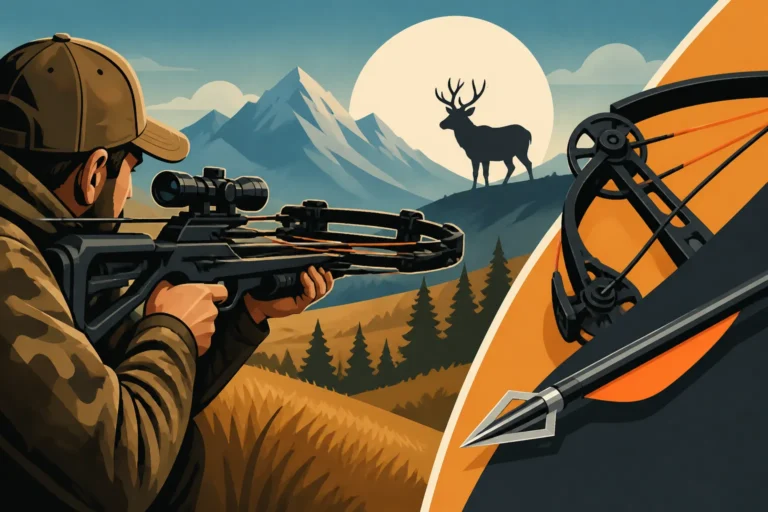
While the core of this article focuses on vertical bows, it's worth noting that crossbows are also a legal hunting method in Wyoming, but they operate under a separate set of regulations, including their own draw weight and bolt length minimums. Crossbows are typically measured by "peak draw weight," which often ranges significantly higher than vertical bows, and they have specific requirements for bolt length.
For example, Wyoming requires a crossbow to have a peak draw weight of at least 90 pounds and use bolts that are at least 16 inches long. These are significant differences from vertical bow regulations and highlight the importance of understanding which set of rules applies to your chosen equipment. Hunters considering crossbows should consult specific resources such as "Crossbow Peak Draw Weight and Bolt Length in Wyoming" and "Is a Crossbow Legal in Wyoming Archery Season?"
Beyond Draw Weight: Other Critical Archery Regulations
While draw weight is a cornerstone of Wyoming's archery regulations, it's far from the only rule you need to know. The state has a comprehensive set of guidelines covering everything from broadhead design to lighted nocks and even the use of release aids. These rules are all part of the larger framework designed to promote ethical hunting and fair chase for big game animals.
Ignorance of these rules is no excuse, and falling afoul of them can result in fines, license revocation, and the loss of your harvested animal. As a responsible hunter, it's your duty to familiarize yourself with all applicable regulations before heading afield.
Broadhead Requirements
Wyoming is quite specific about broadhead design. For all big game, your broadhead must have at least two cutting edges and be at least 7/8 inch wide at its widest point. This is often referred to as the "7/8-inch ring test." If your broadhead, when fully deployed (for mechanicals), cannot pass through a 7/8-inch ring without resistance, it is not legal. This minimum cutting width is vital for ensuring sufficient hemorrhage and a clean kill.
Both fixed-blade and expandable (mechanical) broadheads are legal, provided they meet the cutting width and cutting edge requirements. However, certain designs like those with barbs or those that do not fully expand to the minimum width are prohibited. It's easy to get caught out by these details, so always double-check your broadheads. You can delve deeper into this topic with "Broadheads That Fail the 7/8-Inch Ring Test" and "Fixed and Expandable Heads Under Wyoming Rules."
Lighted Nocks and Release Aids
Good news for modern archers: lighted nocks are legal for bowhunting big game in Wyoming. These small, battery-powered nocks illuminate upon release, making arrow flight visible and aiding in arrow recovery, especially in low light conditions or after a pass-through shot. Many hunters find them invaluable for tracking the shot and finding their arrow to assess the hit. "Whether Lighted Nocks Are Legal for Bowhunters" confirms their legality.
Release aids, which are mechanical devices used to hold and release the bowstring, are also perfectly legal for archery hunting in Wyoming. They help promote consistent and accurate shots by removing human error from the string release. This allows hunters to focus on form and aim, rather than the execution of a clean finger release.
Prohibited Archery Equipment
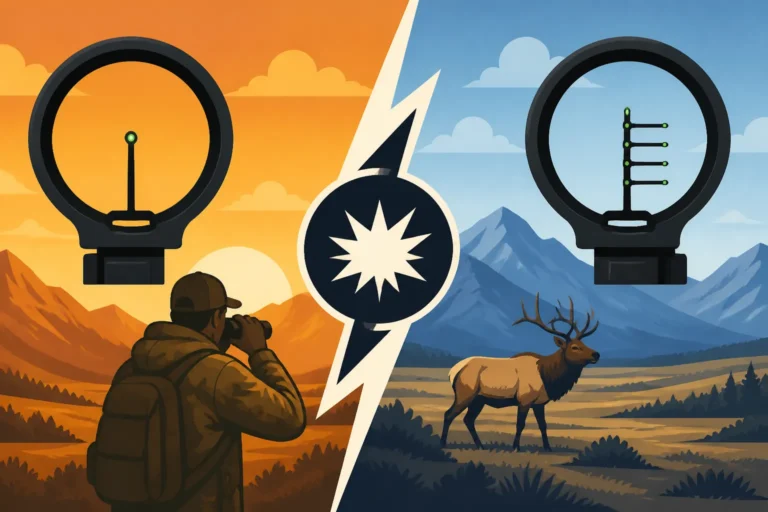
Just as there are rules for what's allowed, there are clear prohibitions. Beyond specific broadhead types, certain electronic devices are generally not permitted on bows during archery seasons for big game. This often includes range-finding sights that project a dot or utilize complex electronics to compensate for trajectory, though standard illuminated pins are typically fine. The intent is to maintain the challenge and skill inherent in traditional archery hunting.
Explosive arrows, arrows with poison or stupefying drugs, and any device that electronically amplifies or projects an image (other than an illuminated sight pin) are strictly forbidden. Always check the most current regulations to ensure your entire setup is compliant. Consulting resources like the Wyoming Game and Fish Department's official regulations or platforms like GoHunt can help you navigate these nuances.
Preparing for Your Wyoming Archery Hunt
Meeting the legal draw weight is just one step in preparing for a successful and ethical Wyoming archery hunt. The physical and mental demands of chasing big game with a bow in this rugged country are immense. From conditioning your body to tuning your equipment and practicing your shot, preparation is key to turning a dream hunt into a reality.
Many hunters underestimate the physical toll a Western archery hunt can take, especially in the mountains. Long days of hiking at altitude, often carrying heavy gear, require a high level of fitness. Coupled with the need for precise shooting under pressure, it's clear that comprehensive preparation is non-negotiable.
Physical Conditioning and Strength
Chasing elk or mule deer in Wyoming's mountains means dealing with elevation, steep terrain, and potentially long retrieves. Drawing a 40 or 50-pound bow repeatedly, especially after a strenuous hike, requires significant core strength, back strength, and shoulder endurance. It's not enough to be able to pull your bow back once in your backyard; you need to be able to do it smoothly and consistently under fatigue, with an animal in front of you.
Start a comprehensive workout regimen months before your hunt. Focus on cardiovascular fitness (hiking, running, stair climbing), strength training (compound lifts like deadlifts, squats, rows), and specific archery-related exercises (resistance band draws, holding at full draw). Incorporate weighted pack training to simulate carrying your gear. The better your physical condition, the more enjoyable and successful your hunt will be. Proper conditioning also helps you maintain good form when shooting, which in turn leads to more accurate and ethical shots.
Practice, Practice, Practice
Meeting the draw weight is one thing; consistently hitting your target is another. Archery is a perishable skill, and regular, deliberate practice is essential. Don't just fling arrows; practice with a purpose. Focus on perfect form, consistent anchor points, and a clean release. Practice from various distances, including those closer and further than your anticipated shot range, to build confidence and muscle memory.
Crucially, practice in conditions that simulate your hunt. If you'll be hunting in mountains, practice shooting after climbing a hill or doing some strenuous exercise to simulate shooting under fatigue. Practice in your hunting clothes, including your backpack, to ensure nothing interferes with your draw cycle or sight picture. And always practice with the broadheads you intend to hunt with, as they can fly differently than field points. Aim for "Realistic Archery Practice Distance for Big Game" to truly prepare for those high-pressure moments.
Bow Tuning and Setup Optimization
Even if your bow meets the draw weight requirements, if it's not properly tuned, your accuracy and arrow flight will suffer, potentially compromising penetration. Bow tuning involves adjusting your bow to ensure your arrows fly perfectly straight out of the bow, without fishtailing or porpoising. This typically involves adjusting the rest, nocking point, and cam timing on compound bows.
A well-tuned bow maximizes the kinetic energy transfer to the arrow and ensures consistent arrow flight, which is paramount for accuracy, especially at longer ranges. Consider seeking professional help from a reputable archery shop if you're not comfortable tuning your own bow. Ensuring your bow is perfectly set up for your draw length and shooting style is a critical piece of the puzzle for an ethical and successful hunt.
Resources for Staying Compliant and Informed
Navigating hunting regulations can feel overwhelming, but thankfully, there are excellent resources available to help you stay compliant and well-informed. From official government channels to third-party hunting intelligence platforms, leveraging these tools is part of being a responsible hunter.
Staying on top of the latest rules, season dates, and draw odds is a continuous process. Regulations can change year to year, and new information or interpretations might emerge. Make it a habit to check reliable sources regularly, not just once before the season opens.
Wyoming Game and Fish Department
The official source for all Wyoming hunting regulations is the Wyoming Game and Fish Department (WGFD). Their website is a treasure trove of information, including downloadable regulation booklets, season dates, hunt area maps, and public access information. You can find detailed breakdowns of archery specific rules, often updated annually.
It's always a good idea to download and thoroughly read the current year's hunting regulations for the species you intend to pursue. Don't rely solely on word-of-mouth or outdated information. The WGFD website also provides contact information if you have specific questions or need clarification on any regulation. This direct source is your primary go-to for legal compliance.
Online Hunting Platforms and Communities
Beyond official government sources, numerous online hunting platforms and communities offer invaluable resources, shared experiences, and up-to-date information. Websites like GoHunt, for example, specialize in providing detailed insights into Western big game hunting, including draw odds, unit analyses, and regulation summaries. These platforms often aggregate information, making it easier for hunters to research and plan their hunts effectively.
Online forums and social media groups dedicated to Wyoming hunting can also be great places to ask questions and learn from experienced local hunters. However, always cross-reference any information from unofficial sources with the official WGFD regulations to ensure accuracy. These communities can offer practical tips and real-world advice, but the legal text always comes from Game and Fish.
Local Archery Shops and Outfitters
Don't underestimate the expertise available at your local archery shop, especially those in or near Wyoming. These professionals are often avid hunters themselves and stay current on regulations. They can help you measure your draw weight accurately, assist with bow tuning, recommend legal broadheads, and offer advice on equipment.
Similarly, if you're considering hiring an outfitter for your Wyoming hunt, they will be intimately familiar with the regulations. A reputable outfitter will ensure their clients are compliant and properly equipped. Even if you're planning a do-it-yourself hunt, stopping into a local shop or chatting with a guide can provide valuable, on-the-ground insights that aren't always found in regulation booklets. They often have real-world experience with how specific rules play out in the field.
Disclaimer
The information provided in this guide is intended for informational purposes only and is not a substitute for the official regulations published by the Wyoming Game and Fish Department. Hunting regulations can change annually. It is the individual hunter's responsibility to consult the most current Wyoming Game and Fish Department regulations prior to any hunting activity to ensure full compliance with all laws.