Wyoming Minimum Draw Weight for Deer Hunting
Heading out into Wyoming's vast, wild landscapes with your bow is an incredible experience, but the myriad of regulations can sometimes feel like trying to hit a moving target in the wind. Many hunters, especially those new to archery or new to the Cowboy State, often feel overwhelmed and frustrated trying to figure out the exact legal requirements for their equipment. This guide is here to cut through the confusion and explicitly clarify Wyoming's minimum draw weight for deer hunting, ensuring you're fully compliant and set up for an ethical shot when the moment of truth arrives.
Understanding Wyoming's Archery Regulations for Deer
Wyoming takes its hunting regulations seriously, and for good reason. These rules are designed not only to manage wildlife populations effectively but also to ensure ethical hunting practices that minimize suffering and uphold the integrity of the sport. For bowhunters, this means paying close attention to the specific requirements for archery equipment, especially draw weight. It's not just about pulling a string back; it's about delivering enough kinetic energy to achieve a clean, humane kill. Getting this wrong can lead to serious legal trouble and, more importantly, a wounded animal.
The Importance of Knowing the Rules
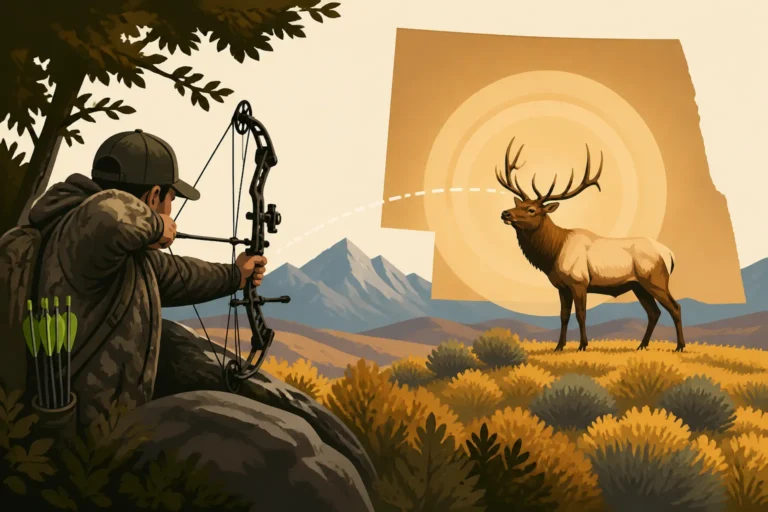
Imagine spending countless hours scouting, practicing, and finally drawing a coveted tag for a mule deer hunt in the high country. You've hiked miles, spotted a magnificent buck, and perfectly executed your stalk. You draw your bow, make the shot, and the deer runs off, only for you to realize later that your bow was technically under the legal draw weight. All that effort, dedication, and anticipation could be invalidated, and you could face fines or even lose your hunting privileges. It's a heartbreaking scenario that no hunter wants to experience. This is precisely why delving deep into the regulations, like those for draw weight, isn't just bureaucratic red tape; it's a fundamental part of being a responsible and ethical hunter in Wyoming. Whether you're a seasoned archer or just starting, a quick refresher on the rules before each season is always a good idea. Consulting resources like the Wyoming Game and Fish Department's official regulations or platforms like GoHunt for up-to-date information can save you a lot of grief in the field.
Why Minimum Draw Weights Matter
The concept of a minimum draw weight isn't arbitrary; it's rooted in ballistics and the physics of hunting. A bow needs to generate sufficient force to propel an arrow with enough speed and kinetic energy to achieve complete penetration, especially through the tough hide, muscle, and bone of a big game animal like a deer. If the draw weight is too low, the arrow simply won't have the power to do its job effectively, increasing the risk of a non-lethal wound. This isn't just about killing the animal; it's about doing so quickly and humanely. Wyoming, like many other states, sets these minimums to ensure that hunters are using equipment capable of delivering a swift and ethical kill, preventing undue suffering for the animal. Think of it as a safety standard, both for the animal and for the integrity of the hunting experience itself. It reflects a commitment to fair chase and responsible wildlife management that benefits everyone.
Where to Find Official Information
Navigating the official sources for Wyoming hunting regulations can sometimes feel a bit like deciphering an ancient scroll, especially with all the legal jargon. However, it's absolutely crucial to go directly to the source. The Wyoming Game and Fish Department (WGFD) website is your primary and most reliable resource. They publish detailed hunting regulations each year, typically in digital booklets that you can download or view online. These regulations cover everything from season dates and hunt area boundaries to specific equipment requirements. You'll want to look for the "Archery Regulations" section specifically. While online forums and hunting blogs can offer great anecdotal advice, they should never be your sole source for legal information. Always cross-reference with the WGFD's official publications to ensure you have the most current and accurate rules. In addition, organizations like GoHunt often compile this information in an easily digestible format, but even then, a quick check of the official WGFD site is always prudent before heading afield.
Specific Draw Weight Requirements for Deer and Other Species
When you're gearing up for a deer hunt in Wyoming, one of the most fundamental pieces of information you need to lock down is the minimum draw weight for your bow. This isn't a suggestion; it's a regulation with the force of law. Wyoming Game and Fish Department regulations clearly outline these requirements, which vary slightly depending on the species you're pursuing. Being intimately familiar with these numbers is paramount for any ethical bowhunter.
The 40-Pound Rule for Deer, Antelope, and Sheep
For mule deer and whitetail deer, Wyoming specifies a minimum draw weight of 40 pounds. This 40-pound minimum also applies to antelope and bighorn sheep. This means that your bow, whether it's a compound, recurve, or longbow, must be capable of being drawn back to a minimum of 40 pounds. It's crucial to understand that this isn't the peak weight your bow could achieve, but rather the actual weight you're drawing at your specific draw length. If your bow is set at 40 pounds, that's the absolute baseline. Many hunters will choose to shoot heavier draw weights for increased kinetic energy and flatter trajectories, but 40 pounds is the legal floor. For a deeper dive into these specific requirements, you might want to check out our article on Wyoming's 40-Pound Minimum for Deer, Antelope and Sheep.
This rule is a critical standard. It reflects the understanding that deer, antelope, and bighorn sheep, while varying in size, all require a substantial amount of force to ensure effective arrow penetration for a clean kill. A bow set below this weight might struggle to pass through the vitals, leading to a prolonged and painful experience for the animal. When you're out there, miles from the truck, pursuing a wary buck across a sagebrush flat, the last thing you want is to doubt your equipment's capability. This minimum ensures a baseline of ethical responsibility. Remember, it's not about how easily you can pull it back, but how effectively the arrow will perform once released.
Comparing Deer Requirements to Elk and Moose
While 40 pounds is the benchmark for deer, antelope, and sheep, the requirements for larger, tougher big game animals in Wyoming escalate significantly. For elk and moose, the minimum draw weight jumps to 50 pounds. This increase acknowledges the substantial difference in body mass, bone structure, and hide thickness of these magnificent creatures. An arrow that might ethically dispatch a mule deer could potentially be insufficient for a mature bull elk or a large Shiras moose. These larger animals demand greater kinetic energy from an arrow to penetrate effectively into their vital organs.
Understanding these distinctions is vital, especially if you hunt multiple species with the same bow. Many compound bows allow for a range of draw weight adjustments, making it possible to switch from a deer-legal 40 pounds to an elk-legal 50 pounds (or more) with a few turns of a limb bolt. However, it's imperative to re-tune your bow and practice extensively if you make such adjustments. If you're contemplating a mixed-species hunt or plan to pursue elk in the future, it's wise to ensure your bow can comfortably handle The 50-Pound Bows Elk and Moose Require. Always consult the current regulations for the specific species you're pursuing to avoid any misunderstandings or violations. This table provides a quick overview:
| Species | Minimum Draw Weight (Pounds) |
|---|---|
| Deer (Mule and Whitetail) | 40 |
| Antelope | 40 |
| Bighorn Sheep | 40 |
| Elk | 50 |
| Moose | 50 |
How Draw Weight is Measured and Verified
So, how exactly is draw weight measured, and how might it be verified in the field? For compound bows, the draw weight is typically measured at the bow's peak draw. However, with let-off mechanisms, the actual holding weight at full draw is significantly less. The regulation refers to the peak draw weight. Recurve and longbows, on the other hand, have a consistent draw weight that increases as you pull back, usually rated at 28 inches of draw length. If your personal draw length is longer or shorter, the actual weight you're pulling will differ slightly from the advertised weight on the limbs. It's important to know your bow's true draw weight at your draw length. For more details on this, especially for compound bows, our article on Compound Bow Let-Off and Measured Draw Weight can be very helpful.
In the field, while it's not common for game wardens to carry portable scales, they certainly have the authority to inspect your equipment if they have reason to believe you're not compliant. They might ask to see your bow and visually inspect the limb bolts (if it's a compound), or they might ask you to demonstrate drawing the bow. More typically, they'll verify compliance through conversations about your gear and your understanding of the regulations. The onus is always on the hunter to ensure their equipment meets legal standards. Before your hunt, consider visiting a reputable archery pro shop like a Cabela's or your local independent dealer to have your bow's draw weight accurately measured and set. This simple step provides peace of mind and ensures you're on the right side of the law.
Beyond Draw Weight: Ensuring an Ethical Archery Hunt
Meeting the minimum draw weight is a crucial first step, but it's far from the only factor in achieving an ethical, successful archery hunt. True preparedness extends beyond the numbers on your bow. It encompasses everything from the type of broadhead you choose to your personal proficiency and the overall condition of your gear. In the vast, open landscapes of Wyoming, where a wounded animal can quickly disappear, every element of your setup and skill needs to be dialed in.
Broadhead Regulations and Effectiveness
Wyoming's regulations don't stop at draw weight; they also have specific rules for broadheads. For big game, including deer, your broadhead must have at least two cutting edges and a minimum cutting width of 7/8 inches. This means those tiny small game heads or dull practice tips are out. Both fixed-blade and expandable (mechanical) broadheads are legal, as long as they meet the cutting width requirement. Fixed blades are known for their rugged reliability and superior penetration, while mechanicals often offer better flight characteristics with field points and a larger cutting diameter upon impact. However, some mechanicals might not fully deploy or perform optimally if shot from a lower-poundage bow or if the arrow lacks sufficient kinetic energy.
It's a common dilemma, and knowing the specifics is key. Our articles on Broadheads That Fail the 7/8-Inch Ring Test and Fixed and Expandable Heads Under Wyoming Rules delve into these nuances. Ultimately, the best broadhead is one that flies true from your bow, is razor-sharp, and provides maximum penetration for your specific setup. Test different broadheads with your hunting arrows before the season to see how they perform. You want to be absolutely confident that your broadhead will do its job when it counts, delivering that quick, clean harvest that every ethical hunter strives for.
Practice, Accuracy, and Shot Placement
You could have the most powerful, expensive bow on the market, but without diligent practice, it's just a fancy stick and string. Accuracy is king in bowhunting. The minimum draw weight simply ensures your arrow can penetrate; your accuracy determines where it penetrates. For deer, a lethal shot means hitting the vital organs – the heart and lungs – which are relatively small targets hidden behind bone. This requires consistent practice, not just at static targets, but under simulated hunting conditions. Practice from different positions (standing, kneeling, from a tree stand if applicable), at varying distances, and in different weather conditions. Don't just shoot; shoot accurately.
Many experienced bowhunters recommend being proficient out to at least 40-50 yards, but more importantly, knowing your personal effective range. If you can consistently put every arrow into a 6-inch circle at 30 yards, then 30 yards is your maximum ethical shot distance, regardless of what others might claim. Our guide on Realistic Archery Practice Distance for Big Game offers excellent insights. Remember, the goal isn't just to hit the animal, but to hit it precisely where it needs to be hit for a quick, humane kill. This commitment to accuracy is the hallmark of a truly ethical hunter.
Bow Tuning and Gear Preparation
A well-tuned bow acts as an extension of your body, translating your aim into precise arrow flight. Even if you meet the draw weight minimum, a poorly tuned bow can send arrows flying erratically, negating all your practice. Bow tuning involves a series of adjustments to ensure your arrow leaves the bow cleanly and flies perfectly straight. This includes setting your rest and nocking point, checking cam timing (for compound bows), and ensuring proper arrow spine. If your arrows "fish-tail" or "porpoise" in flight, it's a sign that your bow isn't tuned correctly.
Beyond the bow itself, inspect all your gear. Check your arrow fletchings for damage, ensure your broadheads are razor sharp, and confirm your release aid is functioning smoothly. For hunters using compound bows, Are Release Aids Allowed for Archery Hunting? confirms their legality in Wyoming. Also, consider accessories like lighted nocks, which can be invaluable for tracking arrow flight and finding your arrow after a shot, especially in low light. Whether Lighted Nocks Are Legal for Bowhunters confirms they are permitted in Wyoming. Every piece of equipment plays a role in your overall success and ethical responsibility. A thorough gear check before heading out ensures you're ready for anything the Wyoming backcountry throws at you.
Final Thoughts on Ethical Archery Hunting in Wyoming
Ultimately, the minimum draw weight for deer in Wyoming—40 pounds—is a regulatory baseline, not an aspirational goal. It's the floor, not the ceiling. True ethical hunting transcends mere compliance; it demands a deep understanding of your equipment, relentless practice, and an unwavering commitment to making the cleanest, most humane kill possible. From choosing the right broadhead that meets Fixed and Expandable Heads Under Wyoming Rules to mastering the subtle art of Reading Wind on an Open-Country Stalk, every detail matters.
When you draw your bow on a Wyoming deer, you're not just taking a shot; you're fulfilling a responsibility to the animal, to the resource, and to the heritage of hunting. So, get that bow dialed in, practice until it feels like an extension of yourself, and step into the field with the confidence that comes from being fully prepared, knowledgeable, and respectful of the wild.
Disclaimer
Please note that hunting regulations are subject to change. While every effort has been made to provide accurate and up-to-date information, it is the hunter's responsibility to review the current year's official Wyoming Game and Fish Department regulations prior to any hunting activity. This guide is for informational purposes only and should not be considered legal advice.