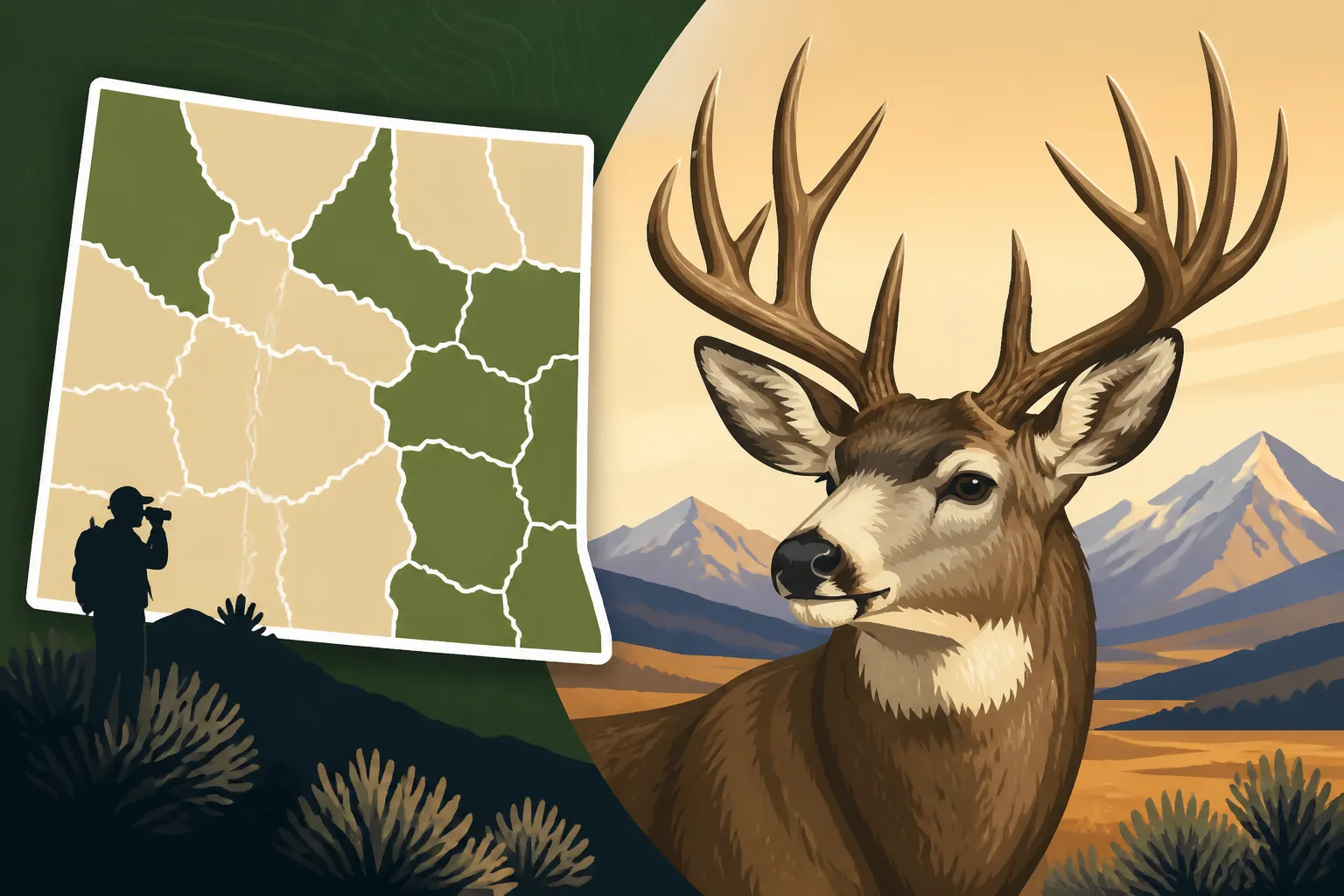
Best Units to Draw for a Mature Mule Deer
Drawing a mature mule deer tag in Wyoming feels like hitting the lottery sometimes, doesn't it? After all the effort, the research, and the waiting, it’s frustrating when you don't even know where to focus your energy to get into a quality hunt unit. This guide is here to walk you through how to strategize your application and target units that give you the best shot at punching a tag on a mature buck, navigating the complexities of draw odds and unit characteristics.
Understanding Wyoming's Mule Deer Landscape
Hunting mule deer in Wyoming is an experience unlike any other, with vast landscapes and diverse terrain. But finding and drawing a tag for a mature buck is a different ballgame entirely. It requires a keen understanding of the state's herd dynamics, the impact of recent environmental factors, and how draw odds truly work.
The Reality of Mule Deer Populations
Let's be real: Wyoming's mule deer herds have faced some tough times recently. The severe winter of 2022-23 delivered a significant blow to many populations, particularly in the western parts of the state. This isn't just a number on a spreadsheet; it's a harsh reality that has impacted hunters and deer alike. While some areas are seeing glimmers of recovery, others are still a long way from their pre-winter numbers. This means that the pool of mature bucks can be thinner in certain areas, increasing the competition for the remaining big deer. It’s crucial to understand how these population shifts might affect your hunt unit choices. For example, understanding What the 2022-23 Winter Killed Off helps set realistic expectations for current populations.
The challenge of "point creep" is also a constant companion for aspiring Wyoming mule deer hunters. As more and more hunters accumulate preference points, the number of points required to draw a coveted tag in top-tier units steadily increases. What might have taken 8 points five years ago could now require 10 or 12, pushing many hunters into a perpetual cycle of buying points without drawing. This trend forces a strategic re-evaluation for many, looking beyond the traditional "trophy units" to find quality hunting experiences elsewhere.
What "Mature Mule Deer" Really Means in Wyoming
When hunters talk about a "mature mule deer" in Wyoming, they're generally not just looking for a legal buck. They're dreaming of a buck that has survived multiple seasons, typically 4.5 years old or older, with a fully developed rack that showcases the genetics and nutrition of its environment. These bucks often have wider spreads, more mass, and a complex array of points, not just on their main beams but often with additional cheaters or kickers. In short, they are the kind of deer that make a lifetime memory. These older deer are often more elusive, wiser, and more challenging to locate, making the unit choice even more critical.
Identifying these mature bucks in the field requires a good eye and practice in Field Judging a Mule Deer Buck Quickly. It's about recognizing body size, neck thickness, and antler characteristics that signal an older animal. This distinction is vital because a unit might have plenty of deer, but only a handful of truly mature bucks. Our goal is to find units that offer a higher concentration of these older, wiser animals, not just high deer numbers overall.
How Draw Odds Influence Unit Selection
The draw odds are the gatekeeper to your Wyoming mule deer dreams. Every unit has different odds, influenced by factors like deer density, trophy potential, habitat quality, and hunter pressure. Units with a reputation for producing giant bucks often have abysmal draw odds, sometimes requiring more than a decade of accumulated preference points. This is where many hunters get stuck in a rut, continually applying for the same handful of legendary units year after year, only to be unsuccessful.
Understanding the odds is more than just looking at a percentage; it's about evaluating the number of tags, the number of applicants, and the point totals of successful applicants. Tools like those offered by GoHunt become invaluable here, allowing you to dive deep into historical draw data, compare units, and strategize your application based on your accumulated points and desired hunt experience. You can see how Points Needed for a Wyoming Mule Deer Tag vary wildly between units, helping you make an informed decision. Ignoring draw odds is like playing roulette; embracing them is like playing poker with a strategy.
Top Units for Mature Mule Deer: Balancing Opportunity and Points
When it comes to drawing a mature mule deer tag in Wyoming, it’s all about finding that delicate balance between trophy potential and realistic draw odds. Different hunters have different numbers of preference points and different levels of patience. This section aims to help you navigate those choices, whether you’re sitting on a pile of points or just starting out.
High-Point Units for the Patient Hunter
For those who have been playing the Wyoming preference point game for years, accumulating a substantial number of points, there are certain units that consistently produce top-end bucks. These are often the "blue chip" units, the ones whispered about in hunting circles, known for their genetics, expansive habitat, and management focused on older age-class bucks. We’re talking about areas that might demand 10, 12, or even 15+ points for a nonresident to draw a rifle tag. These units offer exceptional potential for truly giant deer, but drawing one is a commitment to the long game.
These units are typically in regions with vast, relatively undisturbed habitat, often bordering wilderness areas or private ranches with excellent winter range. They benefit from limited public access or difficult terrain that naturally reduces pressure. While the draw odds are tough, the payoff can be a buck of a lifetime. The strategy here is patience and consistency: continue to buy preference points every year, and when you finally draw, ensure you've done your homework on E-Scouting a Unit Before the Season Opens and are prepared for a physically demanding hunt. These units often require significant effort in terms of scouting and hunting within them, but the reward is often commensurate with the challenge.
Mid-Tier Units: The Sweet Spot for Many
The "mid-tier" units are where many hunters find their balance. These are units that might require a more modest number of preference points—say, 3 to 7 for a nonresident—but still offer solid potential for mature mule deer. They might not churn out Boone and Crockett bucks with the regularity of the high-point units, but they certainly produce beautiful, mature deer year after year. The competition is still real, but the draw odds are significantly better, making them a much more attainable goal for many hunters.
What makes these units attractive is often a combination of factors: good habitat, decent deer numbers, and perhaps slightly higher hunter pressure or more accessible terrain than the truly premium units. They might not be on every "trophy unit" list, but with diligent scouting and hunting effort, they can yield fantastic results. This is where tools like GoHunt really shine, allowing you to look at harvest statistics and draw success rates for a wider array of units, helping you identify those hidden gems that are "just right" for your point total. You might also find that some of these units have Antler Point Restrictions Kept for the 2026 Season which can help older bucks survive. These units often represent the best blend of quality and opportunity, making them a strategic target for a vast number of mule deer hunters.
Low-Point/General Units with Hidden Potential
Don't have many points, or want to hunt sooner rather than later? Don't despair! Wyoming still offers opportunities for mature mule deer in lower-point or even general license units, especially for resident hunters. The key here is not relying on the unit's reputation, but on your own willingness to scout hard and hunt smart. These units often require hunters to get off the beaten path, delve into overlooked corners, or target areas that might be less accessible. The deer are there, but they’re not necessarily going to be standing next to the highway.
Finding mature bucks in these areas often means focusing on less obvious terrain features, utilizing cover more effectively, and being willing to hike deeper than other hunters. It also involves thorough pre-season scouting, both digitally and physically, to understand deer movement patterns, bedding areas, and water sources. Sometimes, these units can be general season areas where intense hunter pressure pushes mature bucks into thicker cover or more remote pockets of public land. This approach leans heavily on a hunter's skill set, dedication, and ability to read the landscape. You might find success in areas like the Black Hills, which offer different habitat than the high desert and mountain units. Looking at resources like the Wyoming Hunt Planner can help identify these areas and overlay public land maps to find those hard-to-reach spots.
Strategic Planning for Your Wyoming Mule Deer Hunt
Landing a tag in a promising mule deer unit is only half the battle. The other half—and arguably the more crucial part—is the dedicated planning and execution that goes into the hunt itself. From utilizing advanced research tools to understanding the nuances of preference points, every step contributes to your ultimate success.
Researching Units with Data-Driven Tools
In today's hunting world, "winging it" with unit selection is a recipe for frustration. Modern hunters have an incredible array of data-driven tools at their fingertips, and neglecting them is like trying to navigate the wilderness without a map. Platforms like GoHunt are indispensable for anyone serious about drawing a quality Wyoming mule deer tag. They compile years of draw odds, harvest statistics, population data, and even detailed unit maps, allowing you to filter and compare units based on your specific criteria, such as your current preference point total, desired trophy quality, and even terrain preferences.
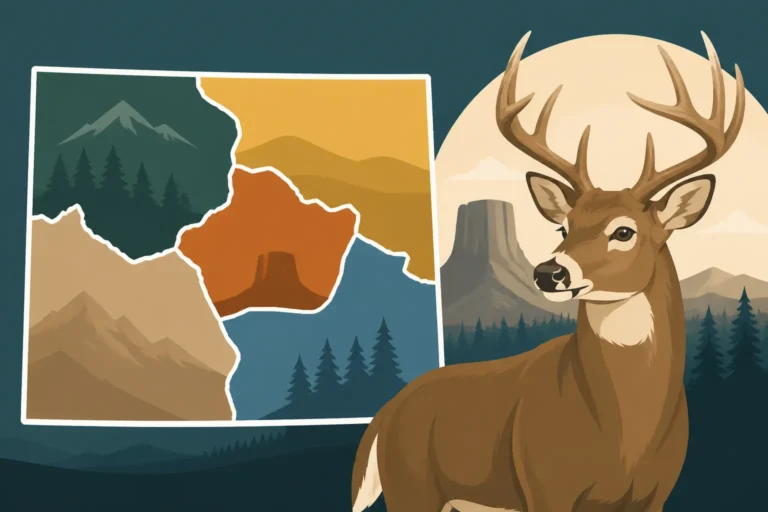
These tools allow you to analyze trends in Wyoming Draw Odds Broken Down by Hunt Area, helping you understand which units are becoming harder to draw and which might be seeing an increase in tag allocations. You can study success rates, species densities, and even find out about specific antler restrictions in certain areas. This deep dive into the data helps you move beyond anecdotal evidence and make truly informed decisions, maximizing your chances of not only drawing a tag but drawing into a unit that aligns with your hunting goals. It takes the guesswork out of the equation and replaces it with actionable intelligence.
Combining E-Scouting and Boots-on-the-Ground Reconnaissance
Once you've narrowed down your unit choices using data tools, the next step is to get intimately familiar with that specific piece of country. This starts with extensive e-scouting, poring over satellite imagery, topographical maps, and public land overlays from your home. Identify potential access points, bedding areas, feeding zones, water sources, and escape routes. Look for terrain features that concentrate deer, like isolated stands of timber, broken draws, or saddles connecting different pieces of habitat. Pay close attention to migration corridors, as deer movement can be highly seasonal.
However, e-scouting can only get you so far. Nothing replaces the value of boots-on-the-ground reconnaissance, if at all possible. Visiting your chosen unit in the off-season allows you to verify your e-scouting findings, identify active deer trails, locate fresh sign, and get a feel for the lay of the land. This is when you can confirm travel routes, understand wind patterns in specific drainages, and identify glassing knobs. Even if you can't visit the exact unit, visiting similar terrain in Wyoming can help you learn how to read the landscape. This combination of digital and physical scouting is paramount for success, helping you formulate a precise hunt plan rather than just wandering aimlessly. Knowing the terrain helps you determine the Best Time of Day to Glass Mule Deer and where to focus your efforts.
Maximizing Your Odds: Preference Points and Application Strategy
Successfully drawing a mature mule deer tag in Wyoming is a multi-year strategy, especially for nonresidents. It begins with understanding the state's preference point system. Wyoming operates primarily on a preference point system for its draws, which means that hunters with more points generally have a higher chance of drawing a tag in competitive units. If you're serious about hunting trophy mule deer in Wyoming, accumulating preference points is non-negotiable. This often means deciding whether to apply for a tag in a unit you might not draw or simply buying a point and building your equity.
Your application strategy should be dynamic. Review draw odds and your point total annually. If you're several points shy of drawing your dream unit, consider applying for a "backup" unit that offers reasonable odds and good hunting, or simply buy a point and wait. Many hunters successfully navigate the system by alternating between applying for their top-tier unit every few years and hunting lower-point or general units in between. Remember to apply well before the deadlines, usually in May for deer, and ensure all your information is correct. Don't miss the opportunity to buy points during the dedicated "point-only" window later in the year if you decide not to apply for a tag. Understanding How Wyoming Awards a Preference Point is critical for a long-term strategy.
| Unit Type | Typical Point Requirement (Non-Resident) | Trophy Potential | Hunter Pressure | Strategy |
|---|---|---|---|---|
| High-Point Trophy | 10+ | Excellent to Exceptional | Low to Moderate | Long-term point accumulation, meticulous scouting |
| Mid-Tier Quality | 3-7 | Good to Very Good | Moderate | Balanced approach, focused e-scouting, boots-on-ground |
| Low-Point/General | 0-2 (or OTC for residents) | Fair to Good | Moderate to High | Intensive scouting, wilderness hunting, unique access |
It’s important to remember that hunting mature mule deer in Wyoming is a journey, not just a destination. It involves careful planning, consistent effort, and a deep respect for the animal and its habitat. By combining smart application strategies with thorough scouting and realistic expectations, you can significantly increase your chances of finding that buck of a lifetime.
Disclaimer
This article is for general informational purposes only and does not constitute professional advice. Laws, prices and regulations vary by location and change over time. Consult a qualified professional for guidance on your specific situation.