Deer Hunting Opportunity Across Crook County
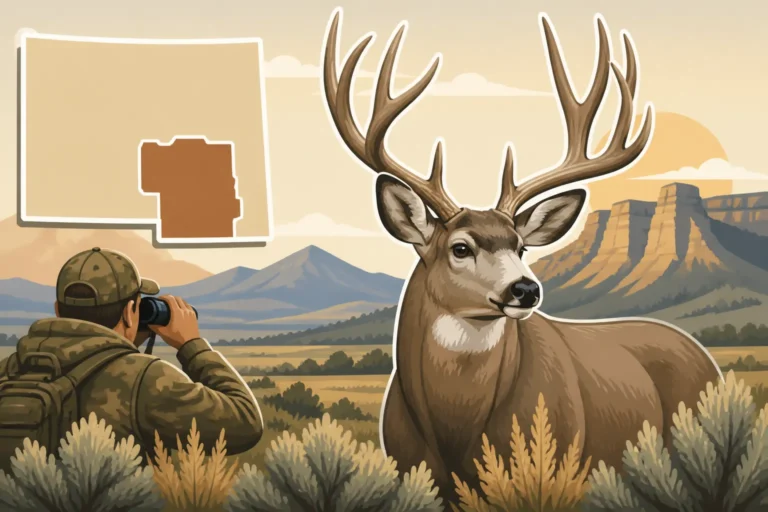
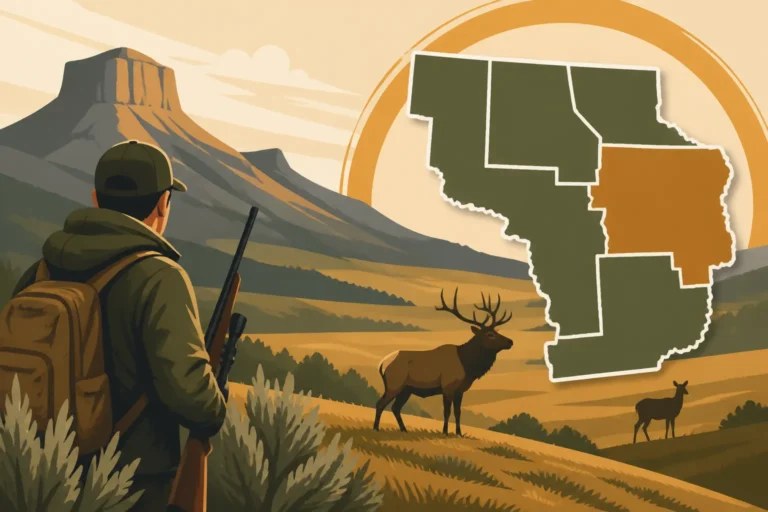
Hunting for deer in Wyoming often brings images of vast open spaces, but in places like Crook County, you encounter a unique blend of habitats that can be both exciting and challenging. Hunters often struggle to pinpoint the best spots or understand access, especially with both mule deer and whitetails present. This guide will illuminate the diverse deer hunting opportunities across Crook County, helping you plan a successful and rewarding hunt in this eastern Wyoming area.
Understanding Crook County's Unique Deer Landscape
Crook County, nestled in the northeastern corner of Wyoming, offers a truly distinctive deer hunting experience that sets it apart from much of the rest of the state. Unlike the sprawling sagebrush flats or high mountain ranges commonly associated with Wyoming big game, Crook County has a significant portion of the Black Hills National Forest, creating a habitat mosaic that supports both mule deer and whitetails. This mix of timbered mountains, rolling prairie, and riparian corridors means diverse hunting challenges and opportunities.
The Black Hills Influence on Deer Habitat
The Black Hills National Forest is the dominant geographic feature influencing deer populations and hunting opportunities in Crook County. This isn't your typical high-alpine forest; it's a unique island mountain range characterized by ponderosa pine forests, interspersed meadows, steep canyons, and rocky outcrops. For deer, this provides excellent cover, browse, and thermal protection, especially during the colder months.
The dense timber and varied terrain create pockets where whitetail deer thrive, particularly in the drainages and more secluded areas. Meanwhile, mule deer often prefer the more open edges of the forest, the transition zones into the prairie, and the rugged breaks. Understanding these habitat preferences is key to success. A hunter might spend one morning still-hunting dark timber for a whitetail buck and the next glassing open hillsides for a mule deer in the fringes of the forest. The presence of these distinct habitats means you need to adjust your scouting and hunting tactics accordingly, making it a dynamic and engaging hunt.
The Coexistence of Mule Deer and Whitetail
One of the most exciting aspects of deer hunting in Crook County is the strong presence of both mule deer and whitetail deer. While mule deer are often seen as the iconic Western deer, whitetails absolutely dominate the eastern river bottoms and parts of the Black Hills. This offers a unique chance to potentially pursue both species, though your license may specify one or the other depending on the hunt area and license type you draw. Telling a Whitetail From a Mule Deer in Wyoming is a skill you'll want to hone here.
The whitetails in Crook County are often found along the Belle Fourche River, other smaller riparian corridors, and within the denser timber blocks of the Black Hills. These bucks can be notoriously reclusive, using the thick cover to their advantage. Mule deer, on the other hand, might be found browsing the edges of agricultural fields, in the rolling grasslands, or on the more open, broken terrain leading up to the timbered areas. This mixed bag means a hunter must be versatile. You can't just apply one strategy and expect it to work for both. It’s a hunt that demands adaptability and a good understanding of deer behavior in varied environments.
| Feature | Mule Deer | Whitetail Deer |
|---|---|---|
| Antler Growth | Forked, dichotomous | Tines from a main beam |
| Ear Size | Very large, "mule-like" | Proportionately smaller |
| Tail Appearance | Narrow, white, often with a black tip | Broad, brown, "flags" when running |
| Habitat Focus | Open hillsides, broken country, forest edges | Dense timber, river bottoms, thick cover |
| Movement | Bounding "stotting" gait | Running, often with tail flagging |
| Primary Range | Found throughout, but prefer open/broken | Strong presence in eastern river bottoms and Black Hills |
Navigating Public and Private Land Access
Access is a perpetual topic for hunters in Wyoming, and Crook County is no exception. While the presence of the Black Hills National Forest provides substantial public land, the county also features a significant amount of private ground, often intermingled with public parcels. Understanding how to legally access hunting areas is paramount for a successful and ethical hunt.
Public Land: Black Hills National Forest and State Land
The most significant public hunting ground in Crook County is within the Black Hills National Forest. This federal land offers vast opportunities for hunters willing to put in the effort. Unlike some other parts of Wyoming, which are dominated by BLM lands, the Forest Service manages the majority of public land here. These forested areas are often accessible via established forest roads, though some areas might require hiking in. It's crucial to obtain a good map, either paper or digital like onX Hunt, to identify boundaries and plan your approach. Using tools like onX Hunt can give you an edge by showing public land overlays and possible access points directly from your phone. Do You Need a BLM Permit to Hunt Wyoming is a good read, though for this area, you'll be dealing more with Forest Service regulations.
In addition to federal lands, there are also parcels of Wyoming State Trust Land. These lands are managed by the state and are generally open to public hunting unless specifically posted otherwise. However, accessing State Trust Land can sometimes be tricky as many parcels are landlocked by private property. Always verify access routes and be respectful of any private landowners you might encounter near these parcels. Understanding your maps is critical to distinguishing between different types of public land and ensuring you are not trespassing.
Understanding Private Land and Access Programs
A substantial portion of Crook County is private ranch land, often dedicated to cattle operations or other agricultural pursuits. While the dream is always to hunt public ground, many large deer, particularly whitetails, will utilize these private lands for food and sanctuary. Gaining access to private land can unlock incredible hunting opportunities. This often involves contacting landowners well in advance, months before the season, to inquire about permission or potential trespass fees. Building a relationship with a landowner can pay dividends over multiple seasons.
Wyoming also has programs designed to facilitate public access to private land or landlocked public parcels. The How Wyoming's Access Yes Program Works is a fantastic initiative that provides public hunting access to private lands and inaccessible public lands through agreements with landowners. These areas are designated as Walk-In Areas (WIA) or Hunter Management Areas (HMA). WIA's generally do not require prior permission, while HMAs often require a free permission slip obtained online or from a local Game and Fish office. Checking the Wyoming Game and Fish Department website for updated Access Yes maps is essential. These programs are a lifesaver for hunters looking to expand their options beyond the readily accessible public lands.
Strategies for Deer Hunting Success in Crook County
Hunting deer in Crook County requires a versatile approach, given the varied terrain and the presence of both mule deer and whitetails. Whether you're planning a DIY adventure or considering a guided trip, having solid strategies in place will increase your chances of success.
Effective Scouting and E-Scouting
Before you even set foot in Crook County, comprehensive scouting is non-negotiable. For a region with mixed habitats, e-scouting can be incredibly effective. Utilize satellite imagery on platforms like onX Hunt to identify key features: timber edges, creek bottoms, open meadows within the forest, potential bedding areas on south-facing slopes, and travel corridors between different habitat types. Pay close attention to changes in vegetation and terrain that might indicate prime deer habitat. You can also leverage resources like GoHunt to research draw odds and historical harvest data for specific hunt areas in Crook County, giving you a realistic picture of your chances.
Once on the ground, traditional scouting methods come into play. Look for fresh tracks, rub lines, scrapes, and feeding sign. In the timber, these signs will be more concentrated. In open areas, pay attention to trails leading to and from water sources or bedding cover. Consider using trail cameras in areas you plan to hunt, especially where legal on public land, to monitor deer movement patterns. E-Scouting a Unit Before the Season Opens can save you valuable time and boot leather once you're on site.
Adapting Hunting Tactics to Terrain and Species
Given the diverse landscape and deer species, adapting your hunting tactics is crucial.
- For Whitetails in Timber and River Bottoms: Still-hunting slowly and quietly through the ponderosa pine forests can be highly effective. Focus on natural funnels, saddles, and dense pockets of cover. In the river bottoms, stand hunting from a tree stand or ground blind overlooking known travel routes or feeding areas works well. Whitetails are masters of using cover, so patience and stealth are key. You'll want to move with the wind in your face and take advantage of any terrain features that break up your silhouette.
- For Mule Deer in Open and Broken Country: Glassing is your best friend. Find a high vantage point overlooking canyons, open draws, and the transition zones between timber and prairie. Spend long periods behind your optics, systematically picking apart the landscape. A good pair of binoculars and a spotting scope are indispensable. Once a buck is spotted, plan a careful stalk, using terrain features like ridges, draws, and brush to conceal your approach. Glassing Wyoming Basins Before You Take a Step offers great advice that directly applies here. Early mornings and late evenings are often the most productive times for mule deer activity in these areas.
Season Timing and Rut Activity
The timing of your hunt in Crook County can significantly impact your success, especially if you're targeting rutting bucks. Generally, the firearm deer seasons for general licenses in Crook County typically fall in October. Whitetail rut activity usually peaks later in November, which might require a specific limited-quota tag or a late-season opportunity if available. Mule deer rut often occurs in early to mid-November, with bucks becoming more active and vulnerable as they search for does.
If you have the flexibility to hunt during the rut, focus on areas where does congregate, as bucks will inevitably be nearby. For example, When the Mule Deer Rut Actually Starts gives you a good idea of what to expect for those western bucks, and When Whitetail Rut Dates Fall on the Plains will be key for the eastern part of the county. Keep an eye on the weather, as cold fronts and snow can often kick deer activity into high gear. Always check the current year's Wyoming Game and Fish Department regulations for precise season dates for your specific hunt area.
Key Considerations for Your Crook County Hunt
Before heading to Crook County, there are several practical details and regulations you'll want to solidify. Being prepared can make all the difference between a frustrating trip and a memorable hunting experience.
License Types and Draw Odds
Deer licenses in Wyoming come in various types, often designated by numbers (e.g., Type 1, Type 6). For Crook County, you'll primarily be looking at general deer licenses (which can be over-the-counter for residents, but often require drawing for non-residents) or specific limited-quota tags for certain hunt areas or antlerless opportunities. Non-residents usually apply through the draw system, and building preference points can be crucial for drawing desirable tags in popular areas. Points Needed for a Wyoming Mule Deer Tag or Wyoming Antelope Odds With Zero Preference Points might not be directly about Crook County deer, but understanding the draw system is key.
Always research the draw odds for the specific hunt area you are interested in. Websites like GoHunt provide excellent data and tools to help you analyze your chances. It's important to understand what your tag allows you to harvest – for example, a Type 1 tag typically allows for an antlered deer, while a Type 6 or Type 8 might be for antlerless deer. Make sure the license you apply for aligns with your hunting goals.
Gear Essentials for Diverse Terrain
Given the varied terrain in Crook County, your gear selection should be adaptable. If you're hunting the timbered slopes of the Black Hills, sturdy, waterproof hiking boots with good ankle support are essential. Consider layering your clothing to adjust to temperature swings, especially during early morning and late evening hunts. A good quality backpack to carry your essentials, including water, snacks, first-aid, and game bags, is a must.
For glassing in more open areas, high-quality binoculars (10×42 or 10×50 are popular choices) and a spotting scope with a tripod will significantly improve your ability to locate deer at long distances. If hunting during rifle season, remember that Blaze Orange Requirements Through the Rifle Season apply. For bowhunters, consider if Whether Lighted Nocks Are Legal for Bowhunters affects your setup. Don't forget a reliable rangefinder for accurate shot placement. And, of course, always carry a knife, game bags, and a way to signal for help, such as a satellite communication device, especially if venturing into more remote areas.
Respecting Landowner Boundaries and Regulations
Crook County is a place where public and private lands are often interspersed. This means that hunters must be extra vigilant about knowing exactly where they are at all times. Using a reliable GPS unit with land ownership layers, like those provided by onX Hunt, is absolutely critical. Even a slight misstep onto private property without permission can lead to serious consequences, including fines, confiscation of game, and loss of hunting privileges.
Always carry your hunting license and conservation stamp, and be prepared to show them to any game warden or landowner. Familiarize yourself with all Wyoming hunting regulations, including those specific to deer, your hunt area, and general rules about hunter safety. Wyoming Legal Shooting Hours for Big Game are crucial to know and follow strictly. By being respectful of land boundaries and adhering to all regulations, you contribute to a positive public image for hunters and help preserve hunting access for future generations.
Disclaimer
This article is for general informational purposes only and does not constitute professional advice. Laws, prices and regulations vary by location and change over time. Consult a qualified professional for guidance on your specific situation.