Whether Corner Crossing Is Legal in Wyoming
Trying to access what seems like perfectly good public land, only to be stopped dead in your tracks by a corner post that touches four different sections—two public, two private—is one of the most maddening frustrations for any hunter in the West. It feels like public land, but you can't step foot on it without trespassing, or can you? This guide will dive deep into the specific legal landscape of corner crossing in Wyoming, clarifying what the law says and how hunters can navigate these tricky boundaries without breaking the rules.
The Core of the Corner Crossing Controversy
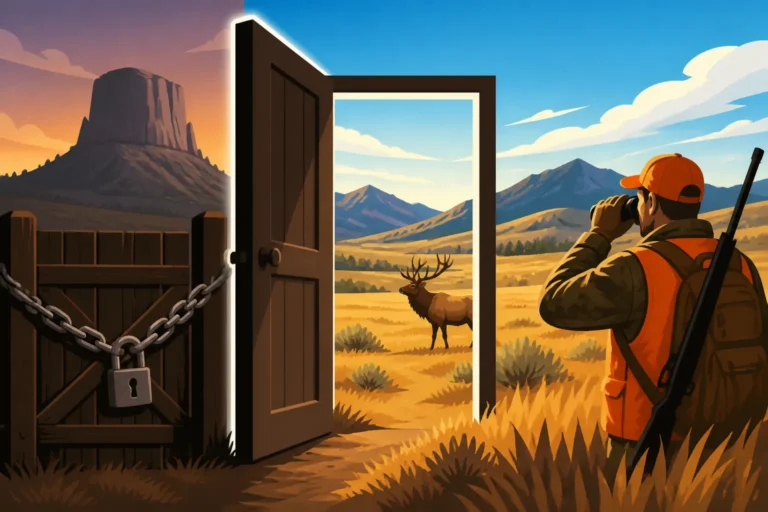
For years, hunters and public land advocates have wrestled with the frustrating reality of "landlocked" public parcels. Imagine looking at your GPS and seeing a vast block of Bureau of Land Management (BLM) land, but every square inch is surrounded by private property, except for a tiny corner where two public sections meet. The question then becomes: can you step from one public section to another across that corner without technically trespassing on the private land that also meets at that exact point? This isn't just a theoretical problem; it’s a very real barrier that has limited access to millions of acres of public ground across Wyoming and other Western states.
What is Corner Crossing, Really?
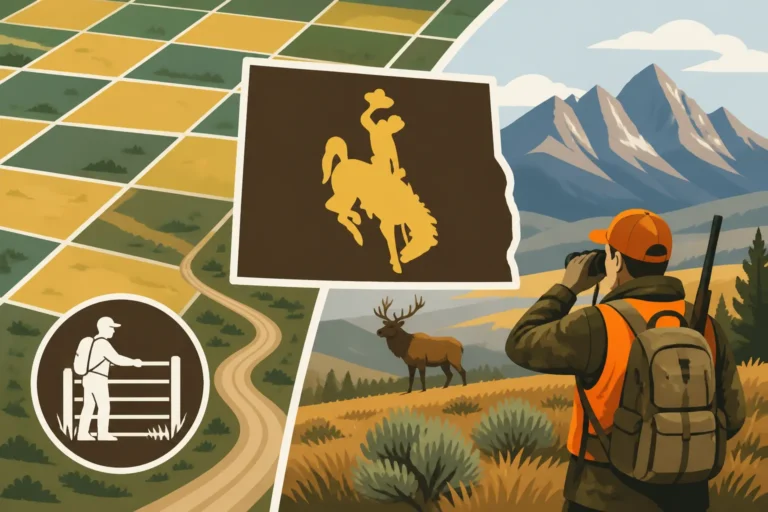
At its heart, corner crossing refers to the act of moving from one piece of public land to another at a common corner point, where the four corners of two public and two private parcels meet. Picture a checkerboard pattern, which is incredibly common across the Western landscape, a legacy of historical land grants. In this pattern, sections of public land often alternate with sections of private land. A "corner" in this context is where four such sections converge. Historically, landowners argued that even briefly passing through the airspace above their property at that corner, or touching a corner post that might be on their land, constituted trespass. This effectively turned many public land parcels into islands, unreachable without either gaining permission from private landowners (often impossible or costly) or risking a legal battle.
The physical act itself is usually very brief: a step, a hop, or even using a small stepladder to avoid touching the ground on private property. For decades, this seemingly innocuous act has been a flashpoint, embodying the larger conflict over public land access. Hunters, especially those relying on mapping tools like onX Hunt, often find themselves staring at these corners, tantalizingly close to prime hunting ground but legally paralyzed by ambiguity and the threat of prosecution. It's a situation that has driven many to simply turn back, rather than risk a run-in with the law or an angry landowner.
The Wyoming Legal Decision That Changed Everything
The legal status of corner crossing in Wyoming has been a whirlwind, culminating in a landmark decision that has significant implications for public land access. The case in question involved four hunters who were cited for criminal trespass after using a stepladder to cross a corner where two parcels of public land met with two parcels of private land. They never touched the private ground but passed through the airspace above it. This ignited a legal battle that wound its way through the courts.
Ultimately, the Tenth Circuit Court of Appeals issued a ruling that clarified the situation: traversing the air above private land at a common corner, without touching the private land itself, does not constitute trespass. This was a monumental victory for public land access advocates and hunters. The court essentially stated that property rights extend upward and downward, but at a shared corner, the landowner's domain doesn't extend so broadly as to prevent someone from passing through the point where four parcels meet, so long as no physical contact is made with the private surface. This ruling didn't just impact Wyoming; it set a precedent that influences the interpretation of corner crossing legality across all states within the Tenth Circuit's jurisdiction, including Colorado, Kansas, New Mexico, Oklahoma, and Utah. It affirmed a principle many hunters had long argued: that if you're not on private ground, you're not trespassing.
Practical Considerations for Corner Crossing in Wyoming
While the legal hurdle for corner crossing has been significantly lowered, actually executing a legal corner cross in the field still requires diligence and an understanding of the nuances. It's one thing to know the law in theory and another to apply it safely and respectfully in the vast, often remote, landscapes of Wyoming. Navigating these situations demands careful planning, the right tools, and a healthy dose of common sense to avoid accidental trespass or unnecessary confrontations.
Mapping Tools and Their Limitations
Modern mapping applications have revolutionized how hunters navigate public and private lands. Tools like onX Hunt are indispensable for identifying property boundaries, including those tricky checkerboard corners. With detailed satellite imagery and property ownership overlays, you can literally see where public and private parcels meet, down to the exact corner post. This visual clarity empowers hunters to pinpoint legal corner crossing opportunities and plan their approach.
However, it's absolutely crucial to remember that these apps, while incredibly accurate, are not infallible. They are tools, not the final word of the law or an official survey. While onX Hunt often works closely with county parcel data, discrepancies can exist, or boundaries might be surveyed slightly differently on the ground. For critical situations, particularly those involving potential conflict, always be prepared to verify land status with official county plat maps or the appropriate land management agency (e.g., BLM, Forest Service). Thinking of your GPS app as a guide rather than an absolute legal authority is key. It helps you find the corner, but your actions at that corner still need to adhere strictly to the legal interpretation.
Avoiding Actual Trespass: The "Airspace" and "Ground Contact" Rules
The Tenth Circuit's ruling hinges on the idea of traversing airspace at the corner, without making physical contact with private land. This is the golden rule you must adhere to. So, how do you do that in practice? Many hunters utilize a portable stepladder or even just a very careful, precise step directly over the corner point. The goal is to move from public land, through the air that meets at the four corners, and onto another piece of public land, ensuring no part of your body or gear touches the ground of the adjacent private parcels.
It sounds simple, but in rugged terrain, or when brush and fences complicate matters, it can be challenging. Some corners are marked by fence lines, others by invisible survey points. Always proceed with caution. The intent of the law is not to prevent access to public land, but to prevent the physical invasion of private property. If you accidentally stumble and touch private ground, technically, you've trespassed. While a single, minor, accidental touch might not lead to immediate legal action, it's best to be as meticulous as possible. Always double-check your position, take slow and deliberate steps, and use the tools at your disposal to maintain strict adherence to the airspace rule.
The "No Buffer Zone" Reality
One common misconception that often arose before and during the corner crossing debates was the idea of a "buffer zone" around property corners. Some private landowners argued that there should be a small area, perhaps a few feet or yards, extending from their property line at a corner, into which public land users could not enter. This idea of a "buffer" would effectively re-create landlocked parcels, even if the corner itself was accessible in theory.
The Tenth Circuit's decision effectively debunked this "buffer zone" concept. The court found that there is no legal basis for such a zone. Property lines meet precisely at a point, not within an expansive area. Therefore, a hunter may approach the absolute corner point from public land, cross the airspace at that precise point, and step onto another piece of public land, without any "buffer" needing to be respected. This is a critical clarification because it means that if you can physically cross the airspace at the corner, you are legally entitled to do so. However, it doesn't mean you should be careless. Always be aware of your surroundings and avoid unnecessary antagonism with landowners. Even when you're in the right, sometimes avoiding conflict is the wisest course of action. Keep an eye out for how onX Is Not the Final Word on a Boundary, but it's an excellent guide.
Broader Implications for Wyoming Hunters
The ruling on corner crossing isn't just a win for a few individuals; it's a significant development that fundamentally alters how hunters can access and utilize vast swaths of public land in Wyoming. This legal clarity opens up new opportunities and responsibilities, changing the game for those who venture into the state's diverse landscapes. Understanding these broader implications helps hunters not only navigate the terrain but also contribute positively to the future of public land access.
How Corner Crossing Opens Up New Hunting Ground
The immediate and most exciting implication of the corner crossing ruling is the unlocking of previously inaccessible public lands. Many public land sections, particularly those managed by the Bureau of Land Management (BLM) and the State of Wyoming, are part of the historical "checkerboard" land patterns. These sections were often completely surrounded by private land, with access only possible at corners. Before this ruling, millions of acres were effectively off-limits to hunters and other outdoor enthusiasts. Now, with the clarity provided by the courts, hunters can strategically utilize these corner access points to reach prime hunting areas that were once considered unreachable.
Think about the sheer amount of federal land in Wyoming; BLM Holds 27,860 Square Miles of Wyoming, much of it within these checkerboard patterns. For a hunter meticulously scouting an area using tools like GoHunt, identifying a previously landlocked section with excellent habitat for mule deer or pronghorn now means a viable path to reach it. This ruling fundamentally changes the calculus for planning a hunt, transforming what might have been considered impassable barriers into navigable access points. It means more boots on the ground in areas that previously saw little pressure, potentially spreading hunters out and offering new opportunities for quality experiences. This also ties into methods of finding Landlocked Public Land in Wyoming, which are now much more viable to actually access.
Respecting Private Landowners and Preventing Conflict
While the legal victory for corner crossing is undeniable, it comes with a strong ethical imperative: respecting private landowners. Just because you have the legal right to cross a corner doesn't mean you should be disrespectful or confrontational. Many landowners still feel a sense of unease or even hostility towards corner crossing, and it's essential for hunters to be good ambassadors for public land access. Always conduct yourself with courtesy and professionalism. Avoid leaving trash, damaging fences, or disturbing livestock, even if you are on the public side of the fence. The goal is to exercise your right without creating animosity or providing ammunition for future legal challenges against public access.
Consider the context: many landowners depend on their property for their livelihood, and perceived intrusions can be upsetting. While the law is clear, maintaining good relations with private citizens is crucial for the long-term health of public access. In situations where there might be a high volume of traffic, or where you anticipate potential issues, consider exploring other access avenues. Programs like Access Yes Opens Private Wyoming Ground to Public Hunters provide opportunities to hunt private land with explicit permission, often through agreements that benefit both landowners and hunters. These programs can complement corner crossing by providing alternative access points and fostering positive relationships within the hunting community.
Staying Informed: Regulations and Future Challenges
The legal landscape, especially concerning land access, is rarely static. While the Tenth Circuit's ruling provides a strong precedent, vigilance is always necessary. Property rights groups and some landowners may continue to advocate for tighter restrictions or seek new legal avenues to limit access. It’s essential for hunters who care about public land access to stay informed about any proposed changes to state or federal regulations that could affect corner crossing or other access methods. This might involve keeping up with news from the Wyoming Game and Fish Department, land management agencies, and reputable hunting and conservation organizations. Many online resources, including forums and news sections on sites like GoHunt, also provide updates on relevant legal developments.
Additionally, while the legal framework is clear, practical challenges can still arise. Misunderstanding of the law by local authorities or individual landowners can still lead to uncomfortable situations. Knowing your rights, carrying copies of relevant maps, and maintaining a calm, respectful demeanor can help de-escalate potential conflicts. It’s important to understand that a legal ruling doesn't instantly erase decades of established norms or local perceptions. Continued advocacy, education, and responsible hunting practices are key to solidifying and protecting public land access for future generations in Wyoming. Always remember that while you may have the legal right to access a corner, using common sense and respecting the spirit of the law will ensure a better experience for everyone.
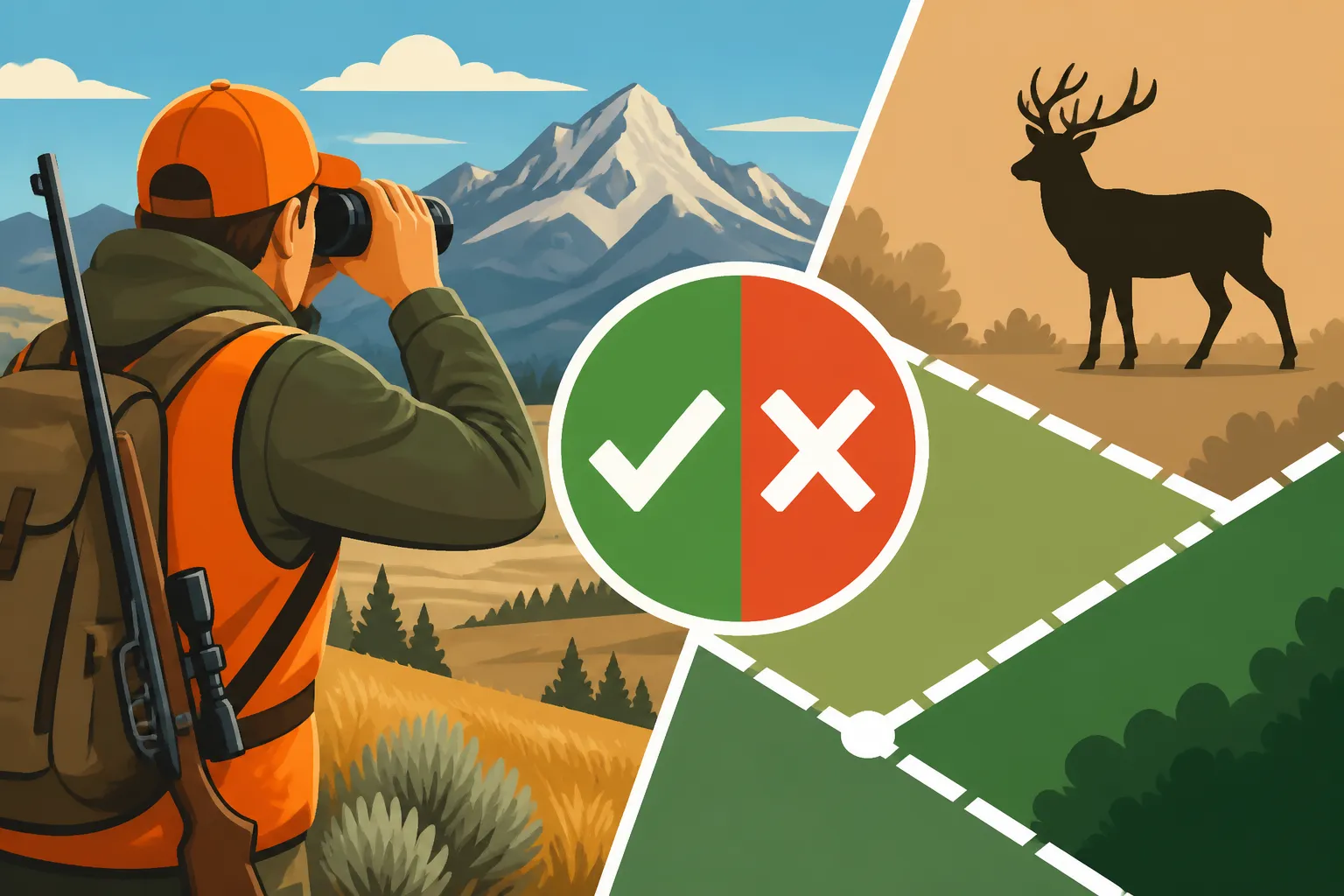
Understanding Corner Crossing Legality: A Quick Comparison
| Feature | Allowed by Law | Not Allowed by Law (Trespass) |
|---|---|---|
| Physical Contact | Stepping over private land at the corner without touching the ground. | Touching private land with your foot, hand, or gear (even briefly) while crossing. |
| Airspace | Passing through the airspace directly above the common corner point. | Floating or flying over private land beyond the immediate corner point to access other public. |
| Intent | Moving from one public parcel to another at the corner. | Intentionally moving onto private land, even briefly, for any purpose. |
| Tools | Using a small, temporary stepladder to avoid ground contact. | Erecting permanent structures on private land without permission. |
| Boundaries | Relying on accurate GPS mapping (e.g., onX Hunt) to identify public corners. | Assuming boundaries based on old maps or unreliable information without verification. |
| Behavior | Respectful and discrete passage. | Confrontational behavior, leaving trash, damaging property, disturbing livestock. |
Disclaimer
This article is for general informational purposes only and does not constitute professional advice. Laws, prices and regulations vary by location and change over time. Consult a qualified professional for guidance on your specific situation.