Whether You Need a BLM Permit to Hunt
One of the most common questions I hear from hunters, especially those new to the Cowboy State or venturing onto public lands for the first time, revolves around permits. There's often a lot of confusion about whether you need a special permit from the Bureau of Land Management (BLM) just to hunt on their vast stretches of public ground. Let's clear up this common misconception and guide you through what you truly need to chase game across Wyoming's incredible landscapes.
Understanding BLM Land and Its Role in Wyoming Hunting
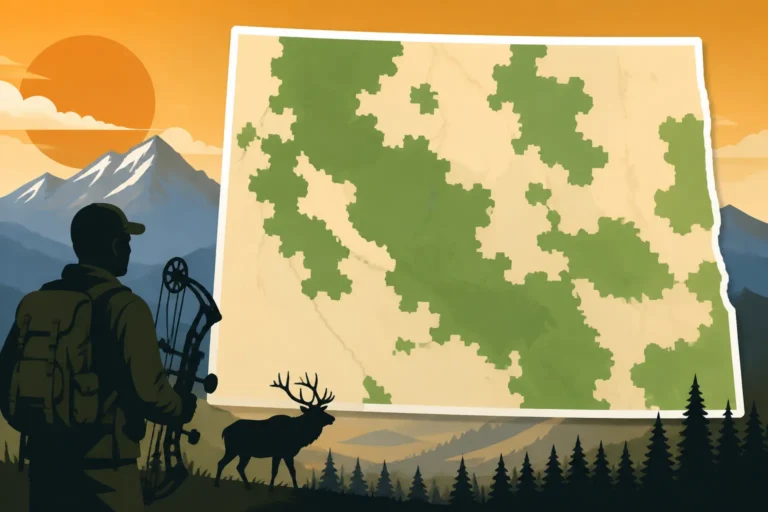
The Bureau of Land Management (BLM) oversees an astonishing amount of public land here in Wyoming – we're talking about millions of acres. When you look at a map, you'll see large swaths of this land, often characterized by open sagebrush flats, rolling hills, and occasional draws. This isn't like a national park with strict entry requirements or even a national forest with specific camping permits. BLM lands are managed under a "multiple-use" mandate, meaning they support everything from recreation like hunting and camping to grazing, energy development, and mineral extraction. This unique management style is why the rules for hunting on BLM often differ from other public land types.
What is BLM Land?
BLM land is federal public land, managed by the U.S. Department of the Interior. Its primary goal is to sustain the health, diversity, and productivity of public lands for the use and enjoyment of present and future generations. For hunters, this means open access to millions of acres. Unlike private land, you don't need a specific handshake or written permission from a landowner to step foot on most BLM ground. However, "open access" doesn't mean "no rules." It means a different set of rules than what you might expect if you're coming from states with more private hunting opportunities. It’s important to remember that these lands are working landscapes, and you might encounter livestock, oil and gas operations, or other public users during your hunt. BLM Holds 27,860 Square Miles of Wyoming is a good read if you want to dive deeper into just how much ground we're talking about.
How Does BLM Differ from Other Public Lands?
While all federal lands are "public," how they're managed and the specific regulations can vary significantly. National Forests, for instance, are managed by the U.S. Forest Service, often focusing more on timber, watershed protection, and recreation in forested, mountainous environments. National Parks, by contrast, are generally closed to hunting. BLM lands, with their emphasis on multiple use, tend to be more open, arid, and often intermingled with private and state lands, creating a complex checkerboard pattern in many areas. This checkerboard can be a real headache for hunters trying to find legal access, making tools like onX Hunt absolutely invaluable for identifying public boundaries. Understanding Wyoming's Federal Land Split: BLM and Forest Service can help clarify these distinctions and help you plan your hunts more effectively.
The Core Answer: No Specific BLM Hunting Permit Required
This is the big takeaway: no, you do not need a separate, special permit from the Bureau of Land Management to hunt on BLM land in Wyoming. This is a common point of confusion, but once you understand it, it simplifies your planning immensely. Your Wyoming hunting license and species tag are what you need to legally pursue game within the state's regulations, regardless of whether you're on BLM, National Forest, or accessible State Trust Land.
Your Wyoming Hunting License and Tags Are Key
When you decide to hunt deer, elk, or antelope in Wyoming, the first and most crucial step is securing your appropriate hunting license and species-specific tag through the Wyoming Game and Fish Department (WGFD). These are your golden tickets. Whether you drew a limited quota tag or purchased a general license over the counter (if available for your species and area), that license and tag grant you the legal right to hunt in Wyoming, subject to all state and specific hunt area regulations. The BLM simply provides the location for many of these hunts; they don't add an extra layer of permitting for the act of hunting itself. It's really about complying with the state's rules, not separate federal ones for hunting activity.
The Myth of the "BLM Hunting Permit"
This myth likely stems from other federal land uses. For example, commercial outfitters operating on BLM land might need a special use permit from the BLM. Or, if you were to host a large event, like an organized race or a commercial filming project, on BLM ground, you'd absolutely need a permit. But for an individual hunter, pursuing legal game with a valid state license and tag, no such BLM-specific hunting permit exists. The BLM is interested in managing the land itself, ensuring responsible use, and preventing damage to resources, not in regulating the act of hunting, which falls under state jurisdiction. So, you can leave that "BLM permit" worry behind and focus on the important stuff, like understanding How to Read a Wyoming Hunt Area Number and scouting out prime locations.
Essential Rules and Considerations for Hunting on BLM Land
While a specific BLM hunting permit isn't necessary, that doesn't mean there are no rules to follow. BLM lands are public, but they're not a free-for-all. Hunters must adhere to all Wyoming Game and Fish Department regulations, as well as general BLM land-use rules that apply to everyone. These rules are usually focused on preserving the land, preventing user conflicts, and ensuring safety.
Vehicle Use and Access Restrictions
One of the most critical aspects of hunting on BLM land is understanding vehicle access. You might imagine vast, open plains where you can drive anywhere, but this isn't the case. Most BLM lands are subject to a "travel management plan," which designates specific roads and trails for motorized use. Driving off-road is generally prohibited and can lead to hefty fines and resource damage. Always carry a detailed map, whether paper or digital like onX Hunt, that clearly shows designated travel routes. Knowing Reading a Motor Vehicle Use Map is essential here. You don't want to accidentally drive into a closed area and ruin your hunt, or worse, cause environmental harm. This is especially true when navigating the often confusing boundaries that sometimes create Checkerboard Land and Wyoming Access.
Camping and Fire Regulations
Dispersed camping is often allowed on BLM land, meaning you can typically set up camp almost anywhere, usually for up to 14 days in a 30-day period. This is fantastic for hunters who want to stay close to their hunting grounds. However, there are rules. Always camp at least 200 feet from water sources, trails, and roads. Pack out everything you pack in, including trash and human waste, using proper Leave No Trace principles. Campfires are usually permitted, but always check for current fire restrictions or bans, especially during dry seasons. A small, portable fire pan can minimize impact. Being aware of Dispersed Camping on Wyoming BLM Ground and following these guidelines helps keep these lands open and pristine for everyone.
Respecting Private Land Boundaries
This is perhaps the most significant challenge when hunting on BLM land in Wyoming: the intricate mix of public and private ownership. It's incredibly easy to inadvertently cross onto private property, which can lead to trespassing charges, losing hunting privileges, and earning a bad reputation for hunters. You are responsible for knowing where you are at all times. This is where digital mapping apps like onX Hunt become absolutely indispensable. They layer public and private land boundaries right onto your GPS-enabled device, allowing you to see exactly where you stand in real time. Never assume a fence line means a property line, as many fences are internal to large ranches. Always verify your location. For a deeper dive into how to avoid common pitfalls, check out Using onX Public Land Layers in Wyoming.
Finding and Legally Accessing BLM Land for Your Hunt
So, you know you don't need a BLM permit for hunting, but how do you actually find these lands and ensure you can legally get to them? This is where meticulous planning, good mapping tools, and understanding different access methods come into play.
Utilizing Digital Mapping Tools (onX Hunt, GoHunt)
Forget the days of solely relying on paper maps and hope. Today, digital mapping applications are your best friend for navigating Wyoming's complex land ownership. onX Hunt is particularly popular among hunters for its incredibly accurate public/private land ownership layers, showing BLM, National Forest, State Trust Land, and private parcels with color-coded clarity. You can download maps for offline use, mark waypoints, and track your movements. GoHunt also offers excellent mapping features, often integrated with their draw odds and harvest data tools, making it a powerful resource for not only finding land but also for research during your application process. These tools allow you to visualize Finding Wyoming BLM Parcels on a Map with unprecedented accuracy, reducing the risk of accidental trespass.
| Mapping Feature | Benefit for Hunters on BLM Land |
|---|---|
| Public/Private Layers | Clearly shows land ownership, helping avoid trespass and identify legal access. |
| GPS Tracking | Real-time location display, ensuring you know exactly where you are relative to boundaries. |
| Offline Maps | Critical for areas with no cell service, allowing continued navigation in remote regions. |
| Waypoints & Markings | Mark game sightings, water sources, potential camp spots, and access points. |
| Designated Roads/Trails | Identifies legal motorized travel routes, preventing off-road violations and resource damage. |
Understanding Public Access Points
Accessing BLM land isn't always straightforward. Sometimes a public road directly abuts BLM property, offering clear access. Other times, BLM parcels might be "landlocked" by private land, meaning there's no legal way to reach them without permission from the private landowner. It's crucial to identify legal access points before your hunt. This could involve public roads, easements, or even Navigable Water Access for Wyoming Hunters if a river or stream legally flows through the area. Don't assume that because a block of public land is visible on a map, you can simply walk across private property to get to it. Always look for established public access routes, or for specific programs designed to open up private lands.
The Role of Wyoming's Access Yes Program
Wyoming's Access Yes program is a fantastic initiative designed to improve public hunting and fishing access to private lands and landlocked public lands. Through agreements with private landowners, the Wyoming Game and Fish Department secures access for hunters. These areas might be designated as "Walk-In Areas" (WIAs) or "Hunter Management Areas" (HMAs). Walk-In Areas typically don't require advance permission, while Hunter Management Areas often require a free access permission slip that you can print online. Always check the current WGFD Access Yes map and regulations before you go. This program is a game-changer for accessing areas that would otherwise be unreachable, including some challenging BLM parcels. Familiarizing yourself with How Wyoming's Access Yes Program Works could open up a lot of new hunting opportunities for you.
Disclaimer
This article is for general informational purposes only and does not constitute professional advice. Laws, prices and regulations vary by location and change over time. Consult a qualified professional for guidance on your specific situation.