What Region G Covers for Elk Hunters
Hunting in Wyoming is an experience unlike any other, but understanding the intricate system of hunt regions and license types can feel like trying to decipher an ancient map. Many elk hunters, especially those new to the state or exploring public land options, often find themselves wondering what exactly "Region G" means for their pursuit of a bull. This guide aims to clear up that confusion, diving deep into the characteristics, challenges, and opportunities that Region G presents for elk hunters.
What Exactly is Wyoming's Elk Region G?
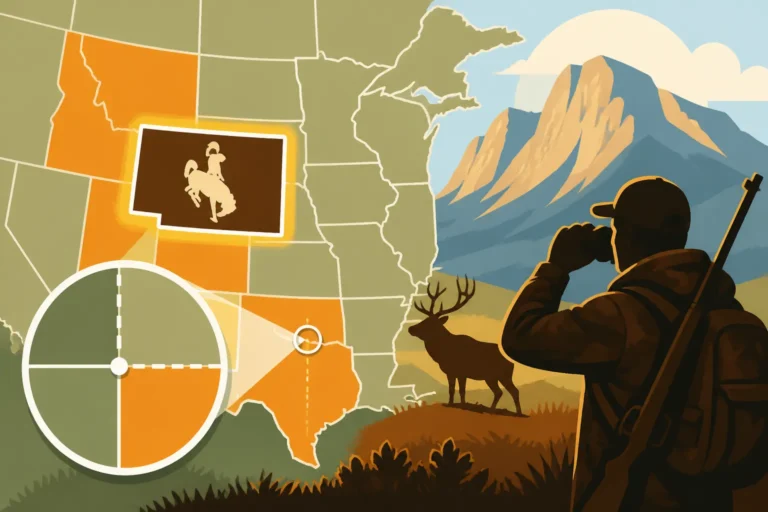
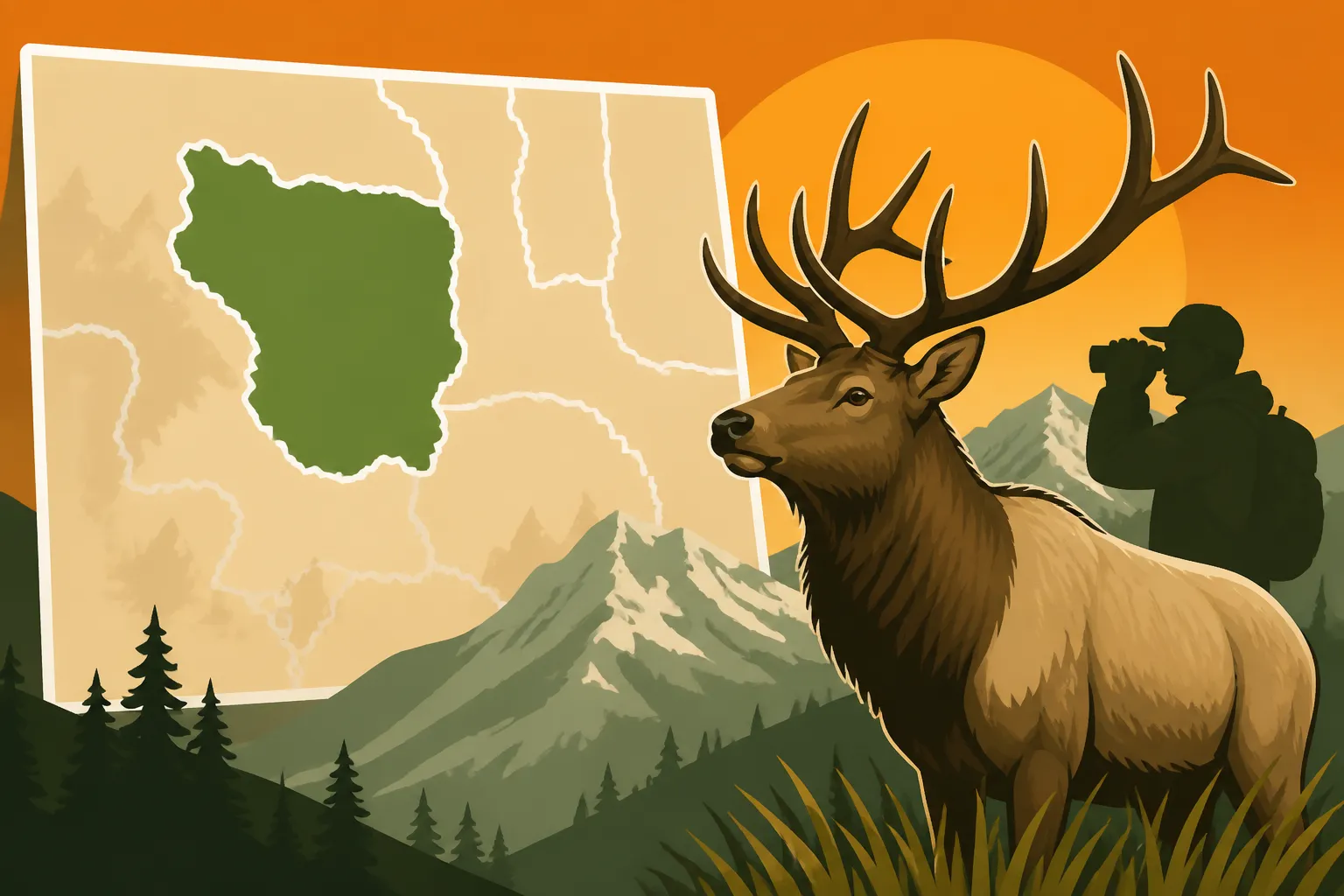
Region G is more than just a letter on a map; it's a vast and iconic elk hunting landscape in Wyoming, primarily encompassing a significant portion of the western part of the state. When people talk about "Region G," they're often referring to a general license area that allows access to several individual hunt units. It's a massive swath of country, known for its rugged mountains, expansive forests, and genuine wilderness feel. This region offers a true Western hunting adventure, but it certainly doesn't come without its complexities and challenges.
Geographical Boundaries and Adjacent Areas
Geographically, Wyoming's Region G for elk primarily covers much of the Bridger-Teton National Forest and surrounding Bureau of Land Management (BLM) acreage. This means you're looking at some seriously big country, stretching from south of Jackson Hole, encompassing areas around Pinedale, and extending into portions of the Wyoming Range. To its north, you might find yourself bordering other elk regions or even the national parks where hunting is prohibited. To the east and south, it might transition into different deer or antelope regions, or specific limited quota elk units. It's crucial to understand these larger geographic boundaries, as elk, being the migratory animals they are, certainly don't read the same maps we do. Their movements are dictated by forage, weather, and hunting pressure, often taking them across arbitrary lines.
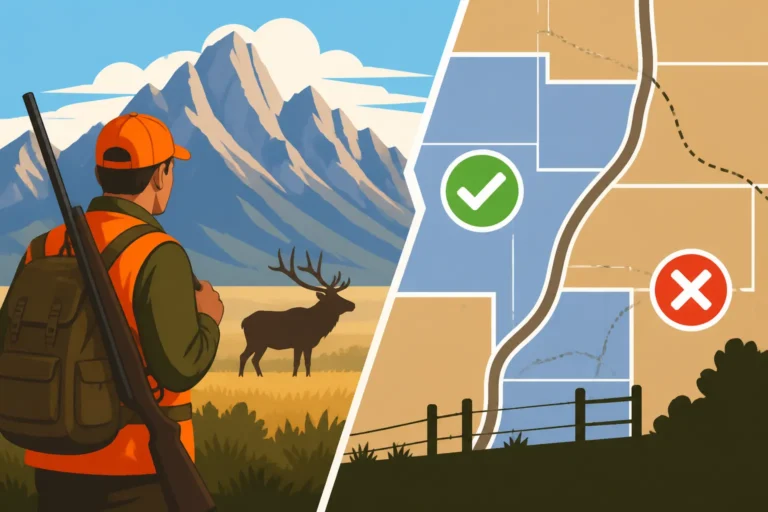
Understanding these boundaries is critical because crossing into an adjacent limited quota unit without the correct tag can lead to serious legal issues. Hunters often use mapping applications like onX Hunt to visually confirm where they are in relation to these crucial lines, especially when deep in the backcountry. A momentary lapse in judgment or a GPS malfunction could put you in the wrong unit, so diligent study of the maps is paramount before you ever step foot in the field.
Specific Hunt Units Within Region G
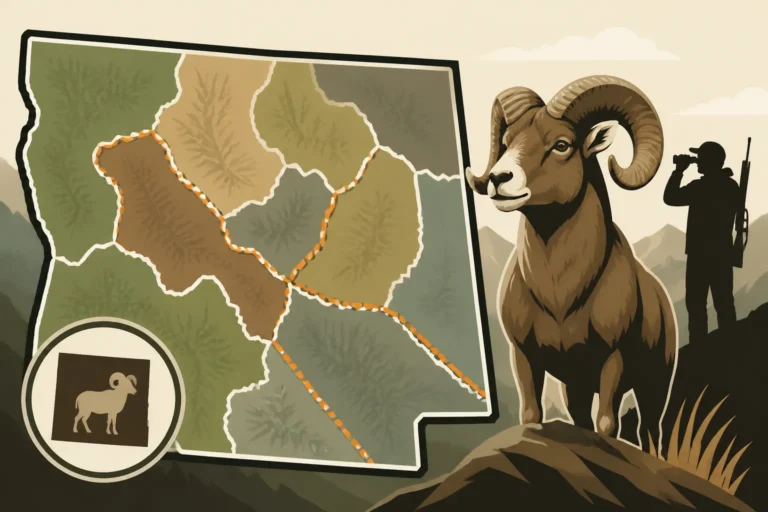
While Region G is often referred to as a "general" area, it actually comprises several individual elk hunt units. These units are distinct geographical areas, each with its own specific regulations, season dates, and sometimes, even different license types (though the general license provides access to the "Region G" portion of these). For example, a hunter holding a general Region G elk license can typically hunt elk in various units, such as Unit 70, Unit 75, or Unit 78, among others, provided they adhere to the specific dates and regulations for that unit. It's not a free-for-all across the entire lettered region; you still need to check the regulations for the specific numerical hunt unit you intend to pursue elk in.
This nuanced structure means that while you might have a "general" tag, your actual hunting ground and opportunities are still dictated by the individual units that fall under the Region G umbrella. Each of these units can have dramatically different terrain, elk populations, and hunter densities. Some might be primarily wilderness, others might have more road access. Always double-check the current year's hunting regulations for the precise units included under the general Region G license and their specific season structures. Neglecting to do so is a common pitfall for even experienced hunters.
The Unique Landscape of This Region
The landscape of Region G is truly spectacular, offering a mix of high alpine peaks, vast timbered slopes, open sagebrush parks, and deep canyon bottoms. Much of this region is characterized by significant elevation changes, ranging from lower river valleys up to timberline and beyond. Think of the rugged peaks of the Wyoming Range, the dense conifer forests that cling to steep slopes, and the expansive meadows often found at higher elevations. This diversity means that elk will utilize different parts of the landscape throughout the season and even throughout the day.
During the early archery season, you might find elk in higher, cooler elevations, taking advantage of lush summer feed. As rifle seasons progress and snow begins to fall, they'll often start their migration towards lower elevations or south-facing slopes, seeking thermal cover and more accessible forage. The sheer scale and wildness of this country are what draw many hunters to Region G, offering a genuine backcountry experience that tests both skill and endurance. It's a land where you can truly feel small in the face of nature's grandeur, and where your ability to read the terrain and understand elk movement is paramount.
Key Characteristics of Hunting Elk in Region G
Hunting elk in Region G is an adventure that demands respect for the land and the animals. It's not typically a region known for "easy" hunting, but rather for the profound satisfaction of earning a hard-won animal in spectacular country. The characteristics of this region—its diverse terrain, challenging access, and unique habitat—all play a significant role in shaping the hunting experience. Many hunters consider a Region G tag a rite of passage for Western elk hunting, as it often requires a higher level of fitness and grit.
Diverse Terrain and Its Impact on Elk Behavior
The terrain in Region G is incredibly varied, which directly influences how elk behave and where you'll find them. You'll encounter everything from dense, dark timber patches that offer thick security cover, to wide-open sagebrush flats where elk can graze and keep an eye out for predators. Steep, rocky slopes provide excellent escape routes and vantage points, while hidden draws and creek bottoms offer water and sheltered bedding areas. This topographical mosaic means elk aren't confined to one type of cover; they adapt to and utilize the entire landscape.
For example, during archery season, especially in the bugle, you might find bulls in higher basins or timbered ridges, responsive to calls. Later in the season, as hunting pressure increases and weather turns, they'll often retreat into the densest timber or steep, north-facing slopes, becoming much more nocturnal and difficult to locate. Understanding these micro-habitats and how elk use them is crucial. A hunter might spend hours glassing open country, only to realize the elk are tucked away in a small patch of timber they overlooked, seeking refuge from the wind or sun. The phrase "the elk are where you find them" holds particularly true here, as their patterns can shift based on countless factors, including the presence of Wyoming's Elk Herd Units and Winter Range.
Access Challenges and Public vs. Private Land
Access is a major consideration for hunting in Region G. While much of the land is public—comprised of National Forest and BLM ground—it doesn't always mean easy access. Many areas require significant hiking, often multiple miles, to get away from roads and other hunters. You'll encounter trailheads, but don't expect a short stroll to elk country; often, the best hunting begins several drainages deep. Wilderness areas within Region G also come with specific regulations, such as restrictions on motorized vehicles and a requirement for nonresidents to hire a licensed guide or be accompanied by a resident guide if hunting certain species like elk. Wilderness Rules Every Wyoming Nonresident Should Know are critical to understand before planning a trip into these remote zones.
Beyond the wilderness rules, the checkerboard land ownership pattern, where public and private parcels alternate, can create complex access issues even outside designated wilderness. It's vital to meticulously study land ownership maps, like those offered by onX Hunt, to ensure you're not inadvertently trespassing. Hunters often find themselves staring at a beautiful, elk-filled basin only to realize the only way in involves crossing private property that doesn't permit access. Planning your approach well in advance, understanding potential road closures, and identifying legal public access points are non-negotiable for a successful and lawful hunt in this challenging region.
Unique Habitat and Elk Concentrations
Region G boasts a unique mix of habitat that supports healthy elk populations, although concentrations can vary wildly. The high-elevation basins provide rich summer forage, while vast timber stands offer crucial thermal cover and shelter from the elements. Water sources, from alpine lakes to meandering creeks, are generally plentiful, creating focal points for elk activity. These elements combine to create ideal conditions for elk to thrive, especially when they aren't being pushed by intense pressure.
However, "healthy populations" doesn't always translate to easy hunting. Elk in Region G, especially the older bulls, are incredibly wary and adapt quickly to hunting pressure. They've evolved to survive in this rugged landscape. This means that while there are elk, finding them, getting close, and making a successful harvest requires patience, persistence, and often, an ability to get further off the beaten path than most other hunters are willing to go. Areas with less human disturbance and harder access often hold older, bigger animals. You might also find varying concentrations depending on the time of year and weather, with elk moving between summer and winter ranges. Understanding concepts like E-Scouting a Unit Before the Season Opens can give you a significant advantage in pinpointing these likely elk concentrations.
Understanding License Types and Draw Odds for Region G
Navigating Wyoming's licensing system can feel like solving a puzzle, especially when it comes to elk. Region G is primarily known for its general elk license, which many non-residents pursue due to its relatively higher draw odds compared to specific limited quota units. However, even within Region G, there are nuances to understand regarding license types, preference points, and strategic application. Getting this right is the first crucial step toward a successful hunt.
General vs. Limited Quota Tags in Region G
For Region G, the most common tag hunters seek is the general elk license. This license allows you to hunt in any of the hunt units designated under the "Region G" umbrella, subject to the specific unit's season dates and regulations. The appeal of a general license is its comparative accessibility for non-residents. While it's still a draw, the odds of success are often better than for highly coveted limited quota units elsewhere in the state, making it a popular choice for those looking to secure an elk tag without accumulating a decade's worth of points. You'll find a detailed explanation of the differences in Wyoming General Licenses Against Limited Quota: Two Different Games.
Conversely, there are also limited quota units within or adjacent to the geographical area often associated with Region G. These tags are much harder to draw, often requiring many preference points, but they typically offer higher success rates due to controlled hunter numbers or specific trophy potential. For example, while you might have a general Region G tag, Unit X, which is geographically surrounded by Region G, might be a limited quota unit requiring a specific "Type 1" tag with 15+ points. It's critical to distinguish between these. A general Region G tag does not grant you access to these limited quota units. Misunderstanding this distinction is a common, and often costly, mistake.
Navigating Preference Points for Region G
Wyoming's preference point system is designed to reward loyalty to the state's draw system. For the general elk license, these points certainly help improve your odds, although it's not a guarantee. Every time you apply for a license and are unsuccessful, you accrue a preference point if you chose that option during the application process. These points then factor into future draws, theoretically increasing your chances of drawing a general license. For a general elk tag in Region G, while you might draw with zero points, having one or two can significantly boost your prospects, especially for non-residents. How Wyoming Splits Every Draw 75 Percent Points and 25 Percent Random explains how these points are allocated in the draw.
The challenge is that point values can fluctuate year to year based on applicant numbers and available tags. What might have been a 0-point draw one year could creep up to 1-2 points the next. This "point creep" is a constant concern for applicants. Many hunters opt to buy a preference point annually, even if they don't apply for a tag, just to build up their bank for future applications. Understanding the historical draw odds, which you can often find through resources like GoHunt, is crucial for developing an informed application strategy.
Strategic Application for Different Tag Types
Your application strategy for Region G will depend on your goals and patience. If your primary goal is simply to hunt elk in Wyoming and you're not fixated on a specific trophy unit, applying for the general Region G license is a solid choice. The Wyoming Nonresident Elk License Price is a factor, but for many, the opportunity outweighs the cost. You can apply for the general tag as your first choice and then, if you're feeling ambitious, list a high-point limited quota unit as your second choice, knowing you're unlikely to draw it without points.
Alternatively, if you're playing the long game and dream of a particular limited quota unit that happens to be within or adjacent to Region G, you might focus on building preference points over several years. This means applying for a point-only option or applying for that limited quota unit as your first choice, understanding you'll likely be unsuccessful initially. Many hunters use a hybrid approach: they'll apply for the general tag when they have enough points to feel confident, or they'll try to draw a general tag for a year or two while simultaneously banking points for a special limited quota draw down the road. It's a balance between immediate opportunity and future trophy potential. Always be aware of Wyoming's Four Application Deadlines, February Through June to ensure you don't miss your window.
| License Type | Common Draw Odds for Nonresidents (General) | Hunting Opportunity | Typical Preference Point Requirement |
|---|---|---|---|
| Region G General Elk | Moderate to Good (e.g., 20-50%) | Access to multiple units within Region G boundaries | 0-3 points, helps significantly |
| Limited Quota Units within Region G | Very Low (e.g., <5%) | Restricted to specific unit, often high quality | High (e.g., 8-15+ points) |
| Point-Only Purchase | N/A (no hunting tag) | Builds points for future draws | 0 points (only buying a point) |
Preparing for a Successful Hunt in Region G
Hunting elk in Region G is a physical and mental challenge, but with proper preparation, it can be one of the most rewarding experiences of a lifetime. The sheer scale of the landscape, combined with the often-unpredictable nature of elk, means you can't just show up and expect success. It requires foresight, rigorous training, and the right equipment to ensure both your safety and your effectiveness in the field.
Essential Gear for Region G Terrain
The rugged and often remote terrain of Region G demands robust and reliable gear. Your boot system is perhaps the most critical component: invest in high-quality, broken-in mountain boots that offer excellent ankle support and waterproof protection. A reliable backpack capable of comfortably carrying 50-70 pounds is also non-negotiable, as you'll be packing in essentials and hopefully packing out meat. Layered clothing is key for adapting to the drastic temperature swings, from frosty mornings to warm afternoons, and waterproof outer layers are a must for sudden rain or snow showers. Optics, including good binoculars and a spotting scope, are vital for glassing the vast landscapes, allowing you to cover ground efficiently without burning boot leather unnecessarily. Optics Power for Wyoming's Long Sightlines is a great resource for understanding what you'll need.
Don't forget navigation tools beyond your phone, like a dedicated GPS unit or a traditional map and compass, as cell service will be nonexistent in many areas. A quality knife, game bags, a first-aid kit, water filtration, and bear spray are also critical items, given that you'll be operating in true wilderness. Consider a satellite communication device for emergencies, as help can be days away in some of these remote units. Preparing a comprehensive gear list and testing everything well before your hunt can prevent uncomfortable or even dangerous situations once you're deep in the backcountry.
Pre-Season Scouting and E-Scouting Tools
With the vastness of Region G, effective pre-season scouting is not just helpful, it's essential. For most non-residents, this means a heavy reliance on "e-scouting"—using digital tools to study maps and satellite imagery from home. Platforms like onX Hunt allow you to meticulously pore over public land boundaries, identify potential elk travel corridors, locate bedding areas, water sources, and escape routes. You can mark waypoints for glassing points, possible camp spots, and areas of dense timber where elk might seek refuge. Look for south-facing slopes for early season feeding, and north-facing timber for security.
Beyond digital maps, researching historical weather patterns, analyzing past harvest data for specific units, and reading hunt reports can provide invaluable insights. While a physical scouting trip to Region G is ideal, it's not feasible for everyone. By combining thorough e-scouting with current regulations and talking to other hunters who have experience in the region (if you can find them!), you can develop a solid plan. Pay attention to how the Wyoming Elk Season Dates Are Set Hunt Area by Hunt Area, as timing can greatly influence elk behavior and where you'll find them. This detailed reconnaissance can help narrow down vast possibilities to a few promising areas, making your actual hunting days far more productive.
Physical Conditioning and Mental Preparation
Hunting elk in Region G is a physically demanding endeavor. You will be hiking miles, often at high altitudes (some areas exceed 10,000 feet), through steep, uneven terrain, and potentially in adverse weather conditions. Physical Conditioning for a Mountain Hunt is not a suggestion; it's a requirement. Start your training months in advance, focusing on cardiovascular fitness, strength training, and endurance. Simulating hunting conditions by hiking with a loaded pack is an excellent way to prepare your body for the rigors of the hunt. Don't underestimate the impact of altitude; if you're coming from sea level, even moderate exertion can feel like a Herculean effort. Give yourself a day or two to acclimatize if possible, and study up on Preparing for Altitude on a Wyoming Hunt.
Mental preparation is equally important. Region G can be tough; you'll face long days, challenging conditions, and potentially no elk sightings for extended periods. The ability to stay positive, remain persistent, and make sound decisions under pressure is crucial. Be prepared for the unexpected, from sudden changes in weather to equipment malfunctions. Having a contingency plan for various scenarios, from getting lost to field dressing an animal solo, will build confidence. A positive mindset, coupled with thorough physical training, will significantly increase your chances of not only finding an elk but also safely and successfully getting it out of the backcountry.
Disclaimer
This article is for general informational purposes only and does not constitute professional advice. Laws, prices and regulations vary by location and change over time. Consult a qualified professional for guidance on your specific situation.