Seasonal Winter Range Closures for Big Game
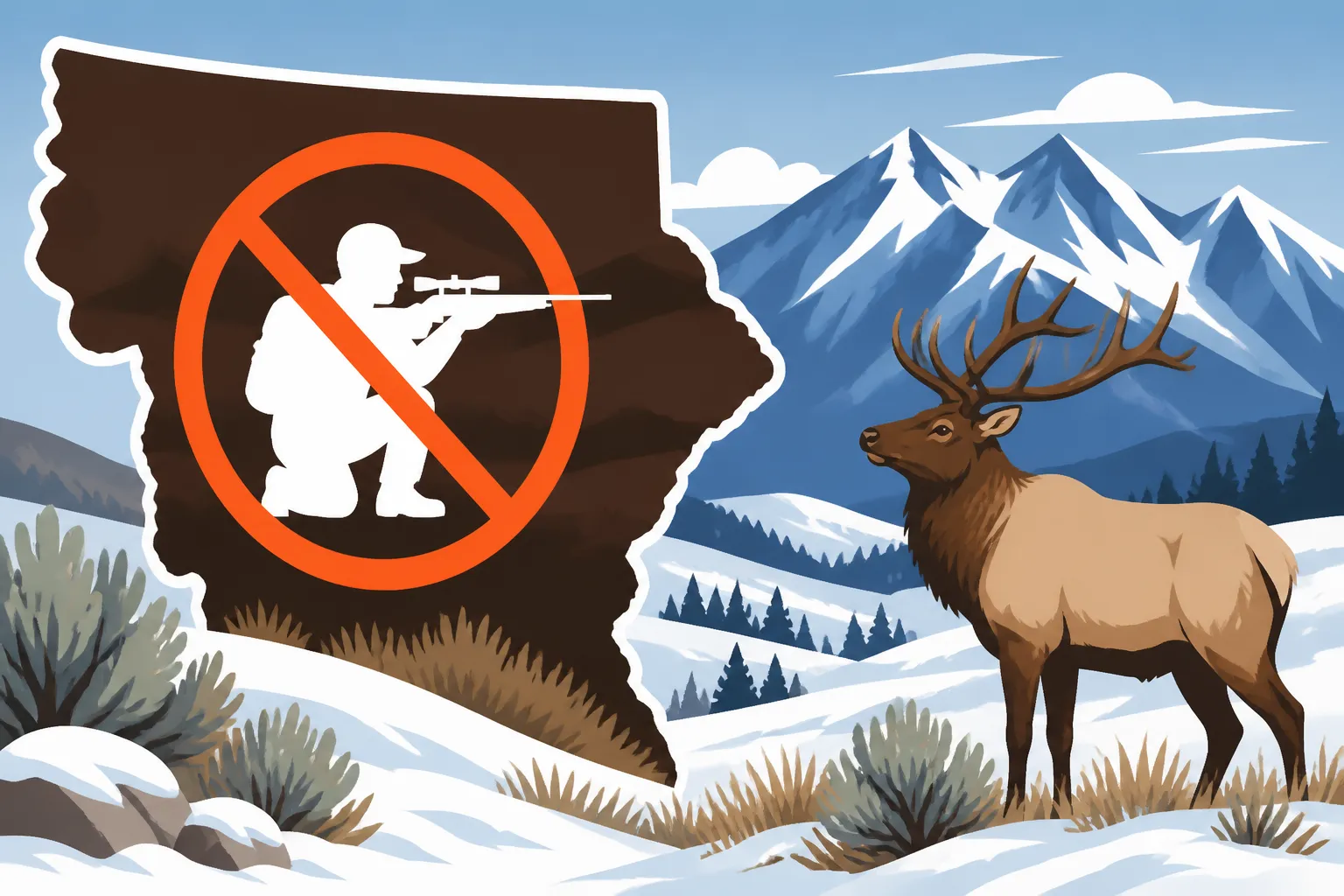
You've spent months e-scouting, poured over maps, and finally nailed down the perfect spot for your next Wyoming hunt. You arrive, full of anticipation, only to find a gate locked with a "Winter Range Closure" sign, forcing you to completely re-evaluate your plans. It's a frustrating scenario many of us have faced, a stark reminder that even the most meticulously planned hunt can be derailed by unseen regulations designed to protect wildlife. This guide is all about understanding Wyoming's seasonal winter range closures for big game, why they exist, how they affect your hunting plans, and how you can prepare to avoid that unwelcome surprise at the trailhead.
Why Winter Range Closures Are Even a Thing in Wyoming
Wyoming is a land of extremes, and while we hunters often celebrate the rugged beauty of its winters, they can be incredibly tough on big game. Those wide-open vistas and deep canyons that offer fantastic hunting opportunities in the fall become unforgiving landscapes when heavy snow falls and temperatures plummet. Understanding why these closures are put in place is the first step in accepting their necessity, even when they impact our pursuit.
The Critical Role of Winter Range for Big Game
Imagine trying to survive months with minimal food, freezing temperatures, and deep snow, all while constantly being disturbed. That's the reality for Wyoming's deer, elk, and antelope populations every winter. Winter ranges are specific, often lower-elevation areas that provide crucial forage, thermal cover from brutal winds, and relatively shallower snow depths. These areas are literally a lifeline, allowing animals to conserve precious energy reserves that are already running low.
When big game animals are stressed by human presence during these critical months—whether it's snowmobiles, shed hunters, or even well-meaning hikers—they burn more calories fleeing disturbances. Those calories are already in short supply, and burning them unnecessarily can lead to starvation, increased susceptibility to disease, and lower survival rates, especially for fawns and calves. While it's incredibly frustrating to be told you can't access a favorite spot, these closures are a direct effort to give these animals the peace and quiet they need to survive the toughest part of the year. It's about ensuring healthy herds for future hunting seasons, which, let's be honest, is something we all want.
Balancing Conservation with Public Access
The decision to close winter ranges isn't made lightly; it's a careful balancing act performed by the Wyoming Game and Fish Department (WGFD). They use a wealth of data to make these calls, looking at snowpack levels, historical migration routes, current herd health, and even weather forecasts. They're constantly monitoring conditions, using information gathered from aerial surveys, ground telemetry, and even observations from landowners and field personnel.
The goal isn't to shut out hunters or other recreationists arbitrarily. It's about securing the long-term health and sustainability of these iconic big game populations. Think of it as an investment. By providing these animals a sanctuary during their most vulnerable period, WGFD helps ensure that there will be healthy, thriving herds for us to pursue in the fall. It's a fundamental part of the department's mission, and it directly supports the wildlife resources that make Wyoming such a premier hunting destination. These decisions are made with conservation at their heart, aiming to prevent a scenario where a severe winter compounded by human disturbance could decimate a herd. The benefits, though sometimes inconvenient in the short term, are vital for maintaining robust game populations across the state, ensuring that future generations can enjoy the same incredible hunting opportunities we do.
Navigating Wyoming's Winter Range Closure Landscape
Understanding why closures exist is one thing, but knowing how to find them and what to expect is entirely another. Wyoming's winter range closures aren't always set in stone, and they can shift based on environmental conditions, making it crucial for hunters to stay informed.
Common Dates and How They Can Shift
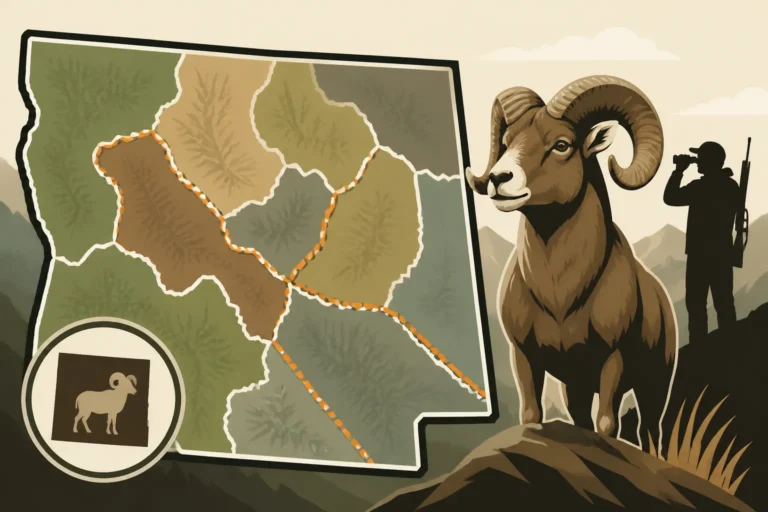
Typically, many of Wyoming's seasonal winter range closures begin around December 1st and extend through April 30th or even May 15th. This roughly aligns with the periods of deepest snow and coldest temperatures, when big game animals are most vulnerable. However, it's incredibly important to remember that these dates are not absolute. Wyoming is a vast state with diverse terrain and microclimates. What might be closed in the Red Desert might be open in parts of the Bighorn Mountains, and vice versa.
More critically, severe winter conditions can trigger earlier closures, and unusually mild winters might allow for later openings or even adjusted access in certain areas. For example, a particularly brutal October snowstorm could prompt WGFD to implement closures ahead of schedule to protect newly arrived migratory animals. Conversely, a mild spring with early snowmelt might see some areas open a bit sooner than anticipated. This dynamic nature means that relying on memory or outdated information can easily lead to disappointment or, worse, inadvertently breaking regulations. Always check the current year's specific orders.
Identifying Closed Areas on Your Maps
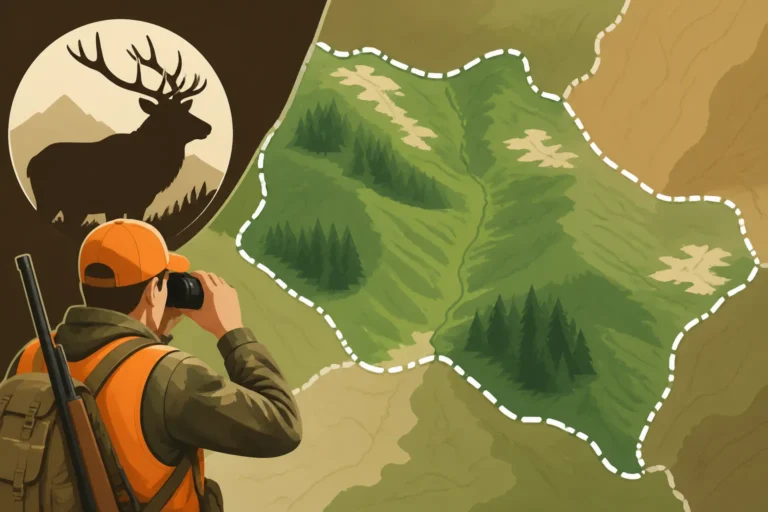
In the past, identifying these closures meant poring over paper maps and cross-referencing with printed regulations or small signs at trailheads. Thankfully, technology has made this much easier. Modern mapping applications are invaluable tools for hunters. For instance, onX Hunt often integrates these seasonal closure layers directly into their maps, visually showing you exactly where the restricted areas are. This can be a game-changer for planning your hunt, allowing you to see at a glance what areas are off-limits during specific times of the year.
However, even with these advanced tools, it's absolutely paramount to always verify information with official sources. The Wyoming Game and Fish Department website is the definitive place to find the most up-to-date information on seasonal closures. They publish detailed maps, specific closure orders by hunt area or geographical region, and often provide news releases about any changes. Don't just rely on a third-party app without double-checking. A quick call to the local WGFD office for the area you plan to visit can also clear up any confusion and provide valuable on-the-ground insights. When you're Reading a Motor Vehicle Use Map, also pay close attention to seasonal restrictions, as vehicle access often aligns with winter range closures.
Penalties for Violating Winter Range Closures
Ignoring a winter range closure isn't just a minor infraction; it carries real consequences, and for good reason. Violating these closures can result in significant fines, and depending on the severity and frequency of the offense, it could even lead to the loss of hunting privileges. Game wardens take these closures very seriously because they are fundamental to wildlife management and conservation.
Beyond the legal ramifications, there's an ethical responsibility. As hunters, we pride ourselves on being conservationists and stewards of the land and its wildlife. Deliberately entering a closed winter range area shows a blatant disrespect for the animals you claim to appreciate and undermines the very principles of ethical hunting. It stresses already vulnerable animals, potentially contributing to their demise, and it tarnishes the reputation of all responsible hunters. The enforcement of these rules is a vital component of ensuring the long-term health of our big game herds, and it's up to every one of us to understand and respect them.
Here's a general overview of typical closure periods, but always check current WGFD regulations for specific hunt areas:
| Species Primarily Affected | Typical Closure Start | Typical Closure End | Areas Commonly Affected | Why It's Critical |
|---|---|---|---|---|
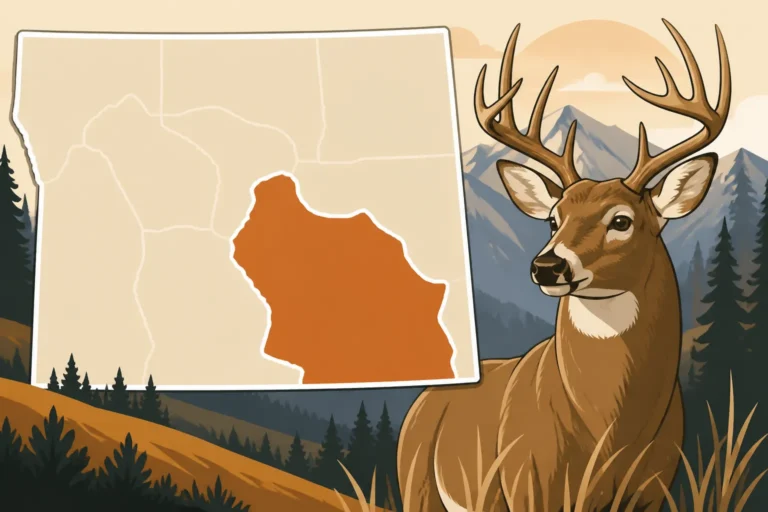
| Mule Deer | December 1st | May 15th | Lower elevation slopes, sagebrush draws, river bottoms | Minimizes energy expenditure for deer during deep snow and limited forage, crucial after What the 2022-23 Winter Did to Wyoming Mule Deer. |
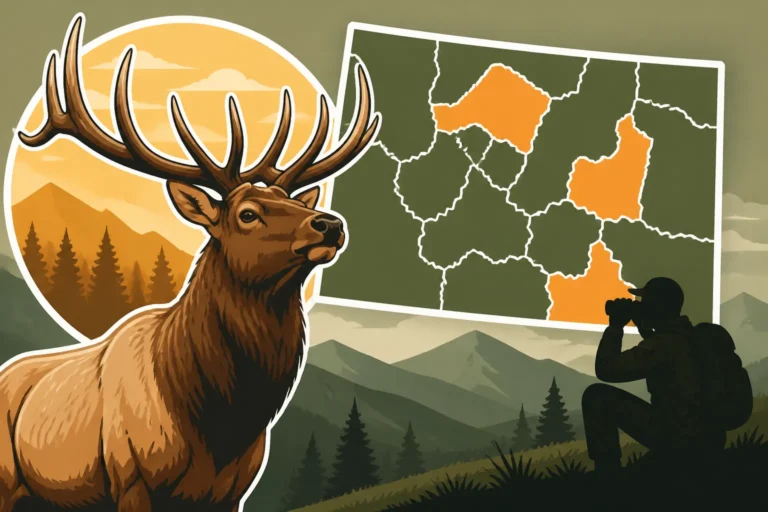
| Elk | December 1st | April 30th | Foothills, valley floors, specific feedground areas | Allows elk to conserve fat reserves, reduces stress on pregnant cows, supports herd health on Wyoming Elk Herd Units and Winter Range. |
| Pronghorn | November 15th | April 15th | Open prairie, low-lying flats, specific migration corridors | Provides undisturbed access to sparse winter forage, protects against snow depth that hinders their movement. |
| Bighorn Sheep | November 15th | June 1st | Lower mountain slopes, specific rocky outcrops | Essential for herd health in rugged terrain, protecting lambing grounds and critical winter forage. |
| Moose | December 1st | May 15th | Willow bottoms, timbered riparian areas | Allows moose to browse undisturbed during periods of deep snow, supports calf survival. |
Note: These dates and locations are generalized. Specific closure details vary significantly by year and location. Always consult official Wyoming Game and Fish Department regulations for the most current information.
Strategies for Planning Around Closures
Facing a winter range closure can be disheartening, especially if you've put a lot of effort into planning. But with a proactive approach and the right tools, you can successfully navigate these restrictions and still have a rewarding experience in Wyoming's vast hunting grounds.
E-Scouting and Research Before You Go
Gone are the days when you could just show up with a paper map and hope for the best. Modern hunting demands advanced preparation, especially when it comes to understanding land access and seasonal restrictions. Before you even leave your living room, dedicate significant time to e-scouting your chosen unit. Websites like GoHunt and the official Wyoming Game and Fish Department portal are treasure troves of information. You can often find maps that delineate winter range closures, along with historical data on when and where closures typically occur.
Look for patterns. Do certain areas consistently close earlier or later? Are there specific types of terrain that tend to be excluded from closures, offering alternative opportunities? By understanding these nuances, you can develop contingency plans. For instance, if your primary area is known for early winter closures, you might identify adjacent areas with slightly different terrain or elevation that tend to remain open longer. Pay close attention to How Wyoming Numbers Its Hunt Areas and then dive into the specifics for those units. Knowing Where the Current Wyoming Regulations Are Posted is your absolute best defense against unexpected surprises.
Early Season Hunting Versus Late Season Considerations
The timing of your hunt in relation to winter range closures is a critical factor. Early archery seasons, typically in late August and September, are generally less affected by winter range closures because the animals are still in their summer and transitional ranges, and snow hasn't usually become a major factor. However, even then, certain high-elevation areas might have temporary closures if early snowstorms hit.
It's the late season rifle or antlerless hunts that are most vulnerable to closures. Many cow elk hunts, for example, extend into November or even December, putting them squarely in the window when winter ranges become critical. If you're planning a late-season hunt, you must assume that significant portions of winter range will be closed, or will close unexpectedly. This means having a flexible mindset and often a "Plan B" (and sometimes a "Plan C"). Consider looking into units that have different terrain characteristics, perhaps with more varied elevations, which might offer open areas even as other parts of the state lock down. Understanding the Mule Deer Winter Range Closures Explained can give you an idea of areas that might be impacted.
Respecting the Boundaries and the Wildlife
Ultimately, navigating winter range closures comes down to respect—respect for the regulations, respect for the land, and most importantly, respect for the wildlife we pursue. These closures are not arbitrary lines on a map; they represent vital sanctuaries for animals struggling to survive the harshest season.
As hunters, we have a responsibility to be ethical and informed. This means clearly understanding where the boundaries are, staying out of closed areas, and doing our part to minimize disturbance. When you're out there, even in open areas, be mindful of the animals. If you see big game struggling in deep snow or showing signs of stress, consider backing off. Our actions reflect on the entire hunting community, and being good stewards helps ensure that Wyoming's incredible hunting opportunities endure. It's not just about compliance; it's about being a true conservationist at heart.
Disclaimer
This article is for general informational purposes only and does not constitute professional advice. Laws, prices and regulations vary by location and change over time. Consult a qualified professional for guidance on your specific situation.