What the 2022-23 Winter Did to Wyoming Mule Deer
The 2022-23 winter in Wyoming was nothing short of brutal, especially if you were a mule deer trying to scrape by in the southwestern part of the state. Many of us felt it firsthand, the endless snow, the bitter cold, and the gut-wrenching worry about the wildlife we cherish. This wasn't just another tough winter; it was a catastrophic event that dramatically reshaped mule deer populations in some of Wyoming's most iconic hunting areas. This guide will meticulously unpack the severity of that winter, its devastating impact on mule deer, and what it means for the future of hunting these magnificent animals across the Cowboy State.
Understanding the 2022-23 Winter's Severity
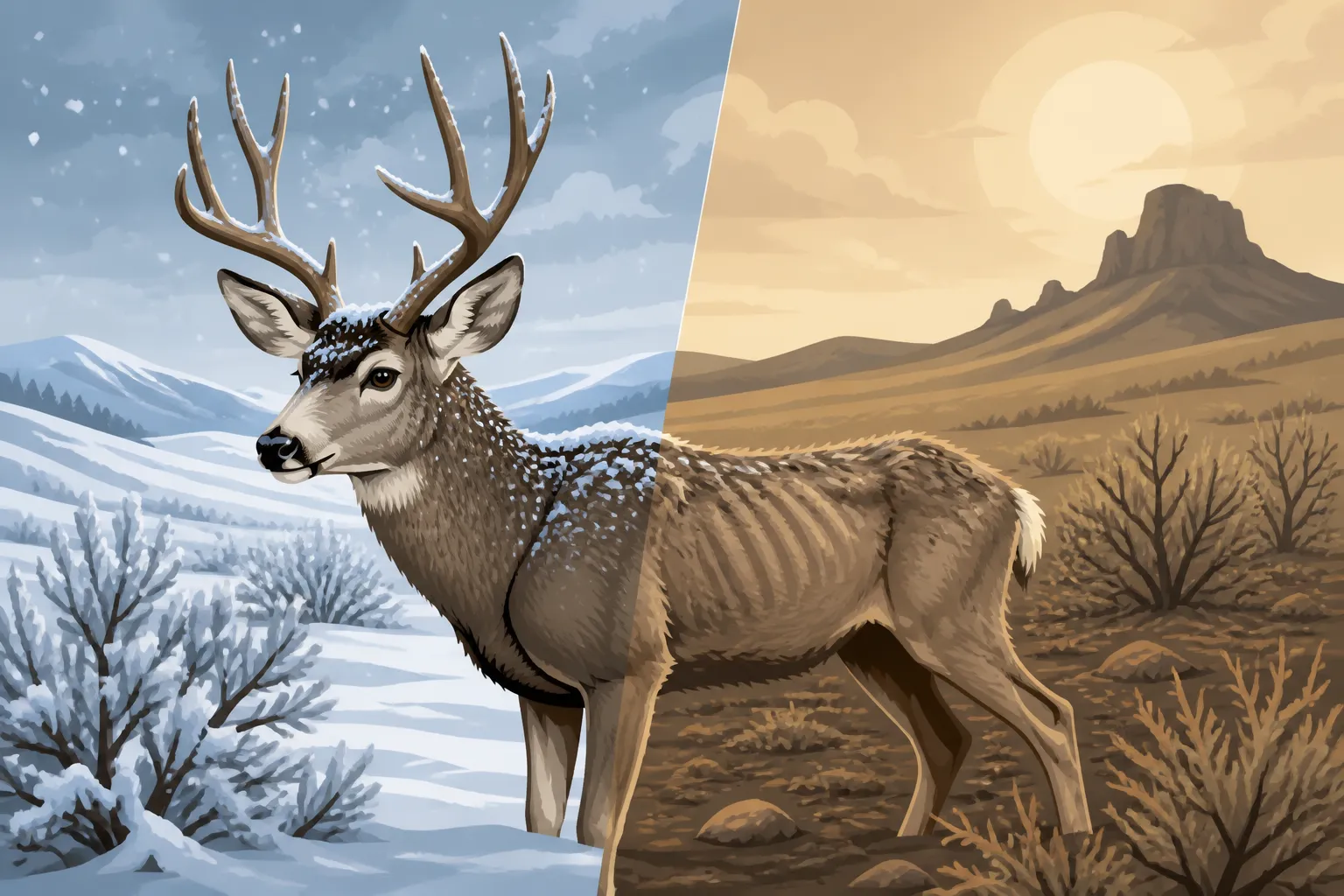
That winter, stretching from late 2022 well into the spring of 2023, delivered a one-two punch that caught many of Wyoming's wildlife populations, particularly mule deer, completely off guard. It wasn't just a heavy snow year; it was a prolonged siege of deep snow, extreme temperatures, and a spring that refused to arrive on time. For deer already navigating tough conditions, this proved to be an insurmountable challenge in many areas.
Unprecedented Snowfall and Extreme Cold
If you lived in southwest Wyoming that winter, you remember it vividly. Record snowfall buried vast tracts of critical winter range, especially in the western and southern regions like the Wyoming Range, Sublette, and Uinta deer herds. Imagine snow depths consistently exceeding normal averages by several feet, piling up faster than deer could crater through it to find forage. This wasn't just a few big storms; it was a relentless accumulation that persisted for months on end. Snowpack records were broken in many areas, creating a suffocating blanket over essential food sources.
Beyond the sheer volume of snow, the temperatures plummeted and stayed there. Prolonged periods of sub-zero weather locked up what little forage might have been accessible, forcing deer to burn through their fat reserves at an alarming rate just to stay warm. We're talking about conditions that make merely existing a desperate struggle, let alone trying to find enough nutrition to survive. The combination of deep snow and extreme cold meant deer were constantly expending energy while their food supply was literally buried under feet of ice and powder.
Delayed Spring and Nutritional Stress
Just when everyone, including the deer, was hoping for a break, spring dragged its feet. Typically, warmer temperatures and melting snow in March and April bring relief, exposing green shoots and offering crucial nutrition for does preparing to fawn and for fawns themselves. But in 2023, spring simply didn't arrive as expected in many hard-hit areas. The cold persisted, and the snowpack lingered, effectively extending winter conditions for weeks beyond the norm.
This prolonged winter meant an extended period of nutritional stress. Deer, particularly does that had bred the previous fall, were already at their physical limits. Their fat reserves were depleted from months of fighting the elements, and the delay in green-up meant no new energy source was available to replenish their bodies. For newborn fawns, the lack of quality forage for their mothers translated directly into poor milk production and lower fawn survival rates. It was a vicious cycle: does barely surviving couldn't adequately support new life, leading to a tragic loss of the next generation.
Impact on Critical Winter Range
Mule deer rely heavily on specific winter range areas to survive the cold months. These are typically lower elevations, south-facing slopes, and areas with particular vegetation that offers some forage and shelter from the elements. However, the 2022-23 winter simply overwhelmed these refuges. The deep snow covered sagebrush, bitterbrush, and other critical browse species that deer depend on when herbaceous plants are unavailable.
Even in areas traditionally considered good winter range, the snowpack was so significant that it rendered much of the forage completely inaccessible. Deer were concentrated in smaller, less ideal areas where they could find any exposed vegetation, leading to increased competition and even greater stress. The sheer extent of the snow effectively shrank their survival landscape, pushing them into less protected and often more exposed locations where they were even more vulnerable to the relentless cold and predation. This widespread impact on their vital winter habitat played a huge role in What the 2022-23 Winter Killed Off.
Direct Impact on Mule Deer Populations
The severity of that winter translated directly into devastating losses for mule deer, especially in certain regions. The numbers, once compiled by the Wyoming Game and Fish Department (WGFD), painted a stark picture of the challenges these herds now face.
High Mortality Rates in Specific Regions
The hardest-hit areas were predominantly in southwest Wyoming, particularly the Sublette, Wyoming Range, and Uinta mule deer herds. These regions experienced mortality rates that were frankly, shocking. For fawns born the previous spring, survival rates plummeted, with some units reporting upwards of 70-80% fawn mortality. Imagine starting with a robust cohort of young deer, only to lose the vast majority before they even reach their first birthday. This generational hit is something these herds will feel for years.
Adult does, the backbone of any healthy deer population, also suffered significant losses. In some units, the WGFD estimated doe mortality to be as high as 30-50%, a truly staggering figure. Losing mature does not only reduces the current breeding potential but also removes experienced individuals from the herd. While buck mortality was also high, particularly among younger bucks who often enter winter in poorer condition after the rut, the loss of fawns and breeding-age does had the most immediate and profound impact on herd numbers.
Age Class and Sex Ratio Impacts
The disproportionate mortality among fawns and younger bucks means that the age structure of the surviving herds has been significantly altered. In the short term, you'll see a noticeable gap in the younger age classes. This means fewer 1.5-year-old bucks and does recruiting into the breeding population over the next few years. For hunters, this translates to fewer young, legal bucks available in future seasons. In fact, one of the immediate observations post-winter was Why Surviving Bucks Are Older Than Usual, as many of the younger animals simply didn't make it.
The sex ratio can also be affected, though typically does are more resilient than fawns or rut-weary bucks. However, with the high doe mortality experienced in some units, the breeding potential has taken a hit. Biologists often aim for a certain buck-to-doe ratio to ensure successful breeding, and a severe winter can throw this out of whack. Rebuilding these ratios takes time and consistent good conditions.
Body Condition and Fawn Survival
Even the deer that managed to survive the winter often did so in extremely poor body condition. This isn't just about looking skinny; it means they've used up nearly all their fat reserves and might have even started breaking down muscle. For does, this critical lack of energy directly affects their ability to carry a fawn to term and, if successful, to produce enough milk to nourish it. A doe in poor condition is much more likely to have a stillborn fawn or a fawn that simply can't survive its first few days or weeks.
The impact on fawn survival extends beyond the immediate post-winter period. Fawns born to stressed mothers are weaker, smaller, and more susceptible to disease and predation. Even if they make it through the spring, their chances of surviving their first summer and fall are significantly reduced. This lingering effect of poor body condition compounds the initial losses, making the path to recovery even longer and more challenging for the affected herds.
Long-Term Consequences for Mule Deer Herds
The echoes of the 2022-23 winter will resonate through Wyoming's mule deer populations for many years to come. The immediate losses were just the beginning, setting in motion a series of long-term challenges for these iconic big game animals and the hunting opportunities they provide.
Setbacks in Herd Objectives
Wyoming Game and Fish Department sets population objectives for each mule deer herd unit, aiming for healthy, sustainable numbers that can withstand environmental fluctuations. The severe winter caused a significant setback, pushing many hard-hit herds well below their established objectives. For instance, the Wyoming Range deer herd, which has faced its own struggles over the years, saw its recovery efforts dealt a crushing blow. Getting these populations back to objective levels is not a quick fix; it could take several consecutive mild winters and productive fawn crops.
This isn't merely about numbers on a spreadsheet; it impacts the entire ecosystem. Mule deer are a keystone species, and their decline affects predators, vegetation, and overall biodiversity. Hunters are also keenly aware of this, as lower numbers directly translate to fewer tags and tougher draws, especially in areas historically known for quality bucks. The path to achieving The Population Objective for Wyoming Range Deer has become considerably steeper.
Changes in Migration Patterns and Habitat Use
When traditional winter ranges are overwhelmed or become death traps, deer sometimes adapt by altering their migration patterns or seeking out new, less conventional wintering grounds. While mule deer are known for their strong migratory instincts, passing these routes down through generations, extreme conditions can force a shift. Deer that survived in one area might be reluctant to return to a high-mortality zone, potentially fragmenting herds or pushing them into less ideal habitats.
This can create new challenges, such as increased competition in previously less-used areas, or greater exposure to human development and conflict. Understanding and tracking these potential shifts is crucial for management, especially when considering phenomena like The Red Desert Mule Deer Migration Explained, which showcases the incredible resilience and adaptability of these animals, but also their vulnerability to sudden changes.
Genetic Implications and Disease Vulnerability
While not immediately obvious, a major die-off can have genetic implications for a herd. If a significant portion of the population, particularly fawns, is lost, it can reduce the genetic diversity within the surviving population. A narrower gene pool can make a herd less resilient to future environmental changes, diseases, or other stressors. The more diverse a population, the better its chances of adapting.
Furthermore, deer that survive a severe winter in poor condition are often more susceptible to diseases. Their weakened immune systems make them more vulnerable to pathogens that might otherwise be shrugged off by healthier animals. This increased susceptibility could pose a threat, particularly if diseases like Chronic Wasting Disease (CWD) are present in the area, potentially accelerating its spread among an already stressed population. This highlights the delicate balance of herd health and resilience.
How Hunters Are Affected
For those of us who plan our lives around Wyoming's hunting seasons, the devastating winter of 2022-23 had very real and immediate consequences. The WGFD made tough decisions, and rightly so, to protect the struggling deer populations, which directly impacted tag availability and hunt planning for both residents and nonresidents.
Reduced Tag Quotas and Draw Odds
The most direct and immediate impact on hunters was a significant reduction in mule deer tag quotas for the 2023 and 2024 seasons, particularly in the hardest-hit southwestern regions. For many units, antlerless tags were drastically cut or eliminated entirely, and even buck tags saw reductions. This was a necessary step to give the surviving does and fawns a chance to recover and to limit pressure on the breeding stock.
These quota reductions mean that drawing a coveted mule deer tag became even more challenging. If you rely on platforms like GoHunt for draw odds analysis, you would have seen a sharp increase in the number of preference points required to draw in many western Wyoming units. What might have been a mid-tier draw suddenly became a much longer shot, especially for nonresidents. This shift forces hunters to re-evaluate their strategies, perhaps looking at areas that fared better or focusing on other species for a few years.
Antler Point Restrictions and Season Changes
In an effort to protect young, surviving bucks and allow them to mature, the WGFD either maintained or implemented Antler Point Restrictions Wyoming Kept for 2026 in several hunt areas. These restrictions mandate that a buck must have a minimum number of points (e.g., three points on one side) to be legal, effectively shielding many younger, two-point or spike bucks from harvest. This is a crucial management tool to help rebuild the buck segment of the herd.
Additionally, some season dates might have been adjusted, either shortened or shifted, to reduce overall hunting pressure during critical times. While frustrating for hunters who plan their trips months or even years in advance, these measures are designed to accelerate the recovery process and ensure the long-term health of the herds. Staying up-to-date with the annual regulations booklet is more important than ever.
Scouting and Hunt Planning Adjustments
For those lucky enough to draw a tag in one of the affected areas, or even in neighboring units, the winter's impact necessitates a significant adjustment in scouting and hunt planning. Traditional hot spots might no longer hold the same number of deer, and hunters will need to be more diligent in locating pockets of surviving animals. This is where detailed E-Scouting a Unit Before the Season Opens becomes absolutely critical, as satellite imagery and public land maps can help identify potential areas where deer might have found refuge or where their numbers are slowly rebounding.
Hunters should be prepared for lower deer densities and potentially less mature buck opportunity in the immediate aftermath of such a severe winter. It means more glassing, more hiking, and perhaps adjusting expectations. Utilizing tools that integrate layers showing Mule Deer Winter Range Closures Explained can also help understand movement patterns. The experience might shift from a hunt focused on finding a "trophy" to a more challenging and rewarding experience focused on simply finding and ethically harvesting any legal animal.
Wyoming Game and Fish Department's Response
In the face of such widespread devastation, the Wyoming Game and Fish Department (WGFD) sprang into action, implementing a range of measures designed to mitigate the immediate impact and foster long-term recovery for the state's mule deer herds. Their actions reflect a deep understanding of wildlife management and a commitment to preserving hunting opportunities.
Emergency Feeding and Habitat Projects
In the immediate aftermath of the extreme winter, WGFD initiated emergency feeding operations in some severely impacted areas. While supplemental feeding of big game is generally a contentious topic due to disease concerns (like CWD and brucellosis) and potential habituation, the dire circumstances necessitated intervention in select areas to prevent further catastrophic losses. These efforts were carefully managed to provide critical caloric intake to starving deer, often in conjunction with existing elk feedgrounds or newly established sites.
Beyond immediate feeding, the department also prioritized habitat improvement projects. This includes initiatives like sagebrush restoration, prescribed burns, and conifer removal to enhance forage availability and improve winter range quality. Projects focused on increasing the health and resilience of crucial habitats are a long-term investment, aiming to ensure deer have better natural food sources and cover to withstand future severe winters. Understanding How Many Acres Wyoming's Access Yes Covers also reveals how these conservation efforts often involve working with private landowners to improve habitat on a larger scale.
Regulation Adjustments and Public Outreach
As discussed, the WGFD made significant and difficult decisions regarding hunting regulations. This included substantial cuts to mule deer quotas, especially for antlerless tags, and the implementation or continuation of antler point restrictions in many units. These adjustments are not made lightly; they are based on extensive data collection, aerial surveys, and biological assessments to ensure the remaining deer populations have the best chance to recover. The goal is always to protect the breeding core of the herd while still providing some hunting opportunity where sustainable.
Alongside these regulatory changes, the WGFD engaged in extensive public outreach to inform hunters and the general public about the situation. This involved sharing mortality data, explaining the reasoning behind regulation changes, and setting realistic expectations for future hunting seasons. Transparency and education are vital in gaining public support for difficult conservation decisions, and hunters are generally understanding when presented with clear, scientific data.
Monitoring and Data Collection Efforts
One of the WGFD's core functions is continuous monitoring and data collection. Following the severe winter, these efforts were intensified. Biologists conducted extensive aerial surveys to estimate surviving populations, assess herd health, and track fawn recruitment. They also utilized collared deer data to understand movement patterns and identify specific areas of high mortality. This relentless pursuit of accurate data is what allows the WGFD to make informed management decisions, ensuring that regulations are responsive to the actual conditions on the ground.
This ongoing data collection is critical for understanding How Far Wyoming's Mule Deer Have Rebounded in subsequent years. Without this detailed information, it would be impossible to assess the effectiveness of management strategies or predict future population trends. Hunters often contribute to this data by providing harvest information and samples for disease testing, making them vital partners in the conservation process.
Looking Forward: Recovery and Management Strategies
The road to full recovery for Wyoming's mule deer herds, particularly those in the hard-hit southwest, will be a long one. It's not a switch that can be flipped, but a gradual process influenced by nature's whims and careful human stewardship. For hunters, understanding this journey is key to appreciating the resilience of these animals and the role we play in their future.
Adaptive Management and Conservation Efforts
The WGFD employs an adaptive management approach, meaning they continuously monitor herd conditions and adjust their strategies based on the latest data. This isn't a static plan; it's a dynamic response to evolving circumstances. For mule deer, this will involve closely watching fawn survival rates, doe health, and overall population growth over the next few years. If conditions are favorable (mild winters, good summer forage), we might see quicker rebounds. If not, further conservative measures might be necessary.
Conservation efforts extend beyond just hunting regulations. It includes continued investment in habitat restoration, working with landowners to enhance private land habitat, and addressing issues like habitat fragmentation and migration corridor protection. These broader landscape-level efforts are essential for building resilient populations that can better withstand future challenges.
Role of Hunters in Recovery
Hunters are, and always have been, a critical part of conservation. Our license fees and excise taxes on hunting equipment directly fund wildlife management and habitat projects. In the context of mule deer recovery, our patience and understanding are invaluable. Respecting reduced quotas and antler point restrictions, and adhering to ethical hunting practices, are crucial. Additionally, participating in voluntary antlerless harvest opportunities when available can help balance herd composition in areas where populations are recovering, allowing does to allocate more resources to fewer, healthier fawns.
Our presence in the field also makes us invaluable observers. Reporting unusual sightings, sick animals, or significant changes in deer distribution to the WGFD can provide crucial information for biologists. We are the eyes and ears on the ground, and our engagement helps ensure the health and future of these herds. For those looking to improve their odds, remember that resources like GoHunt can provide updated draw odds and unit breakdowns, but the ultimate success comes from ethical hunting and deep respect for the animal and its habitat. Even something as basic as learning Field Judging a Mule Deer Buck Quickly can help ensure compliance with any antler restrictions in place.
Outlook for Future Seasons
Realistically, it will take several years for the most severely impacted mule deer herds to return to their pre-2022-23 winter population levels. We can expect conservative tag quotas and potentially continued antler point restrictions for a few seasons in the affected areas. However, mule deer are resilient, and with favorable conditions—meaning a string of mild winters and productive springs—they have the capacity to rebound.
For hunters, this means adapting your strategy. You might consider applying for tags in units that were less affected by the severe winter, or exploring opportunities for other species. For those committed to hunting mule deer in Wyoming, it's an opportunity to embrace the challenge, appreciate the animals, and celebrate every deer seen and every tag filled, understanding the long journey of recovery these herds are on. The future holds promise, but it requires patience and a continued commitment to sound wildlife management.
Disclaimer
The information provided in this guide is for general informational purposes only and does not constitute legal advice or replace official Wyoming Game and Fish Department regulations. Hunting regulations, season dates, and quotas are subject to change. Always consult the most current Wyoming Game and Fish Department regulations, available on their official website, before planning any hunting activity.