Wyoming Elk Herd Units and Winter Range
Trying to figure out where to even begin with elk hunting in Wyoming can feel like deciphering a cryptic puzzle. You've got vast landscapes, diverse elk behaviors, and a whole lot of official jargon about herd units and winter ranges that can leave your head spinning. It's tough to plan a successful hunt if you don't truly grasp how these majestic animals move and where they spend the most vulnerable times of the year. This comprehensive guide is here to break down Wyoming's intricate elk herd units and their crucial winter ranges, helping you understand the "why" behind the "where" so you can plan your next hunt with confidence.
The Foundation of Wyoming's Elk Management
Wyoming's approach to managing its elk herds is a complex, data-driven system designed to balance healthy populations with ample hunting opportunities. It’s a delicate dance between biology, public demand, and the realities of the landscape. Understanding this framework is the first step toward becoming a more informed and successful elk hunter. It’s not just about drawing a tag; it’s about knowing the story behind the numbers.
How Herd Units Are Established and Monitored
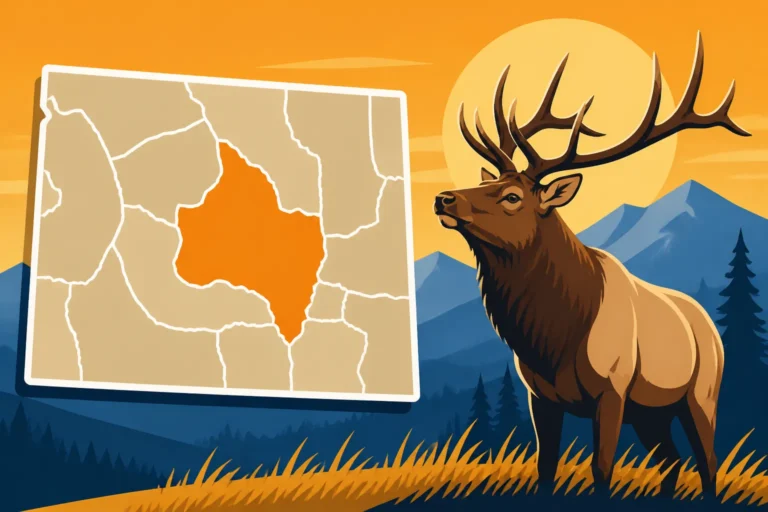
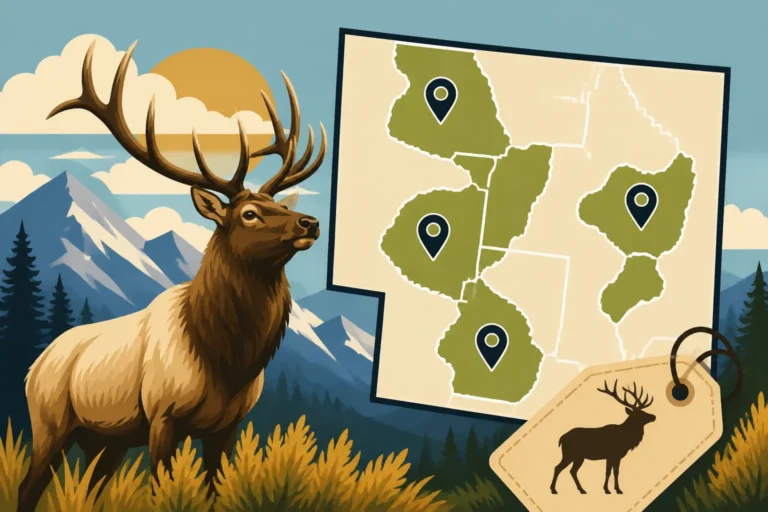
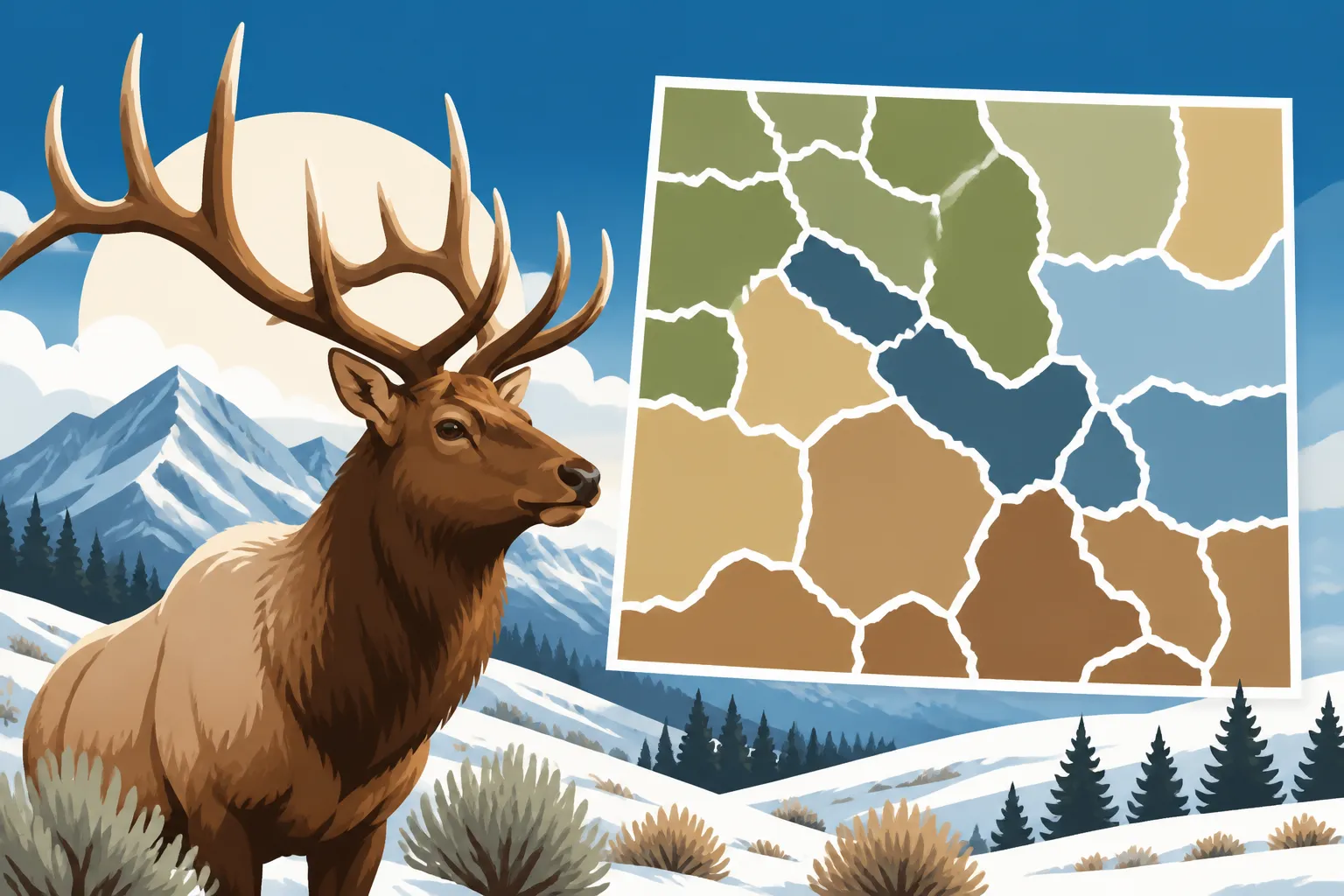
Elk herd units in Wyoming are essentially geographically defined areas that share similar characteristics regarding elk populations, habitat, and management goals. The Wyoming Game and Fish Department (WGFD) doesn't just draw lines on a map arbitrarily. These units are based on extensive research, including aerial surveys, GPS collaring studies, and long-term population modeling. They are designed to encapsulate distinct elk populations that often share a common summer range, migration corridor, and crucially, winter range.
Monitoring these units is an ongoing process. Biologists track calving rates, bull-to-cow ratios, and overwinter survival, all of which contribute to the larger picture of herd health. This data is critical for setting annual harvest quotas and adjusting season dates. When you look at the regulations, those specific hunt area descriptions and license types are all rooted in the management objectives for a particular herd unit. For instance, a unit experiencing population growth might have more cow tags available, while a unit struggling with low bull ratios might see stricter regulations on antlered elk. It's a continuous cycle of observation, analysis, and adjustment, all aimed at ensuring the long-term viability of Wyoming's elk.
The Balance Between Population Objectives and Hunter Opportunity
Every elk herd unit in Wyoming has a specific population objective – a target number of elk that biologists believe the habitat can sustainably support. This objective isn't just a random figure; it considers factors like forage availability, landowner tolerance, and disease management. The challenge, and often the source of frustration for hunters, lies in balancing these biological objectives with the strong public demand for elk hunting opportunities.
Sometimes, a herd might be slightly above its objective, leading to more aggressive cow harvest seasons to bring numbers down. Other times, a severe winter, like the one we saw in 2022-23, can decimate a herd, leading to reduced tag allocations in subsequent years to allow for recovery. This is where the decisions get tough, impacting how many tags are offered and where. The WGFD works to provide opportunities across the state, but these can fluctuate wildly from year to year and unit to unit depending on the current status of the herd and its objective. It’s a constant negotiation between what the land can handle and what hunters hope for, and understanding this dynamic can really shape your expectations when you're looking at draw odds on platforms like GoHunt.
Navigating Wyoming's Diverse Elk Herd Units
Wyoming's landscape is incredibly varied, from towering mountain ranges to vast, rolling sagebrush prairies. This diversity is reflected in its elk herds, which have adapted unique behaviors and migration patterns specific to their home territories. What works for hunting in one unit might be completely ineffective in another, making research into specific areas absolutely vital for any hunter.
Understanding Hunt Area Boundaries vs. Herd Unit Boundaries
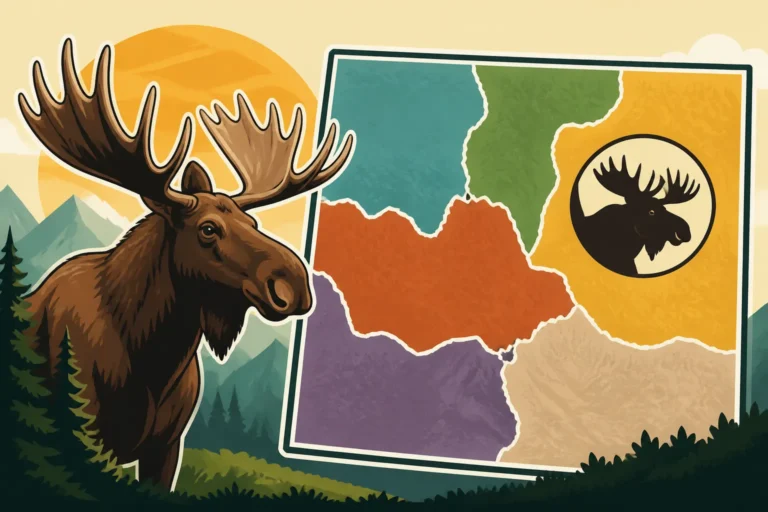
This is where many hunters, especially those new to Wyoming, get tripped up. It's crucial to understand that an "elk herd unit" isn't the same thing as a "hunt area." A herd unit, as we just discussed, defines a biological population of elk that share common ranges and management goals. However, a single elk herd unit can often encompass multiple hunt areas. Conversely, a single hunt area might sometimes overlap with parts of two different herd units, though this is less common for management purposes.
Think of it this way: the herd unit is the biological entity, while the hunt area is the regulatory boundary where you actually apply for and use your license. The WGFD sets specific season dates, weapon restrictions, and tag types (e.g., bull, cow, any elk) for each individual hunt area, even if multiple hunt areas fall within the same larger herd unit. This granular approach allows for very precise management to achieve specific harvest objectives within smaller, more manageable geographical areas. Always double-check the specific hunt area regulations, because they dictate your hunting opportunity, even if the larger herd unit provides the biological context.
Key Characteristics of Mountain vs. Prairie Elk Units
Wyoming's elk units can generally be categorized into two broad types: mountain units and prairie units, each with its own set of challenges and rewards.
Mountain elk units, found in ranges like the Bighorns, Absarokas, Tetons, and Wind Rivers, are typically characterized by rugged, high-elevation terrain, dense timber, and often vast expanses of public land. Elk in these areas usually follow predictable migratory patterns, spending summers high in the alpine and moving down to lower elevations, sometimes to How Many Elk Feedgrounds Wyoming Still Runs, as snow depths increase. Hunting here often means physical exertion, navigating steep slopes, and glassing vast basins. Success often hinges on finding isolated pockets of elk that haven't been pressured, or intercepting animals during migration. The challenge is immense, but the reward of a true mountain bull is hard to beat. If you're looking for that classic western elk experience, these units are often what comes to mind, and places like Why Park County Has a Reputation for Elk offer that iconic mountainous landscape.
Prairie elk units, on the other hand, are found in the eastern plains and more arid, open country. These elk often exhibit less pronounced migratory patterns, spending their lives largely on private ranch lands or in brushy river bottoms and isolated badlands. Public access can be a significant challenge in prairie units, with a much higher percentage of land being privately owned. Hunting tactics shift dramatically; success here often means securing landowner permission, utilizing spot-and-stalk in open terrain, or sometimes even sitting water sources. While trophy quality can be exceptional, the sheer difficulty of access and finding animals can be incredibly frustrating. Hunters often have to get very creative with Wyoming General Elk Licenses and Where They Work if they don't draw a limited quota tag in these areas.
Common Challenges in Specific Units
Each elk unit, whether mountain or prairie, comes with its own set of common challenges that hunters should be aware of. For instance, units with significant public land often experience heavy hunting pressure, especially during the rifle seasons. Finding unpressured elk usually means getting further off the beaten path, often requiring horses, spike camps, or a willingness to hike deeper into the backcountry.
Conversely, units with a high percentage of private land, particularly in the eastern part of the state, often present access issues. Hunters might spend more time knocking on doors or researching Wyoming's Access Yes program than actually hunting. Disease is also an ongoing concern. Units in western Wyoming, especially those near feedgrounds, have ongoing concerns with What CWD on the Feedgrounds Means for Hunters and brucellosis. These diseases can impact herd health, population objectives, and even the safety of the meat, influencing hunter decisions and success rates. It’s always smart to check the latest WGFD reports for any unit you’re considering.
The Lifeline: Wyoming's Elk Winter Ranges
Winter range is arguably the most critical component for elk survival in Wyoming. It dictates where elk concentrate, how well they survive the harsh winter months, and ultimately, the overall health and population trajectory of a herd. Missing this piece of the puzzle means you're missing a huge part of understanding elk behavior.
Defining Critical Winter Range and Its Importance
Critical winter range refers to those specific areas that provide elk with essential resources during the brutal winter months: adequate forage, protection from deep snow and harsh winds, and minimal disturbance. These areas are usually at lower elevations, often south-facing slopes that melt out faster, or areas with timbered cover to break the wind and provide thermal regulation. They are often vital bottlenecks in migration corridors.
The importance of these areas cannot be overstated. A mild winter with accessible forage across a wide range means higher overwinter survival rates for calves and cows, leading to healthier herds. A severe winter, with prolonged deep snow and extreme cold, can be devastating, forcing elk to expend critical energy reserves to find food and shelter. This can lead to significant mortality, especially among calves and older animals, directly impacting herd population estimates and subsequent hunting opportunities. Proper management and protection of these critical winter ranges are cornerstones of wildlife conservation in Wyoming, helping to ensure that future generations of elk can weather the storm and thrive.
Major Wintering Areas Across the State
Wyoming is home to several significant elk wintering areas, each with its own ecological characteristics and management strategies. In the western part of the state, particularly around Jackson and Pinedale, the famous elk feedgrounds play a major role. Locations like the National Elk Refuge near Jackson support thousands of elk through the winter, providing supplemental feed. While controversial, these feedgrounds allow for higher elk populations than the natural winter range alone could sustain, but they also bring challenges like disease transmission. You can learn more about this dynamic at Wyoming's Elk Feedgrounds and Why They Exist.
Further south in the Wyoming Range, elk winter in lower elevation valleys and south-facing slopes, often migrating dozens of miles from their summer haunts. In the Bighorn Mountains, elk descend from the high country into the foothills and riparian areas, seeking shelter and accessible forage. On the eastern plains, elk often utilize river bottoms and badland breaks that offer protection and some browse. Each of these areas represents a vital sanctuary where elk can conserve energy and survive until spring green-up, and knowing their locations can give you a real advantage when scouting.
Seasonal Closures and Their Impact on Access
To protect elk during these vulnerable times, many critical winter ranges across Wyoming are subject to seasonal closures. These closures typically run from early December through late spring (often May 1st or 15th), prohibiting vehicle and sometimes even foot traffic. The goal is simple: reduce disturbance to wintering wildlife, allowing them to conserve energy and minimize stress during a period when resources are scarce.
As hunters, these closures have a direct impact on our ability to access certain areas, especially for late-season hunts or early-season scouting. While they can be frustrating, these regulations are vital for herd health. It means you need to be acutely aware of closure dates and boundaries for any unit you're considering. Ignoring these can lead to fines and harm to the very resource we cherish. Always check WGFD and National Forest/BLM websites for specific closure information for your hunt area, as these can vary year to year based on snowpack and elk distribution. Planning around these closures is just another part of the Wyoming hunter's homework, and resources like GoHunt often integrate this data into their mapping layers.
Factors Influencing Elk Herd Health and Numbers
The health and population numbers of Wyoming's elk herds are not static. They are constantly influenced by a myriad of factors, some natural and some human-caused. From disease outbreaks to habitat changes and even the complex interaction with livestock, these elements shape the landscape for both elk and the hunters who pursue them.
The Challenge of Chronic Wasting Disease CWD on the Feedgrounds
Chronic Wasting Disease (CWD) is an ever-present and concerning issue for Wyoming's elk. This neurological disease, always fatal, is particularly concentrated in areas where elk densities are high, such as the infamous winter feedgrounds of western Wyoming. The close proximity of animals on these feedgrounds creates a perfect environment for the disease to spread. While the WGFD has extensive CWD surveillance programs, the disease continues to be a serious management challenge.
For hunters, CWD raises questions about herd health, population management, and even meat safety. While there's no evidence CWD can transfer to humans, the WGFD strongly recommends testing any harvested animal, especially those from known CWD-positive areas. Understanding Is Elk Meat Safe If the Animal Had CWD? and Where to Get an Elk Tested for CWD is paramount. The presence and spread of CWD can lead to management changes, such as increased antlerless tags in affected units, designed to reduce herd densities and slow transmission. It's a somber reality of elk hunting in some parts of Wyoming, but one that informed hunters must acknowledge and adapt to.
Brucellosis, Cattle, and Wyoming Elk
Another significant disease concern, primarily in western Wyoming, is brucellosis. This bacterial infection can cause abortions in elk, bison, and cattle, and it presents a complex management challenge due to the shared habitats of wildlife and livestock. The close contact between elk and cattle, particularly on winter ranges or near agricultural lands, increases the risk of transmission. The state invests heavily in vaccination programs and surveillance for both elk and cattle to try and mitigate the spread.
The implications for hunters can include specific management strategies aimed at reducing elk-cattle commingling, or even localized population adjustments. Understanding Brucellosis, Cattle, and Wyoming Elk sheds light on this intricate relationship. While brucellosis doesn't affect meat safety for human consumption, it's a critical factor in how elk populations are managed in many units, and can sometimes lead to very specific hunting seasons designed to disperse elk from agricultural areas before they can mingle with livestock.
Habitat Changes and Their Effect on Elk Distribution
Wyoming's landscapes are constantly evolving, and these habitat changes have a direct impact on where elk live, migrate, and thrive. Things like energy development, increased human recreational use, and large-scale wildfires can drastically alter elk distribution. For example, a new oil and gas field might displace elk from traditional wintering areas, pushing them into less desirable habitat or forcing them to alter migration routes. Conversely, a large wildfire, while initially destructive, can eventually create excellent new forage opportunities as the forest regenerates.
Climate change also plays a role, influencing snowpack depths, drought conditions, and the timing of spring green-up, all of which affect forage availability. Hunters need to be adaptable and ready to understand how these large-scale changes might shift elk patterns. E-scouting tools and services like GoHunt are invaluable for identifying recent fires, new development, or other landscape alterations that could either attract or repel elk from their historical areas. Paying attention to these broad environmental shifts can give you an edge in predicting where the elk might be found in a given year.
Strategizing Your Hunt Based on Unit and Range Information
You've learned about herd units, winter ranges, and the factors affecting elk populations. Now, how do you translate all that knowledge into a successful hunting strategy? It's about combining broad understanding with specific, detailed research, and a realistic assessment of your own abilities and resources.
Researching Draw Odds and Unit Success Rates
Before you even think about applying for a tag, dive deep into draw odds and success rates for various hunt areas. This is where tools like GoHunt really shine, offering detailed breakdowns of drawing odds, applicant numbers, and harvest statistics from previous years. Don't just look at the overall success rate for a unit; try to find data on bull-to-cow ratios, age class of harvested bulls, and how many points it took to draw that coveted tag. This information can reveal whether a unit consistently produces mature bulls, or if it's primarily a cow-harvest unit.
Look at trend data, too. Has a unit's success rate been declining or improving? Is point creep making it harder to draw year after year? This kind of analysis is crucial for managing expectations and making informed application choices. For instance, if you're a nonresident with zero points, applying for a unit that took 10+ points last year is likely a waste of your application fee, unless you're banking on the random draw. Understanding A Full List of Wyoming's Elk Hunt Units and cross-referencing that with draw data is your absolute best bet.
E-Scouting and On-the-Ground Reconnaissance
Once you have a few potential units in mind, it's time to hit the digital scouting tools. Online mapping platforms with public/private land overlays, topographical maps, and satellite imagery are indispensable. Look for likely elk habitat: north-facing slopes with timber for bedding, south-facing slopes with open parks for feeding, water sources, and potential travel corridors between these areas. Identify potential access points, whether via public roads, trailheads, or adjacent public parcels. Pay close attention to terrain features that might concentrate elk, such as saddles, draws, and benches.
However, e-scouting can only get you so far. Whenever possible, plan an on-the-ground reconnaissance trip well before the season. This allows you to verify what you've seen on maps, identify signs of elk activity (droppings, rubs, tracks), and get a feel for the terrain, elevation changes, and vegetation density. Nothing beats boots on the ground for truly understanding an area. Even a day trip can be invaluable for pinpointing specific bedding areas, migration routes, and potential ambush points that are impossible to discern from a satellite image.
Planning for Hunt Area by Hunt Area Season Dates
Wyoming's elk season dates are not uniform across the state; they are set Wyoming Elk Season Dates Are Set Hunt Area by Hunt Area. This is a critical piece of information that directly impacts when and where you can hunt. Some units might have a long archery season followed by a short rifle season; others might have specific late-season cow hunts or antler point restrictions. Always check the regulations booklet for the exact hunt area you draw.
Consider the timing of your hunt in relation to elk behavior. Early archery seasons often mean elk are still in their summer patterns, higher up and spread out, but can offer intense rut action. Mid-season rifle hunts might see elk pressured and moving to thicker cover. Late-season hunts, often after a good snow, can push elk down to lower elevations, sometimes concentrating them, but access can become difficult. Knowing the general timing of the rut, snow accumulation, and animal movements in your specific hunt area is vital. For example, understanding Where Cow Elk Tags Are Still Available might mean hunting in late November or December when elk are heavily congregated on winter range, but you need to be prepared for harsh weather. Tailoring your strategy to the specific season dates and predicted elk behavior for your unit will greatly increase your odds of success.
Wyoming Elk Herd Unit Overview
| Herd Unit Name (Example) | Primary Terrain Type | General Population Trend (Approx.) | Key Challenges / Considerations | Notable Winter Range | Typical Hunt Area Types |
|---|---|---|---|---|---|
| Jackson/Feedground | Mountainous, Valleys | Stable to High (Managed) | CWD, Brucellosis, Public Access | National Elk Refuge | Limited Quota Bull/Cow |
| Bighorn Mountains | Rugged Mountains | Stable to Slightly Declining | Access, Pressure | Foothills, Riparian | Limited Quota, General |
| South Wind River | High Mountains, Forests | Growing | Wilderness Guide Rule | Lower Valleys | Limited Quota Bull |
| Eastern Plains | Prairie, River Bottoms | Stable | Private Land Access | River Corridors | General, Landowner Tags |
Disclaimer
Please remember that hunting regulations, seasons, and herd conditions can change annually. Always consult the most current Wyoming Game and Fish Department regulations booklet and official land management agency websites (e.g., BLM, US Forest Service) before planning and executing any hunt. This guide is for informational purposes only and should not replace official sources.